Artwork
Vanity Fair: Men of the Day No. 14 "A Faithful Friend, an eminent Savant, and the best possible of Presidents"
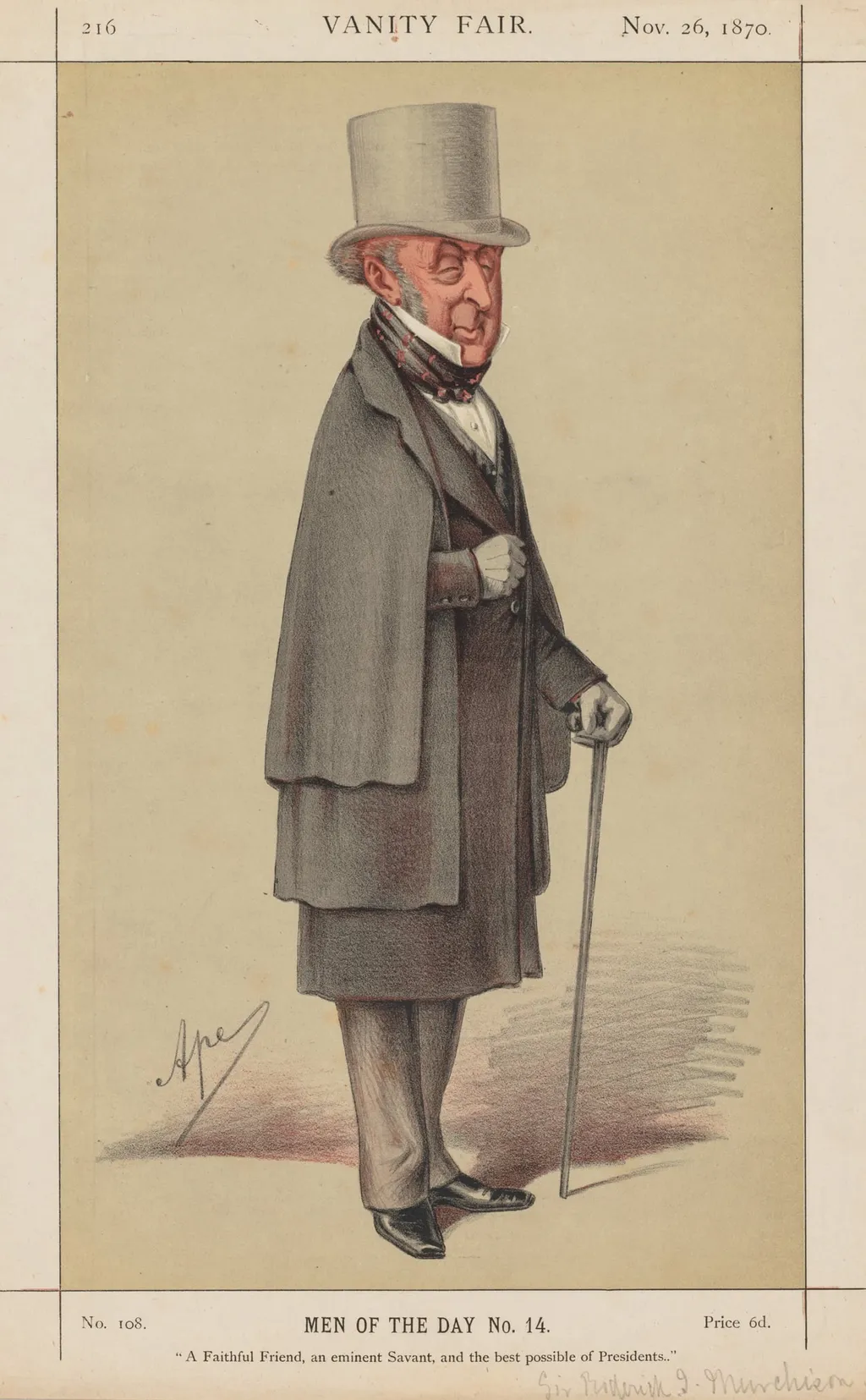
Vanity Fair: Men of the Day No. 14 "A Faithful Friend, an eminent Savant, and the best possible of Presidents" is a print by the Impressionist artist Carlo (Ape) Pellegrini. It dates from 1870 and is held in the collection of the Cleveland Museum of Art.
About this work
Overview
The print combines caricature with realism, balancing exaggeration with precise detail to capture both likeness and social stature without overt mockery.
This 1870 lithograph by Carlo Pellegrini was published in Vanity Fair as part of its 'Men of the Day' series, which featured prominent British figures through satirical yet refined portraits. The subject is Sir John Herschel, a distinguished scientist and public figure. The print combines caricature with realism, balancing exaggeration with precise detail to capture both likeness and social stature without overt mockery.
Subject & Meaning
Sir John Herschel, astronomer and mathematician, is portrayed as a man of intellect and decorum. The title honors his roles as a trusted colleague, scholarly authority, and respected public servant. His formal attire and cane suggest dignity and established status, while the neutral background focuses attention on his composed demeanor. The portrait avoids caricature, instead emphasizing gravitas and quiet authority over humor.
Technique & Style
Pellegrini employed lithography to achieve fine tonal gradations and crisp linework. Subtle shading models the folds of the coat and the texture of the scarf, while the top hat and facial features are rendered with careful precision. The background remains unadorned, isolating the figure and enhancing the sense of solemnity. The style merges the precision of academic portraiture with the light satire typical of Vanity Fair’s visual commentary.
History & Provenance
Created for the British weekly Vanity Fair in 1870, the print was distributed as a colored lithograph to subscribers. It entered the collection of The Cleveland Museum of Art through established acquisition channels, likely as part of a broader effort to document 19th-century British visual culture. Its preservation reflects its significance as both a portrait and a historical artifact of periodical illustration.
Context
Vanity Fair’s 'Men of the Day' series emerged during a period of expanding public interest in science and leadership. Herschel, son of the famed astronomer William Herschel, embodied the Victorian ideal of the gentleman-scholar. The series positioned such figures as cultural icons, blending journalistic portraiture with social commentary, and reflected the era’s reverence for intellectual achievement within elite circles.
Legacy
Pellegrini’s work helped define the visual language of British periodical portraiture in the late 19th century. His approach influenced later illustrators who sought to capture public figures with both accuracy and character. While not widely known outside art-historical circles, this print remains a representative example of how media shaped public perception of scientific and civic leaders during the Victorian age.
Artist & collection

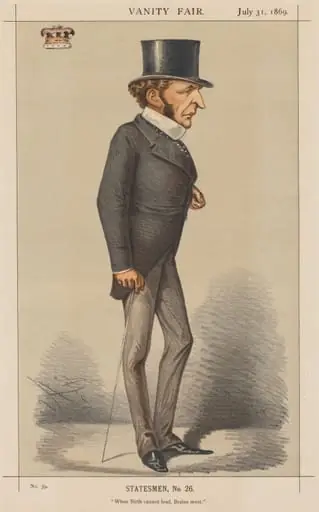 Vanity Fair: Statesman No. 26 "When Birth cannot lead, Brains must."
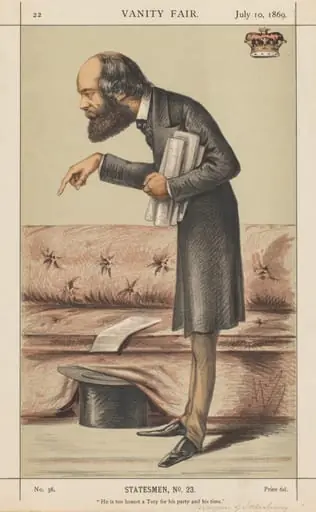 Vanity Fair: Statesman, No. 23 "He is too honest a Tory for his party and time"
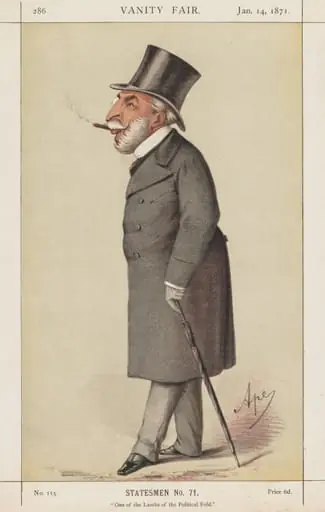 Vanity Fair: Statesman, No. 71 "One of the Lambs of the Political Fold"
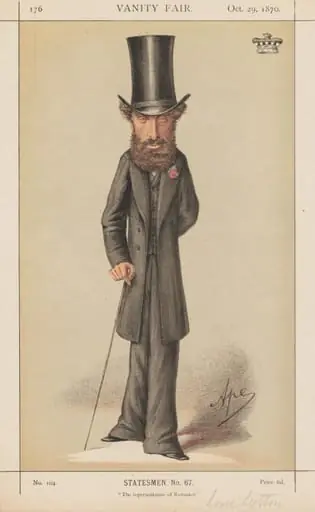 Vanity Fair: Statesmen No. 67 "The representative of Romance"
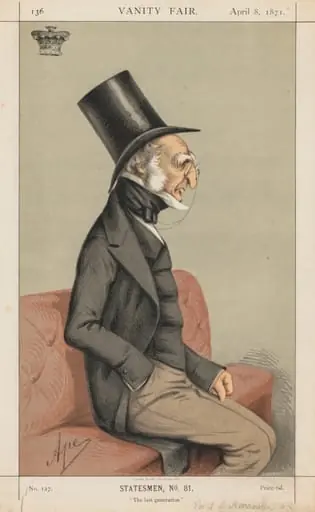 Vanity Fair: Statesman No., 81 "The Last Generation"
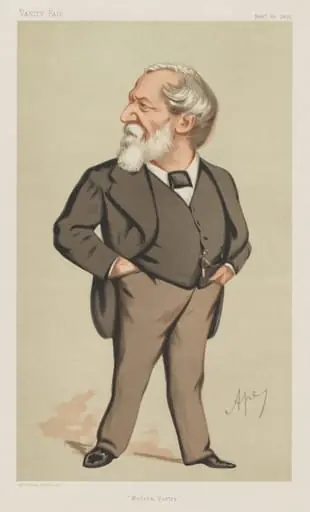 Vanity Fair: "Modern Poetry"
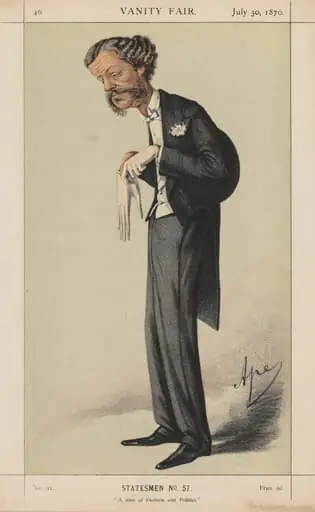 Vanity Fair: Statesman, No. 57 "A man of Fashion and Politics"
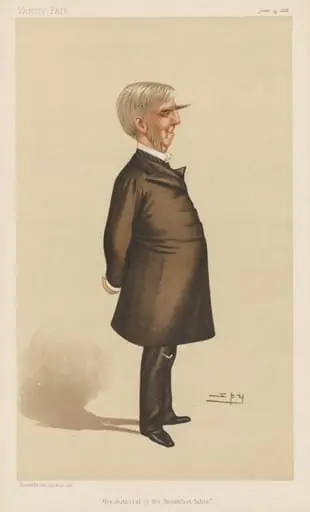 Vanity Fair: "The Autocrat of the Breakfast Table"
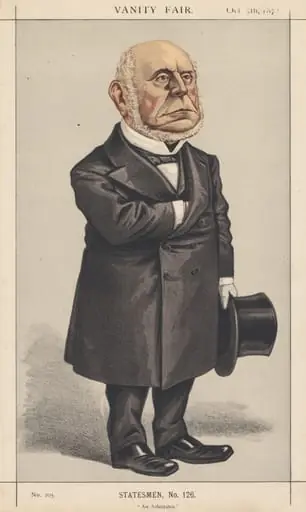 Vanity Fair: Statesman, No. 126 "An Arbitrator"
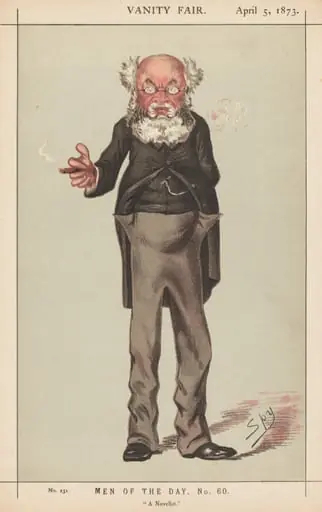 Vanity Fair: Men of the Day, No. 60, "A Novelist"
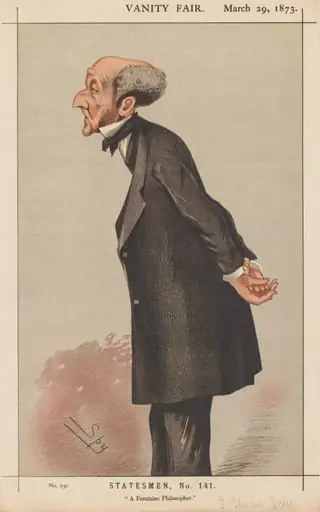 Vanity Fair: Statesman, No. 141 "A Feminine Philosopher"
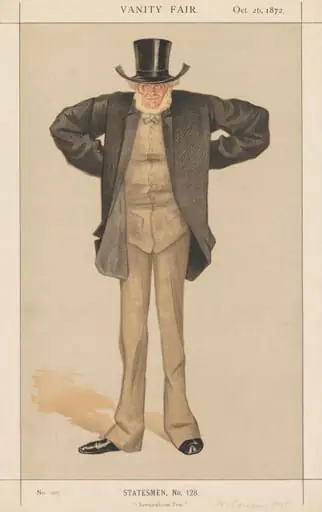 Vanity Fair: Statesman, No. 128 "Newcastle-on-Tyne"
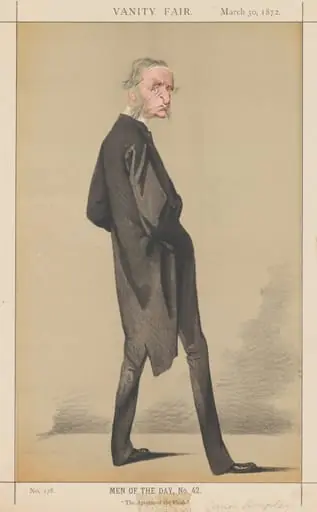 Vanity Fair: Men of the Day, No. 42 "The Apostle of the Flesh"
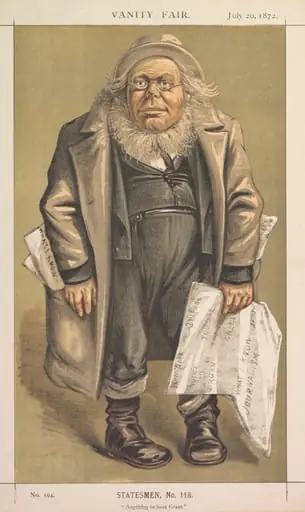 Vanity Fair: Statesman, No. 118 "Anything to Beat Grant"
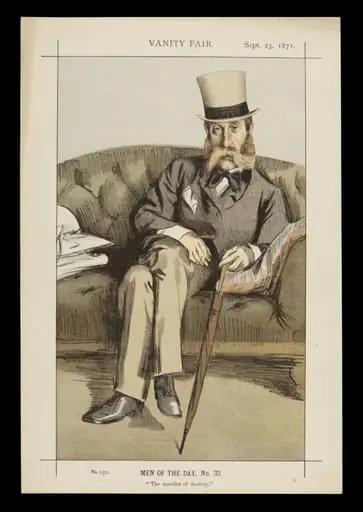 H Beard Print Collection
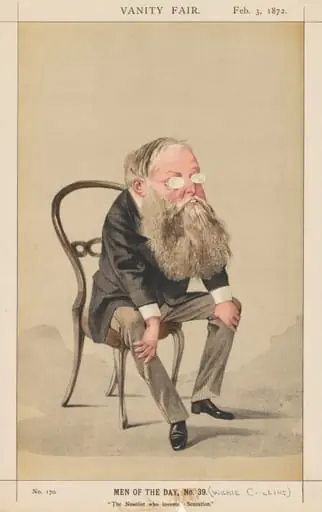 Vanity Fair: Men of the Day, No. 39 "The Novelist who invented Sensation"