Artwork
Vanity Fair: Statesman No. 26 "When Birth cannot lead, Brains must."
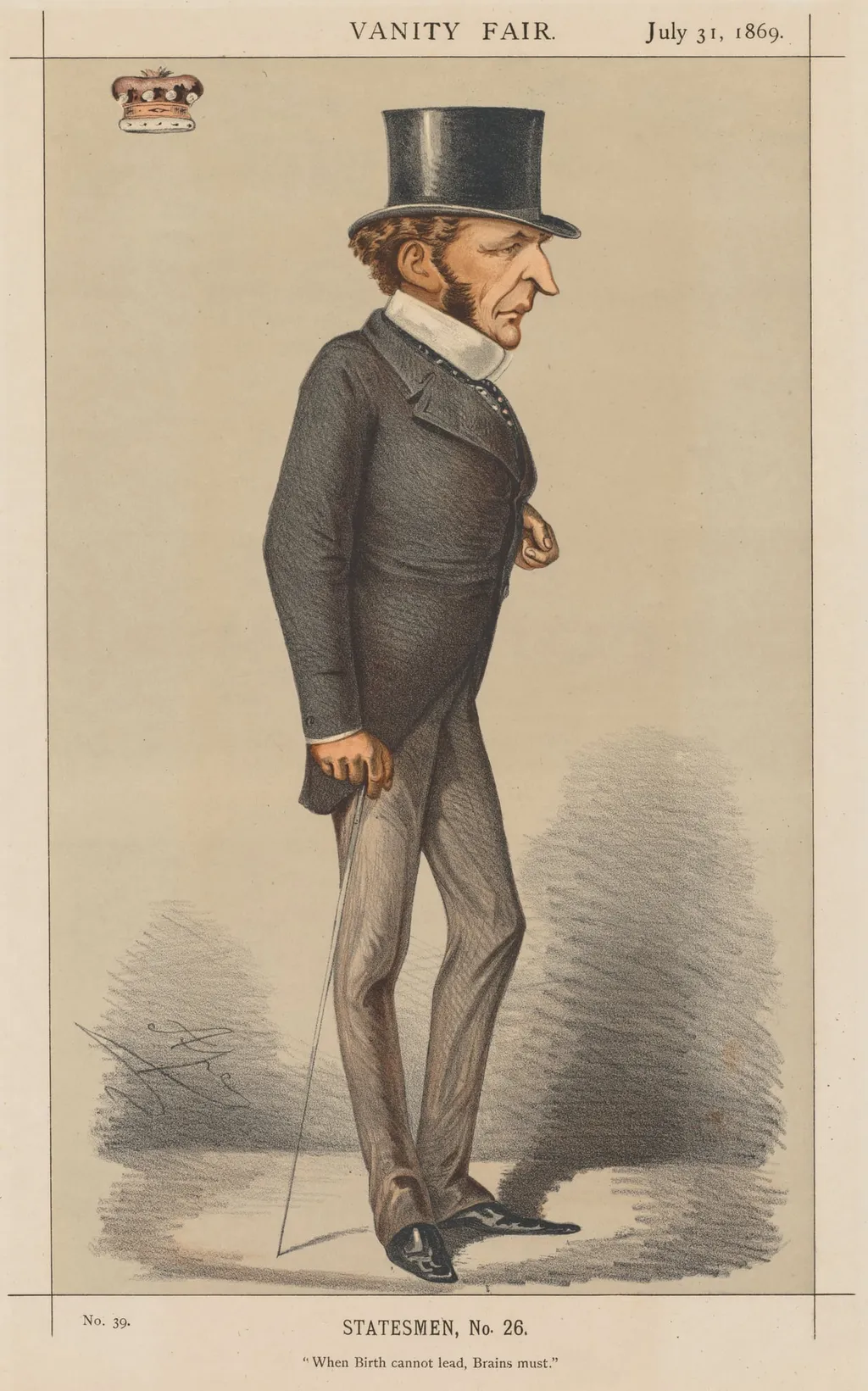
Vanity Fair: Statesman No. 26 "When Birth cannot lead, Brains must." is a print by the Impressionist artist Carlo (Ape) Pellegrini. It dates from 1869 and is held in the collection of the Cleveland Museum of Art.
About this work
Overview
This 1869 lithograph by Carlo Pellegrini, known as 'Ape,' was published in Vanity Fair as part of its series of caricatures of prominent figures.
This 1869 lithograph by Carlo Pellegrini, known as 'Ape,' was published in Vanity Fair as part of its series of caricatures of prominent figures. Titled 'Statesman No. 26,' it depicts a British political leader whose authority is framed not by aristocratic lineage but by intellectual presence. The image was reproduced for mass circulation, reflecting the magazine’s mission to blend satire with portraiture.
Subject & Meaning
The subject is a statesman whose title implies leadership derived from intellect rather than birthright. His furrowed brow and downward gaze suggest contemplation, reinforcing the caption’s assertion that brains must lead when lineage fails. The formal attire and cane signal his status, yet the absence of heraldic symbols shifts focus to personal demeanor over inherited privilege, aligning with mid-Victorian debates on meritocracy.
Technique & Style
Pellegrini employed lithography to achieve fine tonal gradations, using chiaroscuro to model the face and fabric with subtle shadows. The high collar, top hat, and cane are rendered with precise detail, grounding the figure in realism despite the satirical context. The light background isolates the subject, enhancing psychological intensity without decorative distraction, a hallmark of Pellegrini’s approach to political portraiture.
History & Provenance
Originally published in Vanity Fair in 1869, the print entered the collection of The Cleveland Museum of Art through documented acquisition. It belongs to a series of over 2,000 caricatures produced between 1869 and 1914, many of which were later collected by institutions for their historical and artistic value. The museum holds this as a representative example of Victorian visual journalism.
Context
In late 19th-century Britain, public discourse increasingly valued competence over aristocratic pedigree. Vanity Fair’s caricatures responded to this shift, portraying politicians as individuals whose influence stemmed from intellect or public service. Pellegrini’s work contributed to a new visual culture where satire and portraiture merged to critique and celebrate leadership in a changing society.
Legacy
Pellegrini’s lithographs, including this one, helped define the visual language of political commentary in the press. His blend of realism and subtle irony influenced later cartoonists and illustrated journalism. Though created for ephemeral publication, these works are now studied as historical documents, capturing the evolving ideals of leadership in the modern state.
Artist & collection

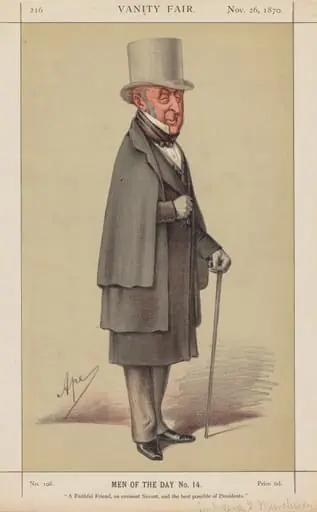 Vanity Fair: Men of the Day No. 14 "A Faithful Friend, an eminent Savant, and the best possible of Presidents"
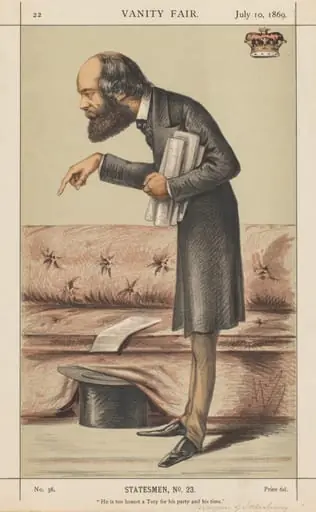 Vanity Fair: Statesman, No. 23 "He is too honest a Tory for his party and time"
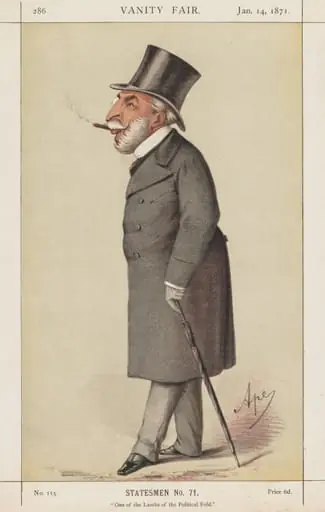 Vanity Fair: Statesman, No. 71 "One of the Lambs of the Political Fold"
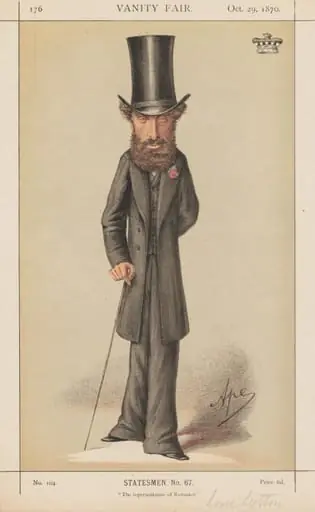 Vanity Fair: Statesmen No. 67 "The representative of Romance"
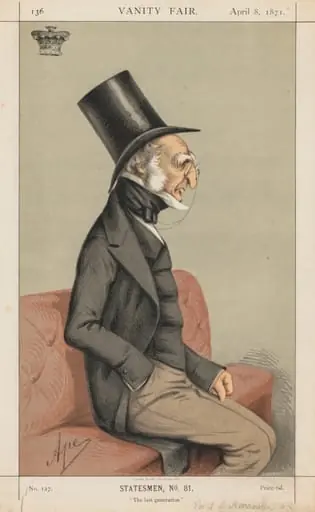 Vanity Fair: Statesman No., 81 "The Last Generation"
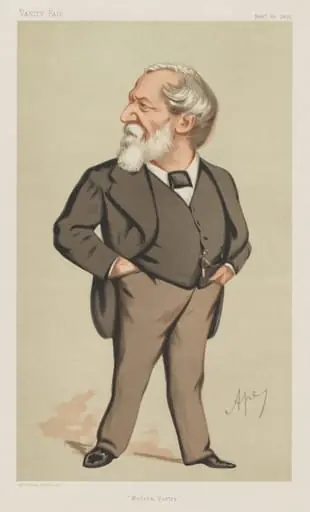 Vanity Fair: "Modern Poetry"
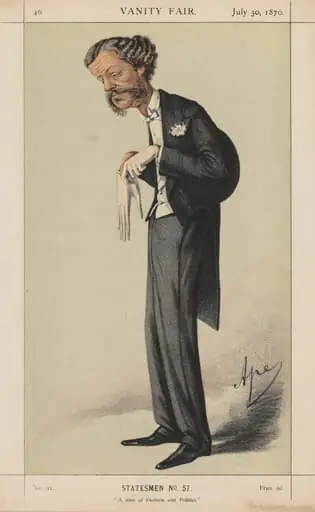 Vanity Fair: Statesman, No. 57 "A man of Fashion and Politics"
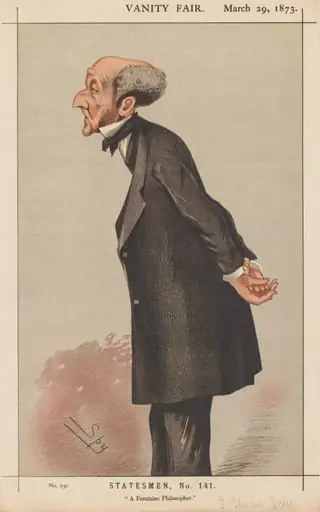 Vanity Fair: Statesman, No. 141 "A Feminine Philosopher"
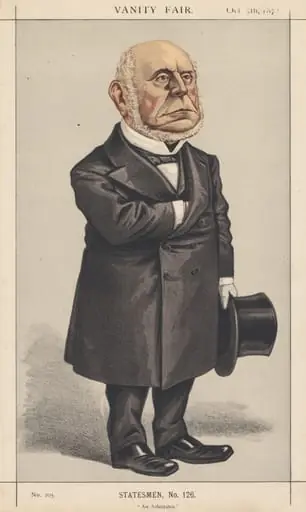 Vanity Fair: Statesman, No. 126 "An Arbitrator"
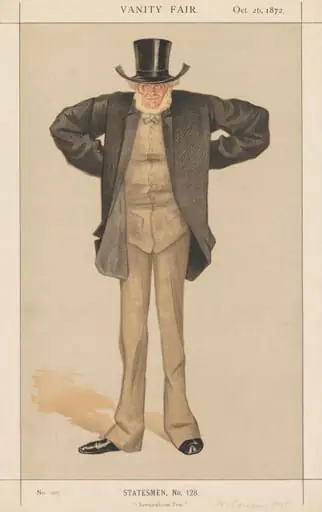 Vanity Fair: Statesman, No. 128 "Newcastle-on-Tyne"
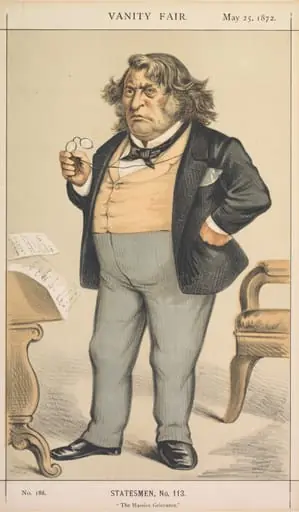 Vanity Fair: Statesman, No. 113 "The Massive Grievance"
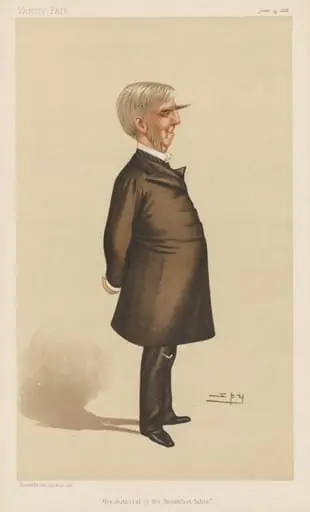 Vanity Fair: "The Autocrat of the Breakfast Table"
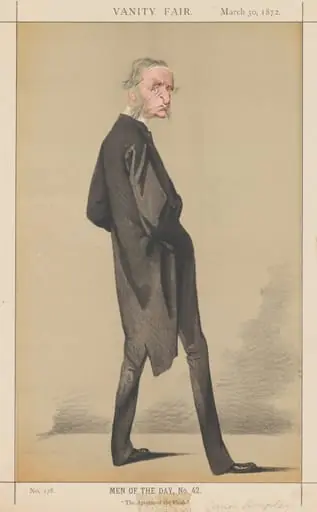 Vanity Fair: Men of the Day, No. 42 "The Apostle of the Flesh"
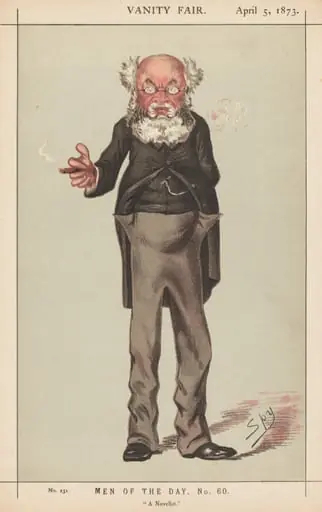 Vanity Fair: Men of the Day, No. 60, "A Novelist"