Artwork
Vanity Fair: Statesman, No. 128 "Newcastle-on-Tyne"
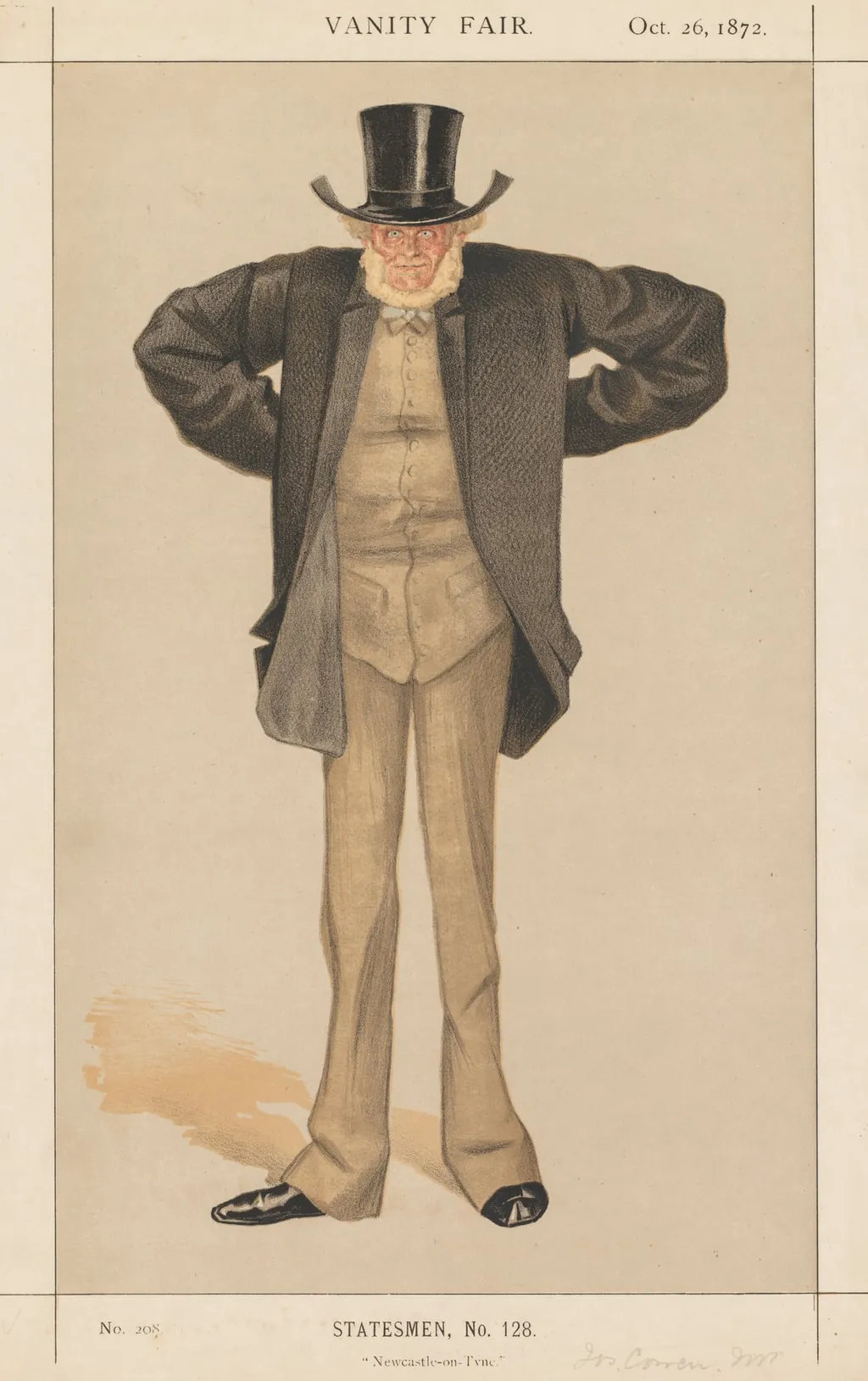
Vanity Fair: Statesman, No. 128 "Newcastle-on-Tyne" is a print by the Impressionist artist James Tissot. It dates from 1872 and is held in the collection of the Cleveland Museum of Art.
About this work
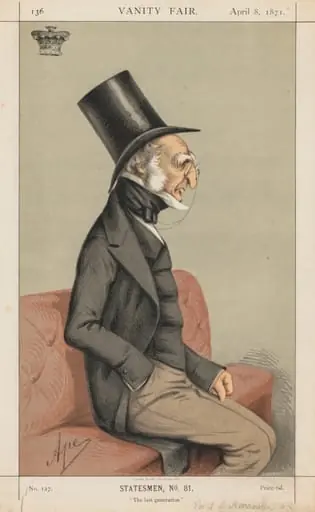
This drawing shows a man in a long dark coat, tall black hat, and stiff white shirt.
This drawing shows a man in a long dark coat, tall black hat, and stiff white shirt. His arms are crossed, and his legs are spread wide. The lines are bold and simple, with flat colors and no shading.
The title says this is a "statesman" from Newcastle-on-Tyne, published in 1872. The artist made it look like a quick sketch, but with careful details.
Look up James Tissot to see more of his sharp, stylized portraits.
Overview
James Tissot’s 1872 etching, titled *Vanity Fair: Statesman, No. 128 ‘Newcastle‑on‑Tyne’*, is a portrait of a Victorian‑era British political figure. Produced for the satirical weekly *Vanity Fair*, the work belongs to a larger collection of caricature‑like prints that documented prominent personalities of the period.
Subject & Meaning
The image presents a male statesman associated with Newcastle‑on‑Tyne, dressed in a long dark coat, a tall black hat, and a crisp white shirt. His posture—arms crossed and legs apart—conveys a formal yet self‑assured bearing, reflecting the public image of a seasoned politician.
Technique & Style
Executed as an etching, the composition relies on bold, uncomplicated lines and flat areas of colour, avoiding gradations of tone. Tissot’s approach merges the observational precision of realism with the looser handling of early Impressionism, while retaining the compositional rigor of academic drawing.
History & Provenance
The print was issued in 1872 as part of *Vanity Fair*’s numbered series of portrait prints, each accompanied by a brief biographical caption. Tissot, a French artist born in 1836, contributed numerous such images to the magazine, which circulated widely among the British reading public.
Context
During the late nineteenth century, *Vanity Fair* served as a visual record of the era’s political and cultural elite. Tissot’s contributions offered a stylized yet recognizable likeness, balancing satire with a degree of respectability appropriate for the publication’s audience.
Artist & collection
Artist
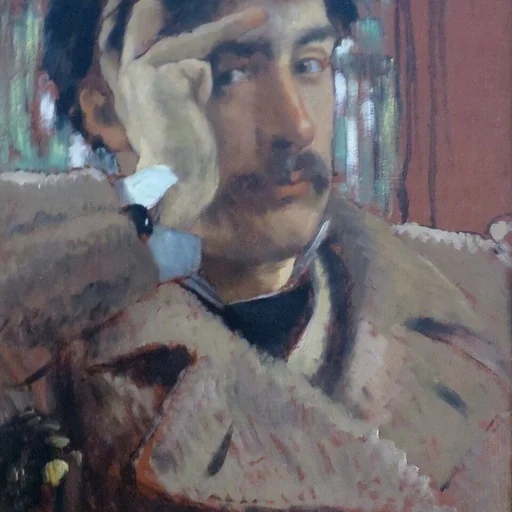
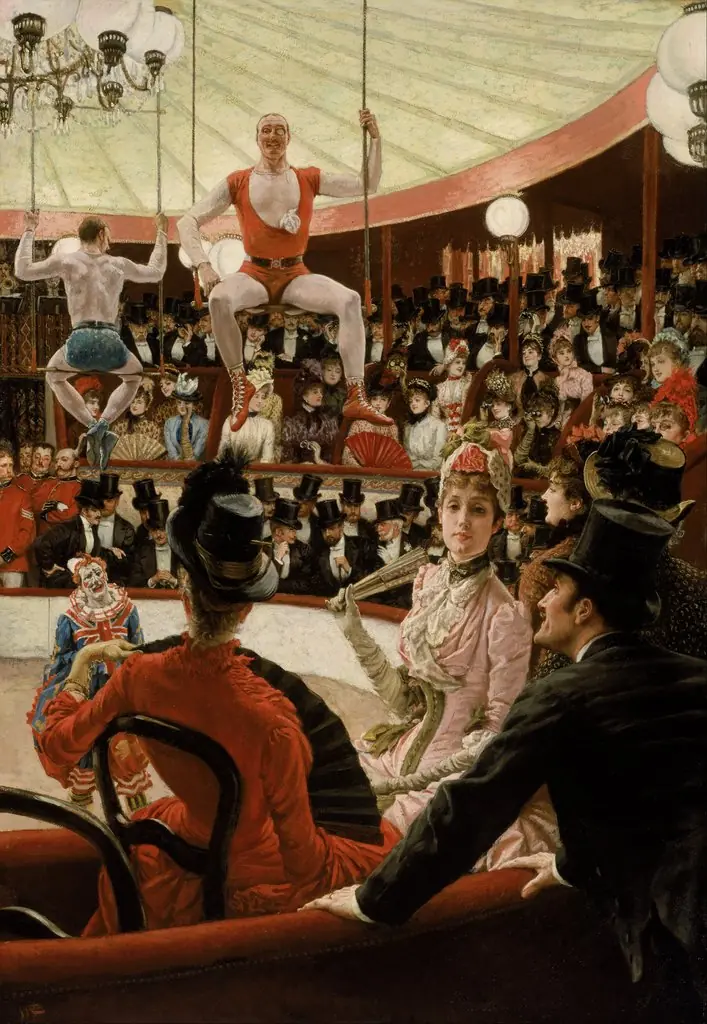
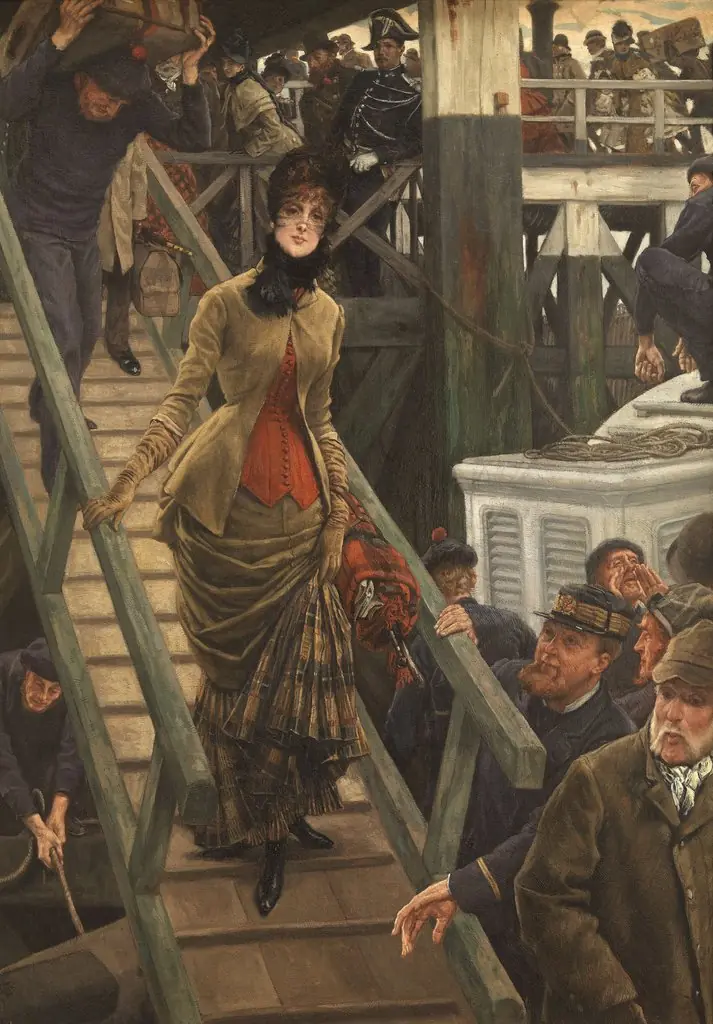
Jacques Joseph Tissot (French: ; 15 October 1836 – 8 August 1902), better known as James Tissot (UK: TISS-oh, US: tee-SOH), was a French painter, illustrator, and caricaturist.

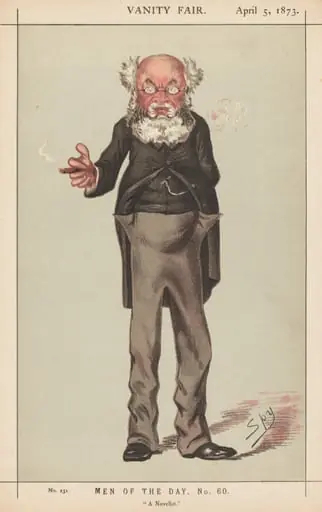 Vanity Fair: Men of the Day, No. 60, "A Novelist"
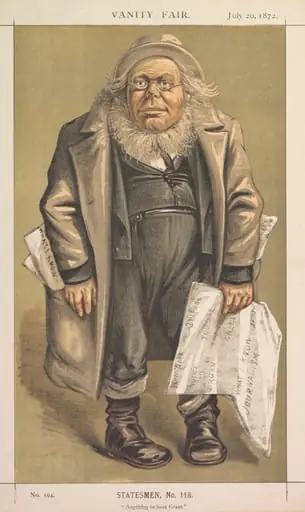 Vanity Fair: Statesman, No. 118 "Anything to Beat Grant"
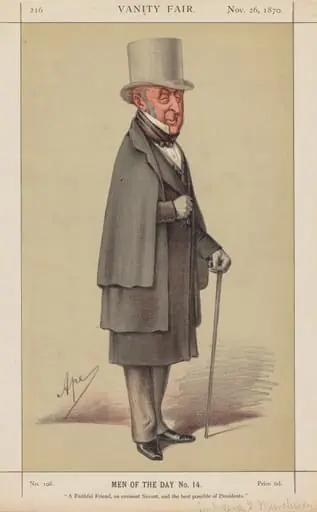 Vanity Fair: Men of the Day No. 14 "A Faithful Friend, an eminent Savant, and the best possible of Presidents"
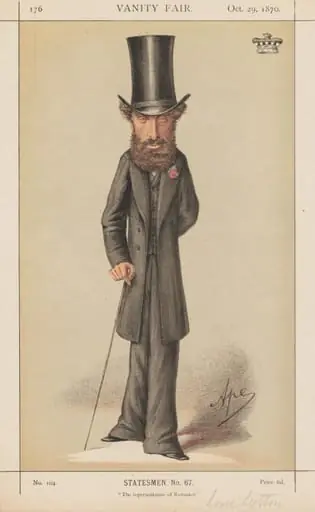 Vanity Fair: Statesmen No. 67 "The representative of Romance"
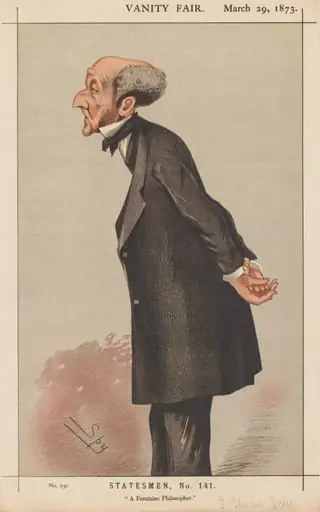 Vanity Fair: Statesman, No. 141 "A Feminine Philosopher"
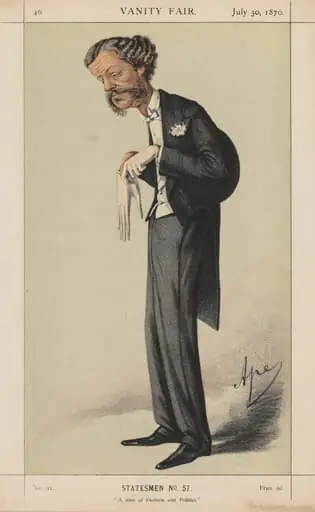 Vanity Fair: Statesman, No. 57 "A man of Fashion and Politics"
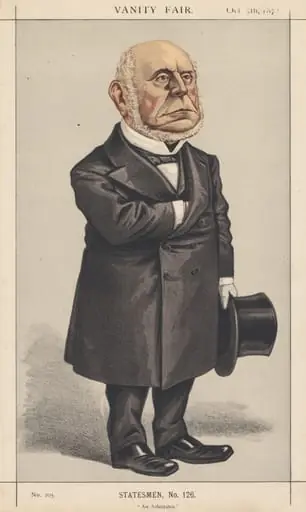 Vanity Fair: Statesman, No. 126 "An Arbitrator"
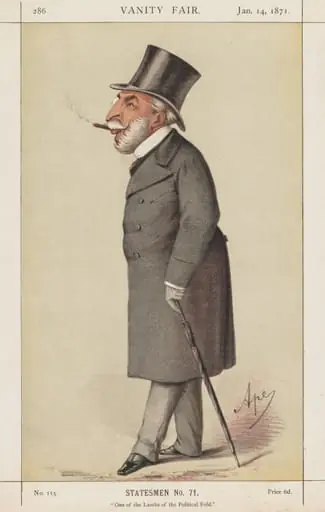 Vanity Fair: Statesman, No. 71 "One of the Lambs of the Political Fold"
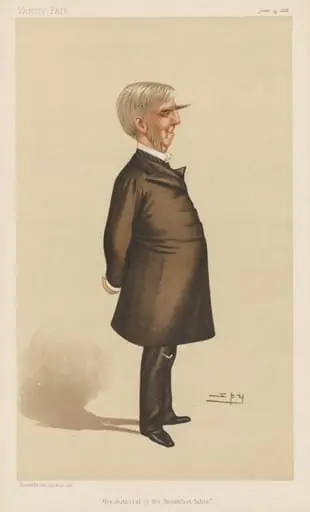 Vanity Fair: "The Autocrat of the Breakfast Table"
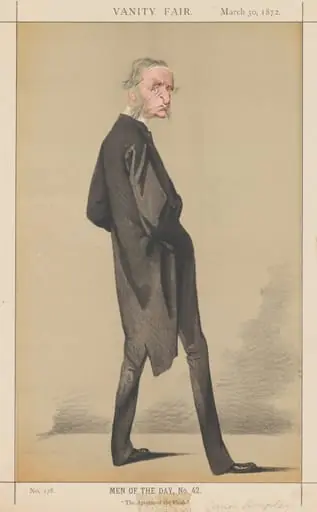 Vanity Fair: Men of the Day, No. 42 "The Apostle of the Flesh"
 Vanity Fair: Statesman No., 81 "The Last Generation"