Artwork
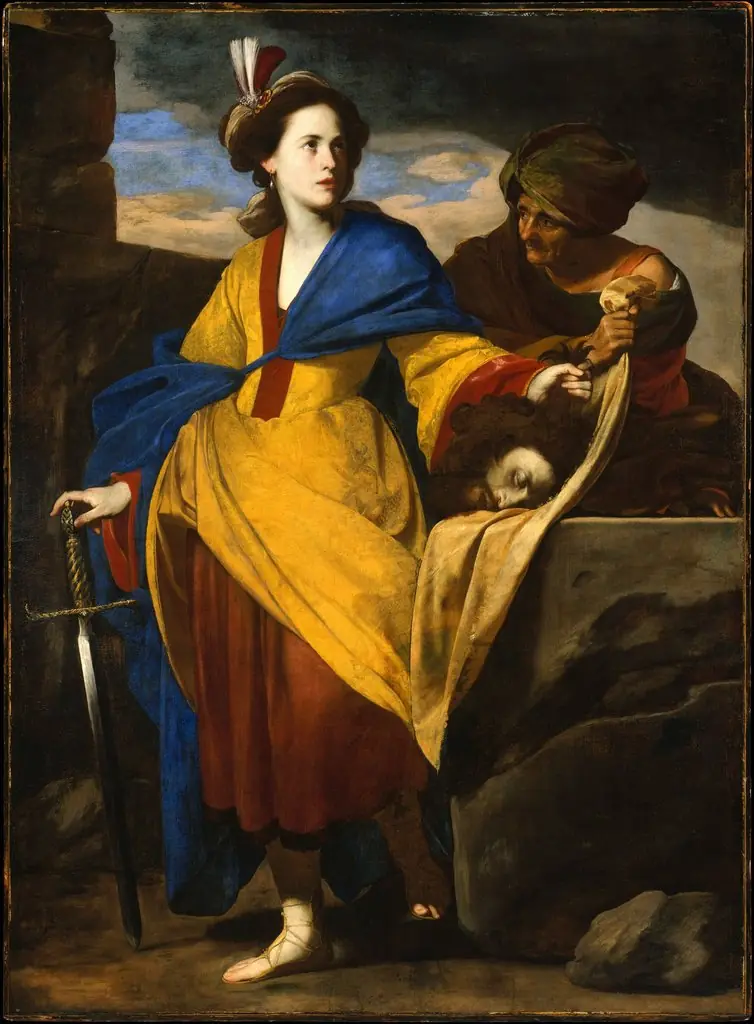
Judith with the Head of Holofernes
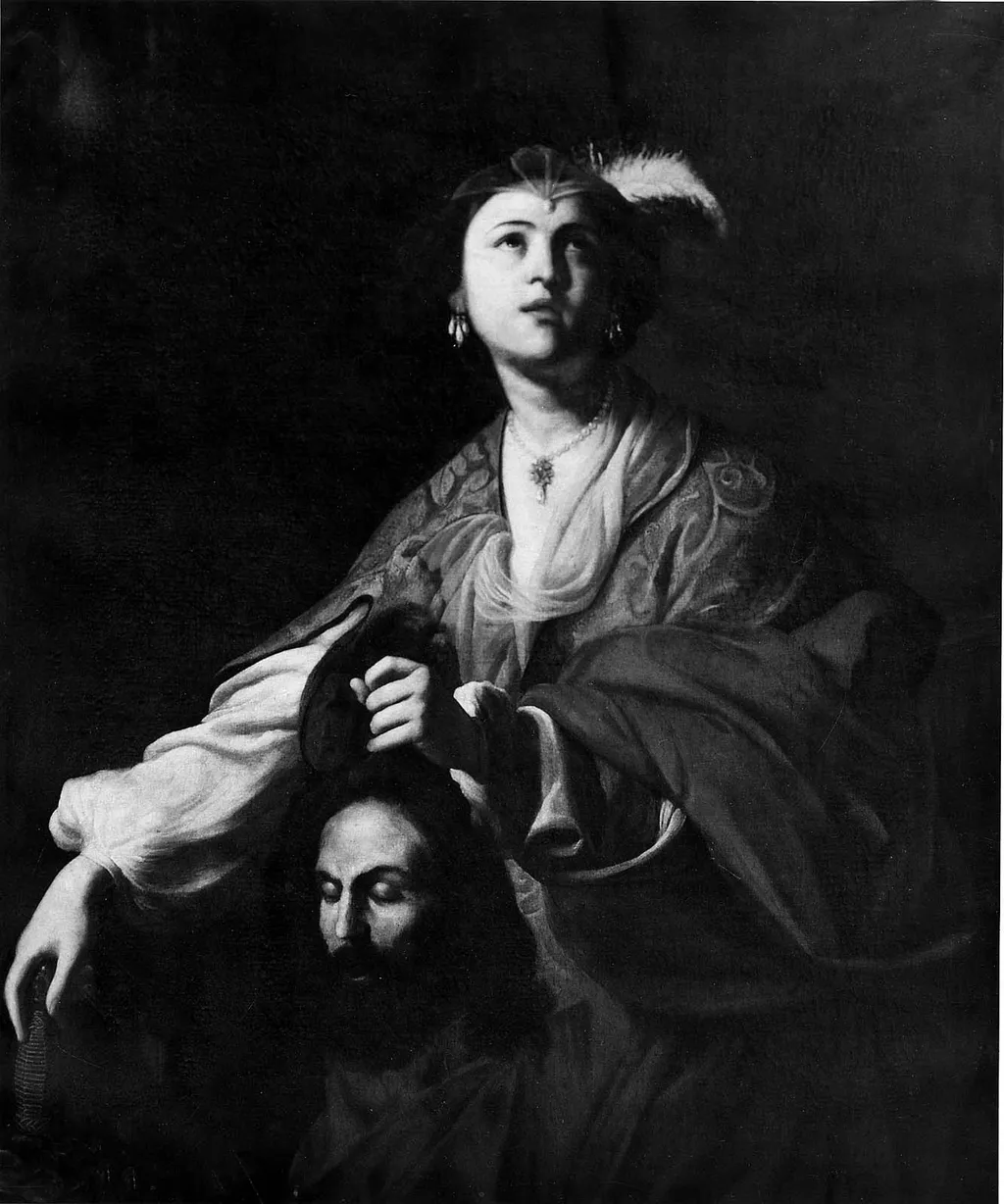
Judith with the Head of Holofernes is an oil painting by the Early Baroque Italian artist Massimo Stanzione. It dates from 1630 and is held in the collection of the Museum of Fine Arts Boston.
About this work
Overview
Created circa 1630 by the Neapolitan Baroque painter Massimo Stanzione, this oil on canvas presents the biblical heroine Judith clutching the severed head of the Assyrian general Holofernes. The work is part of the Museum of Fine Arts, Boston’s collection and exemplifies Stanzione’s engagement with dramatic religious subjects during the early Italian Baroque period.
Subject & Meaning
The composition centers on Judith, rendered in a flowing robe and ornate headpiece, who holds the fallen head of Holofernas by the hair while her eyes lift upward. The juxtaposition of her dignified, almost regal bearing with the violent act she has performed underscores themes of virtue triumphing over tyranny, a common moral motif in Counter‑Reformation art.
Technique & Style
Stanzione employs a restrained chiaroscuro that recalls Caravaggio’s influence, using strong contrasts of light and shadow to model the figures and heighten the scene’s emotional intensity. The palette is rich yet balanced, and the handling of flesh and fabric shows a naturalistic idealism typical of early Baroque painting, while the smooth brushwork lends a polished finish.
History & Provenance
After its execution in Naples, the painting entered private collections before being acquired by the Museum of Fine Arts, Boston, where it remains on display. Documentation traces its ownership through several European dealers in the 18th and 19th centuries, reflecting the work’s continued appeal to collectors of Baroque religious art.
Context
Stanzione’s career was marked by commissions for biblical scenes and altarpieces, often integrating the dramatic lighting and compositional vigor of the Neapolitan school. This work aligns with contemporary depictions of Judith, a subject favored for its moral resonance, and demonstrates the artist’s synthesis of Caravaggesque realism with the graceful classicism favored by his patrons.
Own this work as a print
Artist & collection
Artist
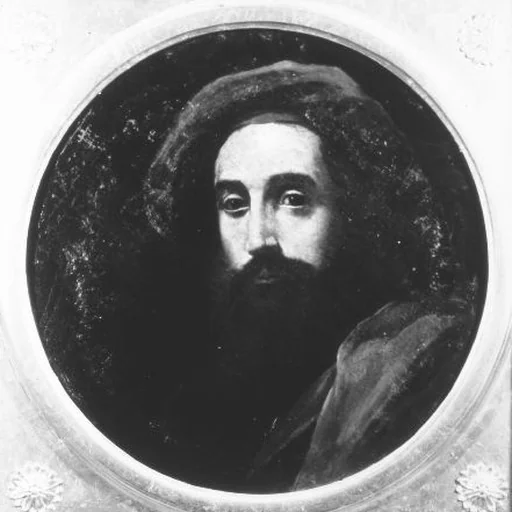
Massimo Stanzione (also called Stanzioni; Frattamaggiore 1585 – Naples 1656) was an Italian Baroque painter, mainly active in Naples, where he and his rival Jusepe de Ribera dominated the painting scene for several decades.