Artwork
Judith with the Head of Holofernes
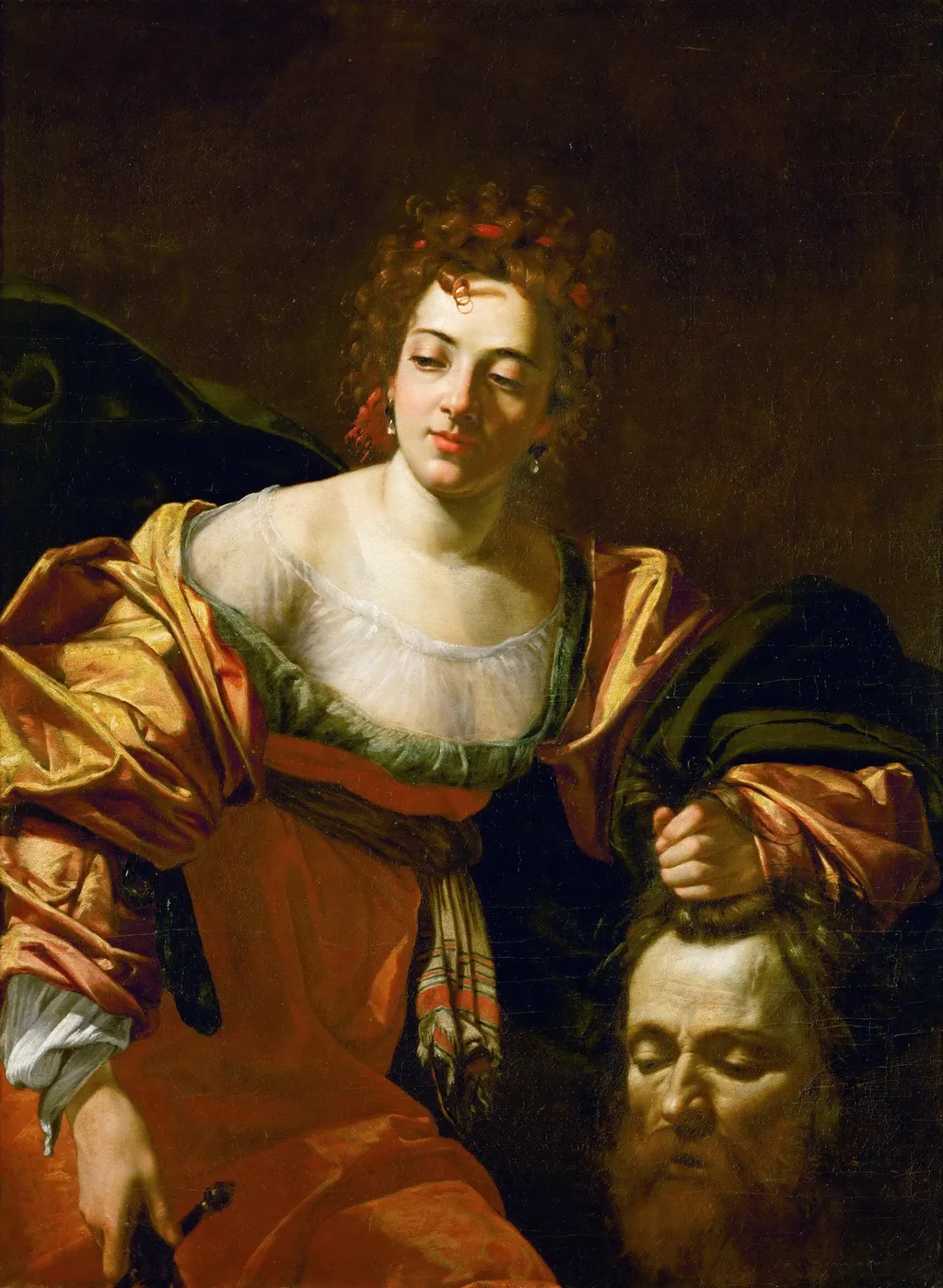
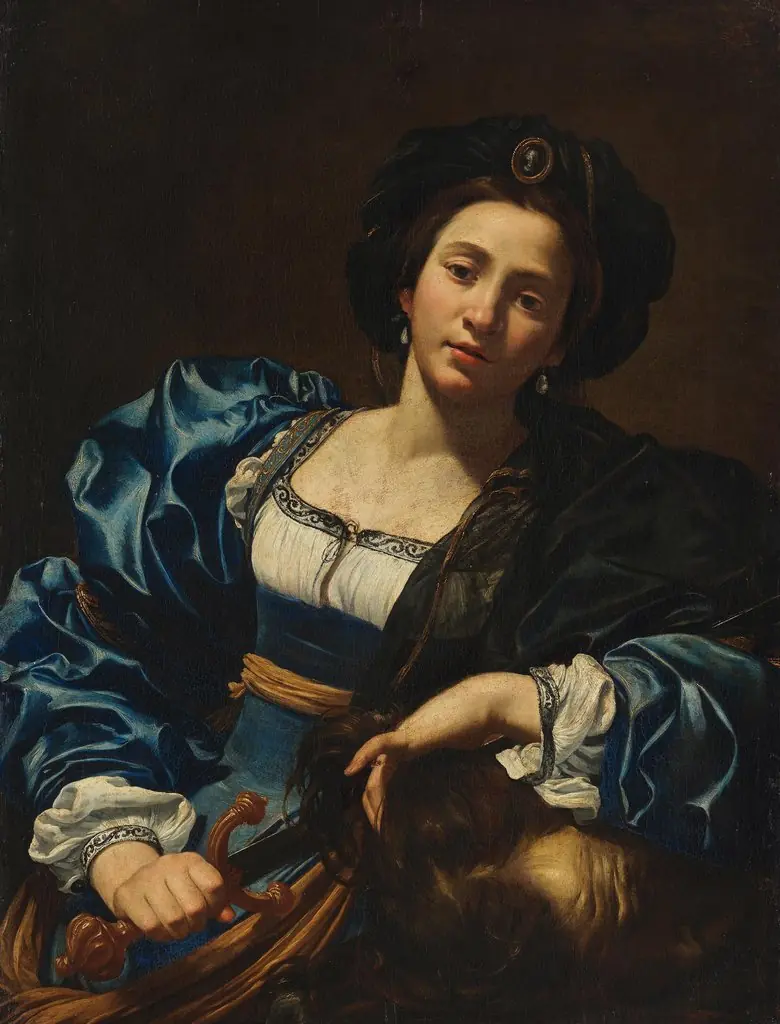
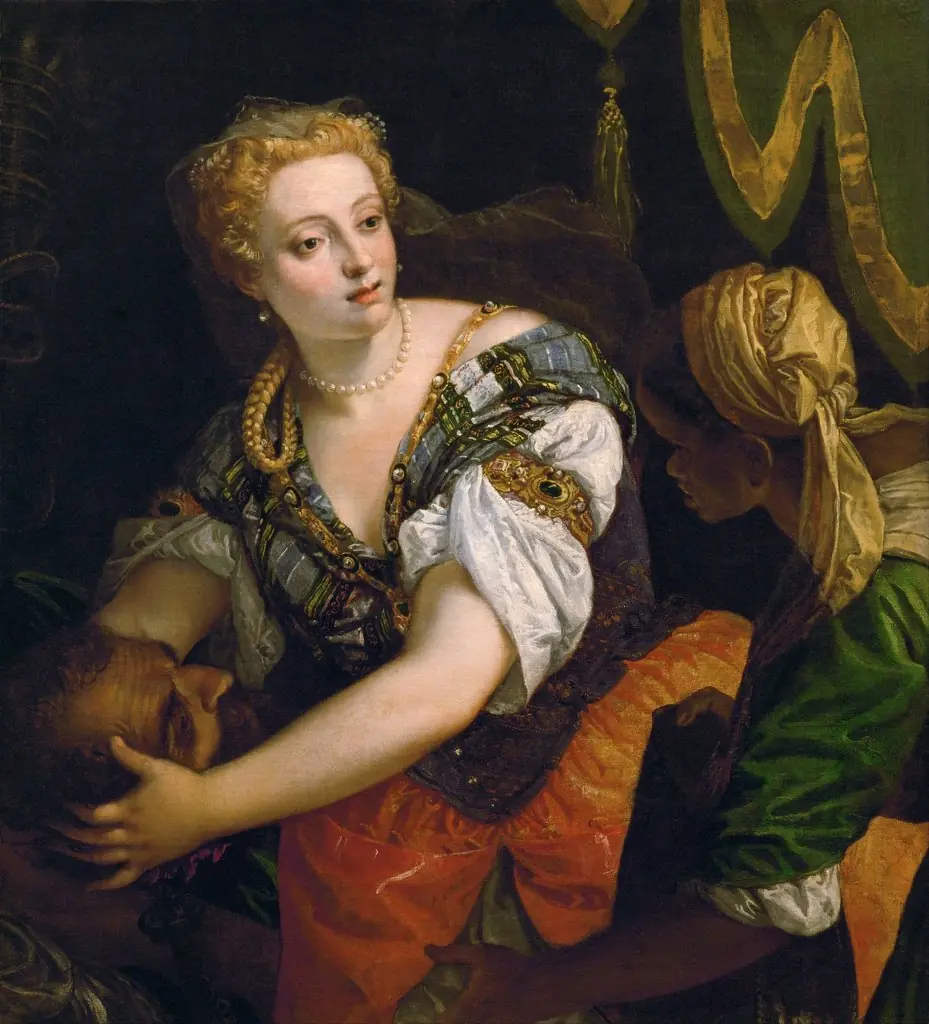
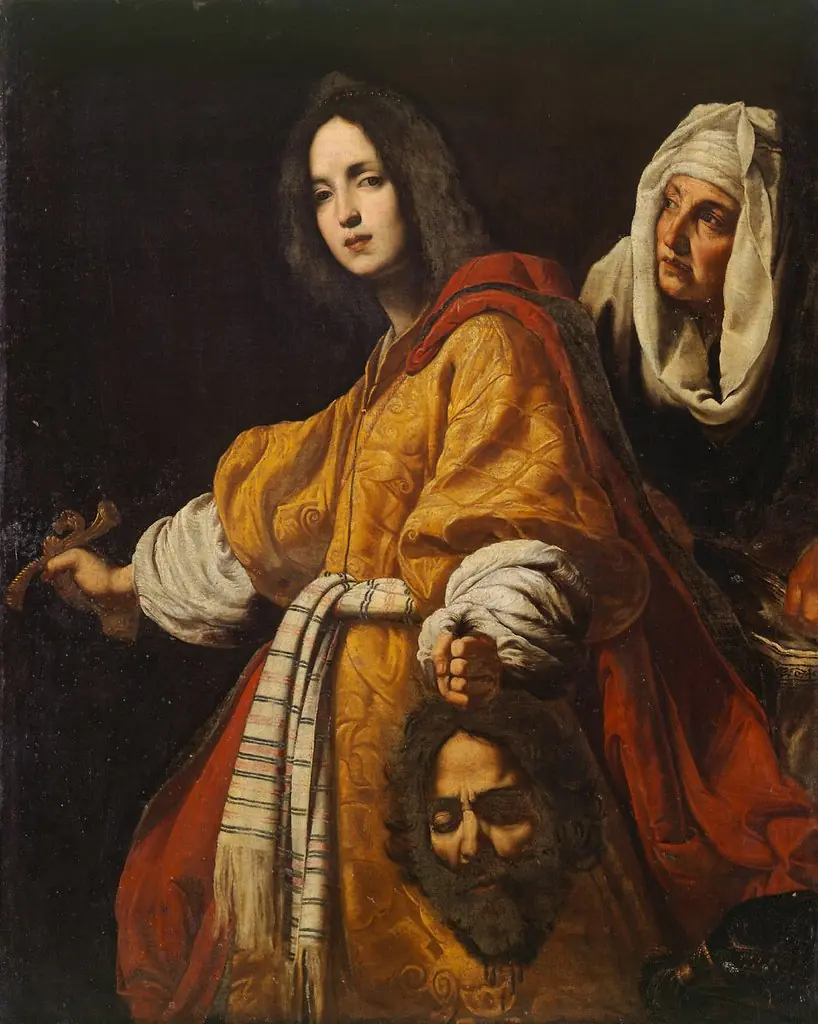
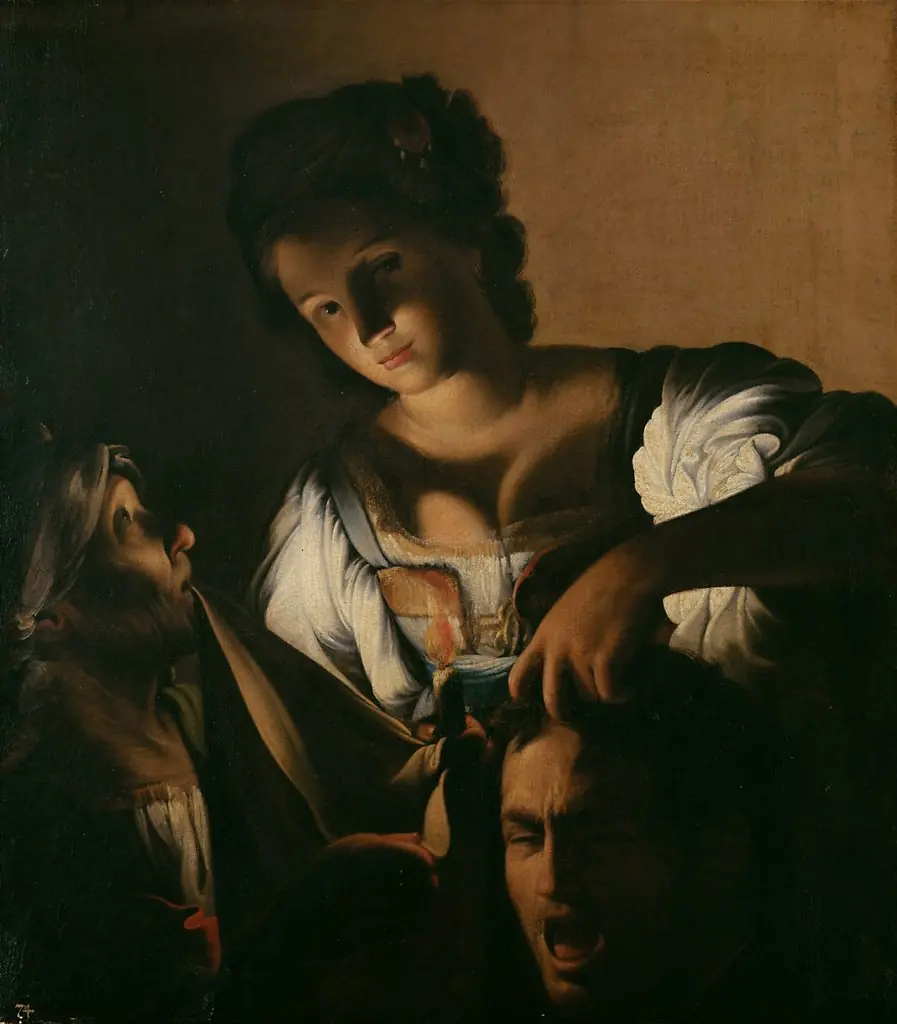
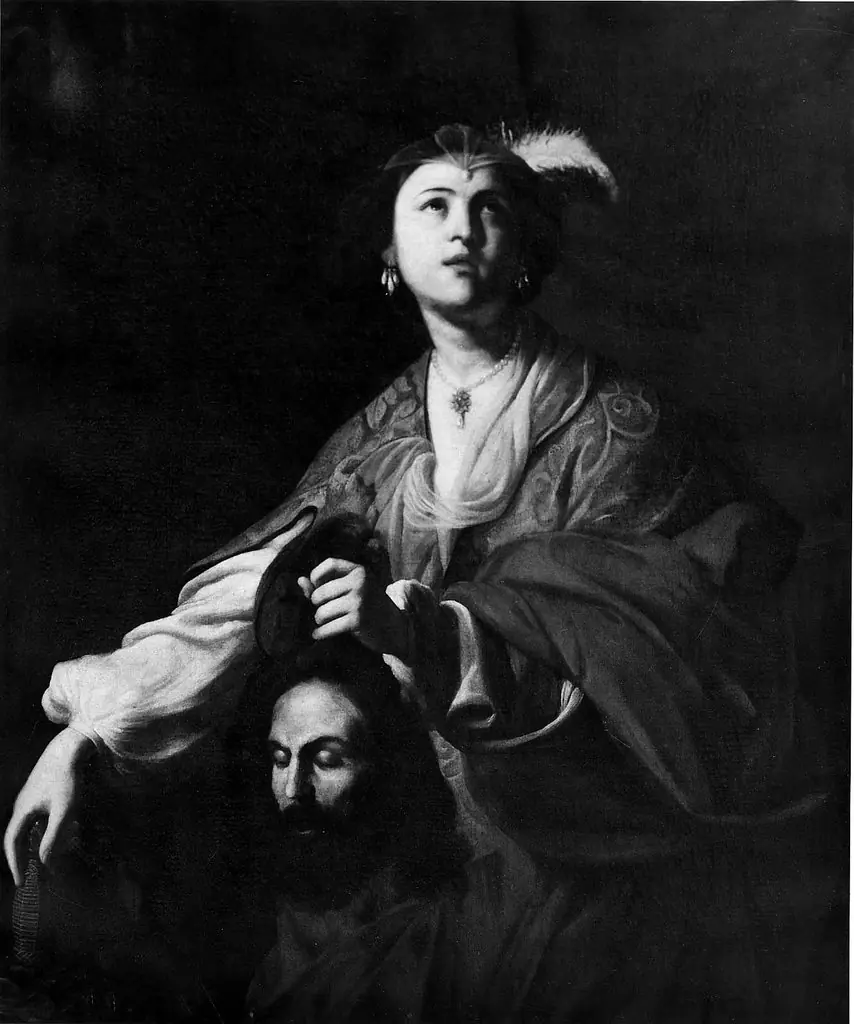
Judith with the Head of Holofernes is an oil painting by the Early Baroque Italian artist Simon Vouet. It dates from 1617 and is held in the collection of the Kunsthistorisches Museum.
About this work
Simon Vouet painted Judith with the Head of Holofernes in oil on canvas around 1620. The work shows Judith holding the severed head of Holofernes. It hangs today in the Kunsthistorisches Museum in Vienna.
Vouet painted this scene in France before moving to Italy. The bold figures and dramatic lighting make it stand out in his early career.
Look up the artist Simon Vouet next.
Overview
Simon Vouet’s oil on canvas, dated between 1620 and 1622, depicts the biblical heroine Judith clutching the severed head of the Assyrian general Holofernes. The work is part of the collection of the Kunsthistorisches Museum in Vienna and exemplifies the artist’s early output before his relocation to Italy.
Subject & Meaning
The composition centers on Judith, a figure from the deuterocanonical Book of Judith, portrayed at the moment she presents the fallen head of Holofernas to her companions. The image underscores themes of female agency, divine deliverance, and the triumph of virtue over tyrannical power, common motifs in Counter‑Reformation visual culture.
Technique & Style
Executed in oil on canvas, the painting employs a stark chiaroscuro that isolates the figures against a dim background, heightening the drama. Vouet’s handling of the flesh and drapery shows a bold, confident brushwork, while the strong contrasts of light and shadow anticipate the Baroque sensibilities he would later develop in Italy.
History & Provenance
Created while Vouet was active in France, the canvas entered the Austrian imperial collection at an early date and now resides in Vienna’s Kunsthistorisches Museum. Its presence in the museum reflects the 17th‑century practice of acquiring French Baroque works for royal and aristocratic cabinets.
Context
At the time of its execution, Vouet was establishing his reputation in Paris, producing works that combined French elegance with the dramatic intensity of Italian Caravaggisti. This painting marks a transitional moment, illustrating his engagement with biblical subjects that appealed to both courtly patrons and the religious climate of post‑Council of Trent Europe.
Own this work as a print
Artist & collection
Artist
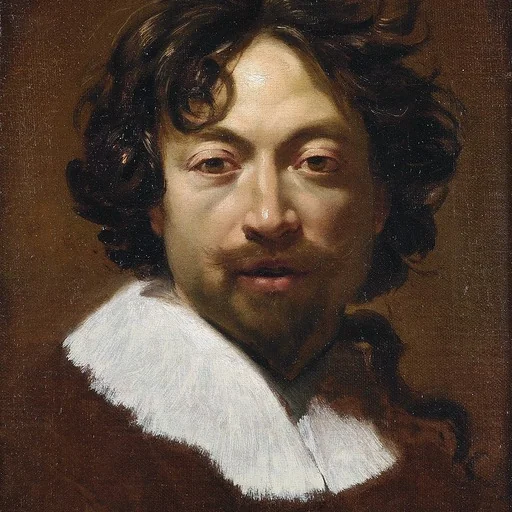
Simon Vouet (French pronunciation: ; 9 January 1590 – 30 June 1649) was a French painter who studied and rose to prominence in Italy before being summoned by Louis XIII to serve as Premier peintre du Roi in France.