Artwork
Favila
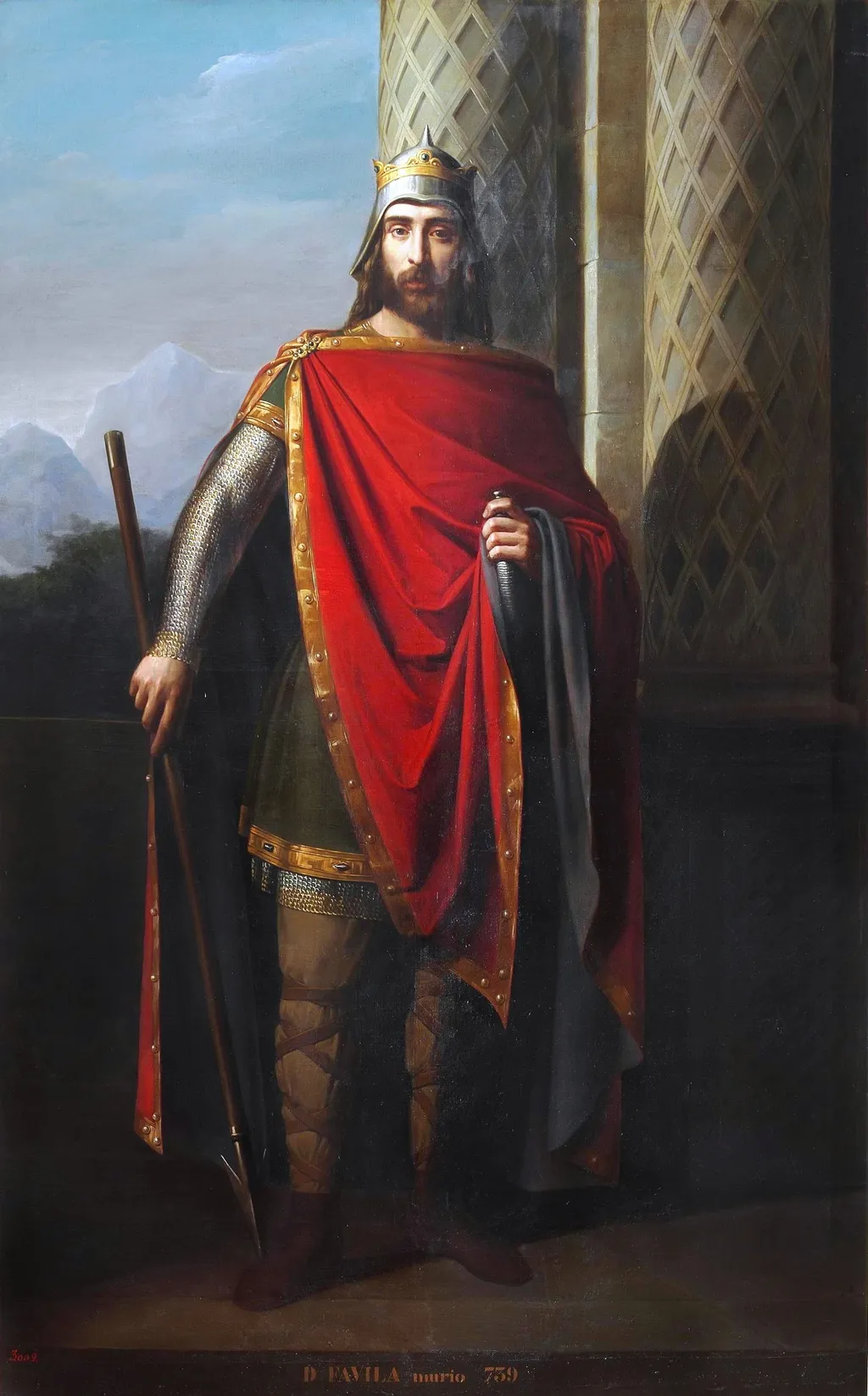
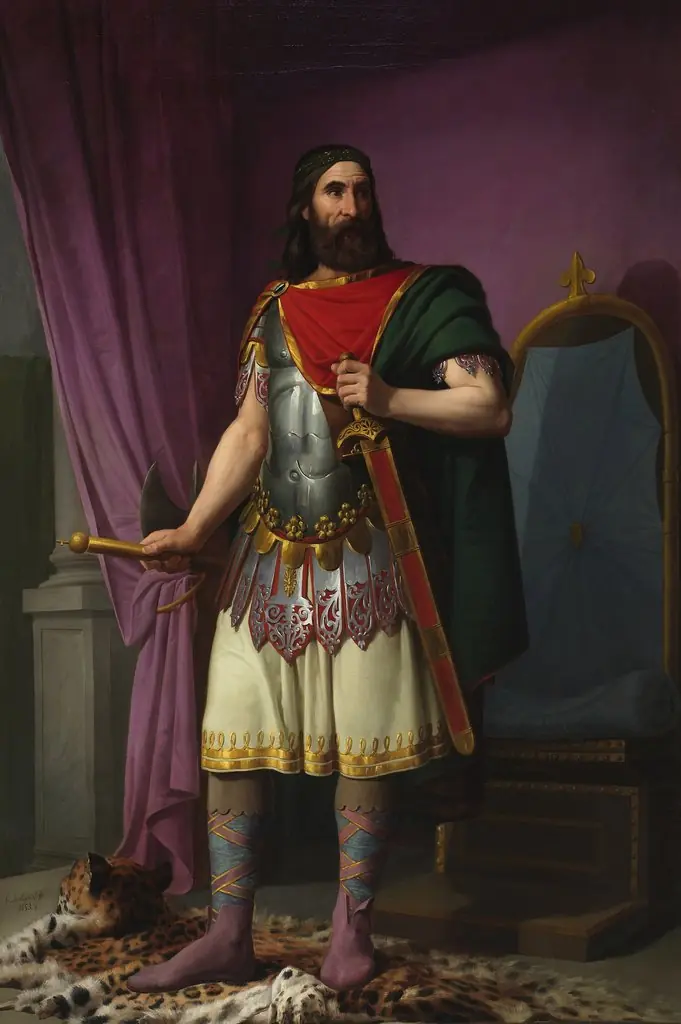
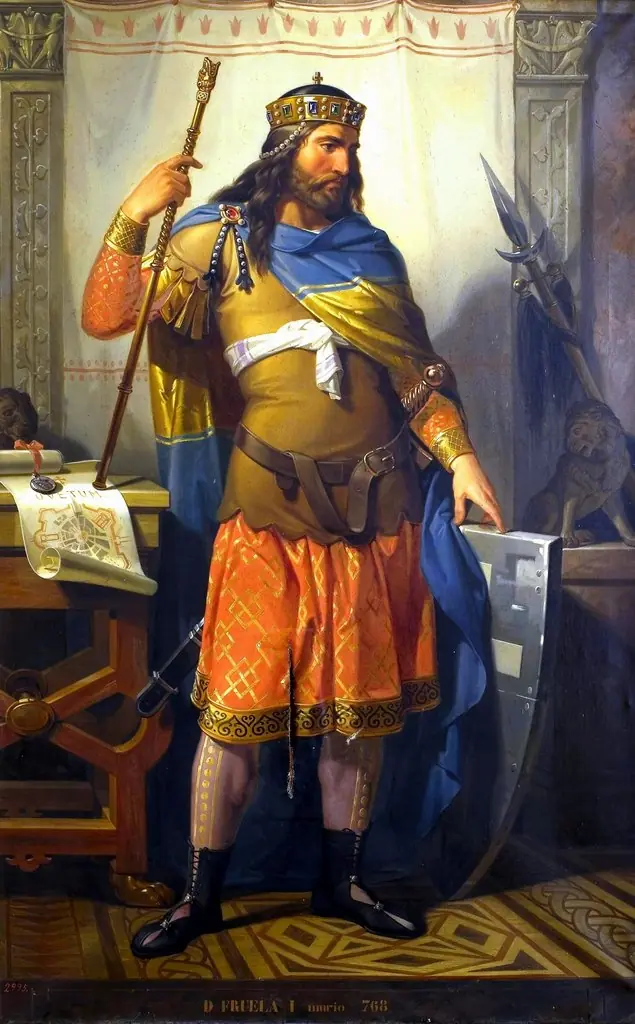
Favila is an oil painting by Carlos Esquivel y Rivas. It dates from 1853 and is held in the collection of the Museo del Prado.
About this work
Overview
Created in 1853, this oil on canvas by Carlos Esquivel y Rivas portrays the legendary Asturian figure Favila. The work is part of the Prado Museum’s collection and presents the subject in a staged, medieval setting, combining portraiture with a landscape backdrop.
Subject & Meaning
Favila, historically recognized as the second king of Asturias, is shown in regal attire that emphasizes his royal status. The inclusion of a sword‑like object and a staff suggests both martial authority and ceremonial power, aligning the figure with the early medieval narrative of Asturias’s foundation.
Technique & Style
Esquivel employs a restrained chiaroscuro, allowing the illuminated red cape and gleaming silver armor to emerge from a darker background. The painter’s handling of oil creates a tactile sense of texture on the metal and fabric, while the distant mountains are rendered with softer, atmospheric brushwork.
History & Provenance
The canvas entered the Museo del Prado’s holdings after its acquisition in the late 19th century, reflecting the institution’s interest in 19th‑century Spanish historicist painting. Its provenance prior to the museum remains undocumented, but the work has been catalogued as a representative example of Esquivel’s interest in national legends.
Context
Mid‑19th‑century Spain saw a resurgence of interest in medieval and national themes, a trend mirrored in Esquivel’s choice of Favila as subject. The painting aligns with contemporary historicist movements that sought to reinforce a collective identity through visual depictions of early Spanish monarchs.
Own this work as a print
Artist & collection