Artwork
Prisión de Guatimocín último emperador de los mejicanos por las tropas de Hernán Cortés y su presentación a este en la plaza de Méjico
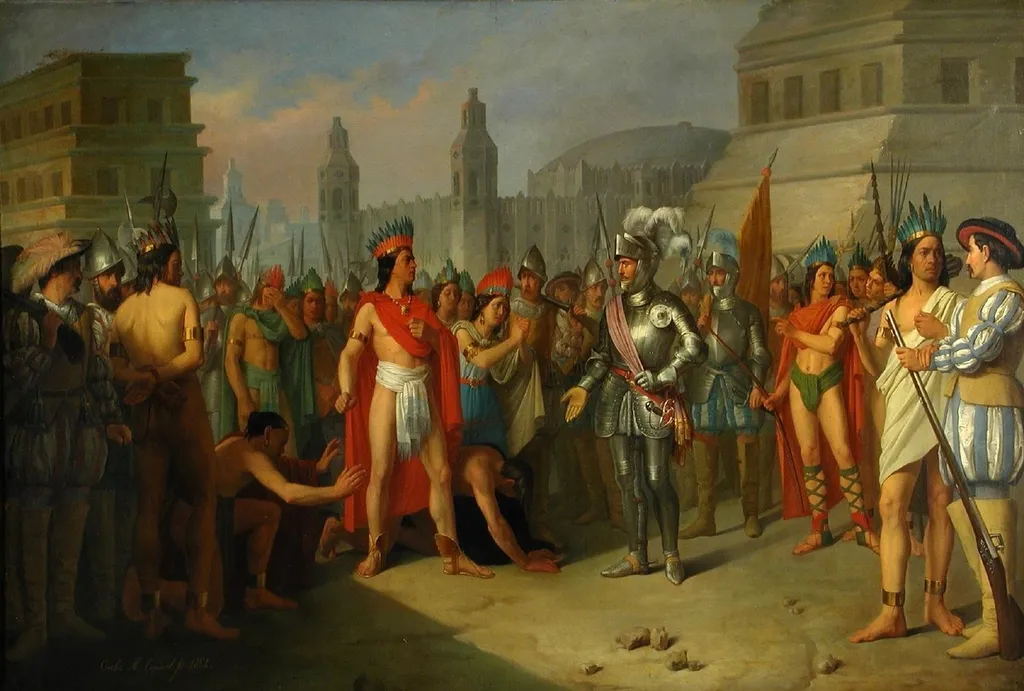
Prisión de Guatimocín último emperador de los mejicanos por las tropas de Hernán Cortés y su presentación a este en la plaza de Méjico is an oil painting by Carlos Esquivel y Rivas. It dates from 1854 and is held in the collection of the Museo del Prado.
About this work
Overview
Created in 1854 by Mexican painter Carlos Esquivel y Rivas, this oil on canvas is part of the Prado Museum’s collection. The work portrays a dramatic encounter between two opposing groups, set against a city skyline under a blue, cloud‑dotted sky. Warm reds and cool blues dominate the palette, emphasizing the tension of the scene.
Subject & Meaning
The composition illustrates the capture of the last Aztec emperor, Guatimocín, by Hernán Cortés’s forces and his subsequent presentation in the main square of Mexico‑City. The left side shows Spanish soldiers surrounding a cloaked figure, while the right features a heavily armed conquistador and a spearman, suggesting the transfer of power and the clash of cultures.
Technique & Style
Esquivel y Rivas employs a balanced arrangement of figures, using chiaroscuro to model bodies and create depth. The brushwork is smooth, typical of mid‑nineteenth‑century academic painting, while the juxtaposition of warm and cool tones adds atmospheric contrast. Details such as helmets, armor, and the cityscape are rendered with a precise, almost documentary quality.
History & Provenance
After its completion, the painting entered the Spanish royal collection before being transferred to the Museo del Prado, where it remains on display. Its acquisition reflects 19th‑century European interest in New World subjects and the growing recognition of Mexican historical narratives within European institutions.
Context
The work belongs to a period when Mexican artists often depicted scenes from the Conquest to explore national identity. Esquivel y Rivas, trained in the academic tradition, combined European techniques with local historical themes, contributing to a visual discourse that linked Mexico’s past with contemporary artistic trends.
Artist & collection

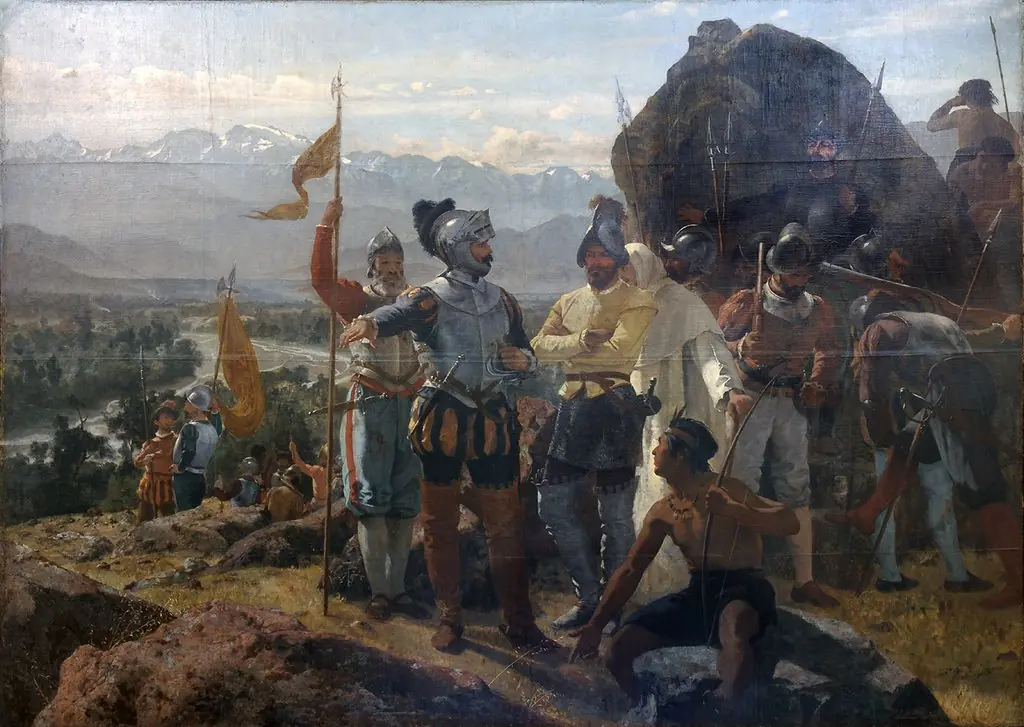 La fundación de Santiago
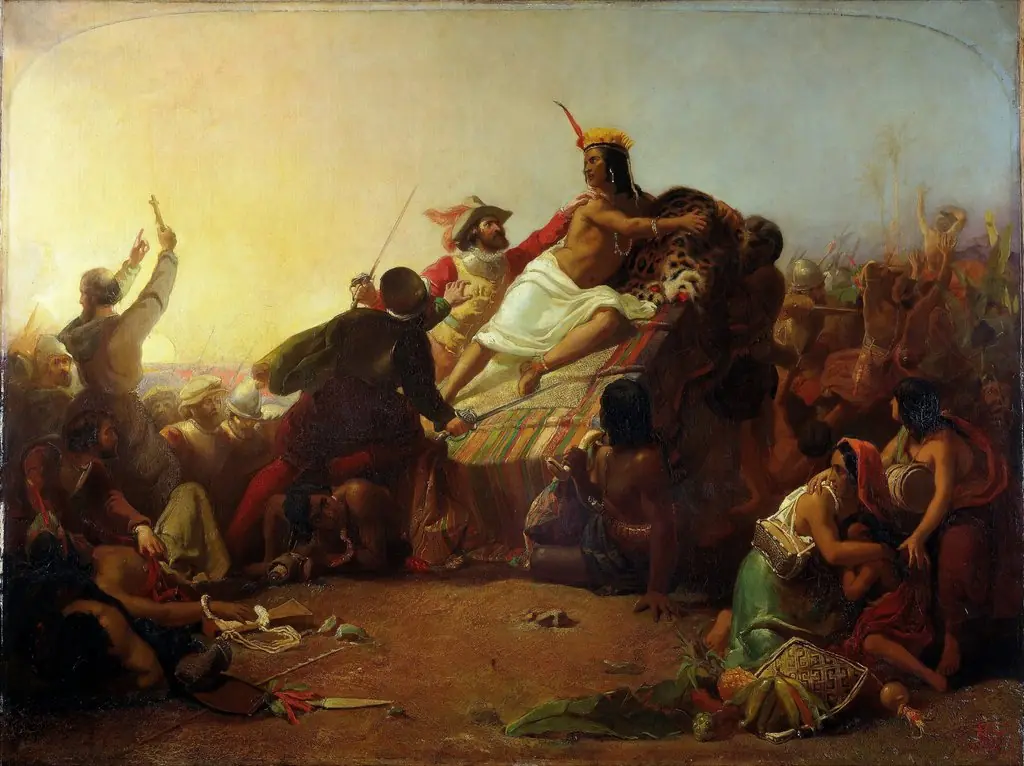 Pizarro Seizing the Inca of Peru
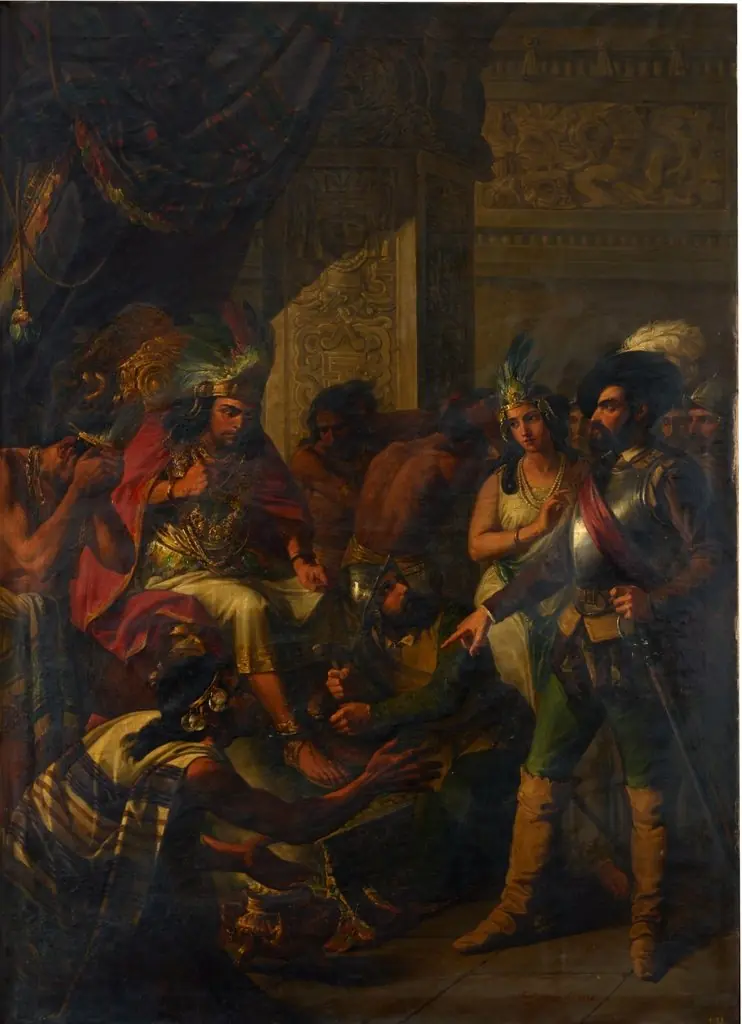 Hernán Cortés el célebre conquistador de Méjico entra con la intérprete doña Marina y tres o cuatro de sus capitanes en el aposento de Moctezuma y con imperio y resolución le manda poner unos grillos
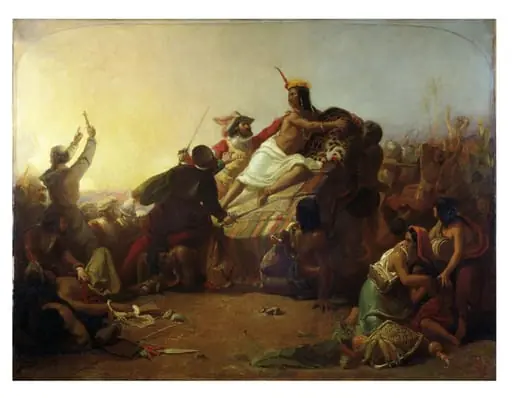 Pizarro Seizing the Inca of Peru
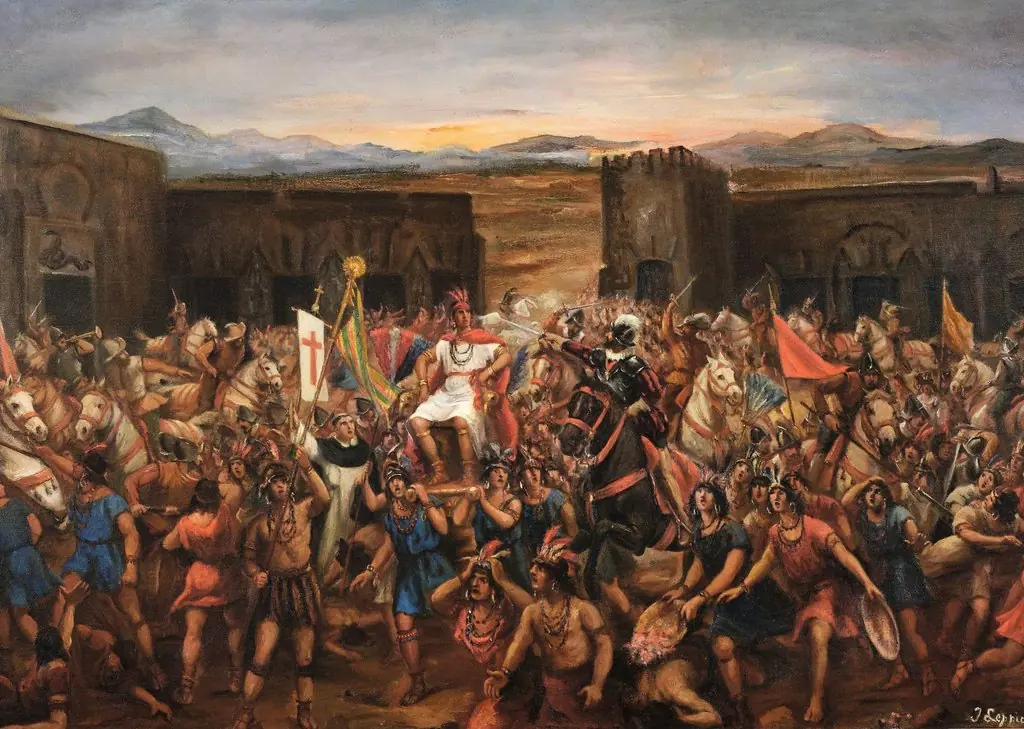 La captura de Atahualpa
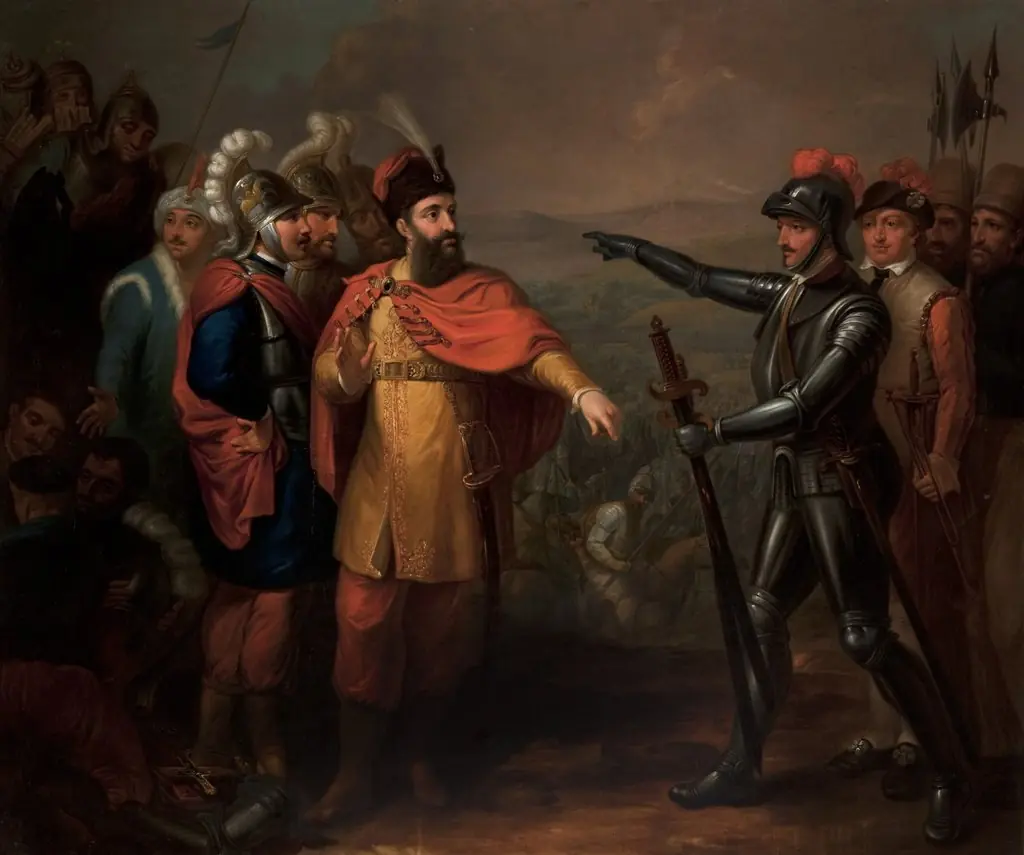 King Jagiełło and the Teutonic Knights
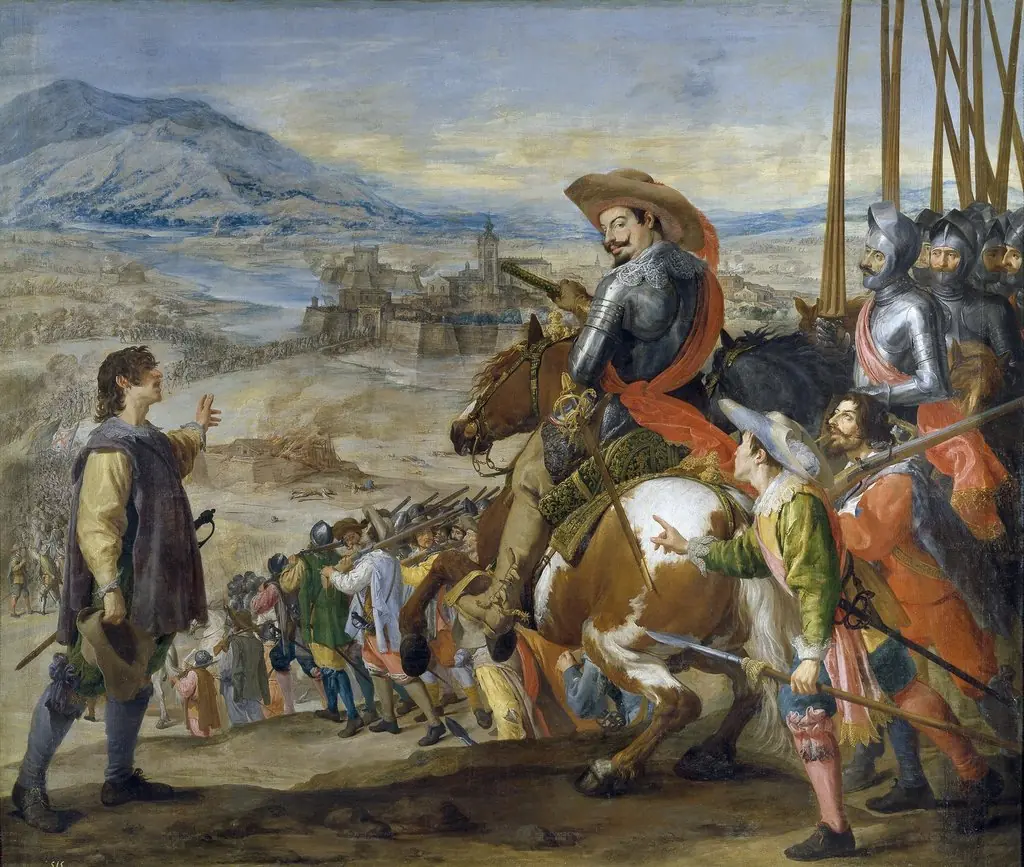 The Liberation of Brisach
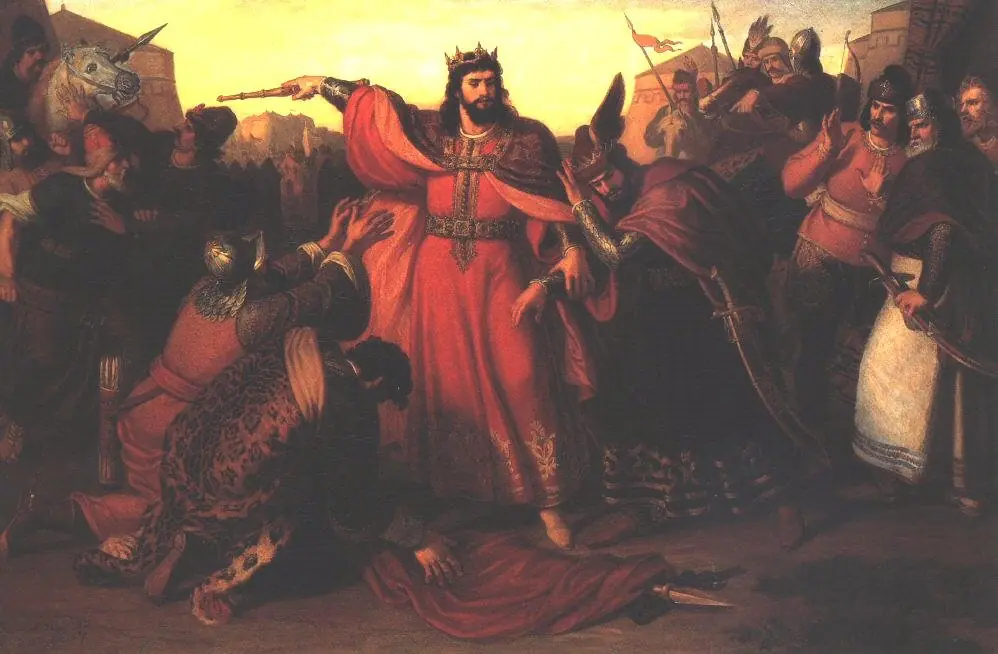 King Imre Captures his Factional Brother, Endre
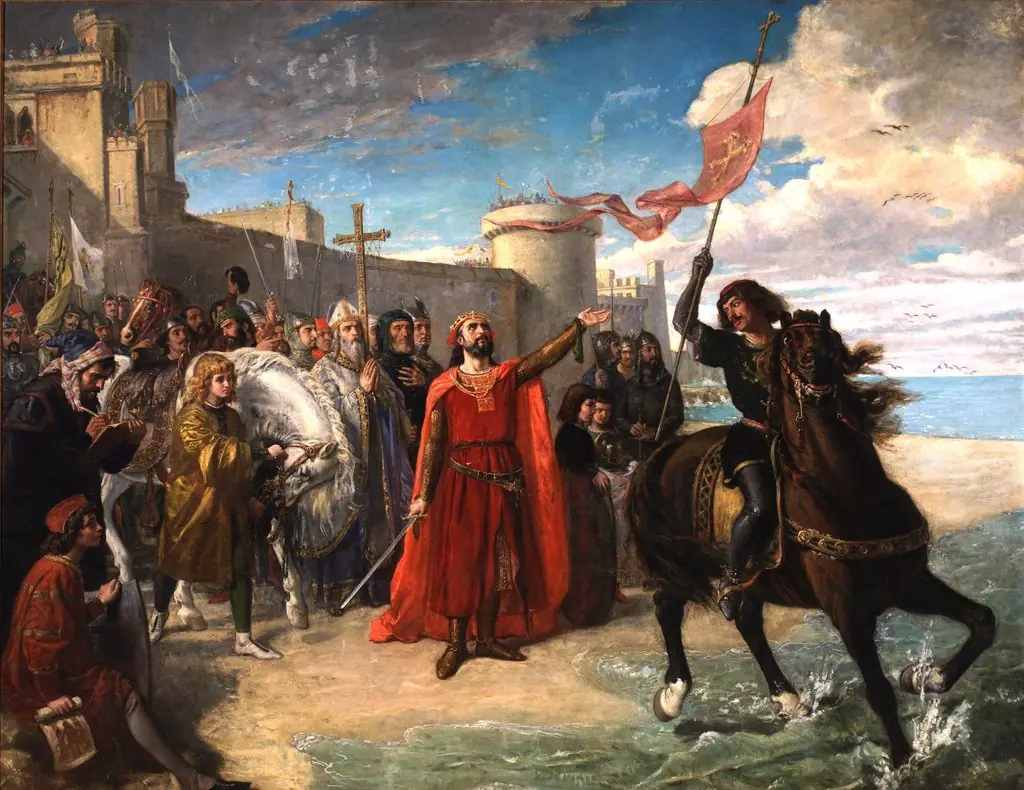 Don Alfonso el Sabio después de haber ganado a los moros la plaza de Cádiz primera plaza marítima que poseyeron los reyes de Castilla tomó posesión del mar para abrir a los cristianos el camino que había de conducirles al África
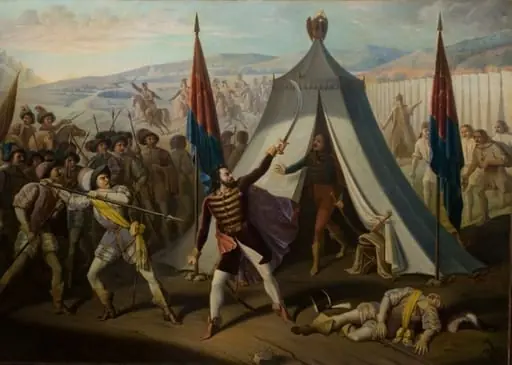 Uciderea lui Mihai Viteazul
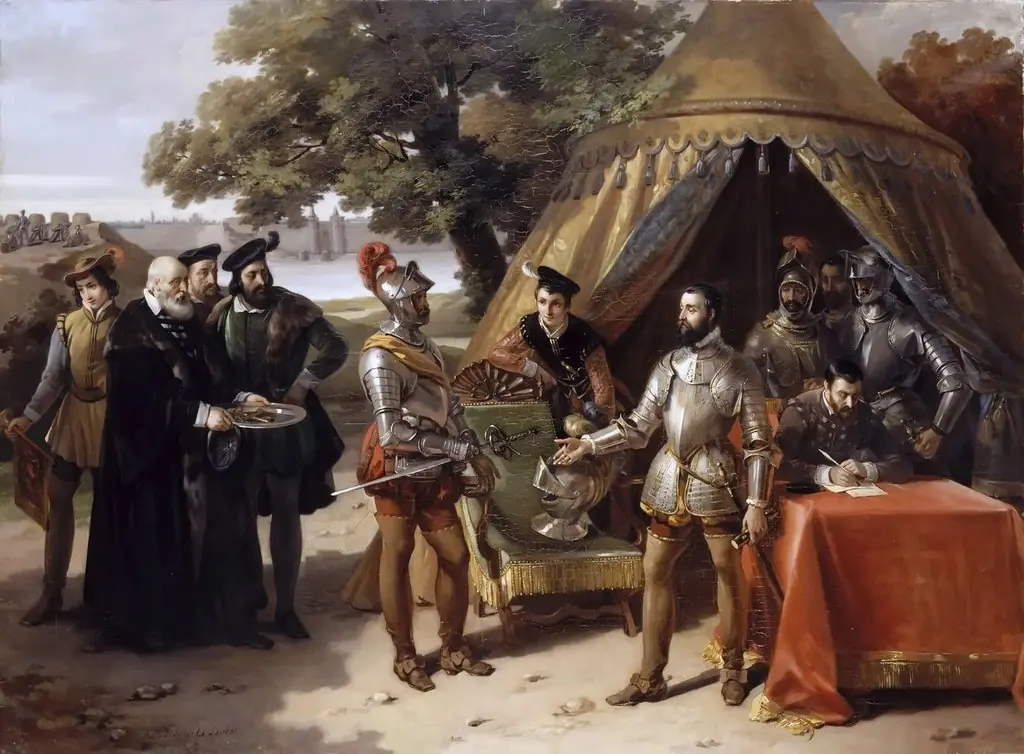 The Siege of Thionville, 23 June 1558
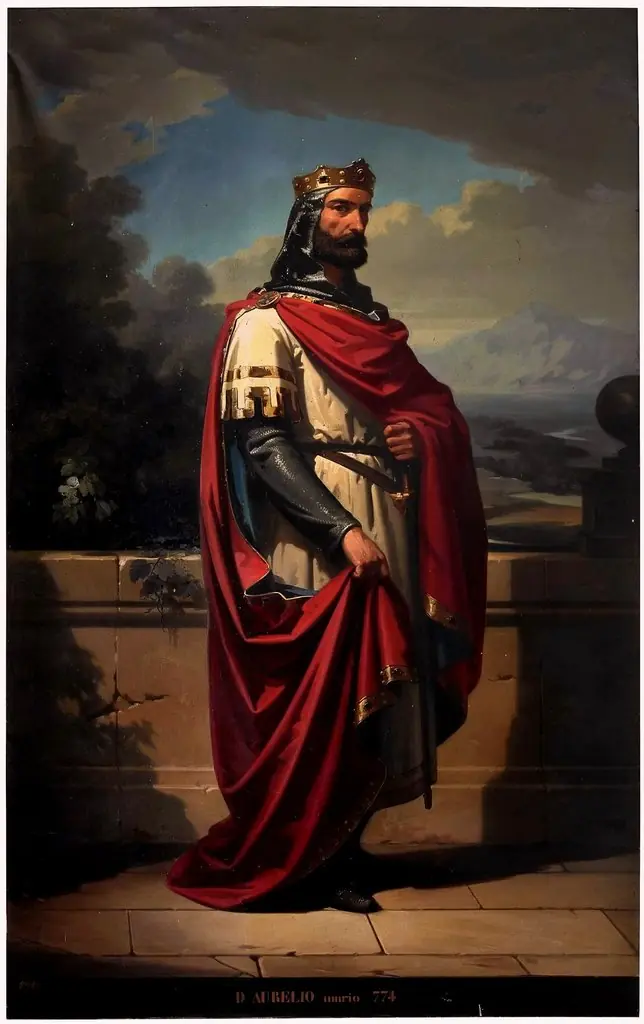 Aurelio