Artwork
Fernando III El Santo
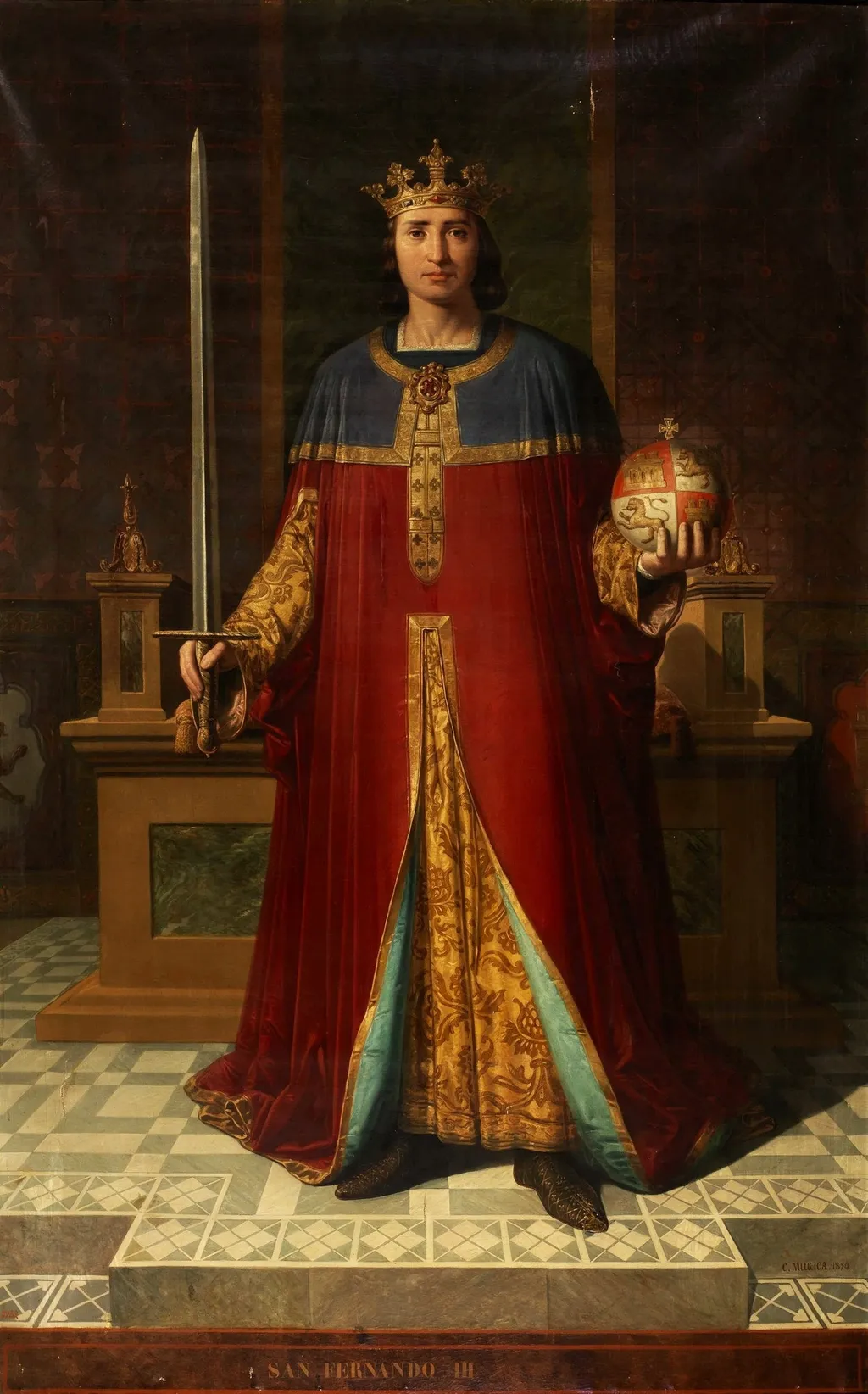
Fernando III El Santo is an oil painting by Carlos Múgica y Pérez. It dates from 1850 and is held in the collection of the Museo del Prado.
About this work
Overview
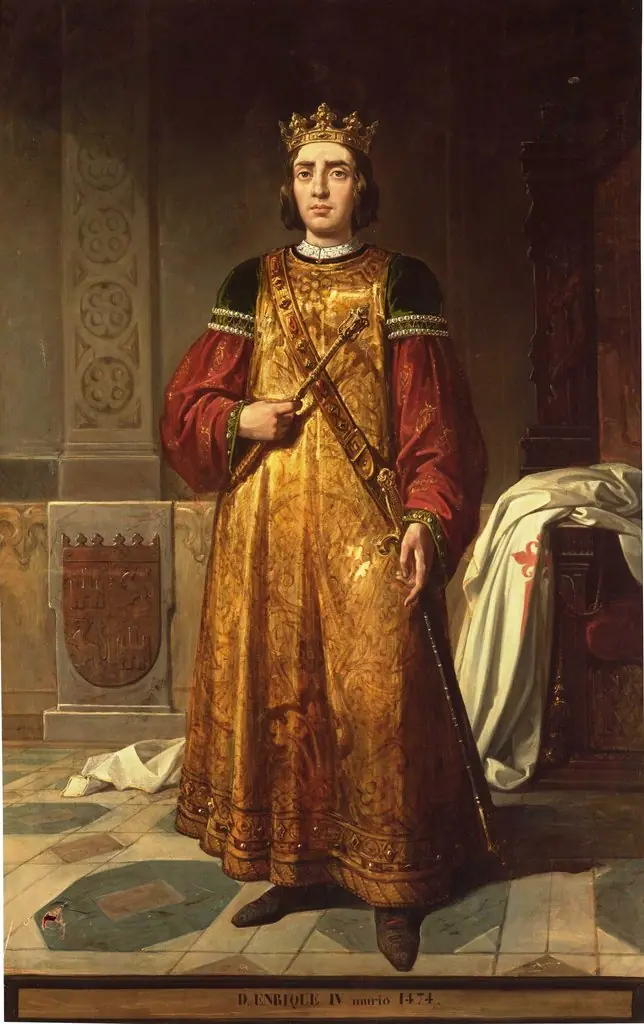
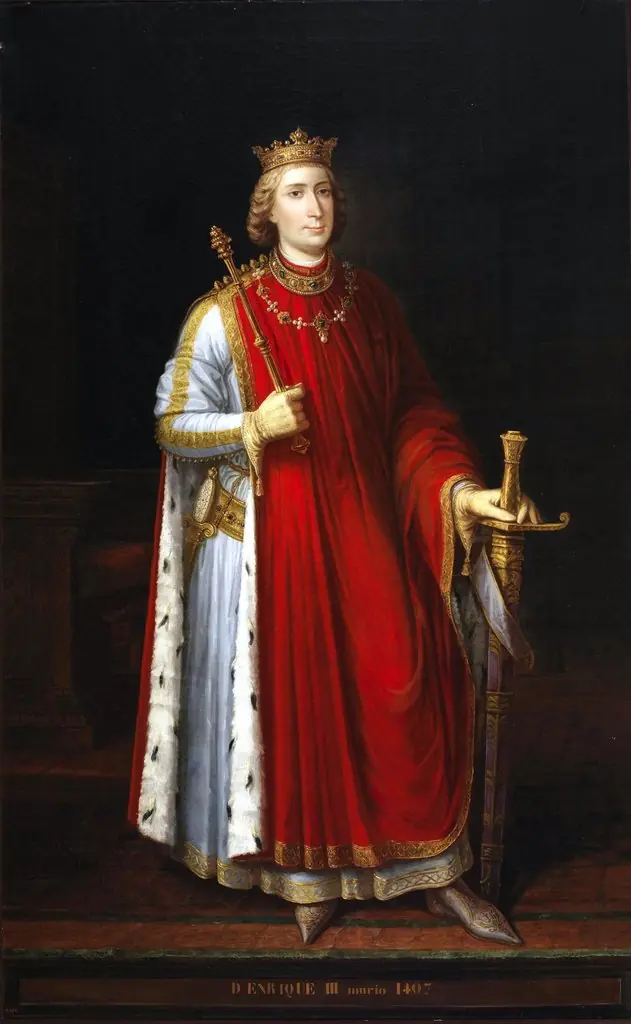
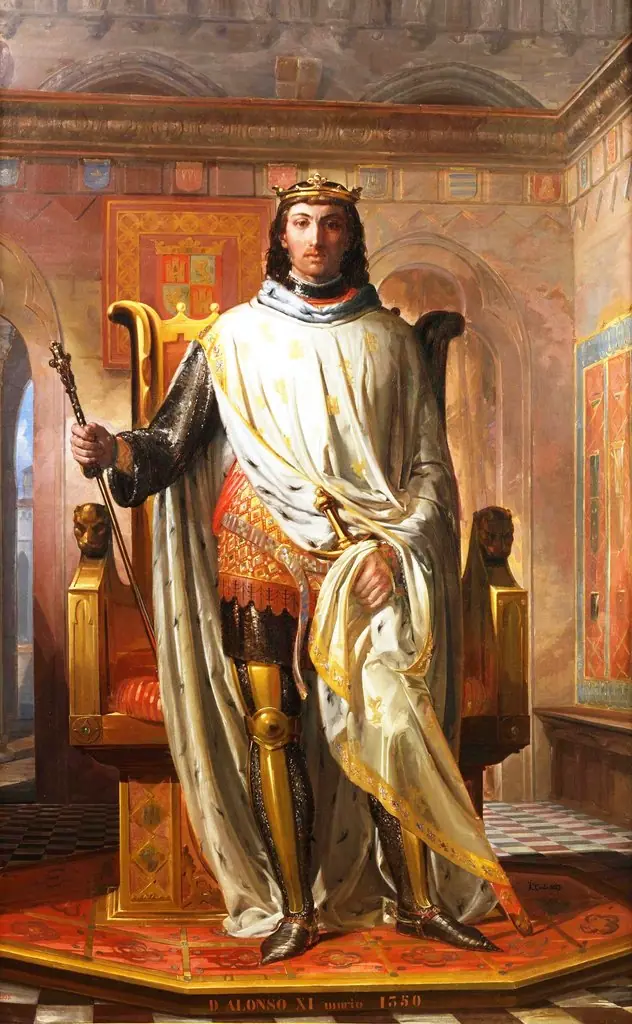
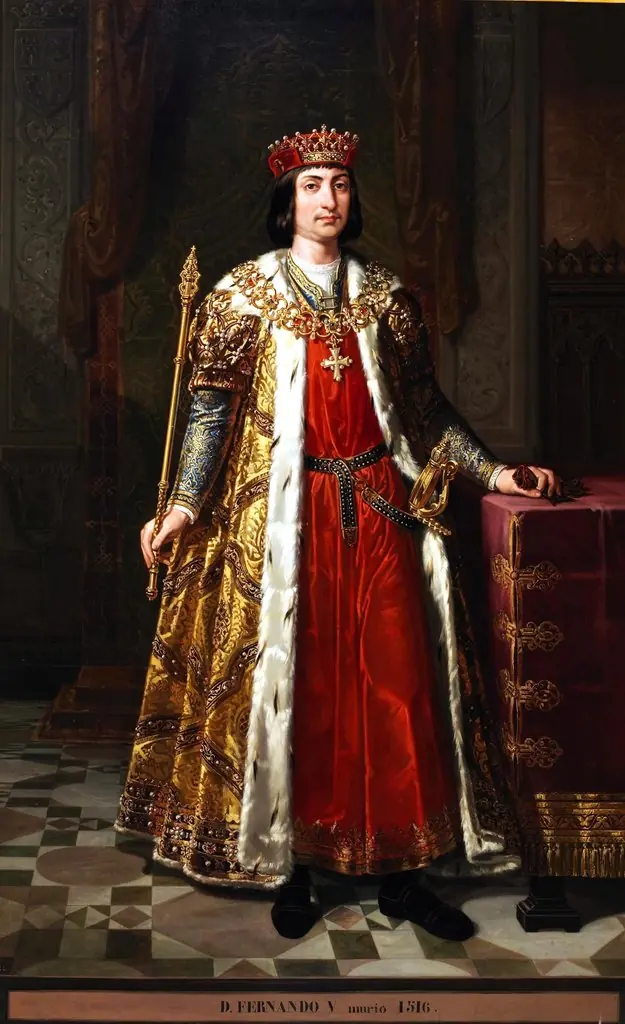
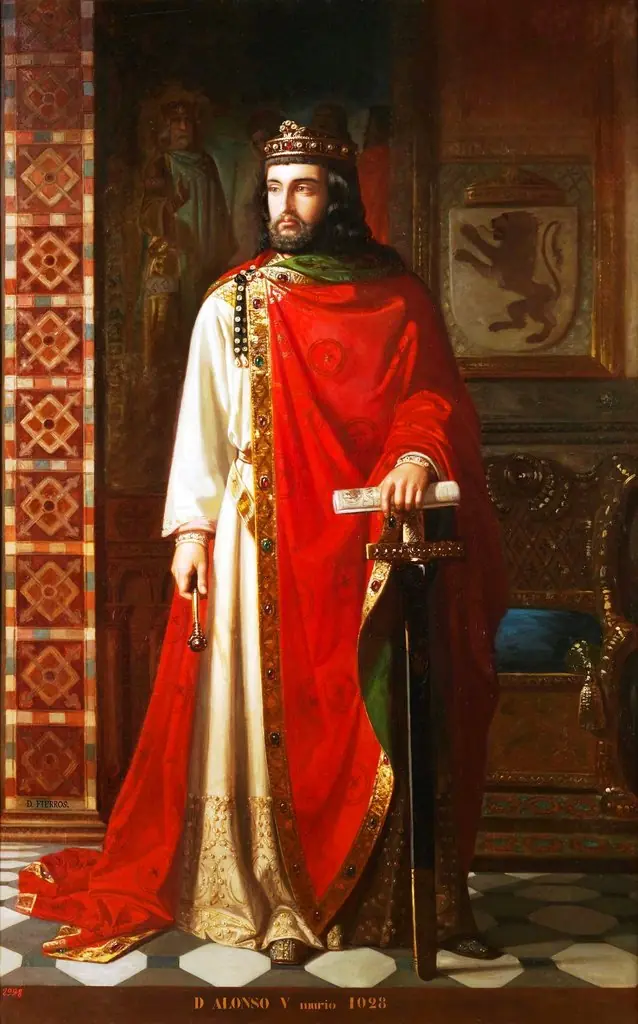
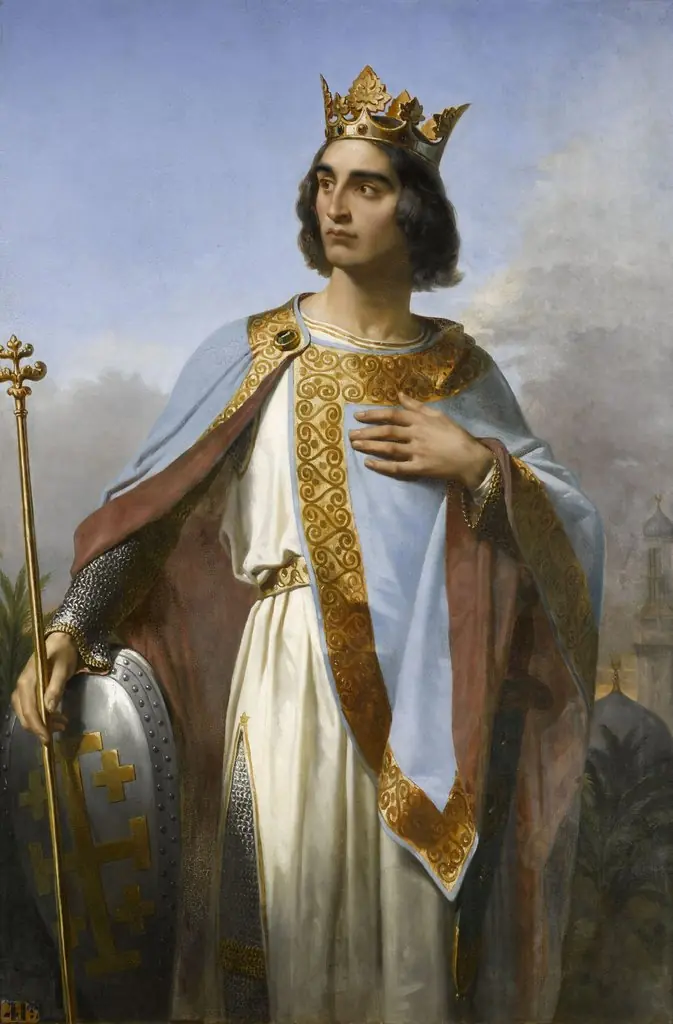
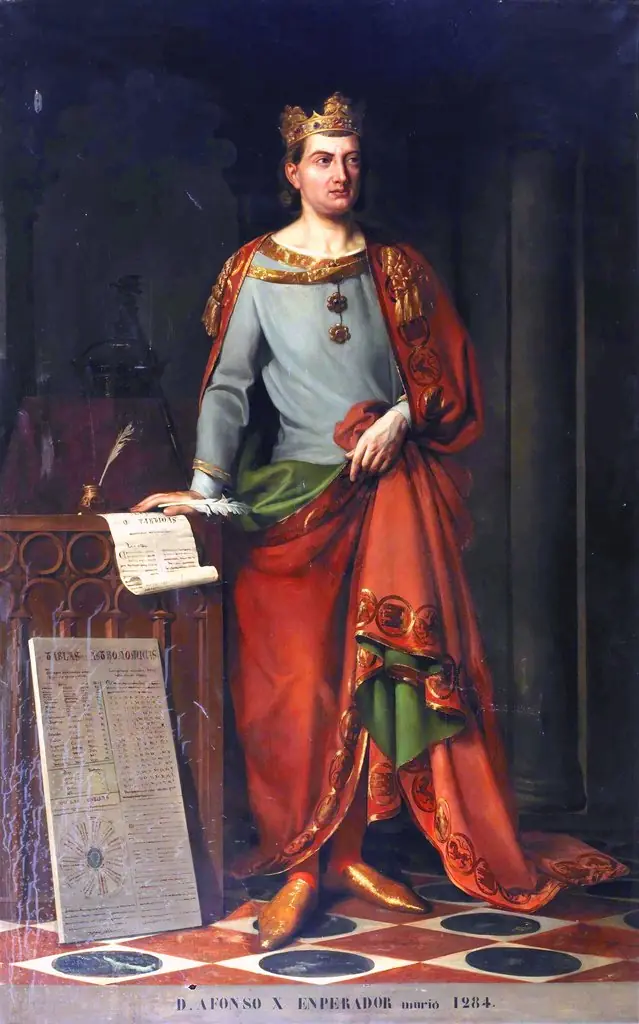
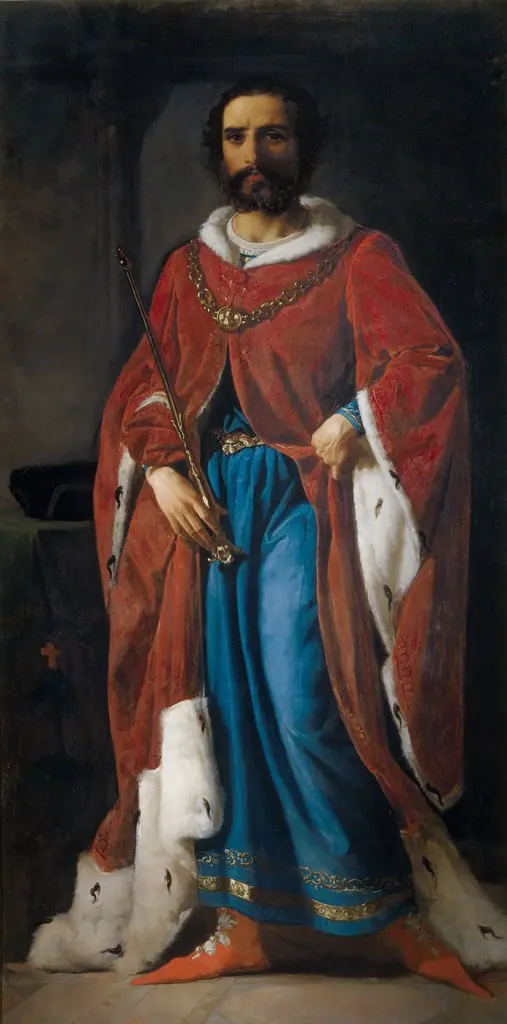
This oil painting, created circa 1850 by Carlos Múgica y Pérez, portrays a regal figure adorned with symbols of sovereignty. The work is part of the collection at the Museo del Prado.
Subject & Meaning
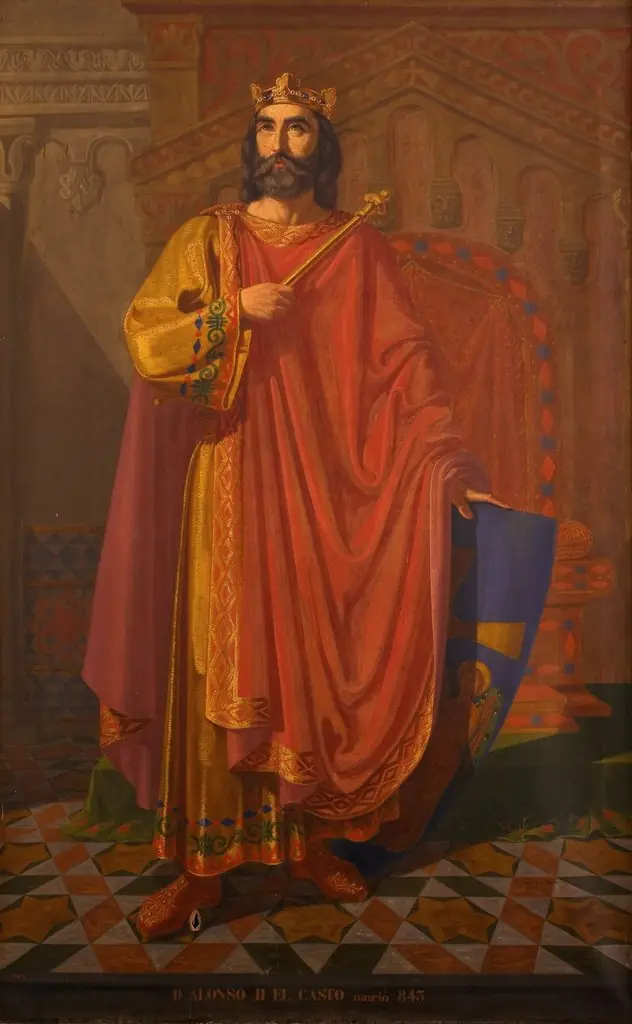
The subject, likely Fernando III El Santo, is depicted in attire emblematic of kingship: a red robe with gold trim, a blue cape, and a tall, detailed crown. He holds a sword and an orb adorned with a cross and coat of arms, conveying themes of power, authority, and possibly religious allegiance.
Technique & Style
The painting features a contrast of vibrant, golden accents against a somber, dark interior backdrop, suggesting a church or palace. The level of detail, particularly in the crown and orb, highlights the artist's attention to symbolic elements.
History & Provenance
Created in the mid-19th century, the painting's history prior to its acquisition by the Museo del Prado is not detailed here. Its presence in the museum's collection indicates its recognition as a work of historical and artistic value.
Context
The work reflects the 19th-century interest in historical and religious figures, with the choice of Fernando III possibly tying into national or religious revival themes of the time.
Legacy
As part of the Museo del Prado's holdings, the painting contributes to the institution's collection of royal portraits, offering insight into the representation of power and religious symbolism in 19th-century Spanish art.
Own this work as a print
Artist & collection
Artist
Carlos Múgica y Pérez (1821–1892) was an artist, born in Villanueva de Cameros.