Artwork
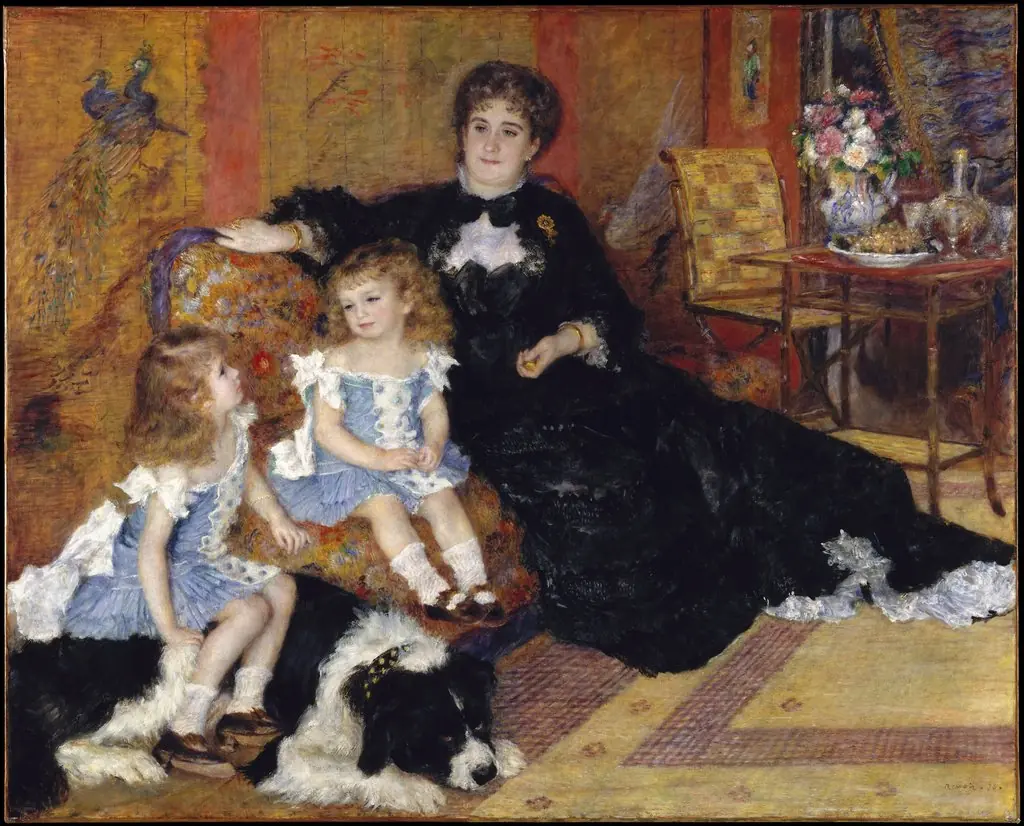
Mother and Children (Madame Feydeau and Her Children)
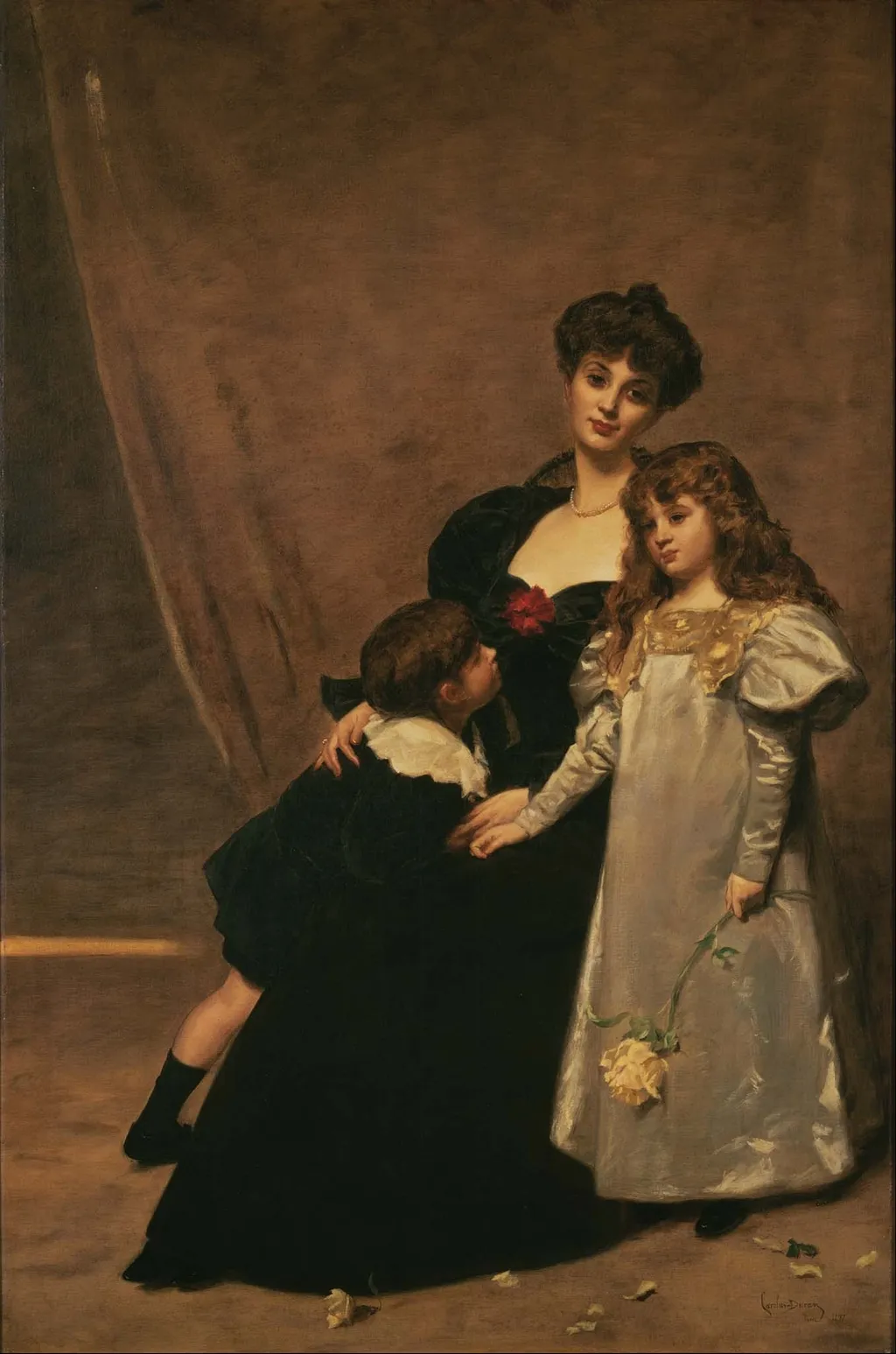
Mother and Children (Madame Feydeau and Her Children) is an oil painting by the Impressionist artist Carolus-Duran. It dates from 1899 and is held in the collection of the National Museum of Western Art.
About this work
Overview
Painted in 1899 by Carolus-Duran, this oil work portrays Madame Feydeau with her two children in a quiet domestic moment. The painting resides in the National Museum of Western Art, where it exemplifies the artist’s shift toward intimate portraiture in his later career. Unlike his formal society portraits, this piece emphasizes emotional closeness over social display.
Subject & Meaning
The composition centers on a mother embracing her two children, their bodies angled toward one another in a natural, unposed grouping.
The composition centers on a mother embracing her two children, their bodies angled toward one another in a natural, unposed grouping. The mother’s black dress and the child’s red floral pin suggest restrained elegance, while the white-dressed child holds a yellow bloom, introducing a subtle contrast. The gesture of enclosure conveys tenderness without theatricality, reflecting private familial bonds rather than public identity.
Technique & Style
Carolus-Duran employs soft, blended brushwork to render fabric and skin with a tactile warmth. The background, a muted brown with a draped curtain, recedes gently, focusing attention on the figures. Warm tones dominate, enhancing the sense of closeness, while the limited palette avoids distraction. The brushstrokes remain controlled yet fluid, balancing precision with emotional immediacy.
History & Provenance
Commissioned by the Feydeau family, the painting remained in private hands until its acquisition by the National Museum of Western Art in Tokyo. Its journey reflects early 20th-century interest in French academic portraiture among Japanese collectors. The work’s preservation in Japan underscores transnational appreciation for late 19th-century European realism.
Context
Created near the end of Carolus-Duran’s career, this painting diverges from his earlier, more formal portraits of aristocrats. It aligns with broader trends in fin-de-siècle art that valued domestic intimacy and psychological nuance. While still rooted in academic tradition, the work hints at the emerging preference for personal, everyday subjects over grand historical or social themes.
Legacy
Though not widely exhibited outside Japan, the painting remains a quiet example of Carolus-Duran’s evolving sensitivity to familial emotion. It stands as a testament to his ability to adapt his technique to quieter, more personal narratives. Its presence in a major Asian institution highlights the global reach of French academic painting beyond its origins.
Own this work as a print
Artist & collection


 Mother and Child
 Mother and Child
 Mrs. Cazalet and Children Edward and Victor
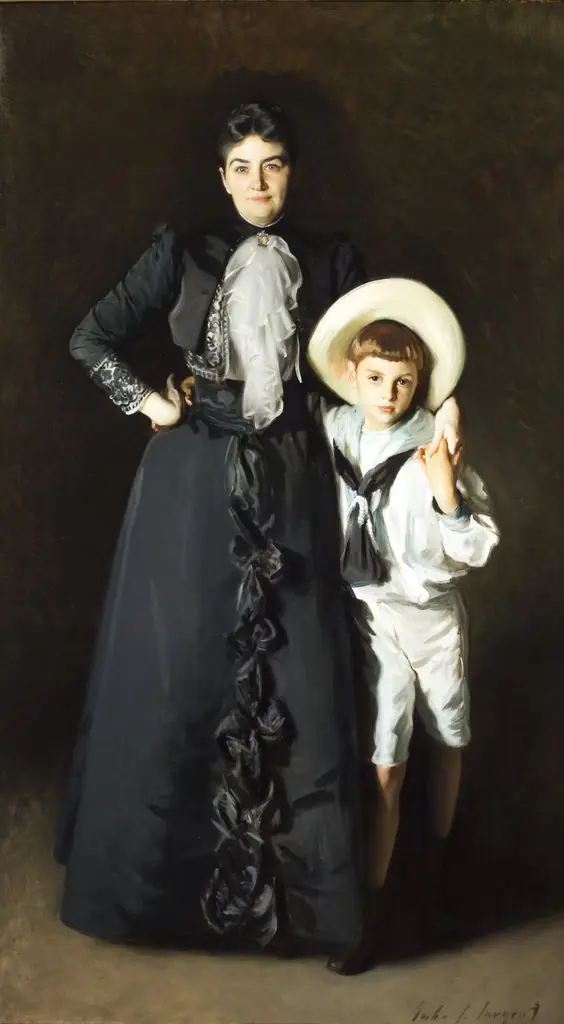 Portrait of Mrs. Edward L. Davis and Her Son, Livingston Davis
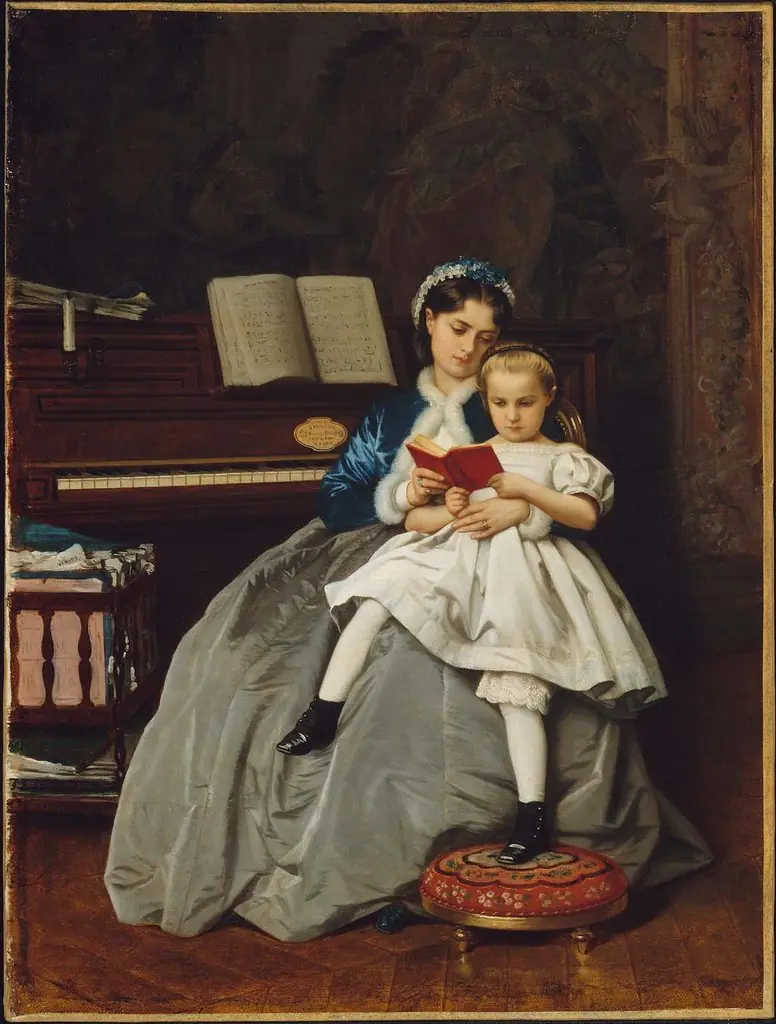 Reading Lesson
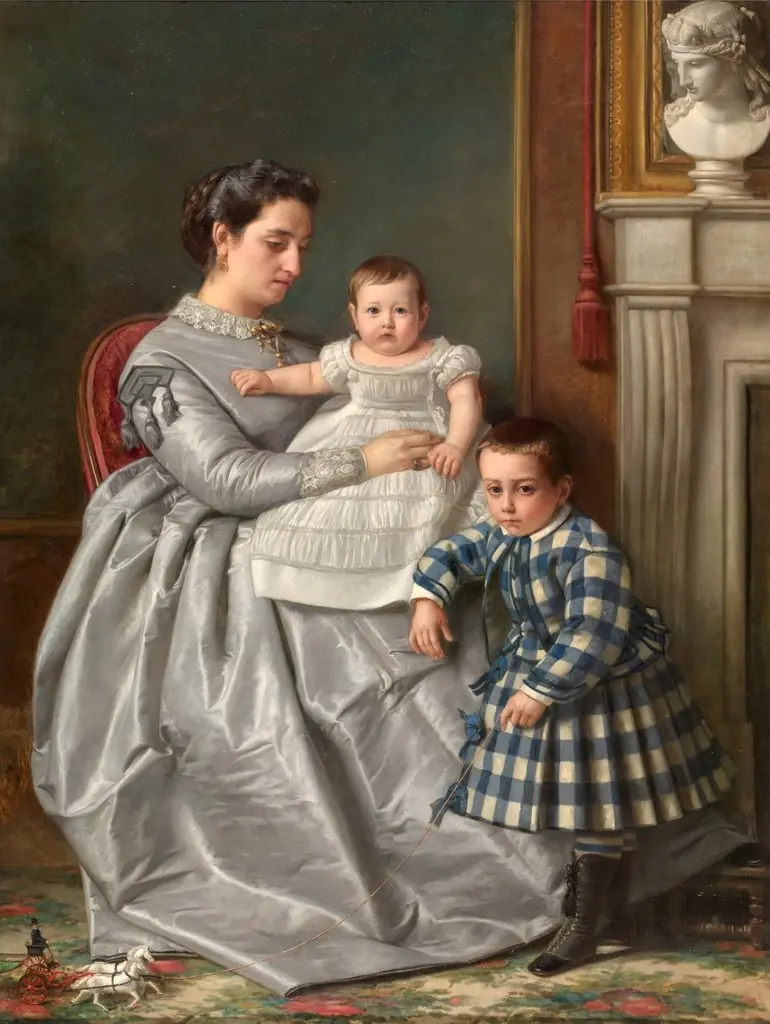 La esposa e hijos del pintor
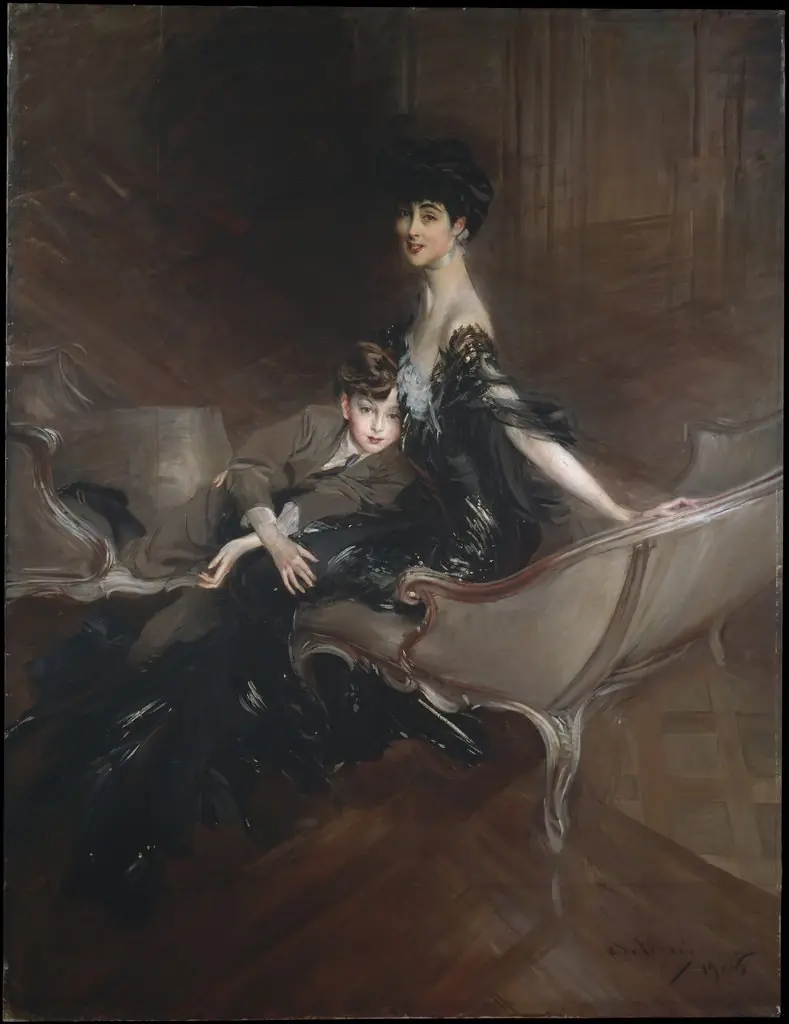 Consuelo Vanderbilt (1876–1964), Duchess of Marlborough, and Her Son, Lord Ivor Spencer-Churchill (1898–1956)
 A Genoese Noblewoman and Her Son
 The Dream after the Ball
 Portrait of A.V.Balashova (Born Gendrikova) with Her Daughter
 Portrait of Mrs Chadwyck-Healey and her Daughter
 Madame Georges Charpentier and her Children