Artwork
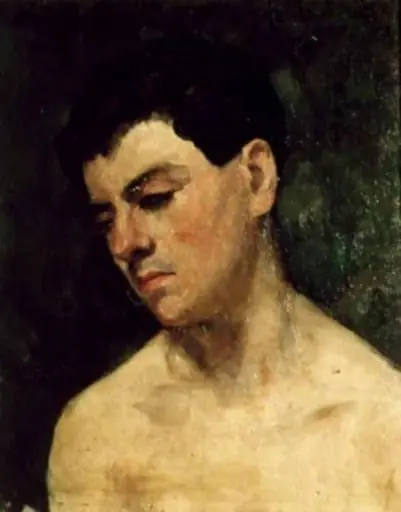
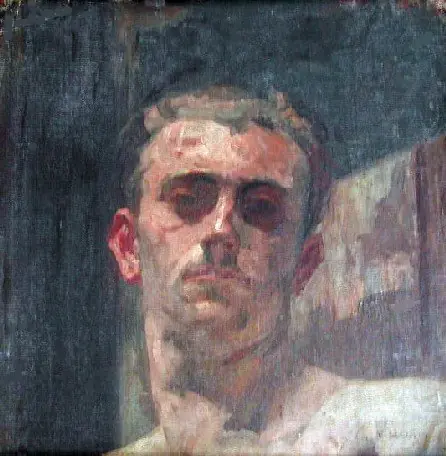
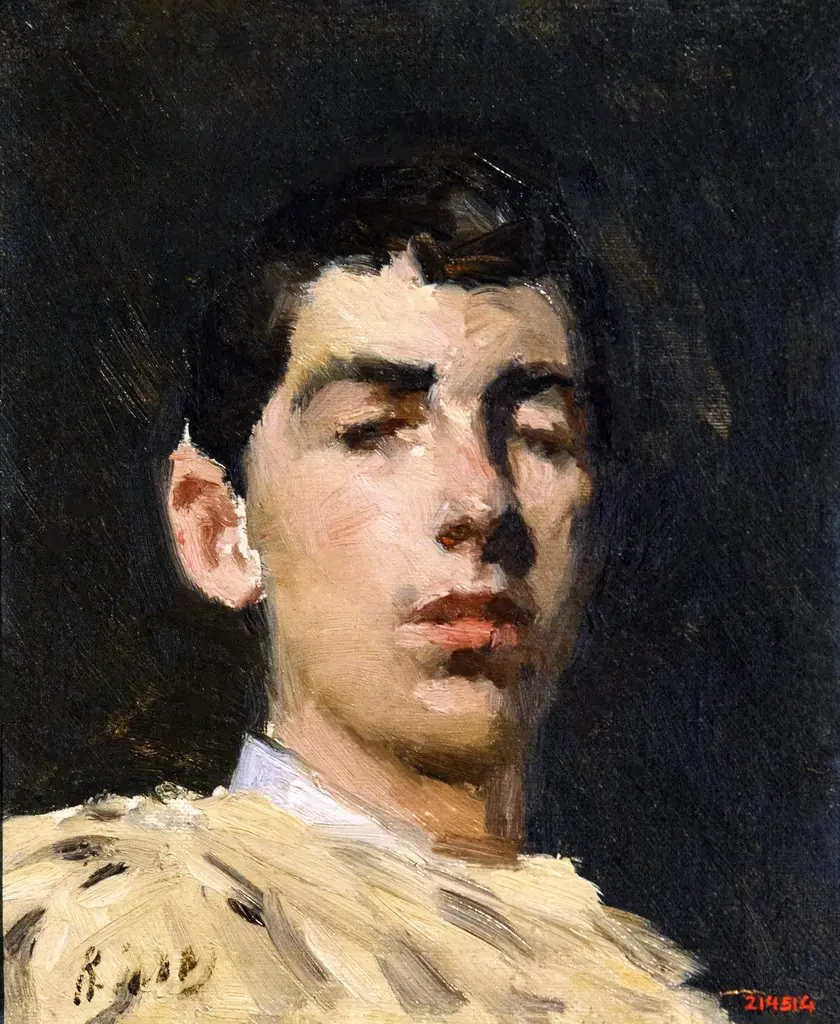
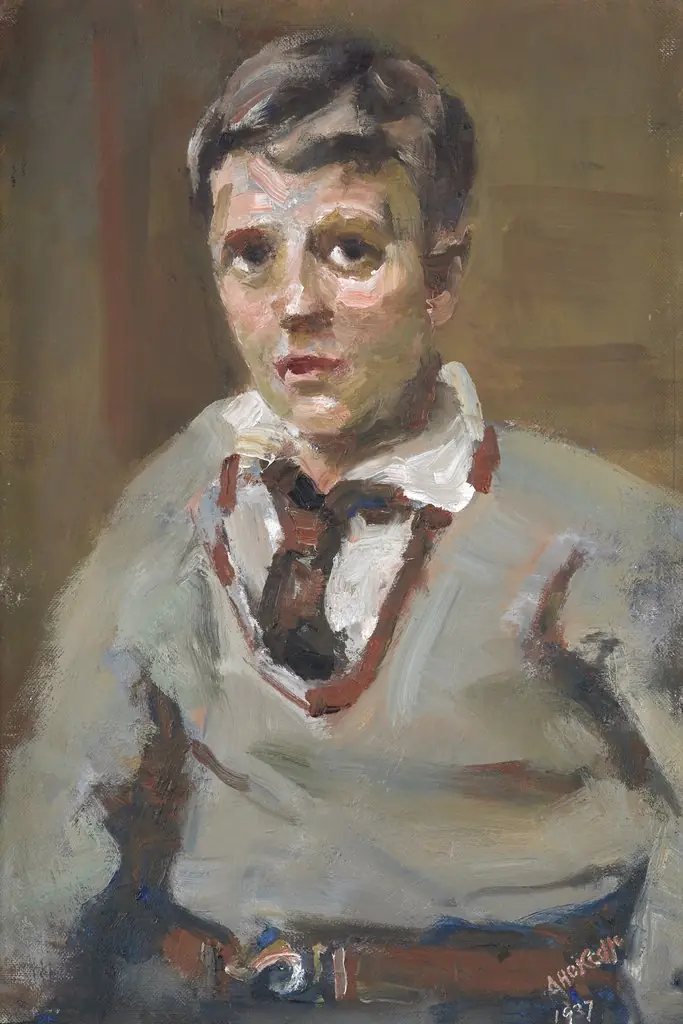
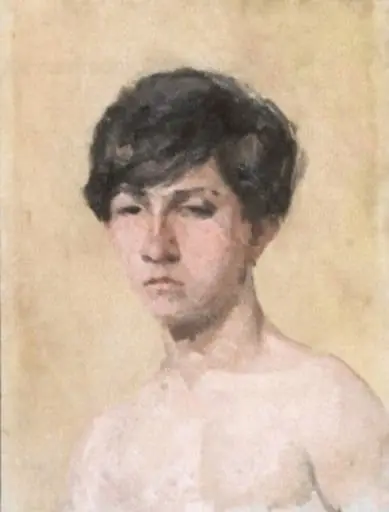
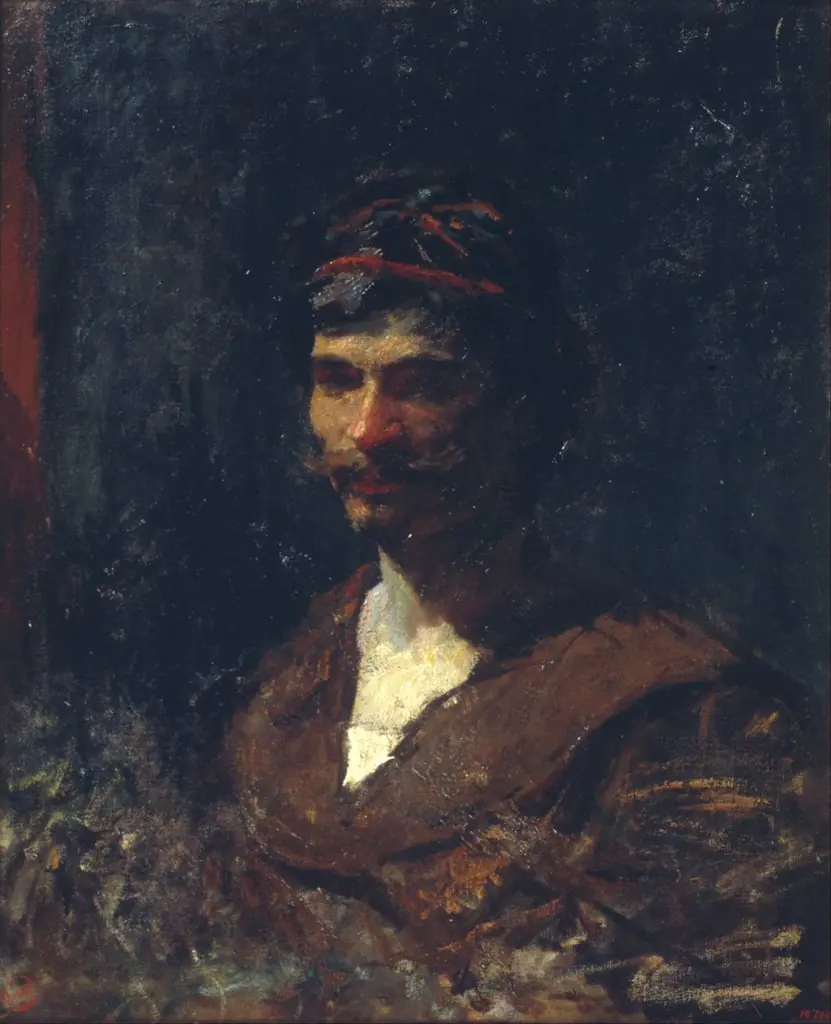
Study of a male head
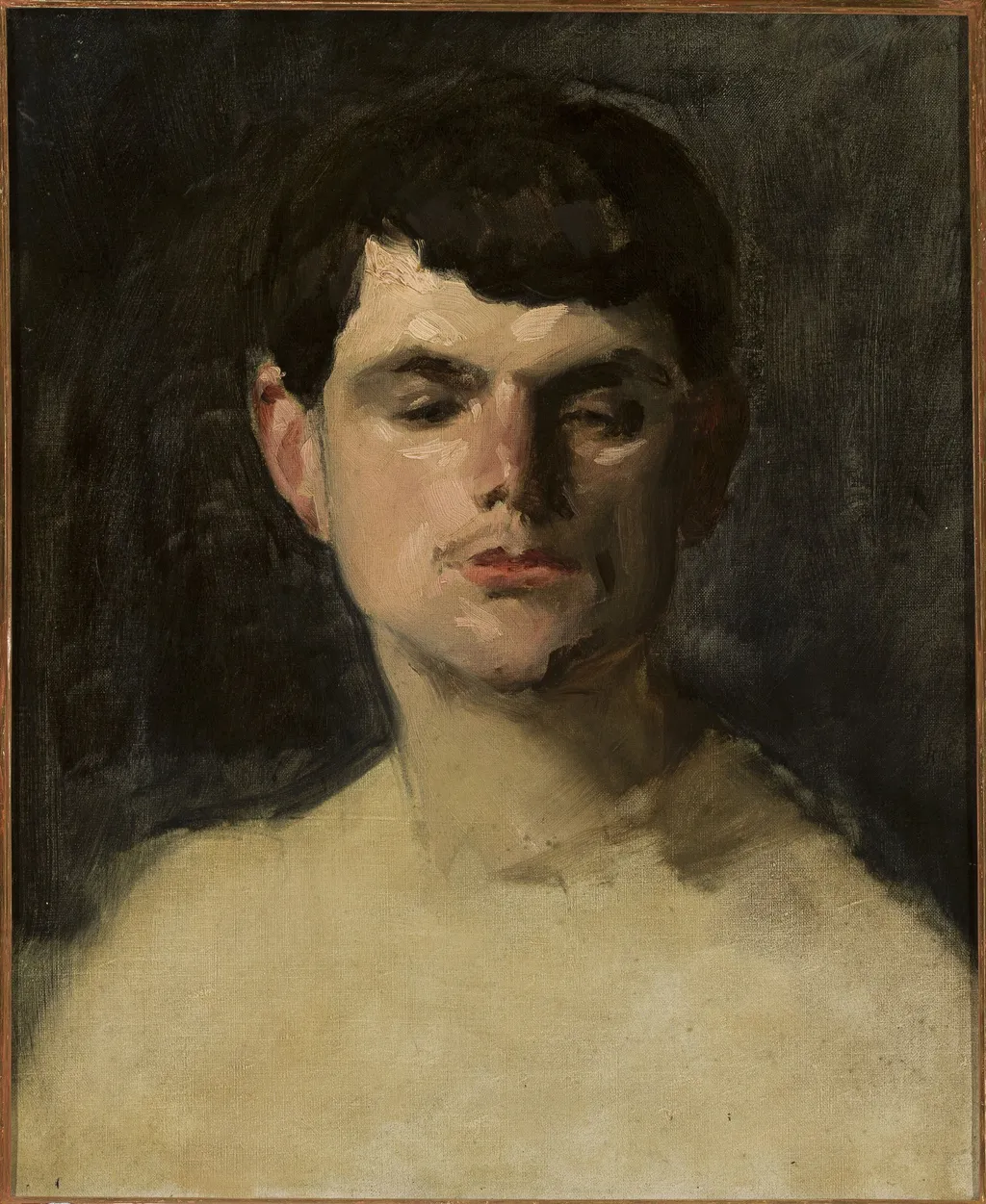
Study of a male head is an oil painting by the Impressionist artist Carolus-Duran. It dates from 1893 and is held in the collection of the National Museum in Warsaw.
About this work
Overview
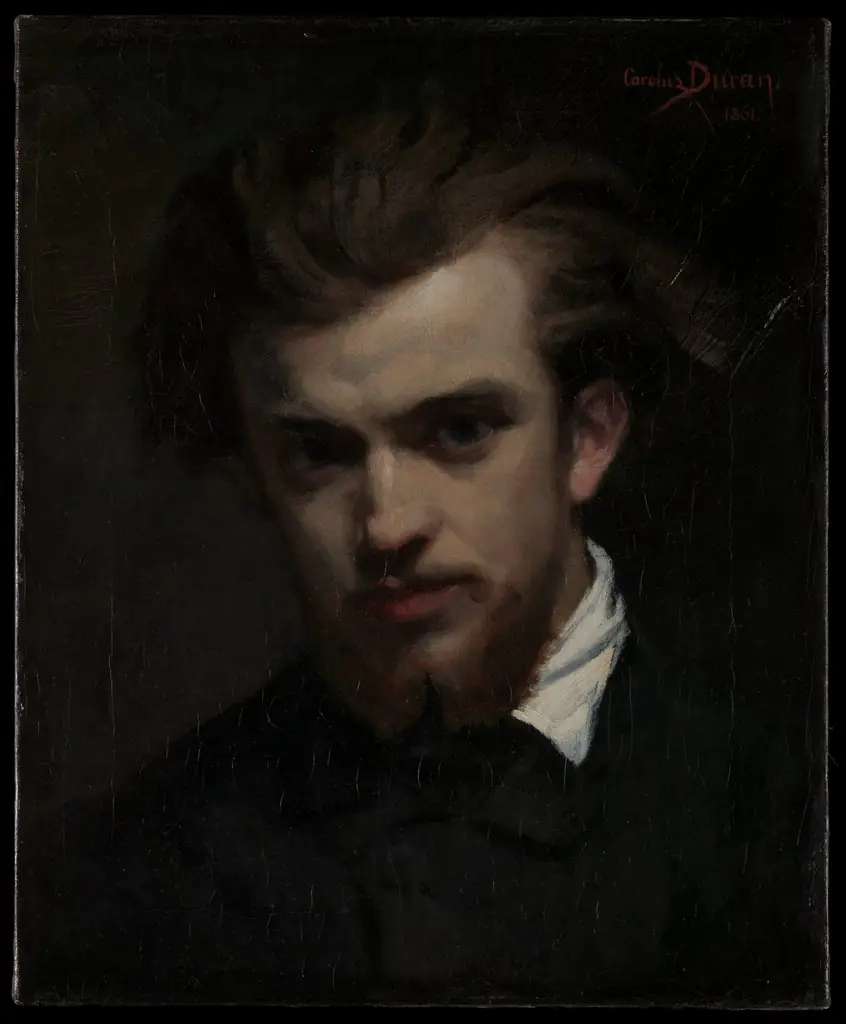
This oil painting, dated 1893, is a portrait study by Carolus-Duran, focusing on the upper torso and head of an adult male. Executed with restrained composition, it emphasizes anatomical presence over narrative. The work resides in the National Museum in Warsaw, where it is cataloged as part of the artist’s preparatory exercises in figure representation.
Subject & Meaning
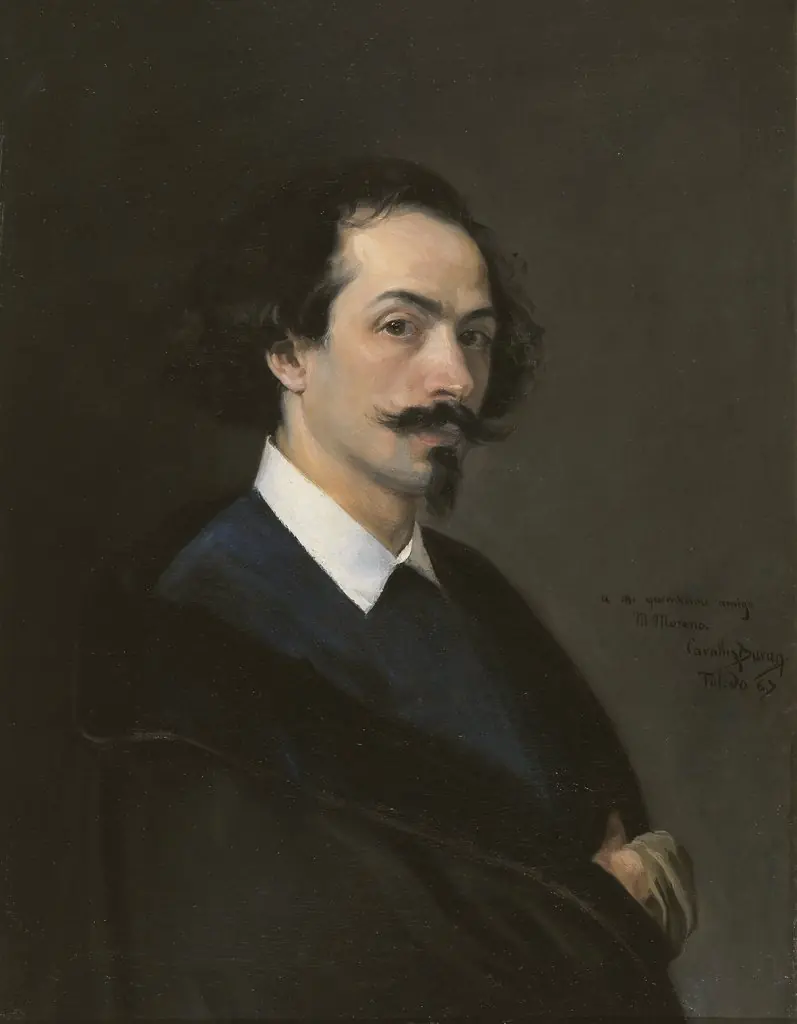
The subject is an anonymous man, rendered without identifying attributes or symbolic context. His slightly turned head and calm expression suggest a moment of quiet observation rather than emotional expression. The lack of costume or setting implies this was not a commissioned portrait but a study of form, light, and human presence.
Technique & Style
Carolus-Duran employed thick, deliberate brushwork to model the contours of the face and hair, using oil paint to capture subtle shifts in skin tone and texture. The dark, unmodeled background isolates the figure, enhancing the three-dimensionality of the form. His handling of light reflects a refined understanding of chiaroscuro, grounding the subject in tangible space.
History & Provenance
The painting entered the collection of the National Museum in Warsaw in the early 20th century, likely through acquisition or donation. Its origin as a studio study rather than a public commission makes its early ownership unclear, but its preservation suggests recognition of its technical merit within academic circles.
Context
Created during the later phase of Carolus-Duran’s career, this work aligns with his role as a teacher at the École des Beaux-Arts, where observational studies were central to training. It reflects the 19th-century academic emphasis on direct observation of the human form, prioritizing structural accuracy over idealization.
Legacy
Though not widely exhibited, the painting remains a quiet example of Carolus-Duran’s commitment to direct painting from life. It contributes to understanding his pedagogical approach and the broader tradition of academic portraiture that valued technical precision over theatricality.
Artist & collection