Artwork
Portrait of Emily Warren Roebling
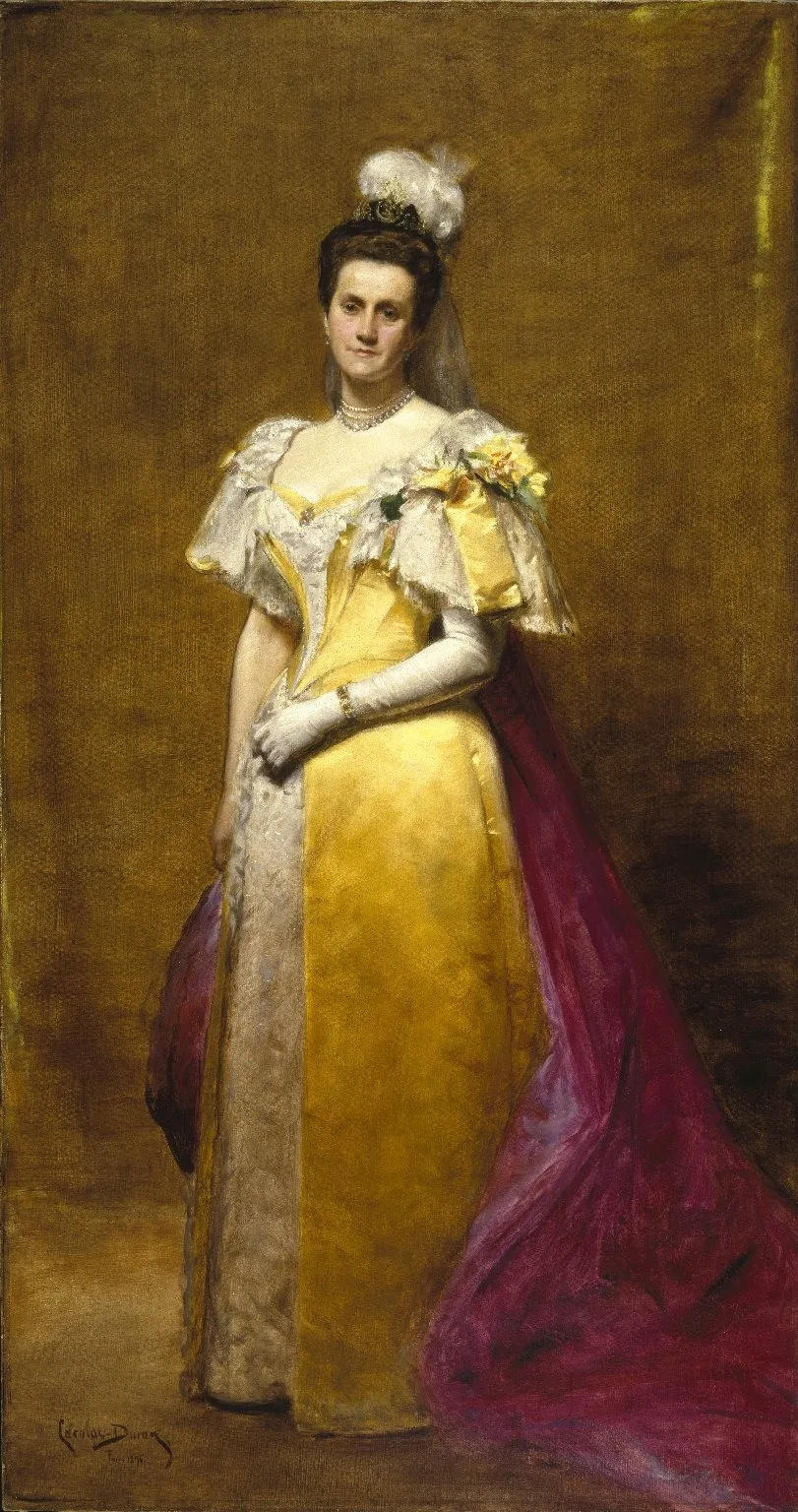
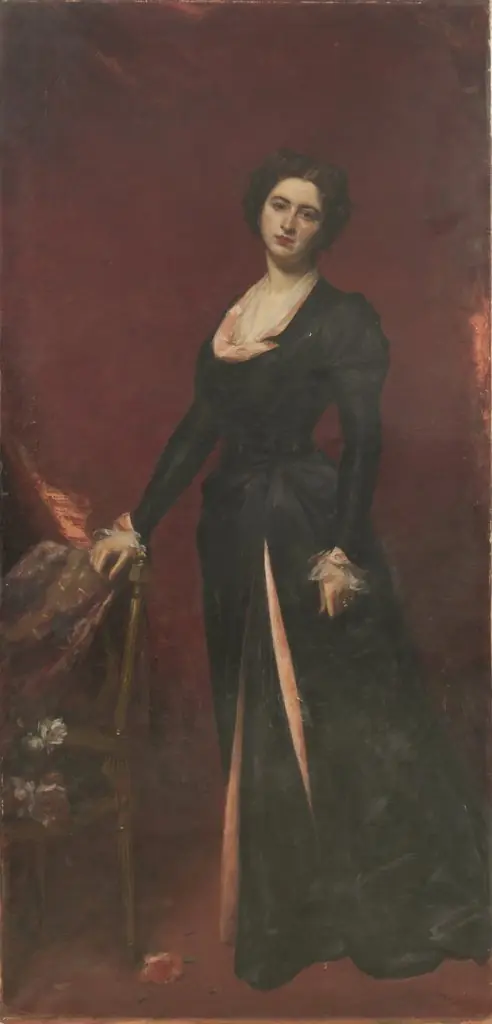
Portrait of Emily Warren Roebling is an oil painting by the Impressionist artist Carolus-Duran. It dates from 1898 and is held in the collection of the Brooklyn Museum.
About this work
Overview
Created in 1898, this oil portrait by the French painter Carolus-Duran presents Emily Warren Roebling in full Victorian regalia. The work is part of the Brooklyn Museum’s collection and exemplifies the late‑19th‑century interest in depicting prominent women of the era with a focus on elegance and social standing.
Subject & Meaning
Emily Warren Roebling, known for her role in the construction of the Brooklyn Bridge, is shown in a composed, forward‑facing pose. Her attire—a yellow gown with white lace, a red train, feathered hat, pearl necklace, and gloves—communicates both her personal refinement and the broader expectations of genteel femininity in the period.
Technique & Style
Duran employs a smooth, polished brushwork typical of his academic training, rendering the fabrics with a luminous quality that emphasizes texture. The muted brown backdrop serves to isolate the figure, allowing the bright colors of the dress and accessories to dominate the visual field while maintaining a restrained, realistic atmosphere.
History & Provenance
The portrait was painted shortly after Roebling’s public recognition for her engineering contributions. It entered the Brooklyn Museum’s holdings through acquisition in the early 20th century, where it has remained on view as part of the institution’s representation of American historical figures portrayed by European artists.
Context
At the turn of the century, portraiture often functioned as a record of social achievement. Duran, a celebrated society painter, applied his French academic sensibility to an American subject, bridging transatlantic artistic trends and reflecting the growing visibility of women in public and professional spheres.
Artist & collection


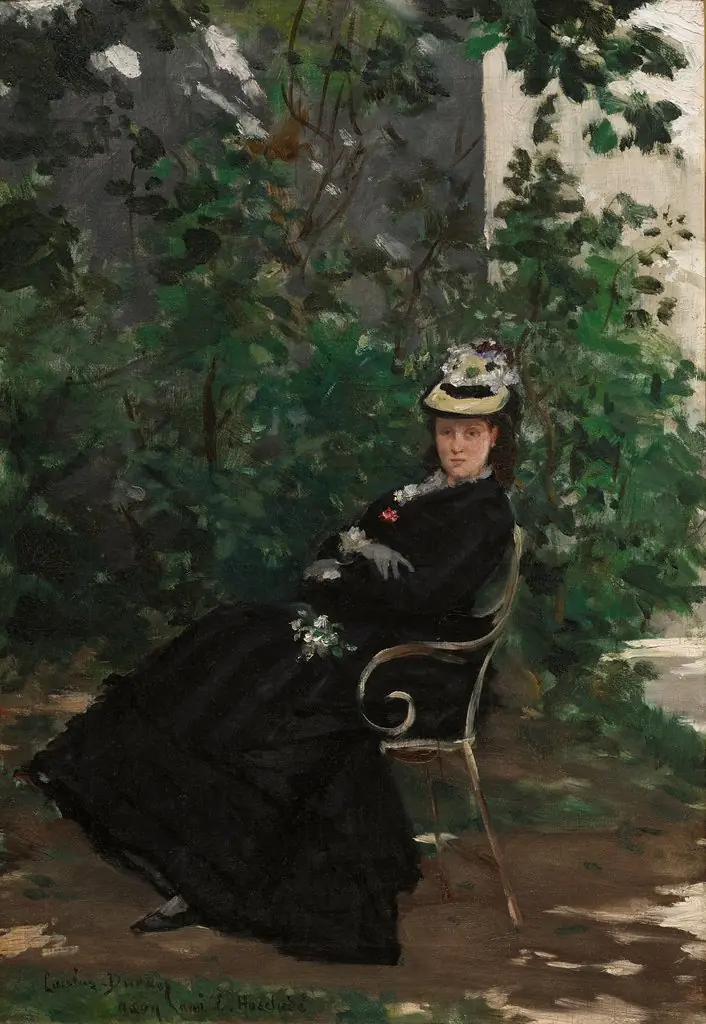
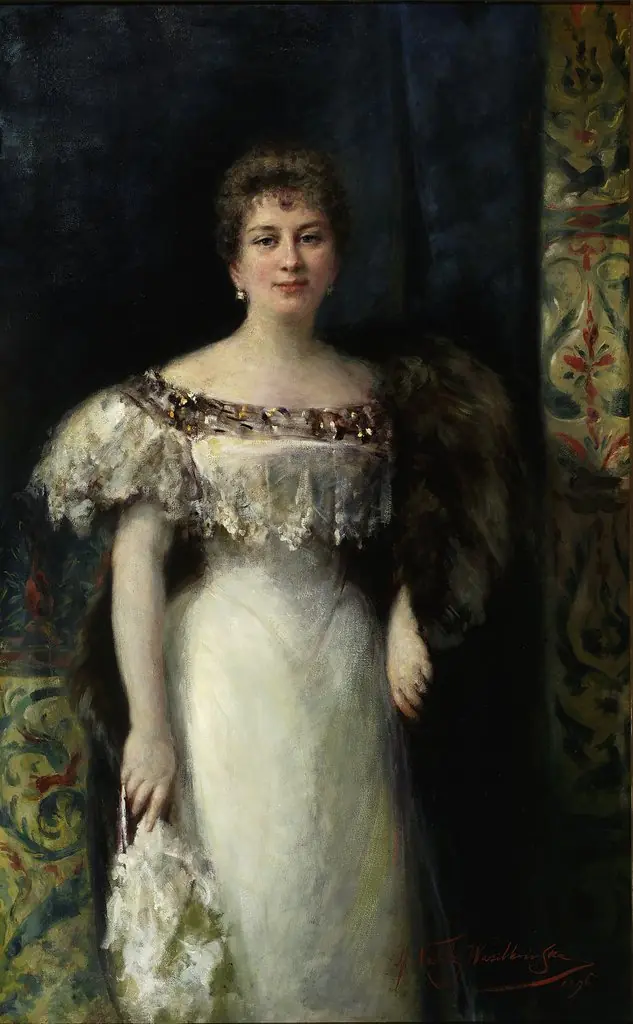 Portrait of Mrs. W.R.
 (Retrato de María del Carmen Reyna y Roballos de Fernández Blanco), Retrato de María Reyna de Fernández Blanco
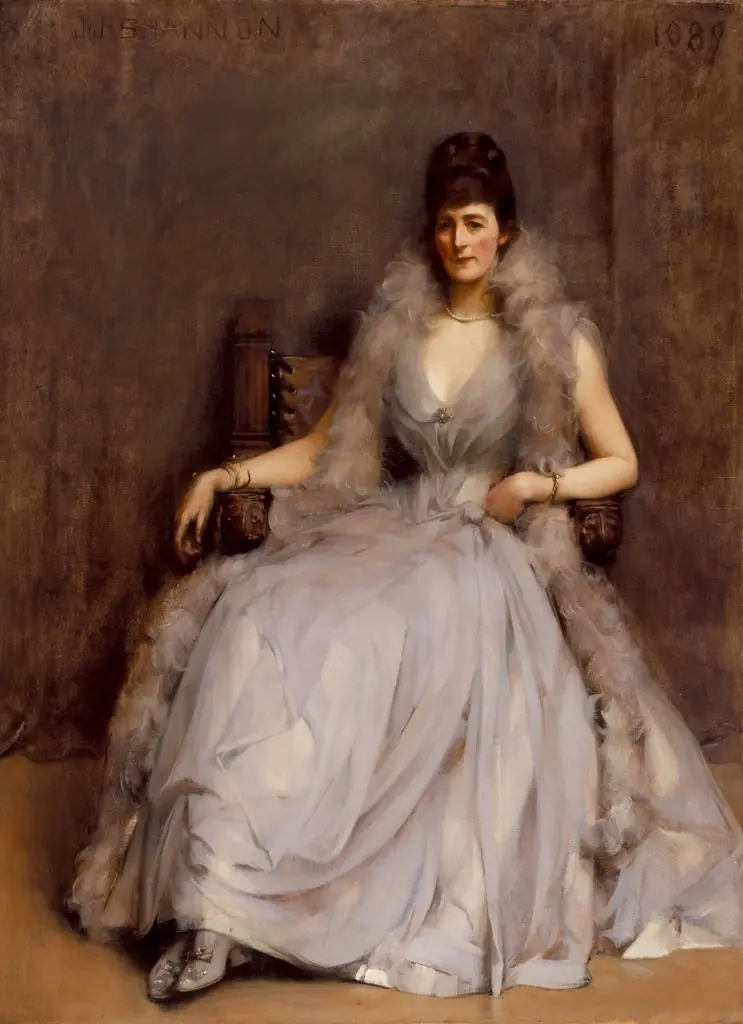 Portrait of Cecilia Tower
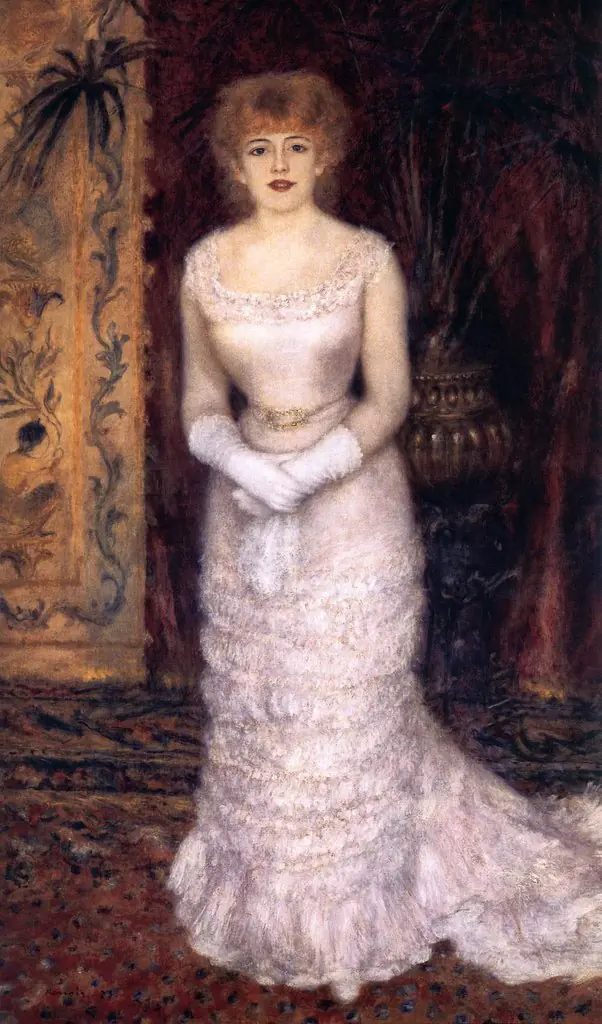 Portrait of Jeanna Samary
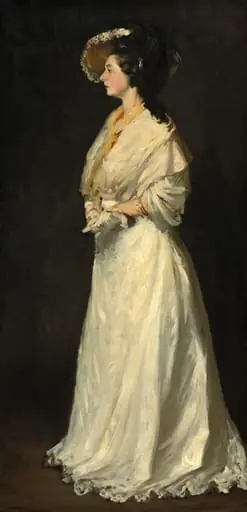 Young Woman in White
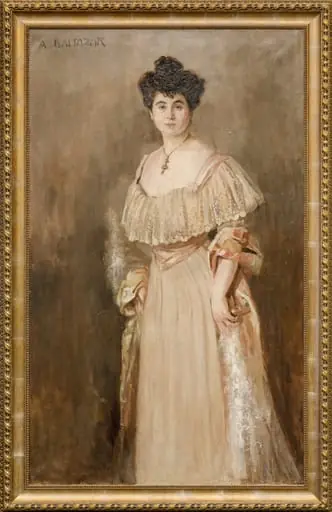 Portret de femeie
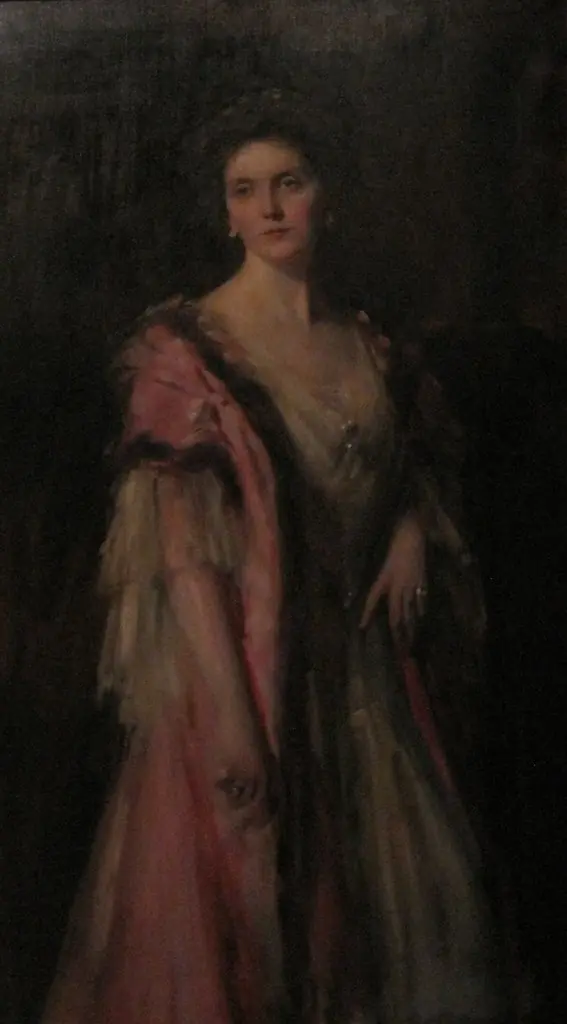 Emily Post
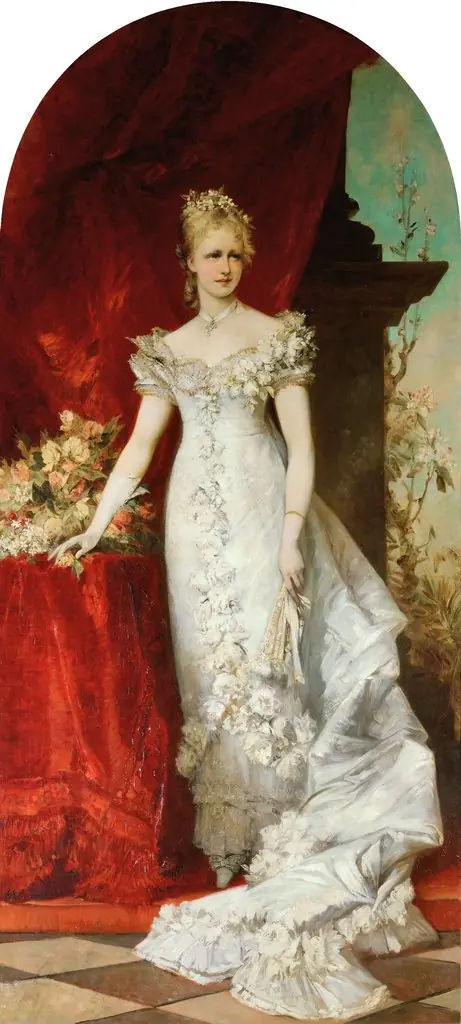 Kronprinzessin Stephanie (1864-1945) in einer Ballrobe aus hellem Satin
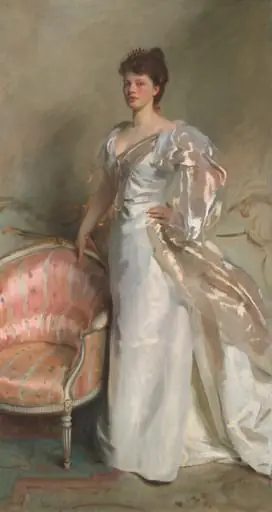 Mrs. George Swinton (Elizabeth Ebsworth)
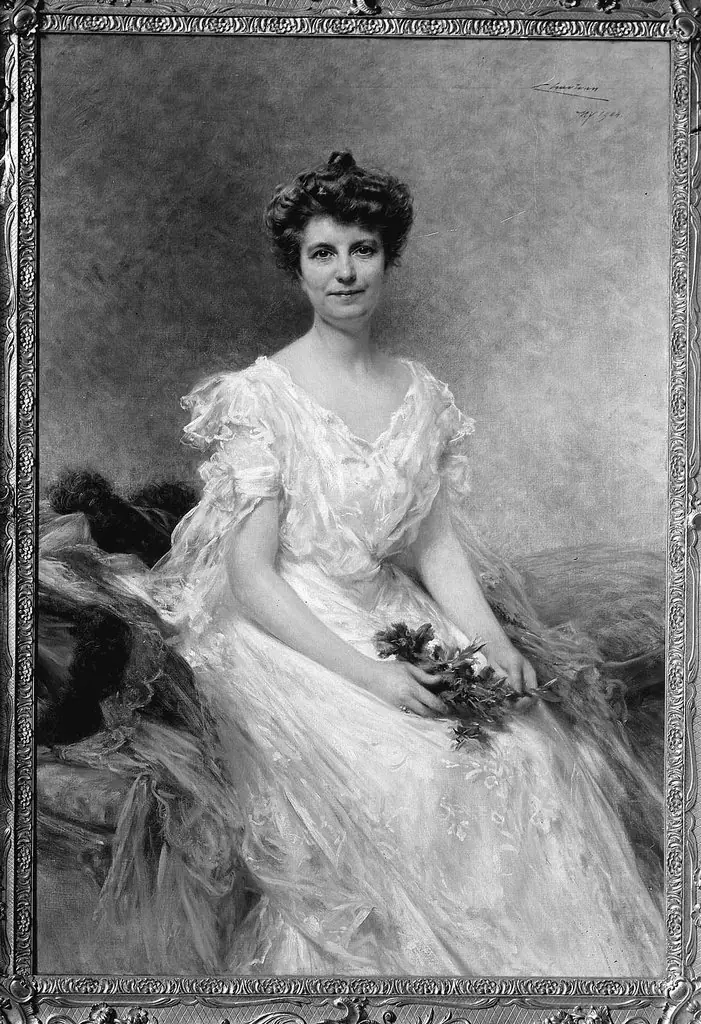 Harriet White Bradbury
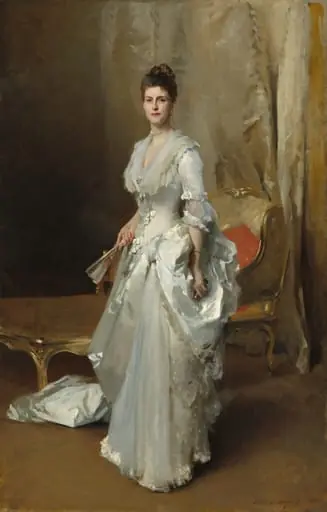 Margaret Stuyvesant Rutherfurd White (Mrs. Henry White)