Artwork
A Path through Fields near Leipzig
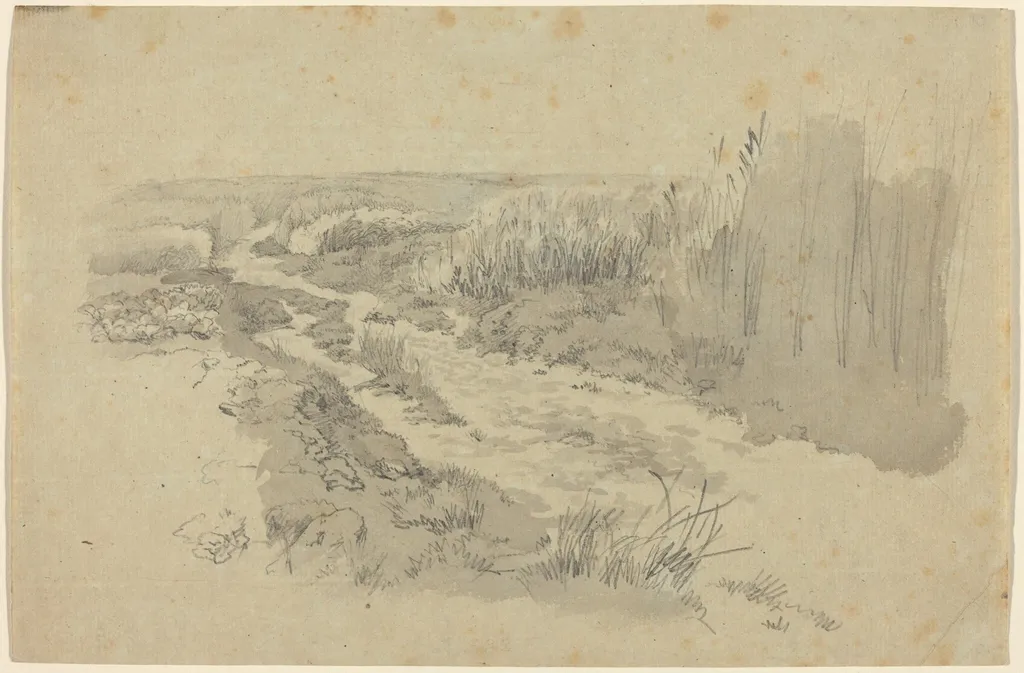
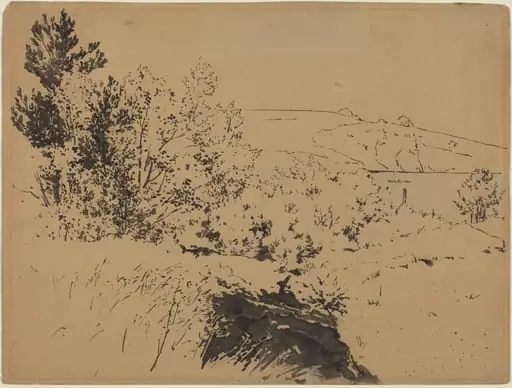
A Path through Fields near Leipzig is a graphite drawing by the Romanticist artist Carl Gustav Carus. It dates from 1812 and is held in the collection of the National Gallery of Art.
About this work
Overview
Executed in graphite and diluted ink on lightly blued laid paper, it reflects the artist’s dual engagement with science and art.
Created around 1812, this drawing by Carl Gustav Carus captures a quiet rural path near Leipzig. Executed in graphite and diluted ink on lightly blued laid paper, it reflects the artist’s dual engagement with science and art. The work belongs to a tradition of intimate landscape studies, prioritizing atmosphere over detail, and exemplifies Carus’s habit of recording natural scenes during his walks outside the city.
Subject & Meaning
The scene depicts a narrow trail winding through overgrown fields, flanked by tall reeds and uneven earth. No figures appear, and the path leads toward a distant tree line, suggesting quiet contemplation rather than narrative. The absence of human presence and the emphasis on organic growth align with Romantic ideals of nature as a space for introspection, not domination or ornament.
Technique & Style
Carus employed loose, fluid strokes in graphite and thin washes to suggest texture and light without definition. The paper’s faint blue undertone subtly enhances the tonal range of the ink, allowing muted greens and grays to emerge with soft luminosity. Edges are blurred, forms are suggested rather than outlined, and the composition feels spontaneous—like a direct response to the landscape observed in passing.
History & Provenance
Carus, a Leipzig native and physician by training, produced this work during a period of intense artistic development, shortly after studying under Caspar David Friedrich. Though not widely exhibited in his lifetime, the drawing remained within his personal collection and later entered institutional holdings, reflecting its value as a private record rather than a public commission.
Context
In early 19th-century Germany, landscape drawing was gaining traction as a medium for scientific observation and emotional expression. Carus’s work bridges these aims, aligning with Romantic circles that valued nature’s subtleties over grandeur. His friendships with figures like Goethe and his interest in perception and psychology informed this quiet, observational approach to the natural world.
Legacy
This drawing exemplifies a mode of landscape study that prioritized immediacy and sensitivity over finish. While Carus is less known today than his contemporaries, such works contributed to a broader shift in German art toward intimate, experiential depictions of nature—laying groundwork for later movements that valued sketching as a form of direct engagement with the environment.
Artist & collection
Artist
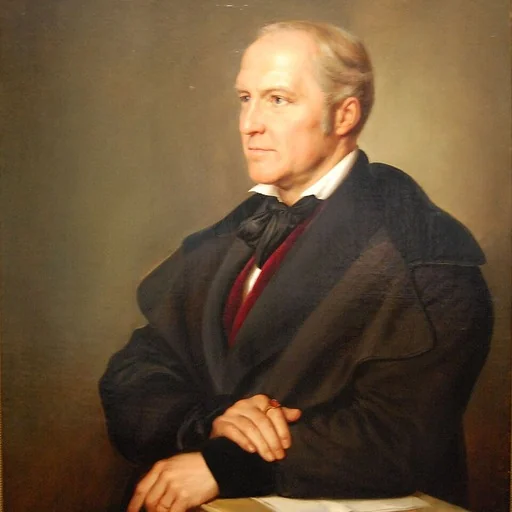
Carl Gustav Carus (3 January 1789 – 28 July 1869) was a German physiologist and painter, born in Leipzig, who played various roles during the Romantic era.

 Coastal Landscape
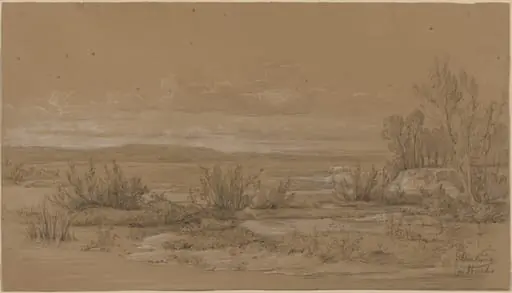 Landscape near Vourlis
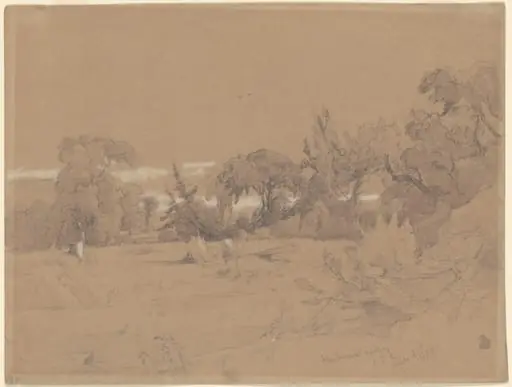 Sherberne Valley
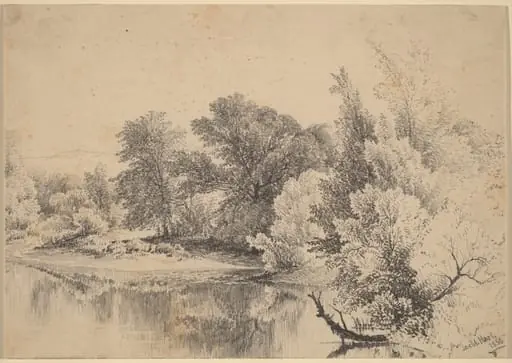 Pond Edge
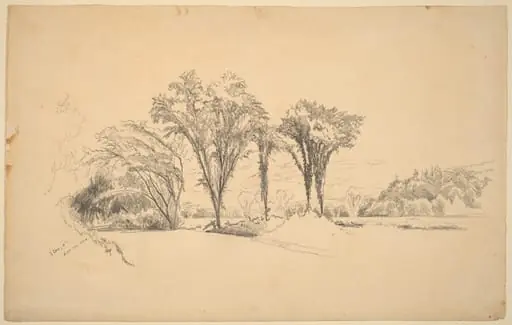 Stowe, Vermont
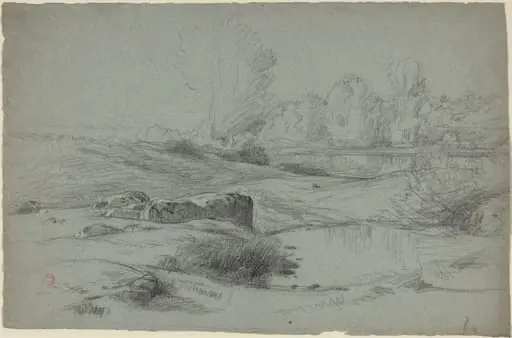 A Rocky Meadow by a River
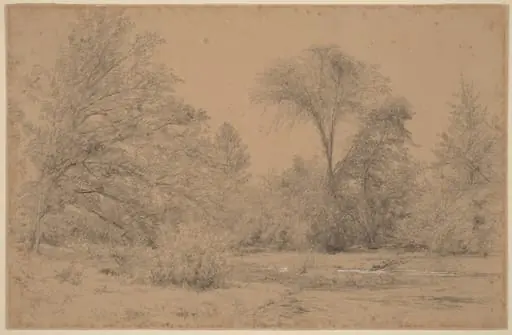 Landscape, Early Spring
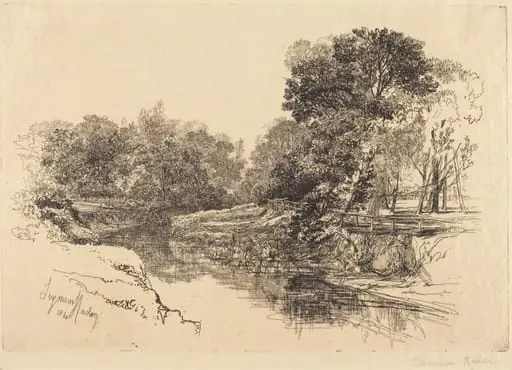 A River in Ireland
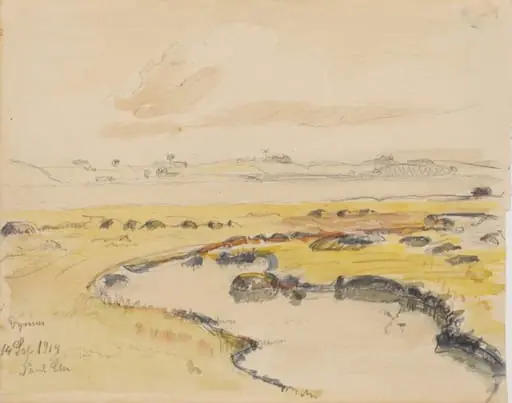 Dyrnæs enge
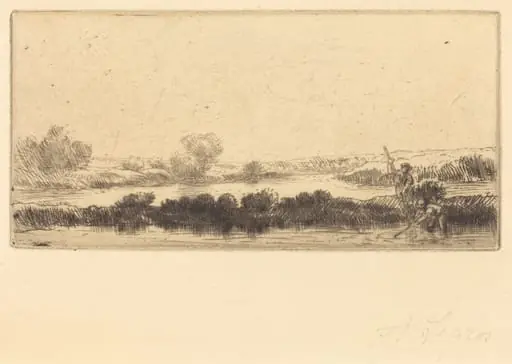 Landscape with Peat-bog; In the Marsh (Paysage des tourbieres; Dans les marais)
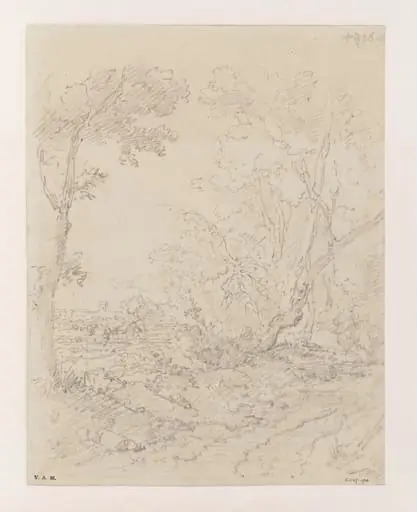 The buildings of Macau seen across fields from a tree-lined lane
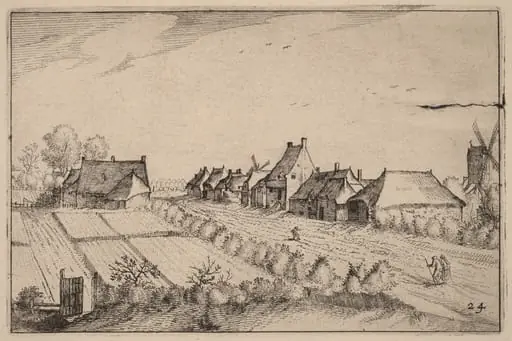 Fields and a Road