Artwork
Acacia
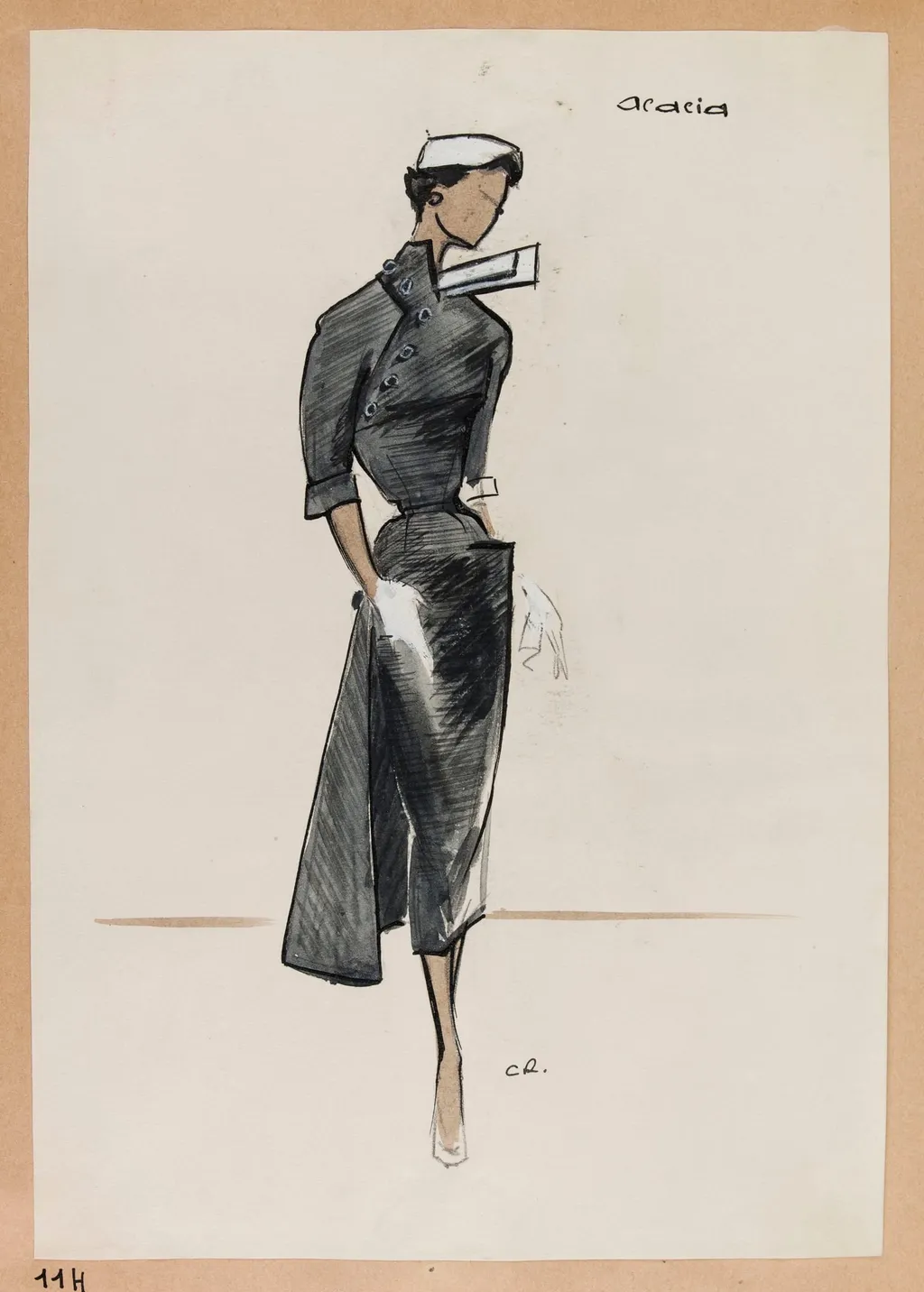
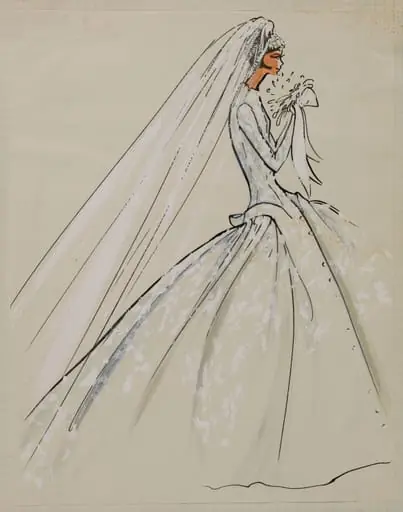
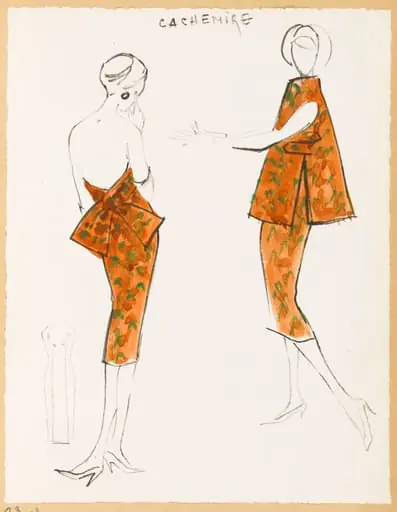
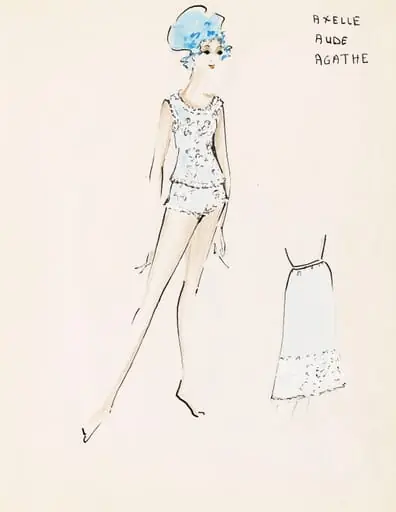
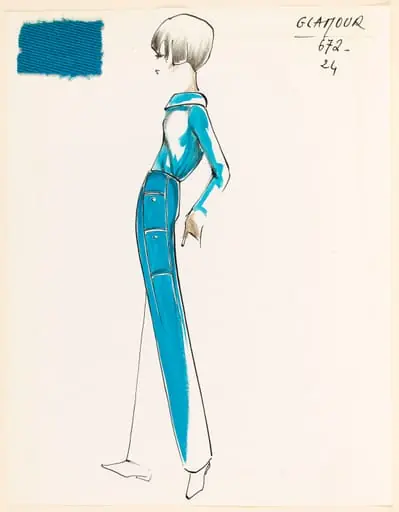
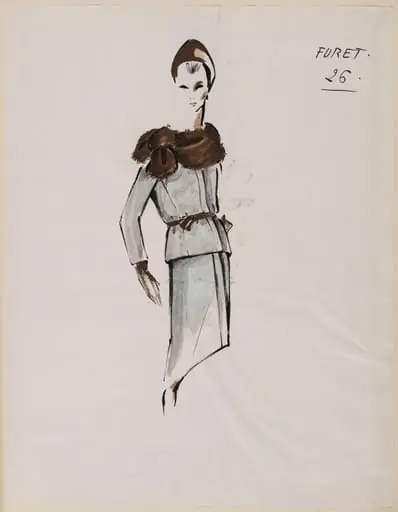
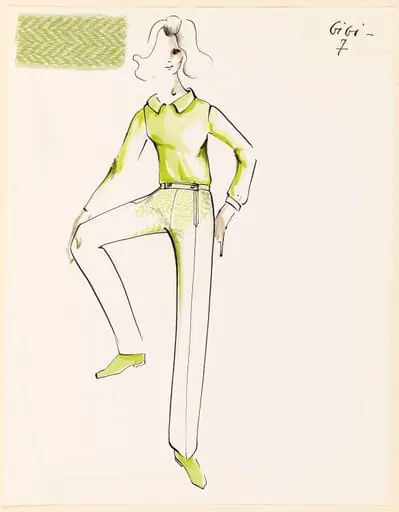
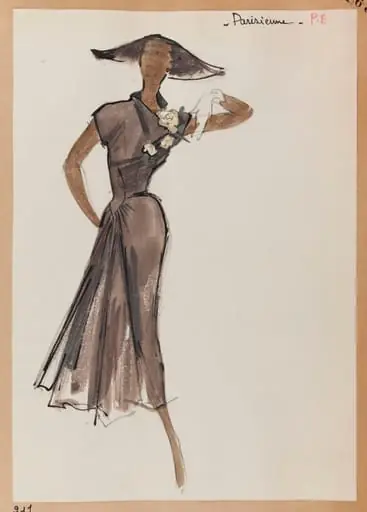
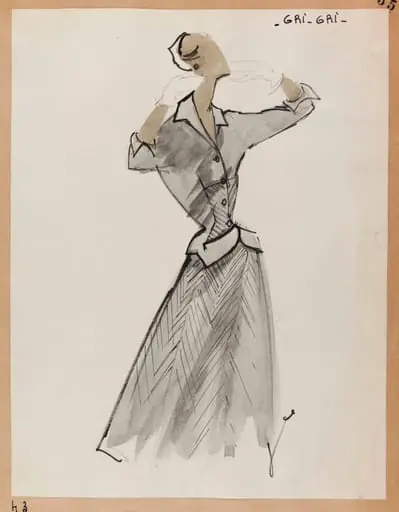
Acacia is a drawing by Carven. It dates from 1951 and is held in the collection of the Palais Galliera - Musée de la Mode de la Ville de Paris.
About this work
Overview
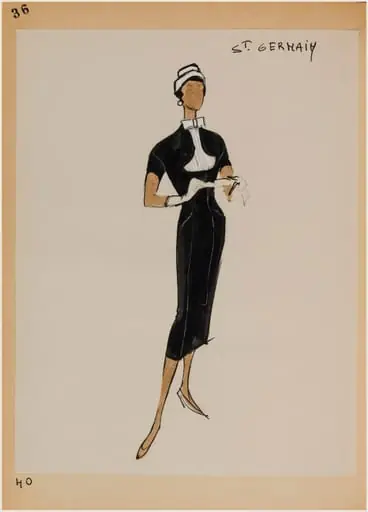
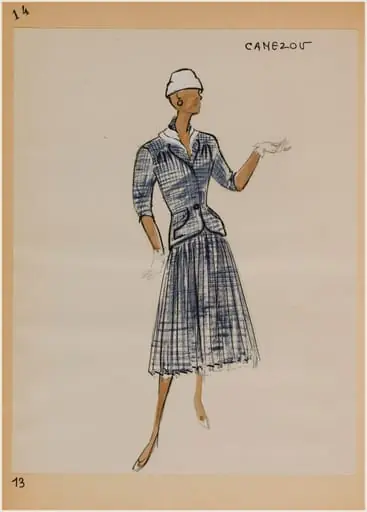
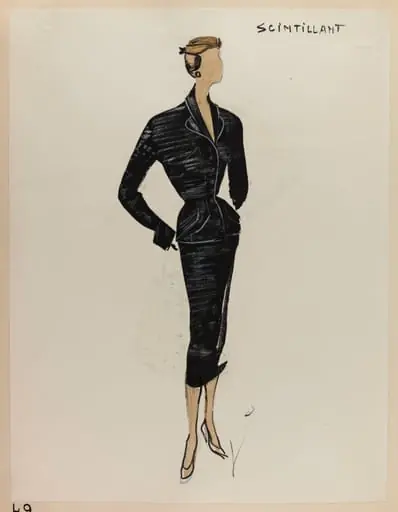
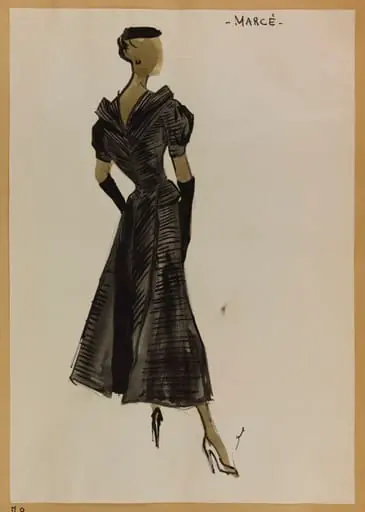
The drawing captures a singular figure in a distinctive outfit, rendered with minimal yet assured linework.
Created around 1951, Acacia is a pencil sketch attributed to the French fashion designer Carven. It resides in the collection of the Museum of Ethnography. The drawing captures a singular figure in a distinctive outfit, rendered with minimal yet assured linework. Though labeled as an image, its function appears tied to fashion documentation rather than fine art. The artist’s initials, C.R., appear in the corner, aligning with Carven’s known signature practice.
Subject & Meaning
The figure is a woman dressed in a tailored, dark ensemble featuring broad shoulders and a high collar, with trousers cinched at the ankles. One hand rests casually in a pocket, suggesting poise and quiet autonomy. The title, Acacia, may refer to the garment’s design code or a seasonal collection name, though no definitive link to the acacia plant is evident. The pose and cut imply a modern, understated elegance characteristic of postwar French fashion.
Technique & Style
Executed in swift, confident pencil strokes, the drawing emphasizes silhouette over detail. Facial features and hands are suggested with minimal lines, while the structure of the clothing is rendered with clarity and economy. The absence of shading or texture focuses attention on form and proportion. This approach reflects a designer’s working method—quickly capturing garment structure for reference or presentation, prioritizing clarity over ornamentation.
History & Provenance
The sketch entered the Museum of Ethnography’s collection as part of a broader acquisition of fashion-related materials from Carven’s atelier. Its date, circa 1951, places it within a period when Carven was refining her signature blend of structural tailoring and feminine restraint. Though unsigned with her full name, the initials C.R. are consistent with her documented practice. The piece likely served as a design note or internal reference before production.
Context
In early 1950s Paris, fashion houses relied on rapid sketches to communicate designs to tailors and clients. Acacia reflects this utilitarian tradition, where drawings were functional tools rather than finished artworks. Carven’s designs stood out for their clean lines and wearable innovation, often departing from the more ornate styles of contemporaries. This sketch aligns with her broader aesthetic: practical, modern, and quietly revolutionary in its simplicity.
Legacy
Acacia survives as a quiet testament to Carven’s design process and the everyday labor behind fashion creation. While not widely exhibited, it contributes to scholarly understanding of mid-century French couture practices. Its preservation in an ethnographic museum underscores the cultural significance of clothing as material culture. The sketch remains a subtle but valuable artifact of a designer who redefined postwar femininity through restraint and precision.
Artist & collection
Artist
These delicate ink-on-paper drawings capture the quiet poetry of everyday things: pinecones, reeds, apples.
Museum
Palais Galliera - Musée de la Mode de la Ville de Paris
Continue through works from the same source collection.