Artwork
Armide
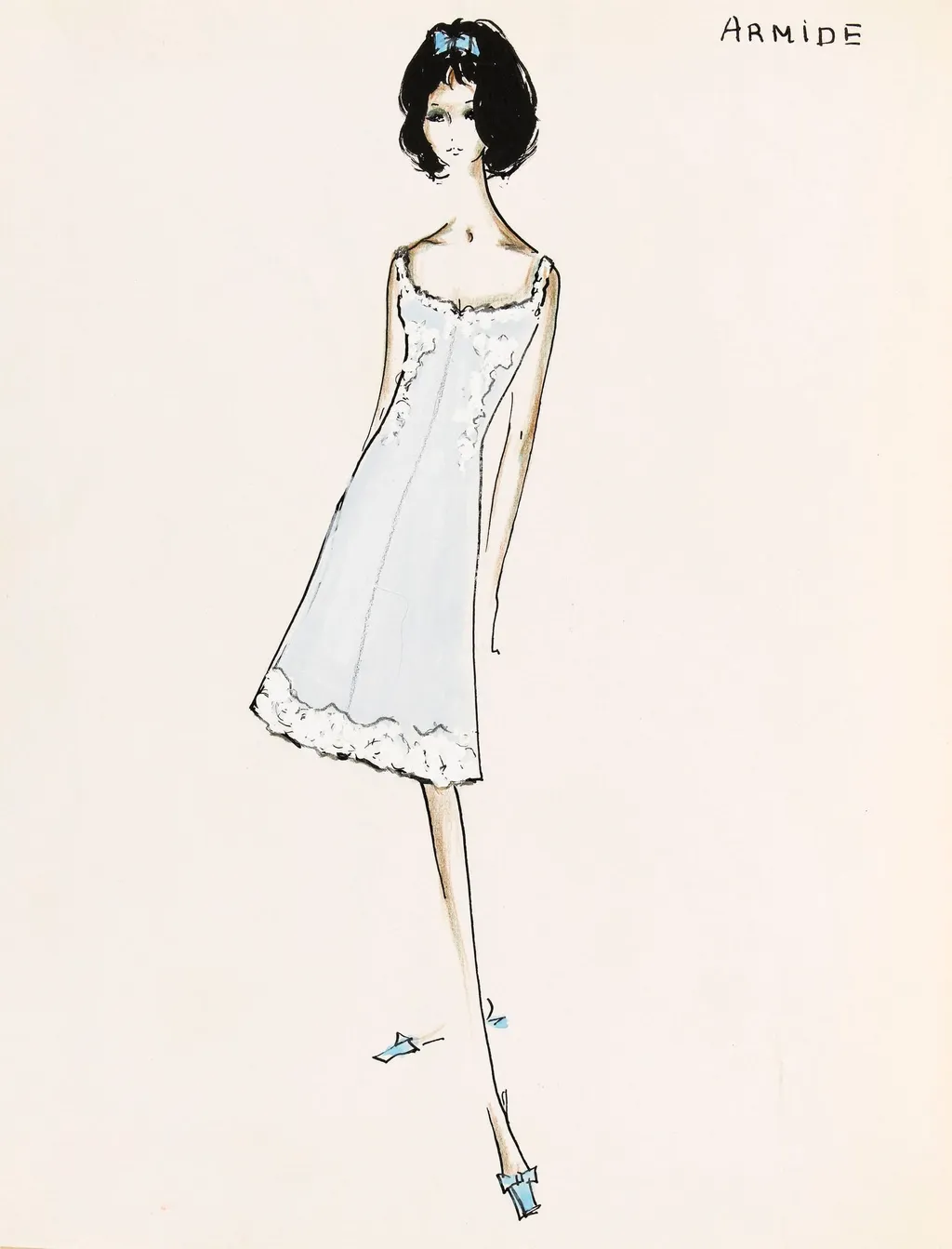
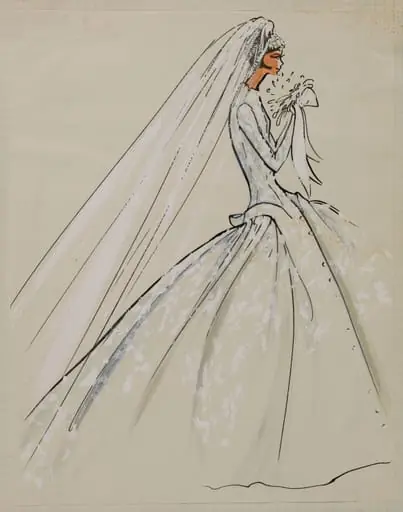
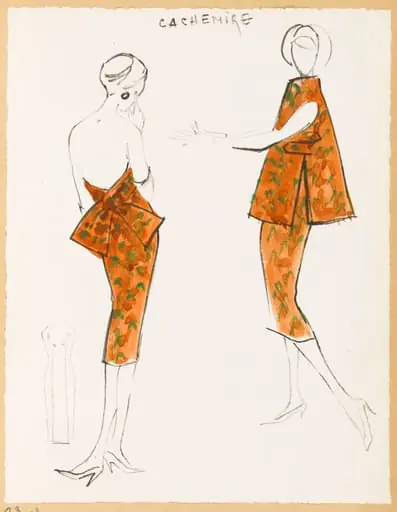
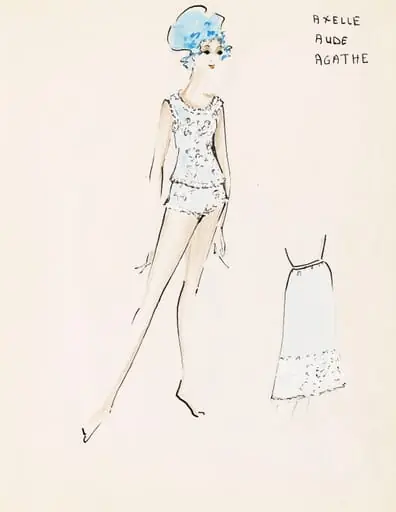
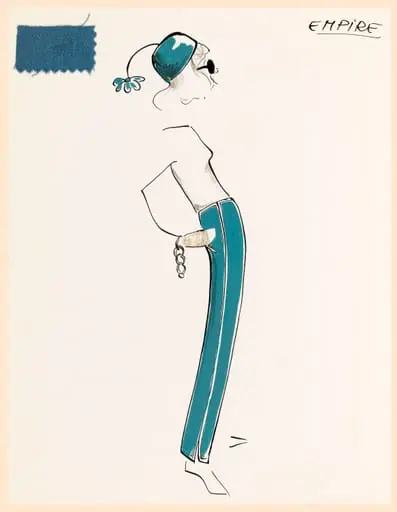
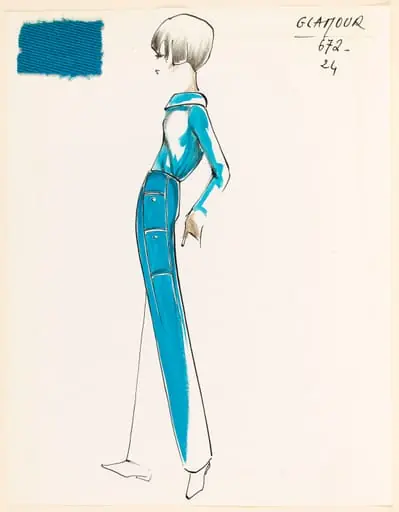
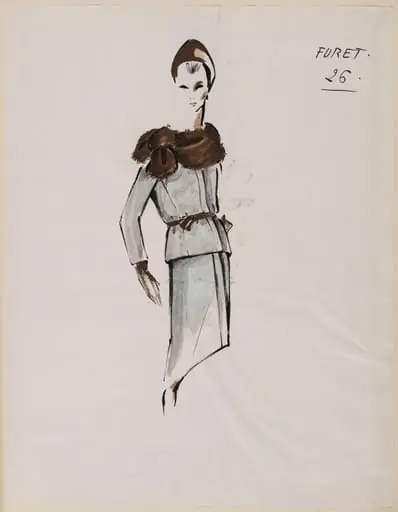
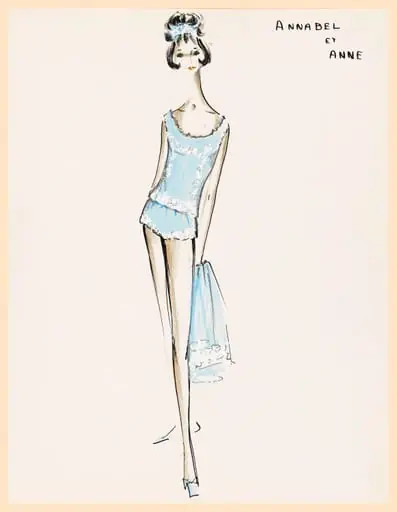
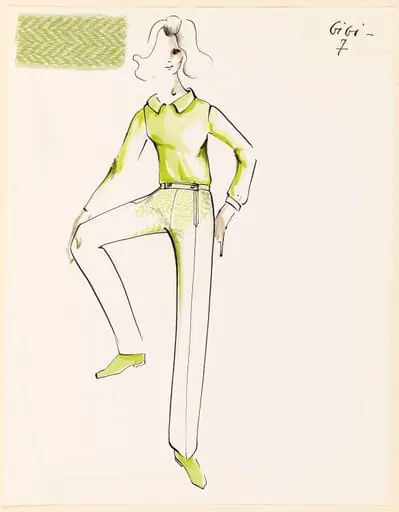
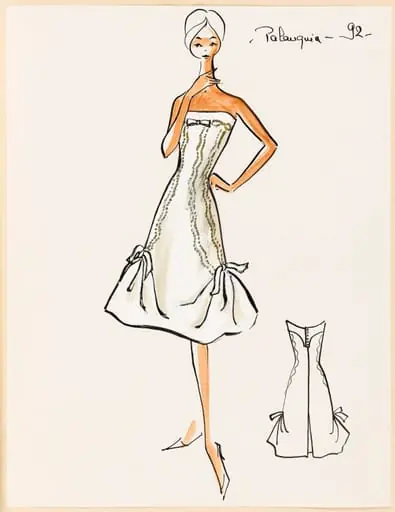
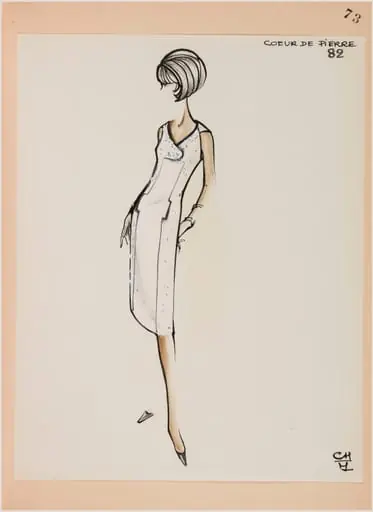
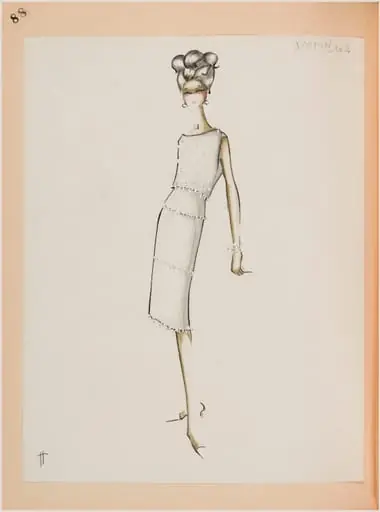
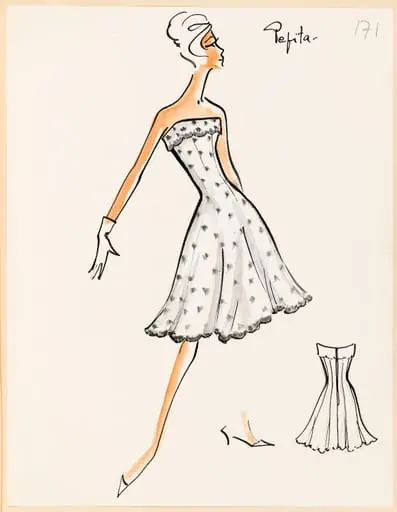
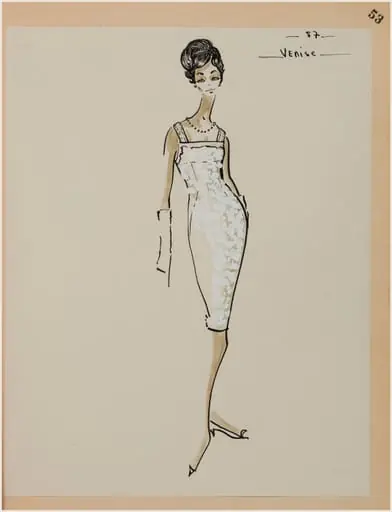
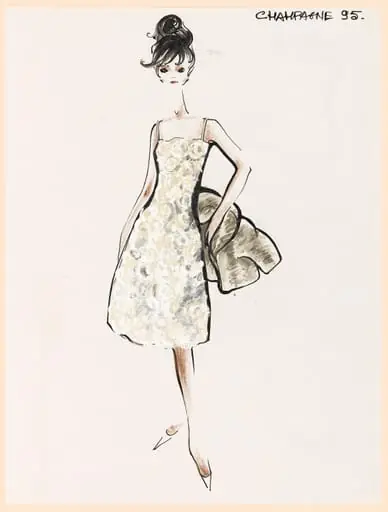
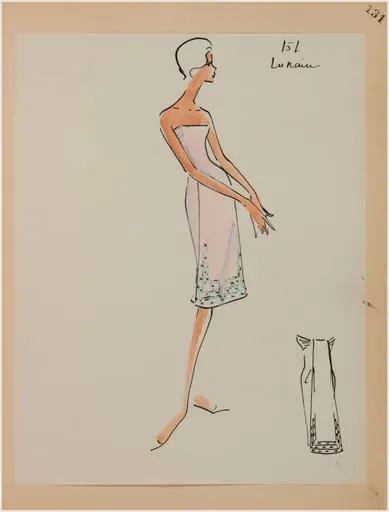
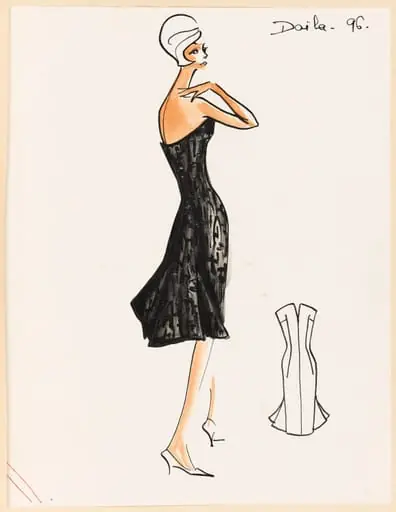
Armide is a drawing by Carven. It dates from 1961 and is held in the collection of the Palais Galliera - Musée de la Mode de la Ville de Paris.
About this work
Overview
Its informal quality suggests it was made during the design process, possibly as a reference for garment construction or presentation.
Created around 1961, this ink sketch is attributed to the fashion house Carven. It resides in the Museum of Ethnography as part of a collection documenting mid-century fashion design practices. The work is not a formal portrait but a rapid study, capturing a figure in motion with minimal detail. Its informal quality suggests it was made during the design process, possibly as a reference for garment construction or presentation.
Subject & Meaning
The figure is a woman standing upright, dressed in a plain, knee-flaring gray dress, her hair neatly gathered. She holds a small purse, a subtle indicator of everyday elegance. The absence of facial features and the focus on posture and clothing imply an emphasis on silhouette and movement rather than individual identity. The sketch reflects a design mindset, prioritizing how fabric behaves on the body over personal narrative.
Technique & Style
Executed with swift, fluid lines, the drawing conveys energy through economy of mark-making. The artist used light, confident strokes to suggest volume and drape without shading or detail. The looseness of the form contrasts with the precision of the dress’s flare, indicating an understanding of textile dynamics. The signature 'Armide' appears as a label rather than an artistic statement, reinforcing its function as a working document.
History & Provenance
The sketch entered the Museum of Ethnography’s collection as part of a broader acquisition of fashion-related materials from Carven’s archives. Its origin as an internal design tool was recognized early, distinguishing it from finished illustrations. It has remained in the museum’s care since the late 20th century, valued for its insight into the studio practices of mid-century French fashion design.
Context
In the early 1960s, fashion houses like Carven relied on quick sketches to communicate ideas between designers, tailors, and clients. This drawing aligns with the era’s emphasis on streamlined, wearable elegance. Unlike editorial illustrations, such studies were functional—made for efficiency, not display. Its survival in a museum context reflects a later shift toward preserving the behind-the-scenes processes of fashion creation.
Legacy
The sketch endures as a quiet testament to the transient nature of design work. It reveals how fashion was conceived not through polished renderings but through immediate, intuitive marks. Today, it contributes to scholarly understanding of how mid-century designers translated movement and fabric into wearable form, offering a glimpse into the rhythm of a creative studio at work.
Artist & collection
Artist
These delicate ink-on-paper drawings capture the quiet poetry of everyday things: pinecones, reeds, apples.
Museum
Palais Galliera - Musée de la Mode de la Ville de Paris
Continue through works from the same source collection.