Artwork
Baba
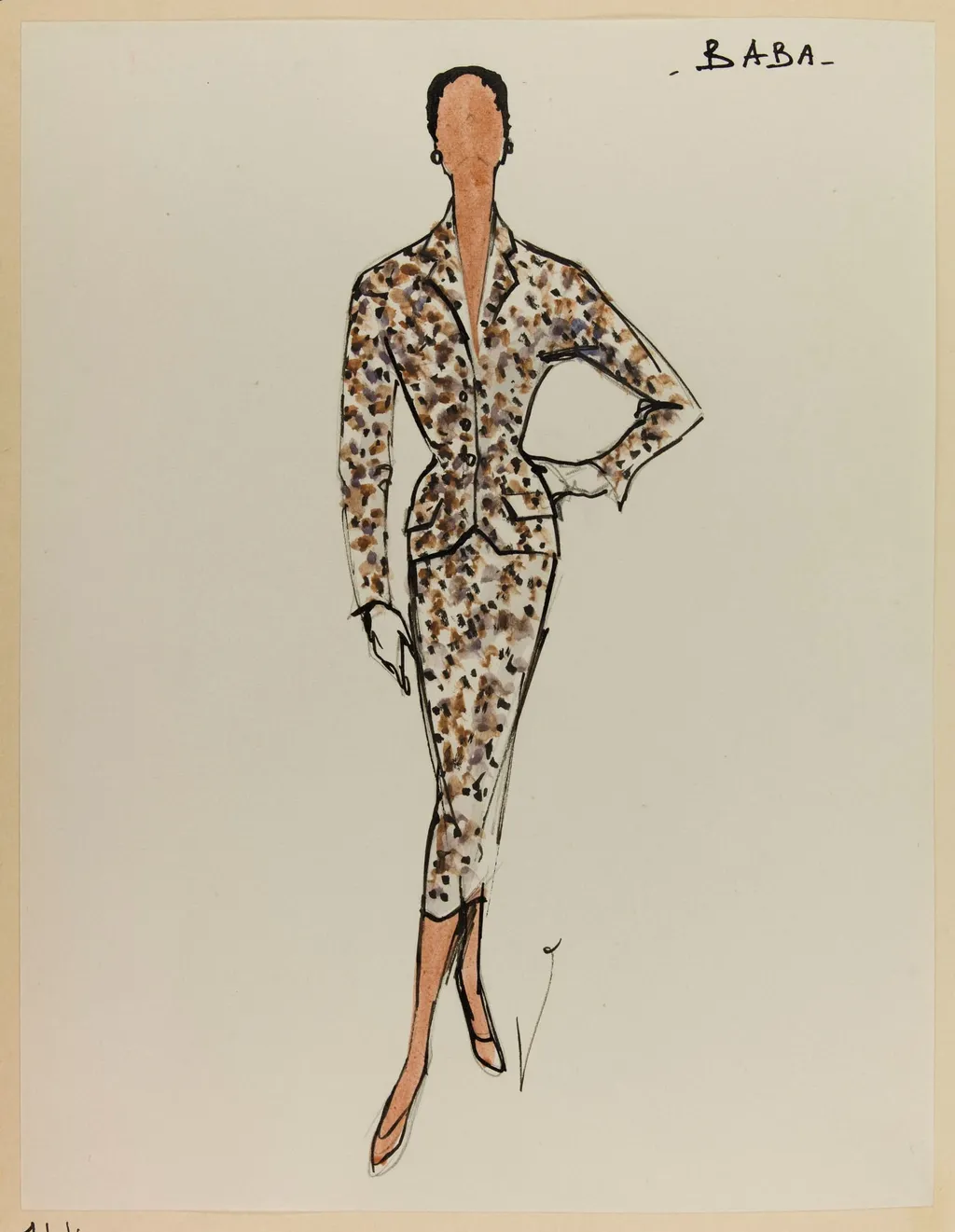
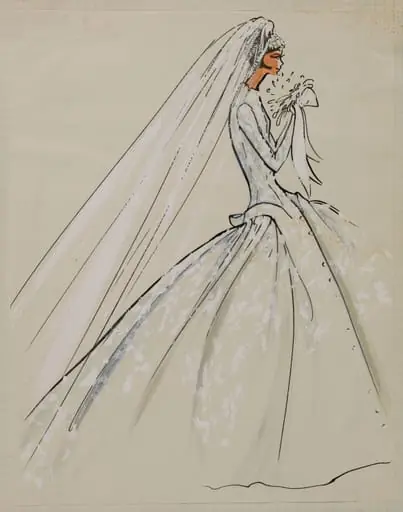
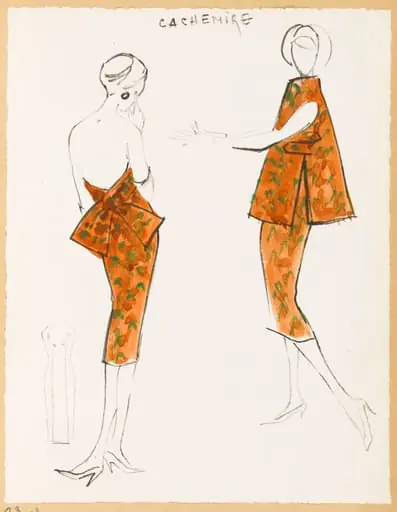
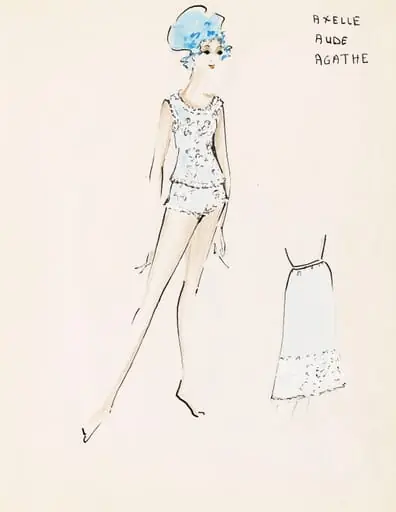
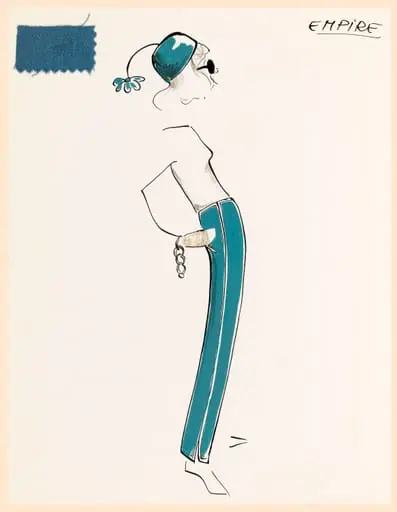
Baba is a drawing by Carven. It dates from 1953 and is held in the collection of the Palais Galliera - Musée de la Mode de la Ville de Paris.
About this work
Overview
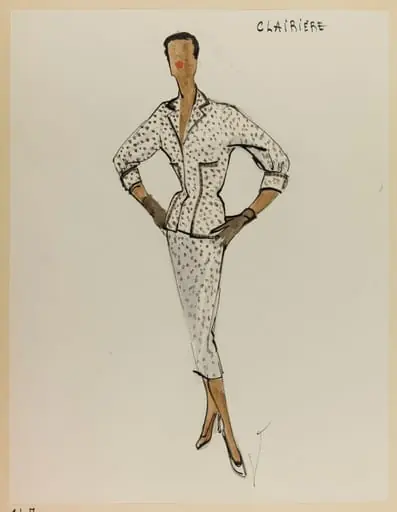
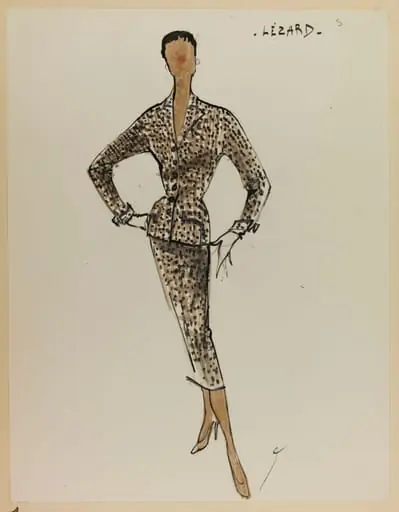
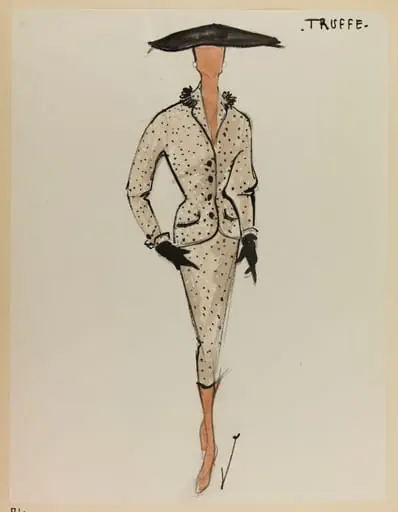
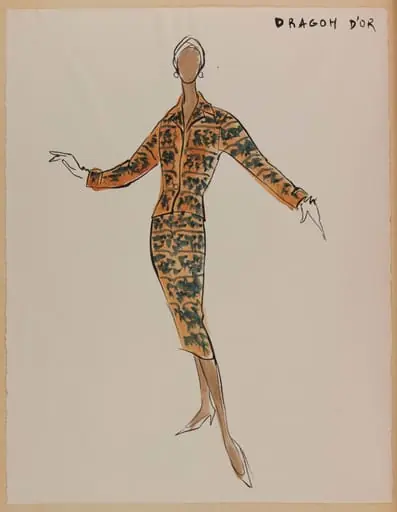
The composition emphasizes silhouette and textile pattern over individual identity, reflecting a design-focused approach to figure representation.
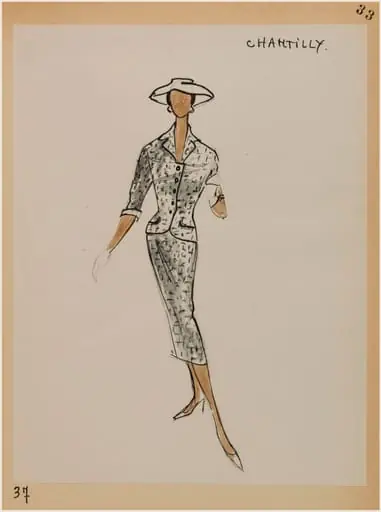
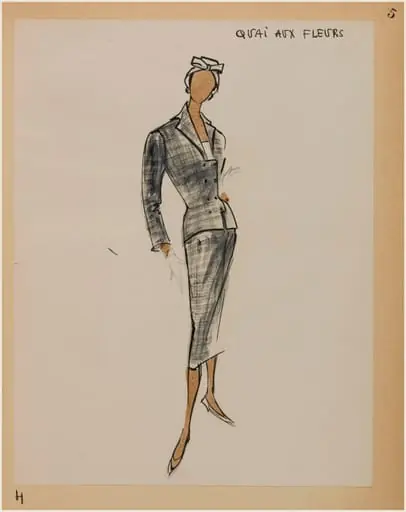
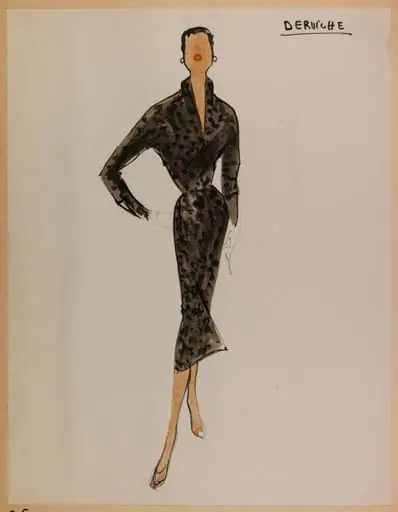
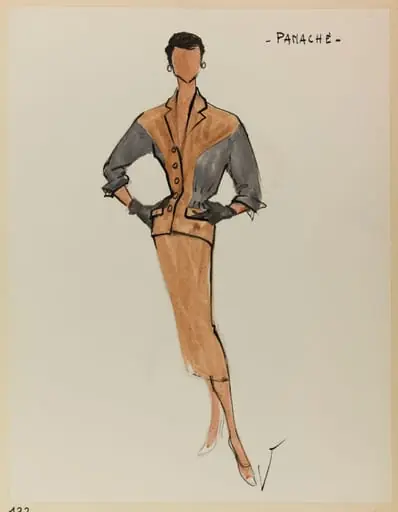
Baba is a pencil drawing created around 1953 by the French designer Carven. It is part of the collection at the Museum of Ethnography. The work depicts a standing female figure in a stylized, full-length pose, rendered with clean, unadorned lines and no facial features. The composition emphasizes silhouette and textile pattern over individual identity, reflecting a design-focused approach to figure representation.
Subject & Meaning
The figure in Baba represents an anonymous woman dressed in a coordinated ensemble of jacket and skirt, suggesting contemporary mid-century fashion. By omitting the face, the artist shifts focus from personal identity to the structure and ornamentation of clothing. The pose—hand on hip, one arm relaxed—conveys poise without narrative, positioning fashion itself as the subject of the work.
Technique & Style
Carven employed bold, simplified contours and minimal shading to define the figure’s form. The garment is covered in a repetitive pattern of small brown and black dots, rendered with precise, hand-drawn marks. The absence of background and facial detail creates a flat, graphic quality, aligning the drawing with fashion illustration traditions that prioritize clarity and elegance over realism.
History & Provenance
Created circa 1953, Baba entered the collection of the Museum of Ethnography as part of a broader effort to document fashion as cultural artifact. The drawing likely originated from Carven’s design studio, where sketches served both as technical records and aesthetic statements. Its preservation reflects institutional recognition of fashion design as worthy of ethnographic study.
Context
In the early 1950s, Parisian fashion houses emphasized tailored silhouettes and refined textiles, often documented through illustrative sketches. Baba aligns with this practice, capturing the era’s preference for structured, patterned womenswear. Unlike fine art portraits, such drawings were functional tools for production, yet they also conveyed stylistic ideals valued by designers and clients alike.
Legacy
Baba endures as an example of how fashion design was visually codified in the postwar period. Its inclusion in an ethnographic museum underscores the growing scholarly interest in clothing as cultural expression. The drawing’s restraint and clarity continue to inform how fashion is studied—not as mere adornment, but as a disciplined art of form and pattern.
Artist & collection
Artist
These delicate ink-on-paper drawings capture the quiet poetry of everyday things: pinecones, reeds, apples.
Museum
Palais Galliera - Musée de la Mode de la Ville de Paris
Continue through works from the same source collection.