Artwork
Baolac
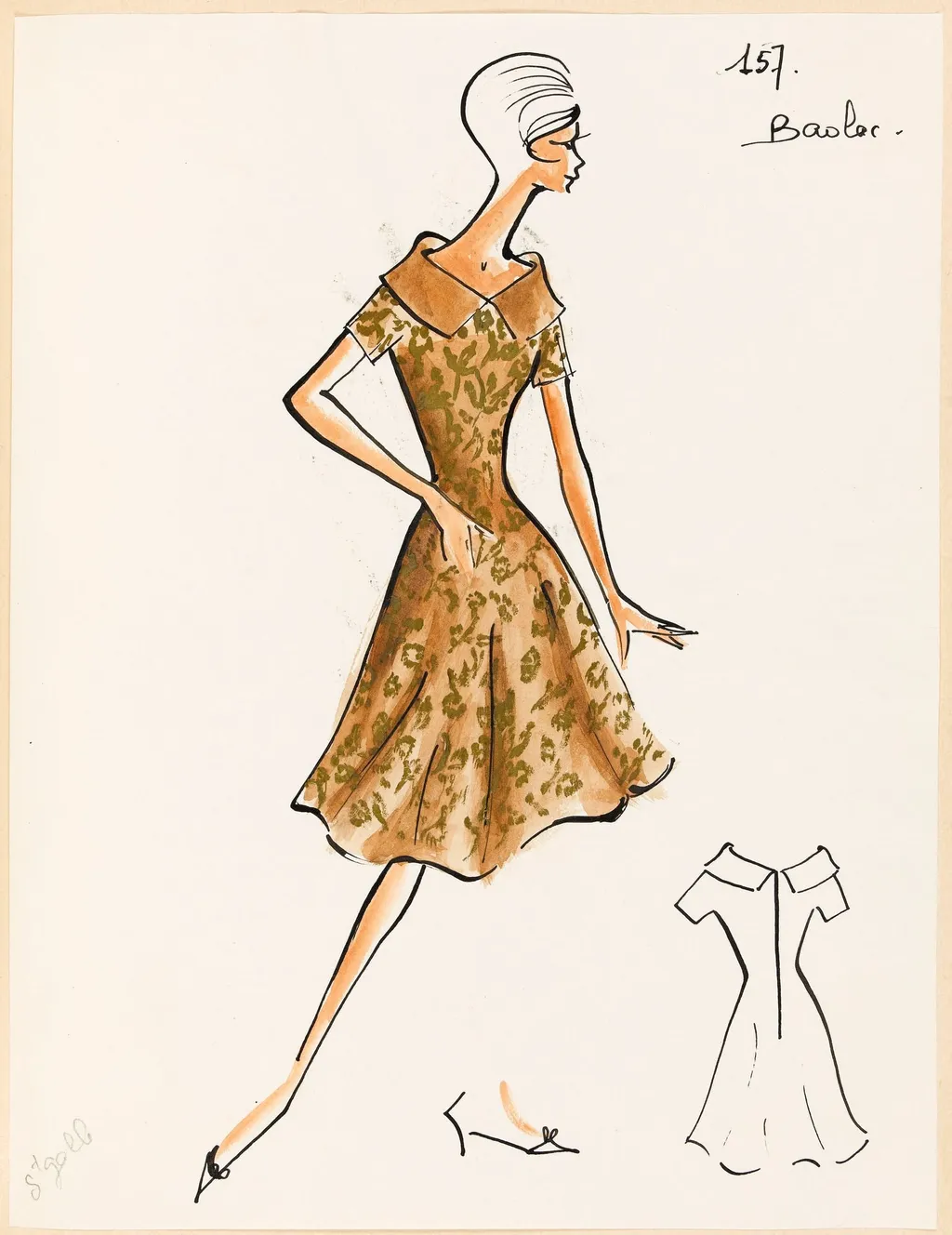
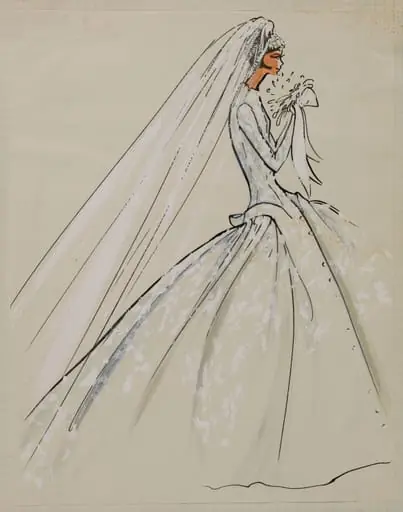
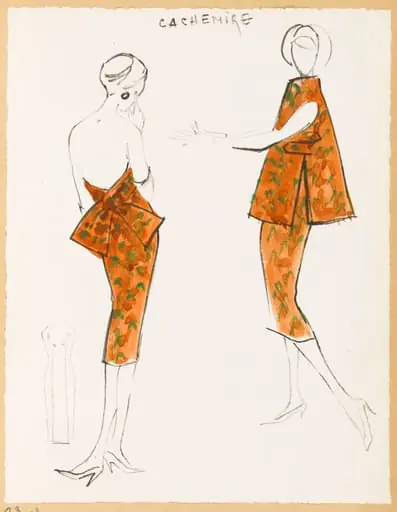
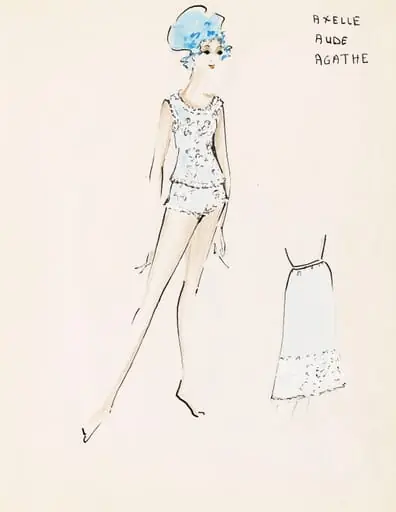
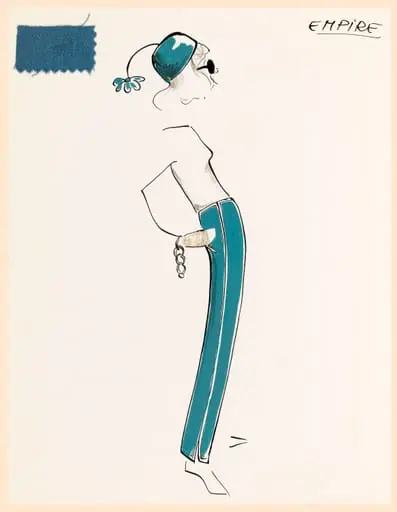
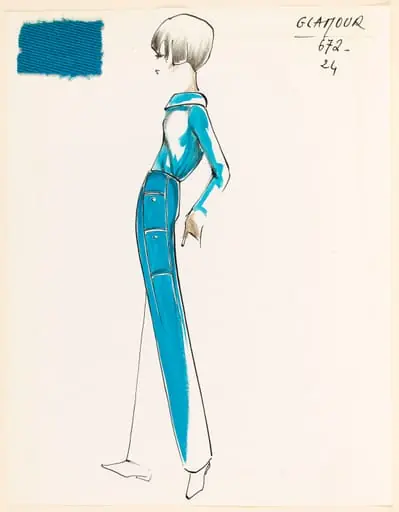
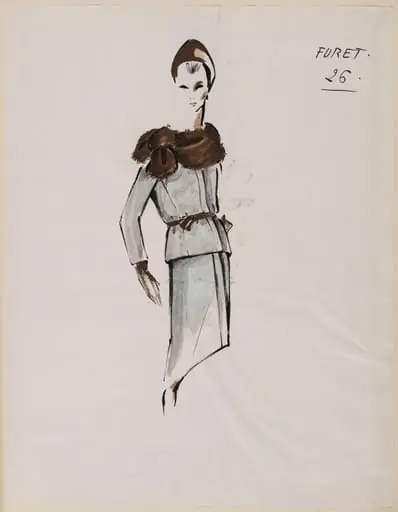
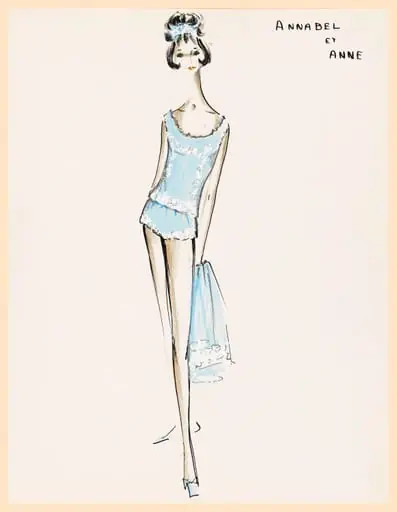
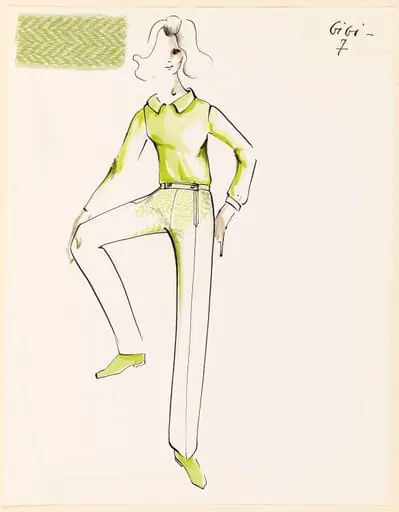
Baolac is a drawing by Carven. It dates from 1959 and is held in the collection of the Palais Galliera - Musée de la Mode de la Ville de Paris.
About this work
Overview
Baolac, attributed to the artist Carven and dated to around 1959, is part of the collection of the Museum of Ethnography. The piece consists of a drawing that combines a figure study with a separate schematic of a garment, offering insight into mid‑century fashion illustration practices.
Subject & Meaning
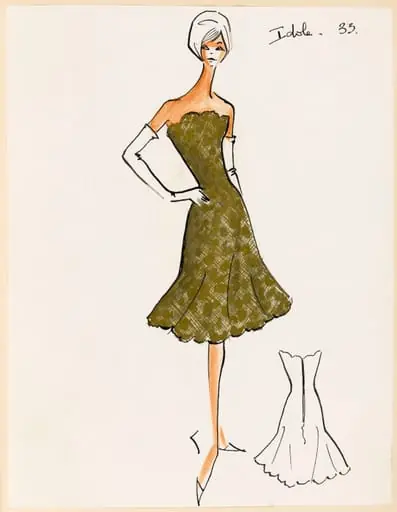
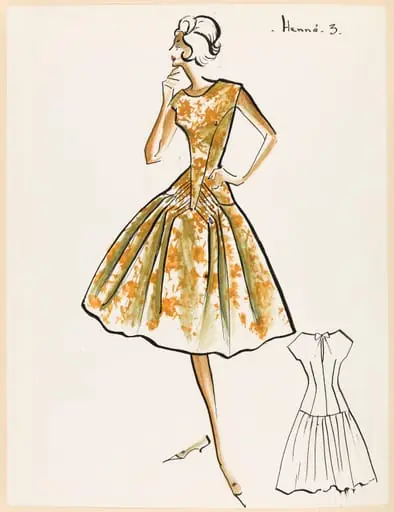
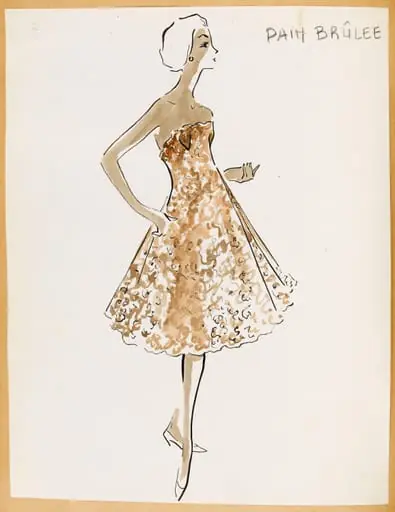
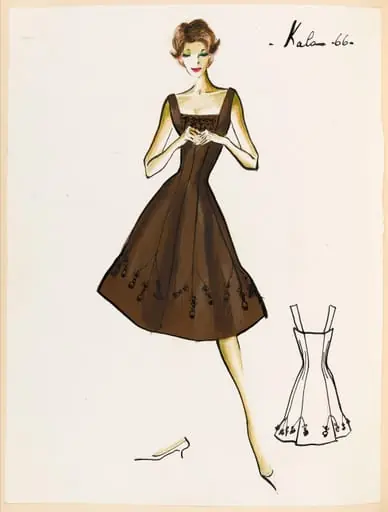
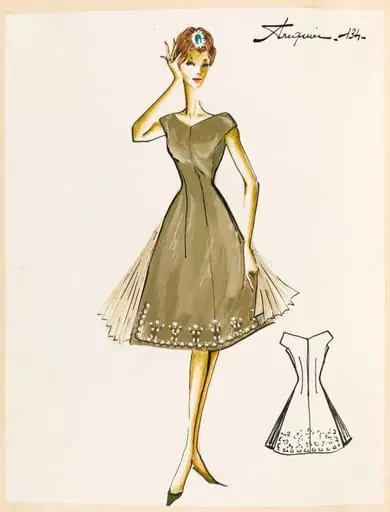
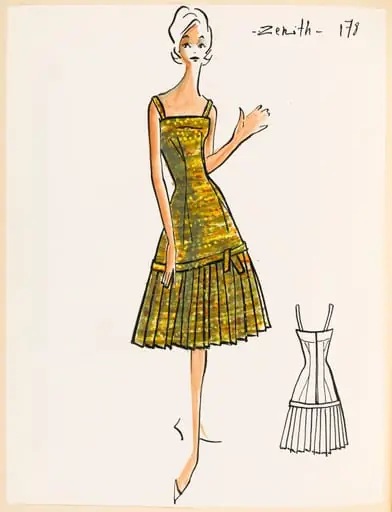
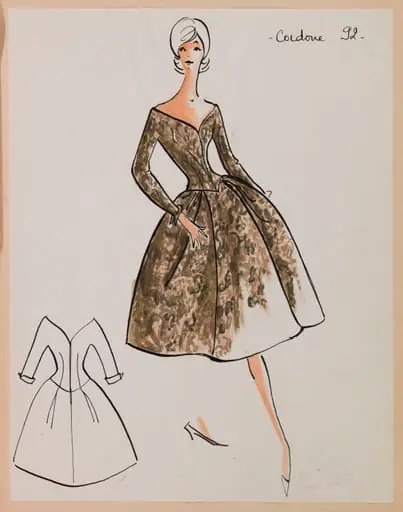
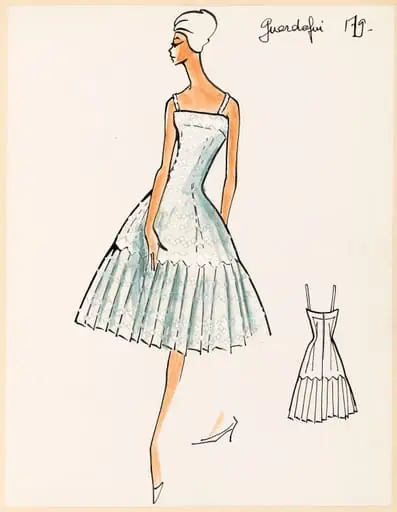
The central figure is a woman with short hair, depicted in a relaxed stance. She wears a knee‑length, flared dress featuring a subtle pattern of darker shapes on a lighter field, a collar, and short sleeves. The pose—body turned to the right, left arm at the side, right arm bent—conveys an informal, everyday presence rather than a formal portrait.
Technique & Style
Carven employs line drawing to render both the figure and the garment study. The main image integrates the figure with a contextual sketch of the dress placed to the right, allowing the viewer to compare the full silhouette with a focused view of the pattern and collar. The rendering is precise yet minimal, emphasizing shape and design over texture.
History & Provenance
Created circa 1959, Baolac entered the Museum of Ethnography’s holdings at an unspecified date. Its inclusion in an ethnographic context suggests the museum values the work as a document of fashion culture and visual documentation from the late 1950s.
Context
The drawing reflects the post‑war era’s interest in fashion illustration as both commercial and artistic activity. Carven, known for ready‑to‑wear designs, often produced studies that combined figure drawing with technical garment sketches, aligning with contemporary practices in design education and marketing.
Artist & collection
Artist
These delicate ink-on-paper drawings capture the quiet poetry of everyday things: pinecones, reeds, apples.
Museum
Palais Galliera - Musée de la Mode de la Ville de Paris
Continue through works from the same source collection.