Artwork
Berbère
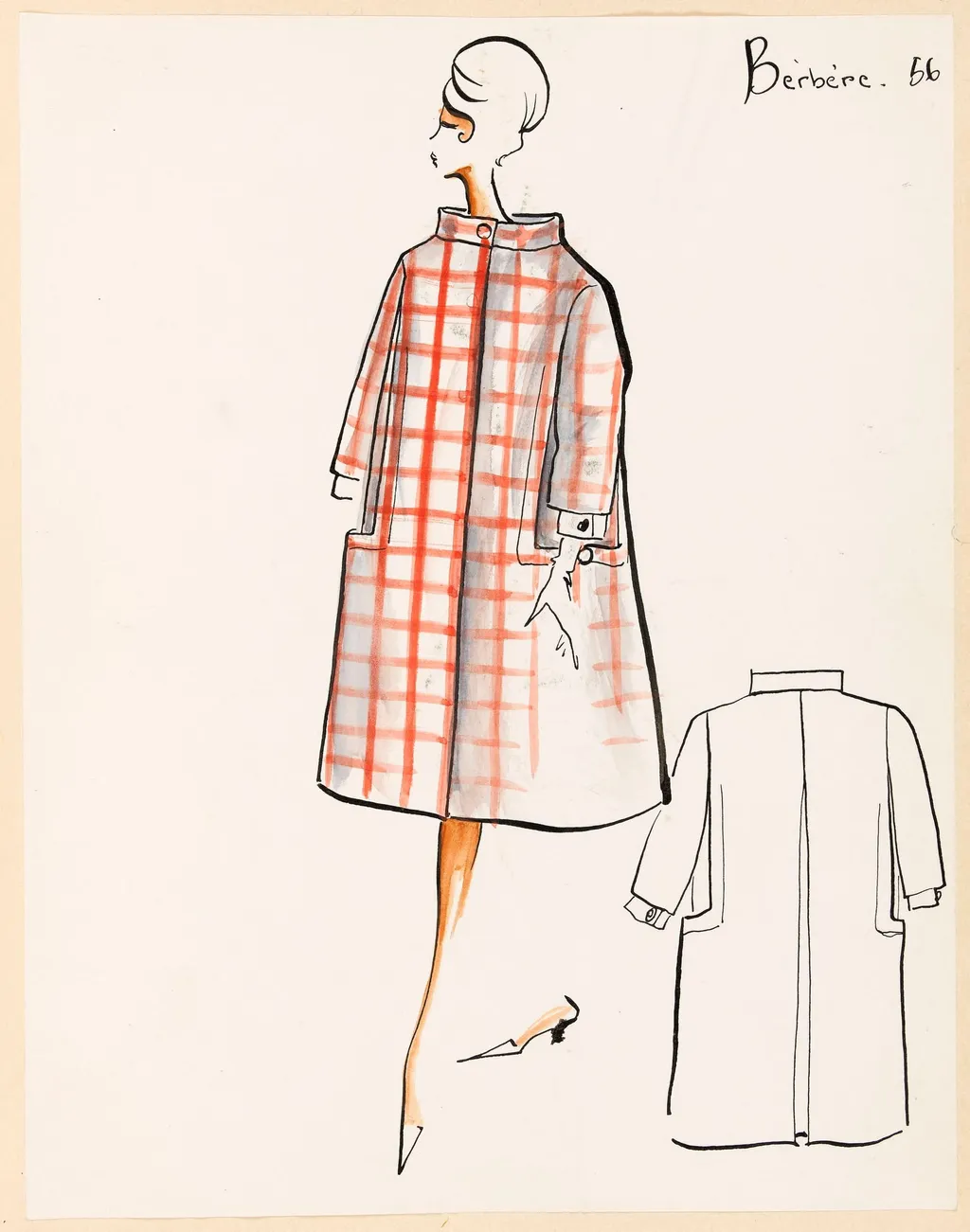
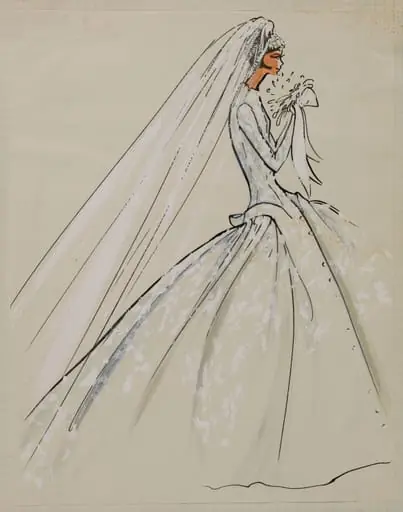
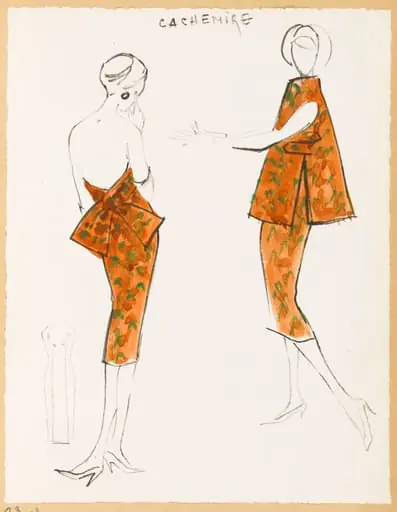
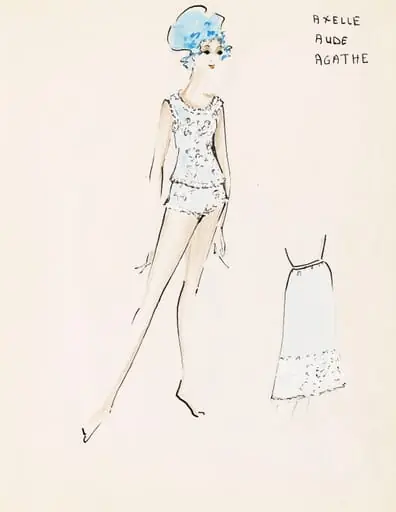
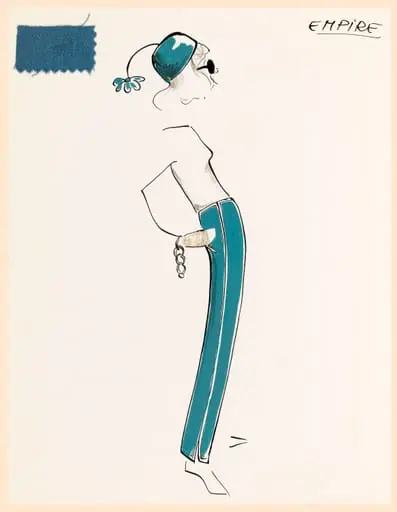
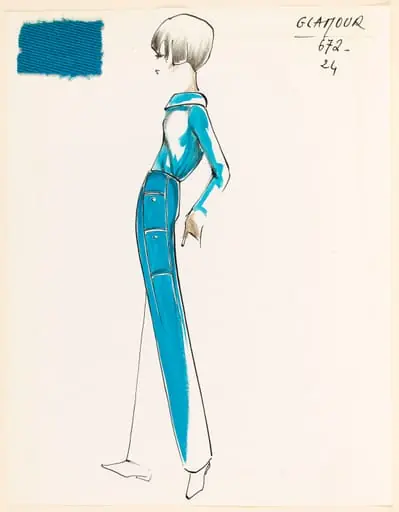
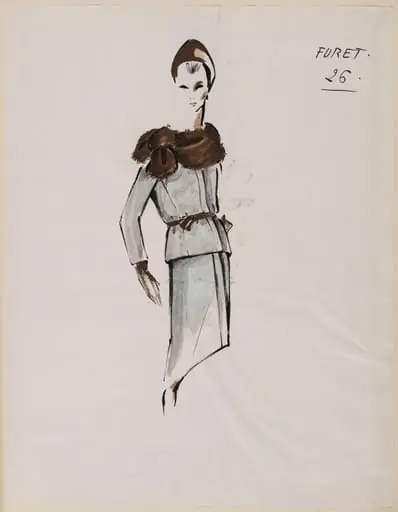
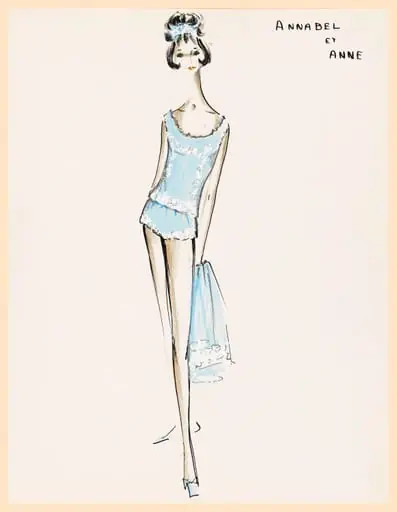
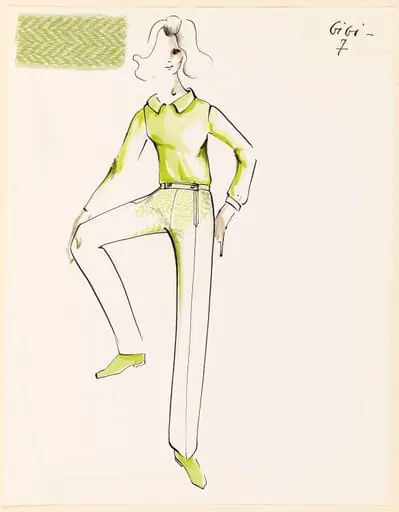
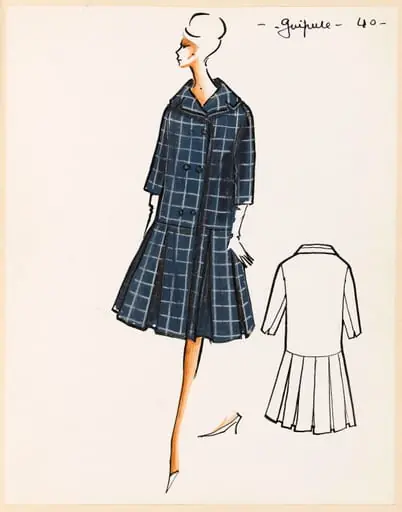
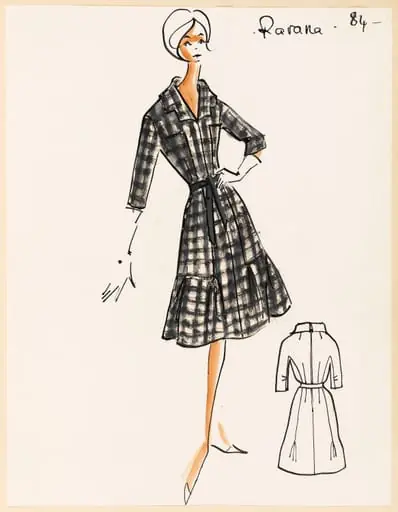
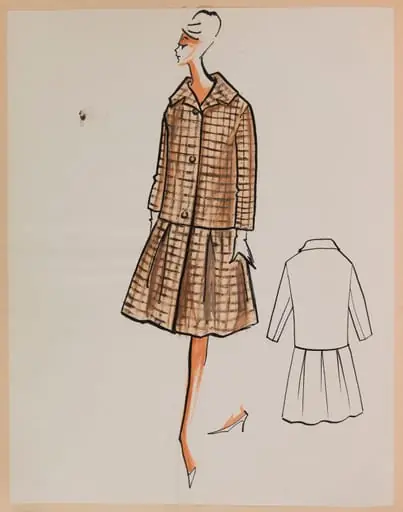
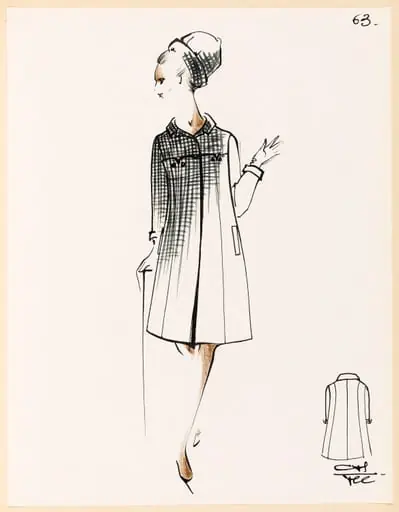
Berbère is a drawing by Carven. It dates from 1959 and is held in the collection of the Palais Galliera - Musée de la Mode de la Ville de Paris.
About this work
Overview
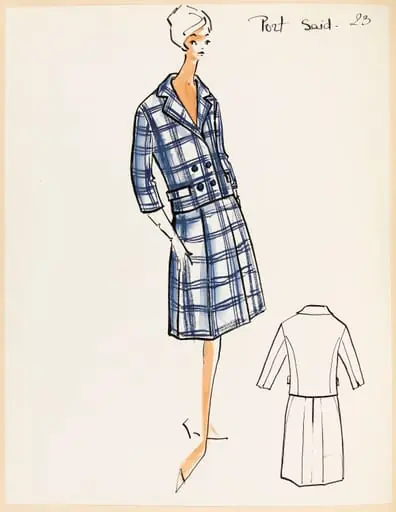
Berbère is a pencil drawing created around 1959 by the French fashion designer Carven. It is part of the collection at the Museum of Ethnography. The work presents a stylized portrait of a woman in contemporary mid-century attire, rendered with restrained precision. Its simplicity and clarity reflect Carven’s background in fashion design, where form and detail are distilled to essential lines.
Subject & Meaning
The image bridges fashion illustration and ethnographic representation, hinting at how Western dress was documented and interpreted in that era.
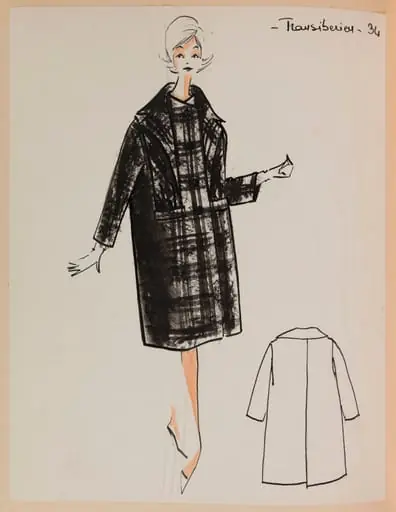
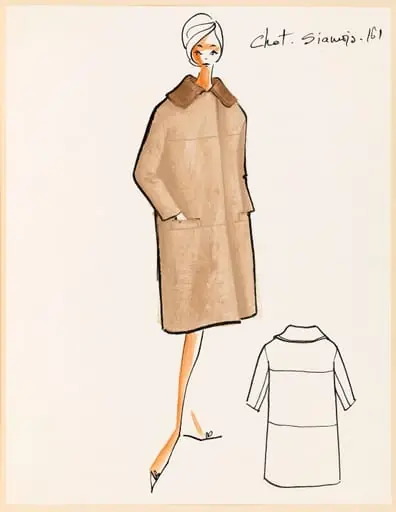
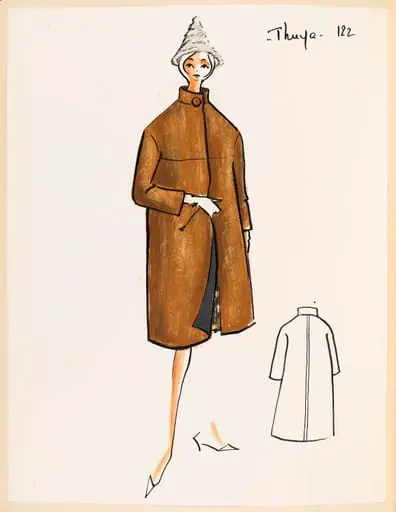
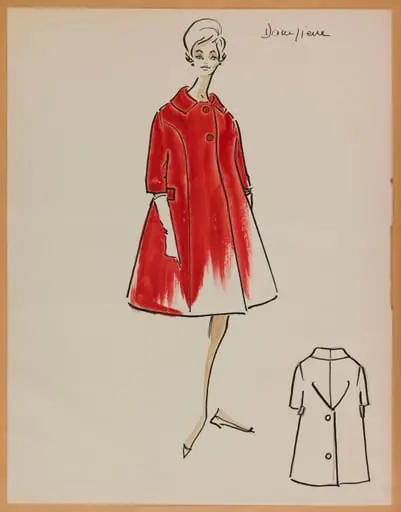
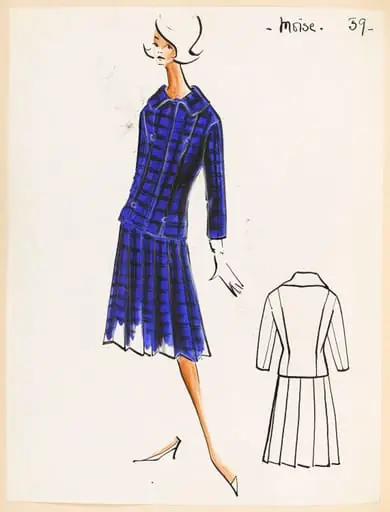
The subject is a woman dressed in a plaid coat over a white dress with defined collar and cuffs, her bob haircut and high heels signaling a 1950s urban aesthetic. To her right, a schematic outline of the coat appears, suggesting a design sketch or pattern reference. The image bridges fashion illustration and ethnographic representation, hinting at how Western dress was documented and interpreted in that era.
Technique & Style
Rendered in fine, unmodulated pencil lines, the drawing avoids shading and texture, relying on contour and proportion to convey form. The clean, deliberate strokes reflect a designer’s eye for structure. The coat’s plaid pattern is simplified into geometric bands, while the figure’s posture and clothing are rendered with quiet elegance, emphasizing silhouette over detail.
History & Provenance
Created during Carven’s active years as a fashion designer, the drawing likely served as a personal study or reference. It entered the Museum of Ethnography’s collection as part of a broader effort to document everyday dress in postwar Europe. Its presence in an ethnographic context, rather than a fashion archive, suggests an interest in cultural representation through clothing.
Context
In late 1950s France, fashion design was increasingly intertwined with cultural identity and modernity. Carven, known for her tailored yet accessible styles, captured the everyday elegance of middle-class women. This drawing reflects a moment when fashion illustrations were used not only for production but also as cultural artifacts, documenting how ordinary people dressed in a rapidly changing society.
Legacy
Berbère remains a quiet example of how fashion designers documented their observations of daily life. While not widely exhibited, its inclusion in an ethnographic museum underscores its value as a record of mid-century dress and gendered aesthetics. It offers insight into how design thinking extended beyond the runway into the observation of social norms.
Artist & collection
Artist
These delicate ink-on-paper drawings capture the quiet poetry of everyday things: pinecones, reeds, apples.
Museum
Palais Galliera - Musée de la Mode de la Ville de Paris
Continue through works from the same source collection.