Artwork
Esperanto
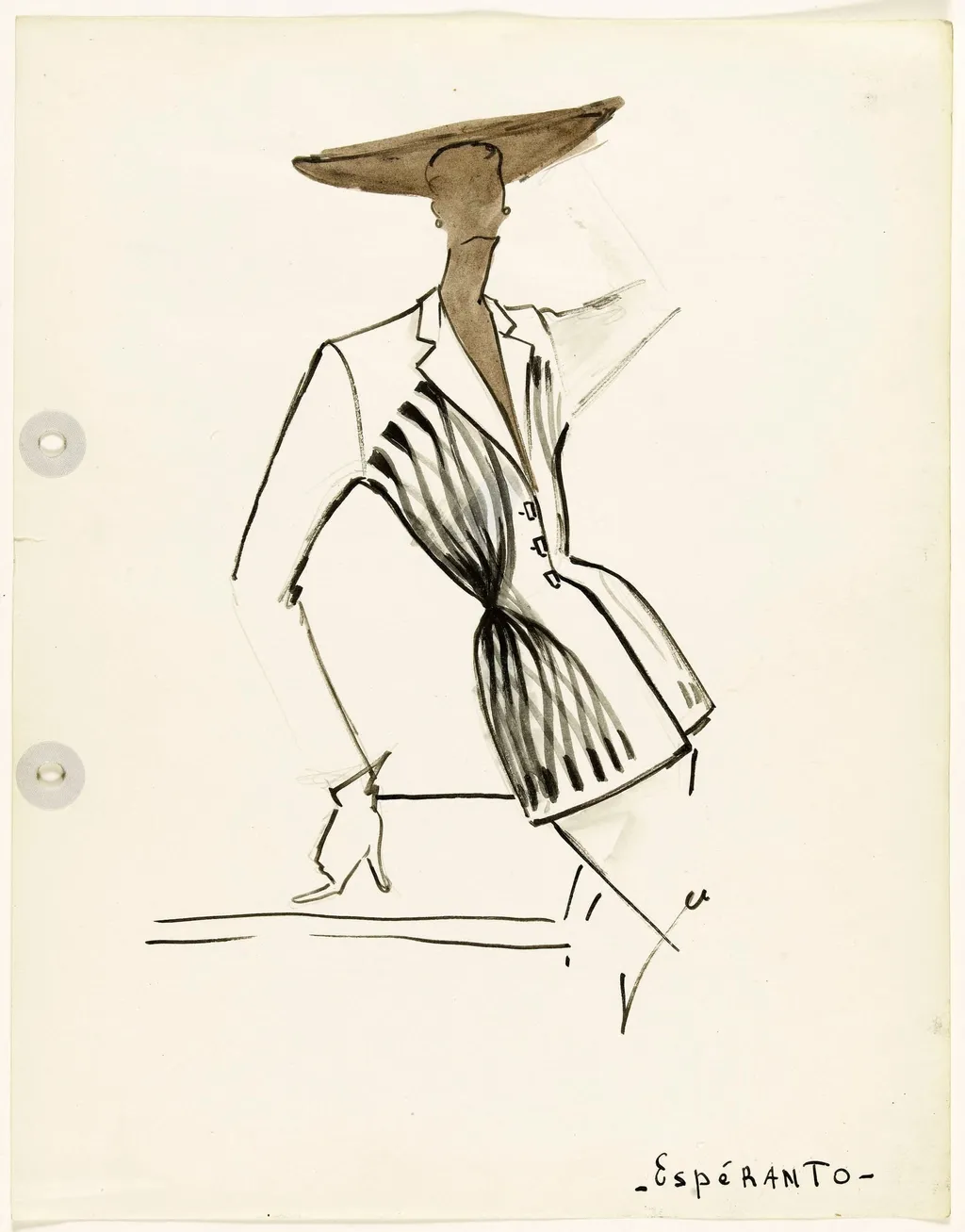
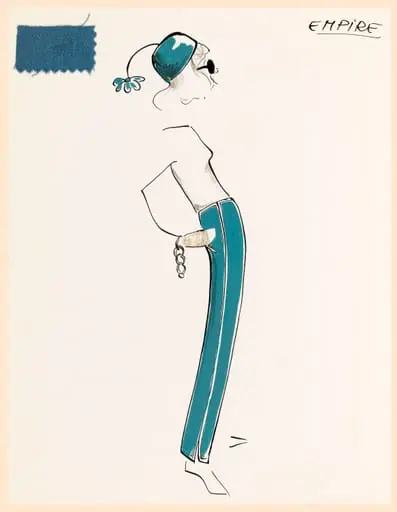
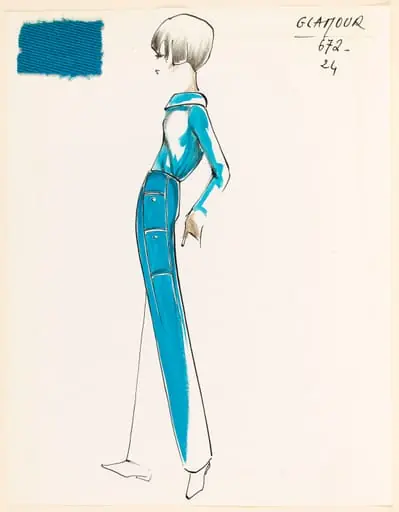
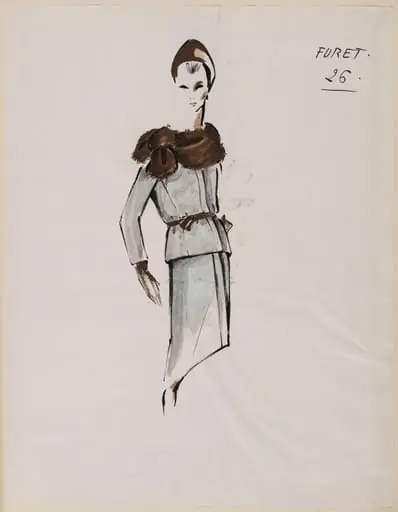
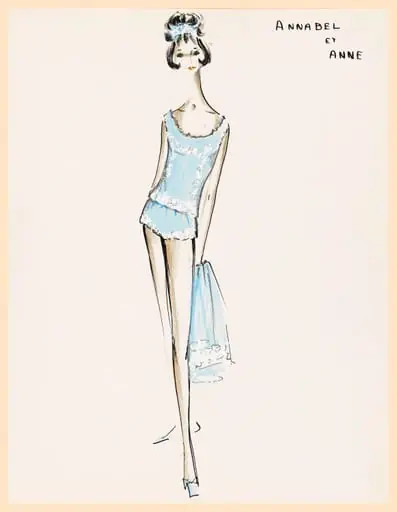
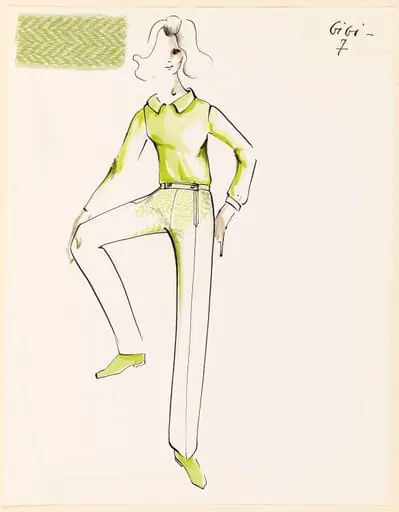
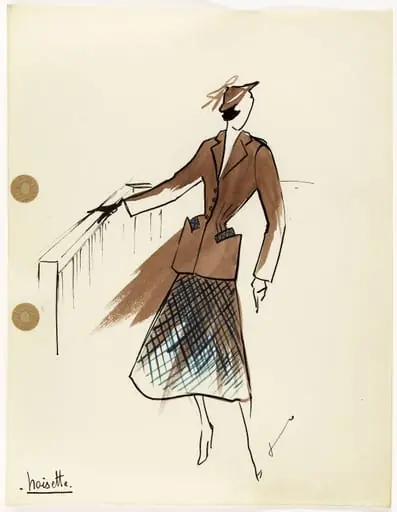
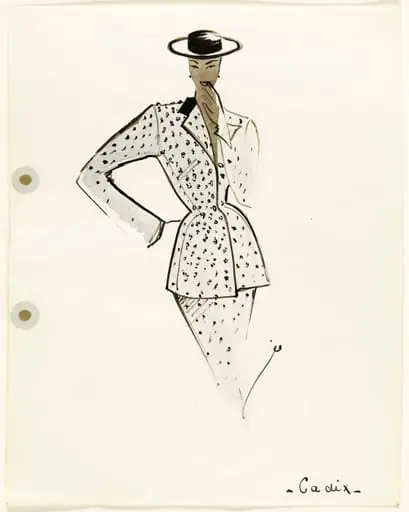
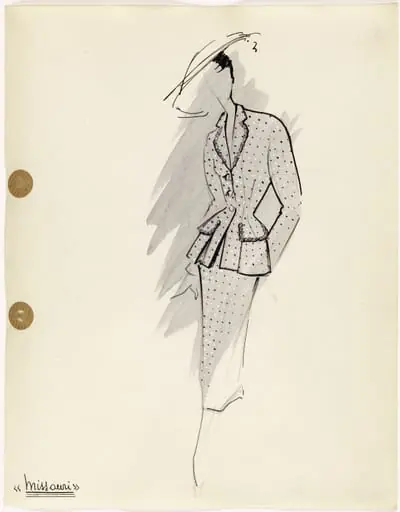
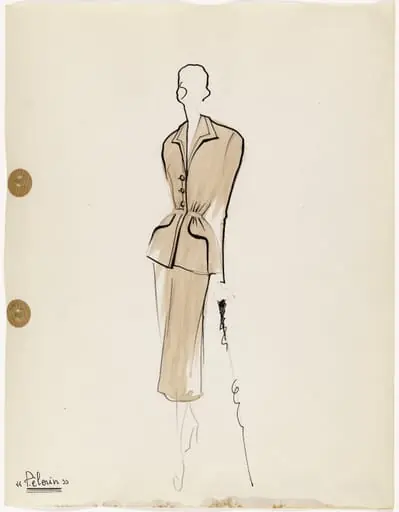
Esperanto is a drawing by Carven. It dates from 1951 and is held in the collection of the Palais Galliera - Musée de la Mode de la Ville de Paris.
About this work
Overview
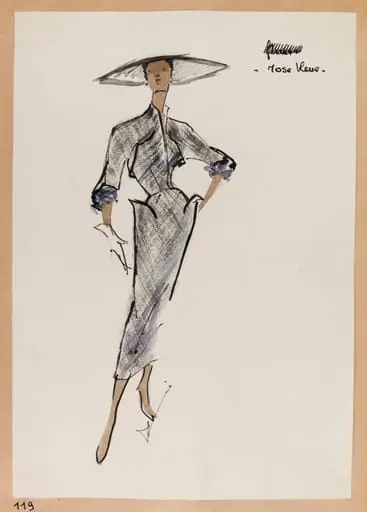
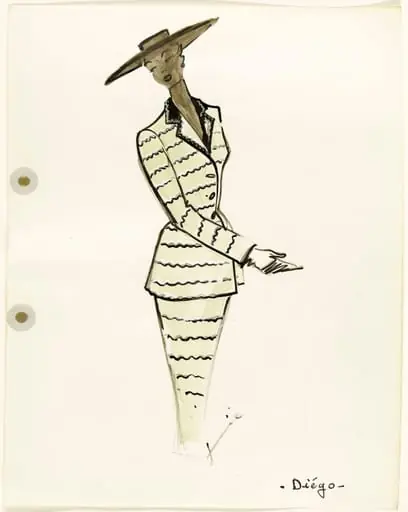
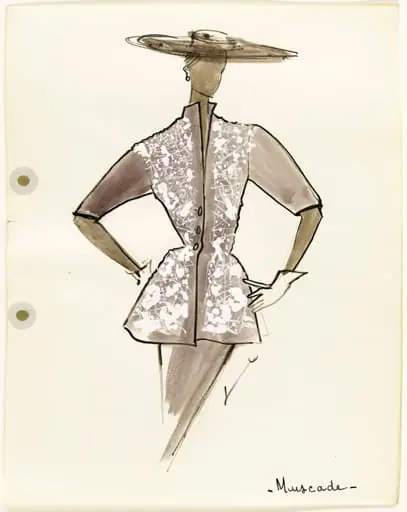
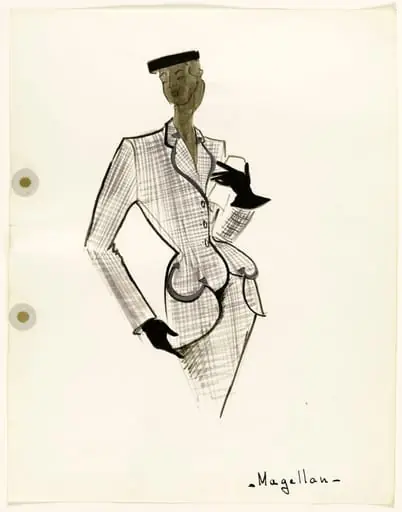
“Esperanto,” executed in 1951 by the fashion illustrator Carven, is a drawing in the collection of the Museum of Ethnography. The image captures a solitary woman in motion, her figure rendered with swift, undulating lines that suggest both the flow of fabric and the cadence of her stride.
Subject & Meaning
The composition centers on a female figure dressed in a loose, flowing coat and a wide‑brimmed hat. The simplified treatment of limbs reduces the body to gestural marks, emphasizing the act of walking and the interplay between garment and movement rather than individual identity.
Technique & Style
Carven employs rapid, wavy strokes to delineate the coat’s striped pattern and the hat’s silhouette, leaving large areas lightly shaded. The drawing favors suggestion over detail, using minimal line work to convey texture, volume, and the kinetic energy of the scene.
History & Provenance
Created in the early 1950s, “Esperanto” entered the Museum of Ethnography’s holdings as part of its fashion illustration archive. The work reflects Carven’s broader practice of producing bold, stylized sketches that document contemporary clothing trends.
Artist & collection
Artist
These delicate ink-on-paper drawings capture the quiet poetry of everyday things: pinecones, reeds, apples.
Museum
Palais Galliera - Musée de la Mode de la Ville de Paris
Continue through works from the same source collection.