Artwork
'Faza'
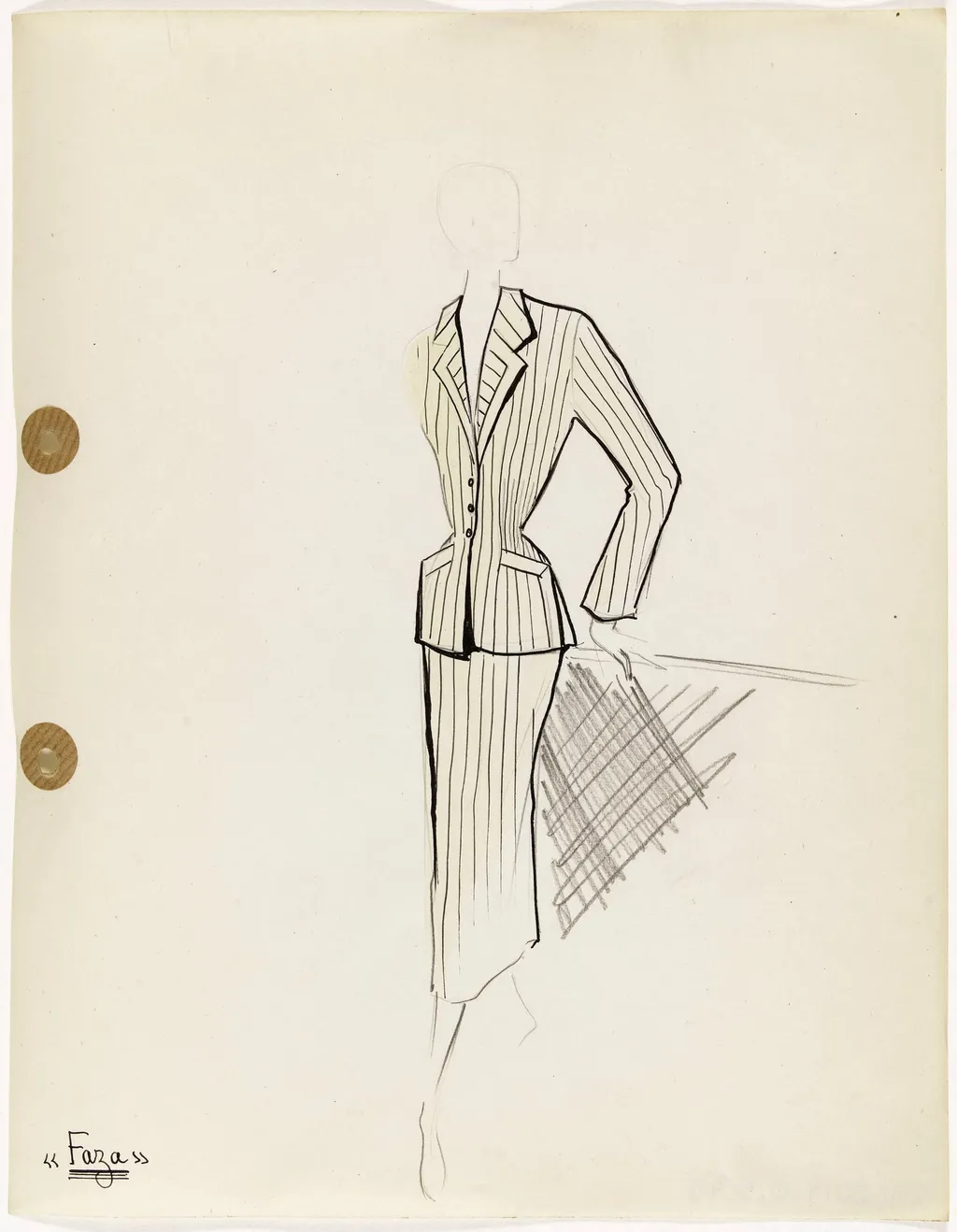
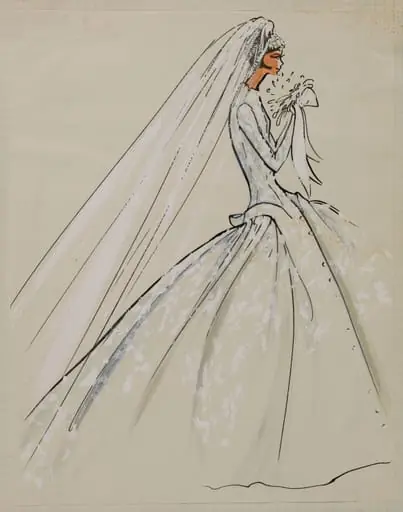
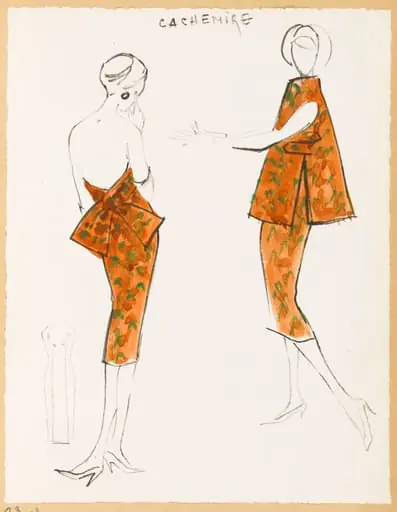
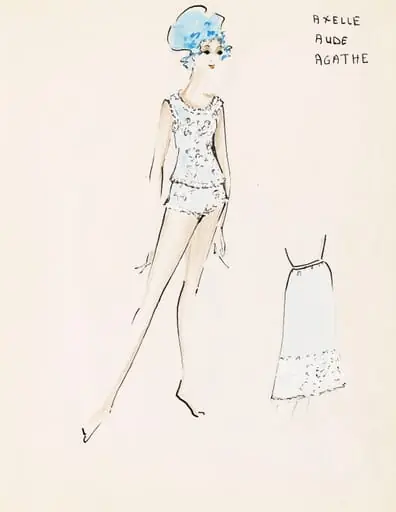
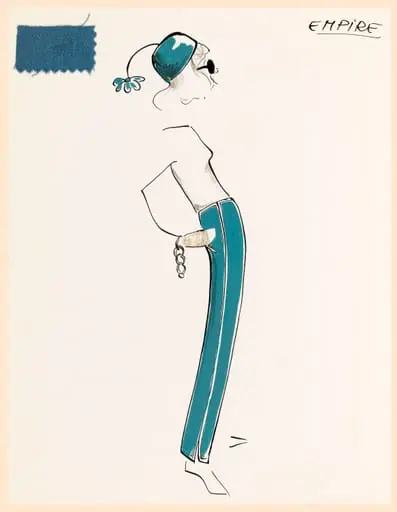
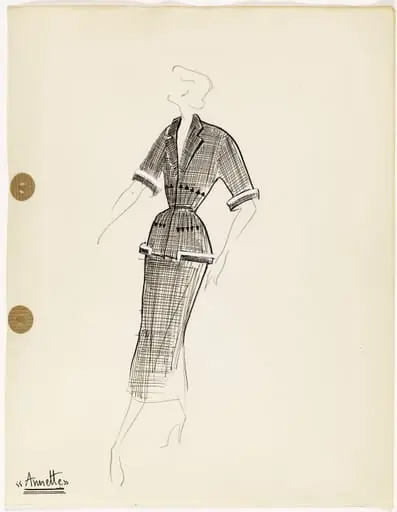
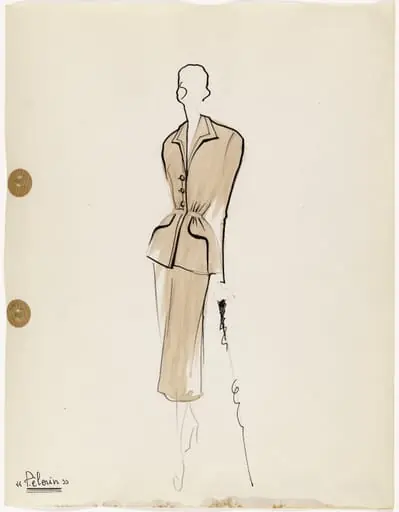
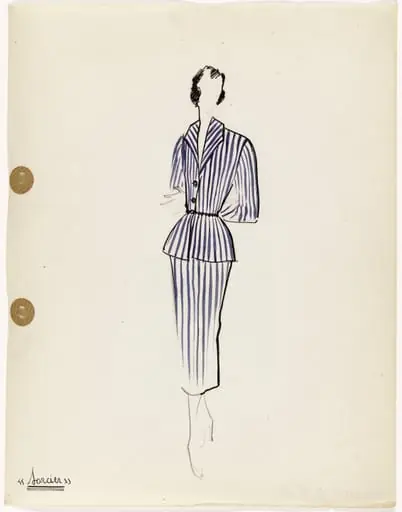
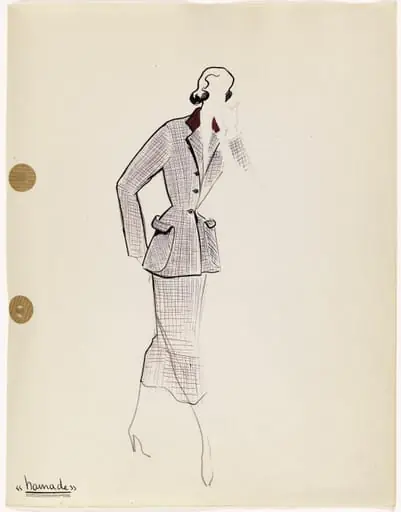
'Faza' is a drawing by Carven. It dates from 1949 and is held in the collection of the Palais Galliera - Musée de la Mode de la Ville de Paris.
About this work
Overview
Created in 1949, 'Faza' is a pencil sketch by the designer Carven, currently held in the collection of the Museum of Ethnography.
Created in 1949, 'Faza' is a pencil sketch by the designer Carven, currently held in the collection of the Museum of Ethnography. The work presents a stylized portrait of a woman dressed in a tailored suit, rendered with minimal yet deliberate linework. Its compact format and restrained detail suggest it may have served as a design study or fashion plate, reflecting the artist’s engagement with mid-century dress aesthetics.
Subject & Meaning
The figure depicted is a woman in a structured, modern suit with pronounced shoulders and a long coat, evoking postwar professional attire. The pose is static, emphasizing silhouette over expression, suggesting the focus is on garment construction rather than individual identity. The absence of facial features or context reinforces the work’s function as a study of form and tailoring, typical of fashion design documentation of the era.
Technique & Style
Carven employed clean, confident lines to define the suit’s sharp contours, using minimal strokes to suggest volume. Subtle cross-hatching on the sleeve adds tonal depth without overwhelming the composition. The coat’s texture is implied through sparse, rhythmic marks, while the signature in small, precise script anchors the work as a deliberate, authored piece. Two small circular marks on the left edge may indicate archival stamps or production seals.
History & Provenance
The sketch entered the Museum of Ethnography’s collection as part of a broader acquisition of fashion-related materials, likely donated or transferred from a private or institutional archive. Its survival as a standalone drawing, rather than a published illustration, suggests it was retained for its technical merit. No documented exhibition history is known prior to its inclusion in the museum’s holdings.
Context
In the late 1940s, Parisian fashion houses emphasized structured silhouettes as a return to elegance after wartime austerity. Carven, known for refined tailoring, often produced such sketches to guide seamstresses or present designs to clients. 'Faza' aligns with this practice, reflecting the industry’s reliance on hand-drawn studies before mass production, and the quiet transition from haute couture to ready-to-wear.
Legacy
Though not widely published or exhibited, 'Faza' remains a representative example of mid-century fashion design methodology. Its preservation in an ethnographic context underscores the cultural significance of clothing as material culture. The work contributes to understanding how designers translated aesthetic ideals into tangible garments, offering insight into a largely undocumented aspect of fashion history.
Artist & collection
Artist
These delicate ink-on-paper drawings capture the quiet poetry of everyday things: pinecones, reeds, apples.
Museum
Palais Galliera - Musée de la Mode de la Ville de Paris
Continue through works from the same source collection.