Artwork
Ludovic
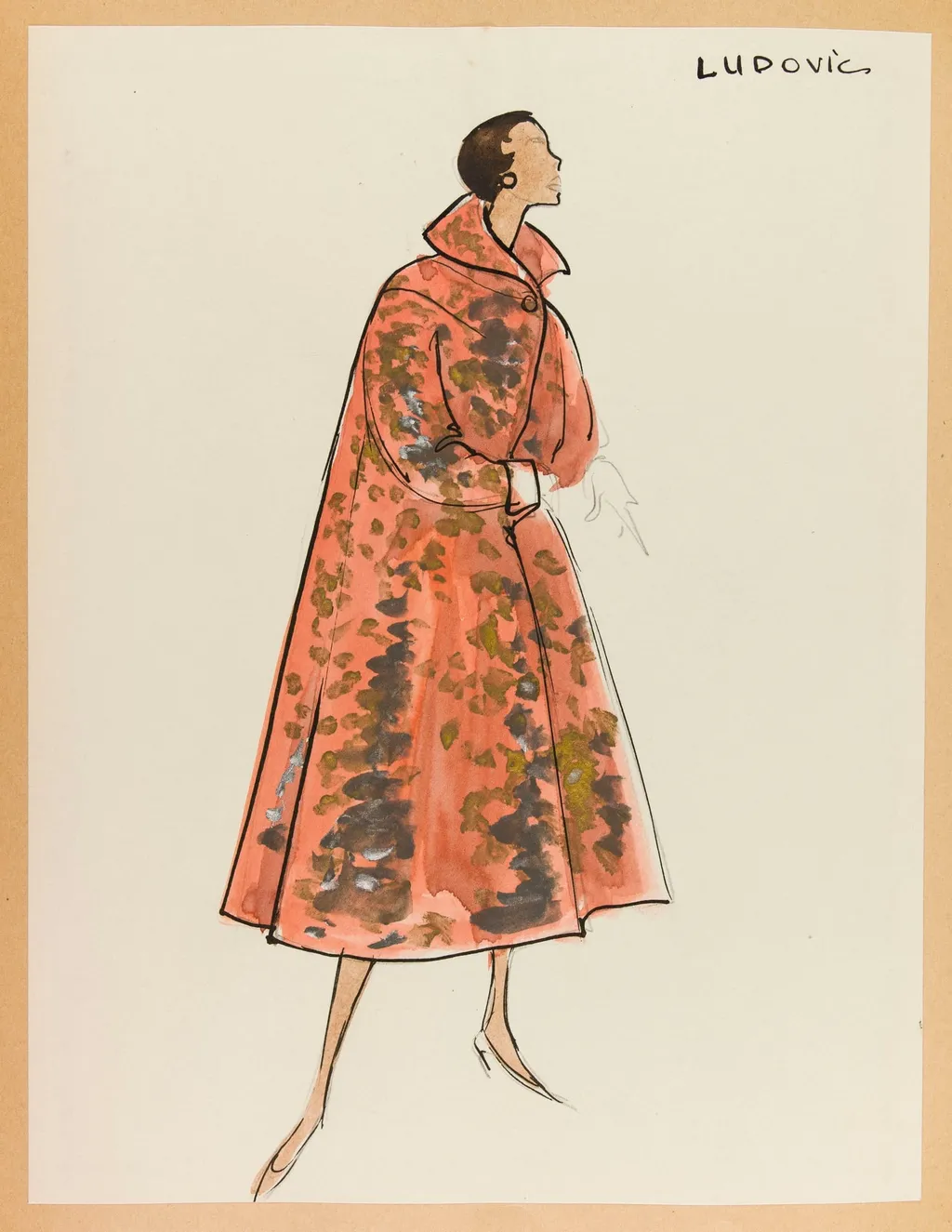
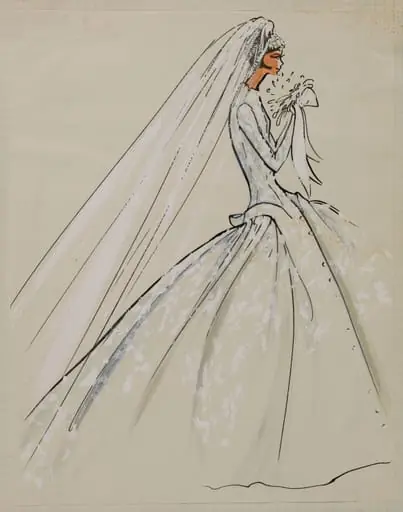
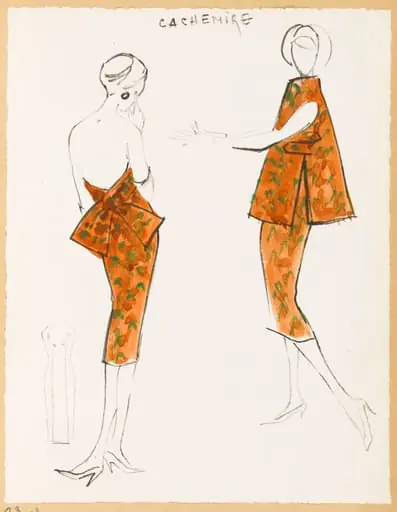
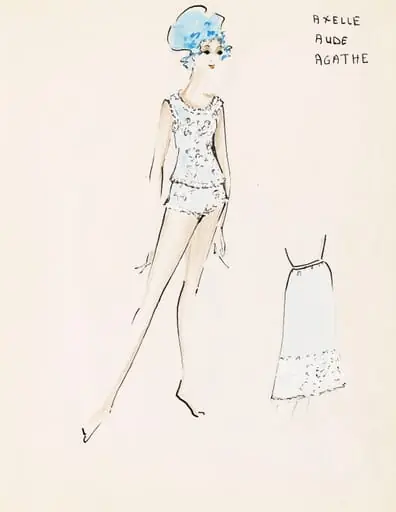
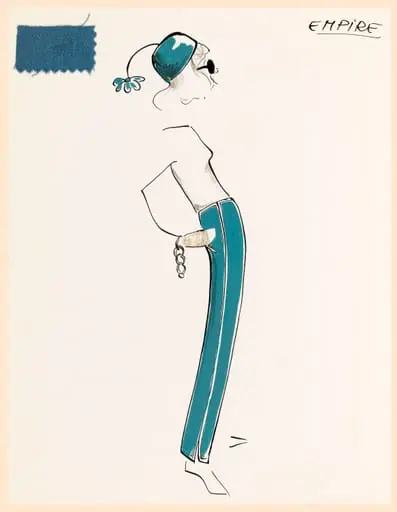
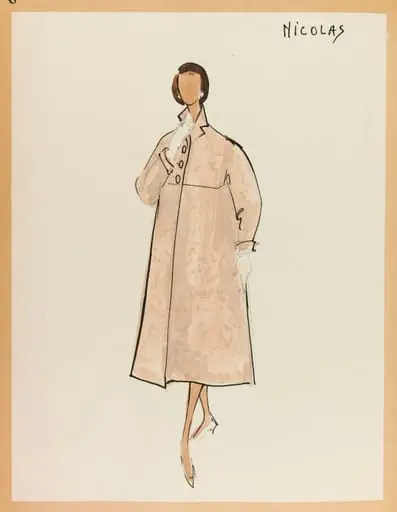
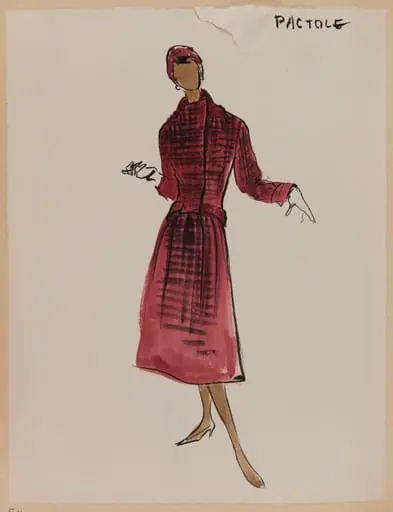
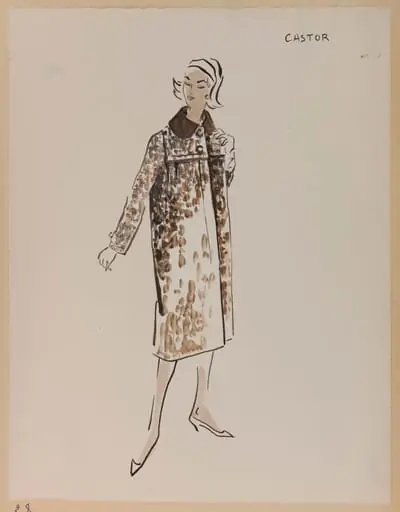
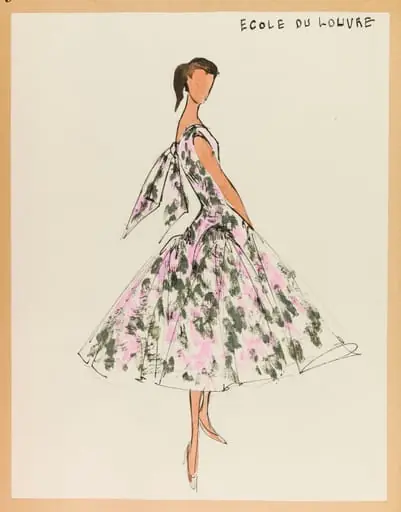
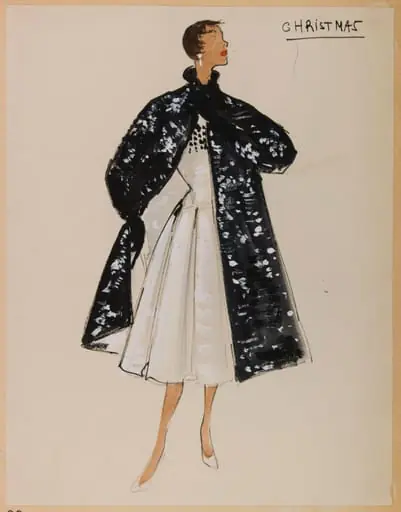
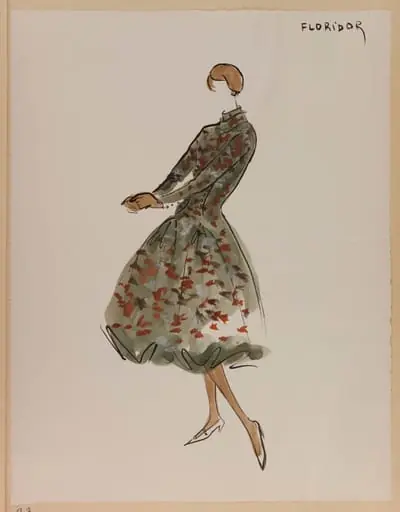
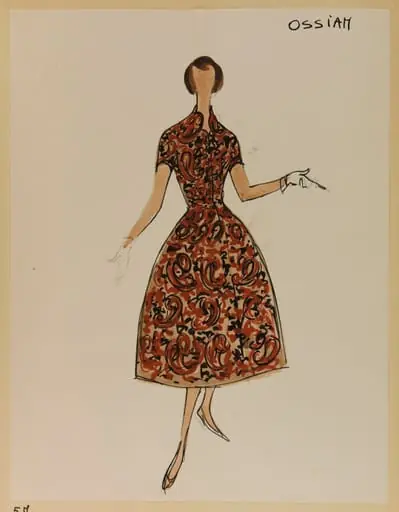
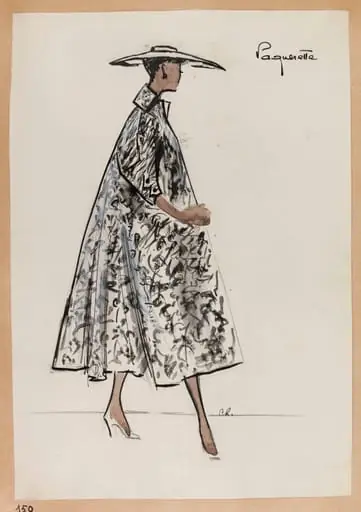
Ludovic is a drawing by Carven. It dates from 1955 and is held in the collection of the Palais Galliera - Musée de la Mode de la Ville de Paris.
About this work
Overview
Though labeled 'Ludovic' in the corner, the name likely refers to a subject or internal designation rather than the artist.
Created around 1955, this drawing is attributed to the fashion designer Carven. Though labeled 'Ludovic' in the corner, the name likely refers to a subject or internal designation rather than the artist. The work is part of the Museum of Ethnography’s collection, where it is preserved as an example of mid-century fashion illustration, reflecting the designer’s practice of capturing garment details through spontaneous sketches.
Subject & Meaning
The figure depicted is a woman viewed from behind, her posture composed and private. She wears a peach-toned coat adorned with large, dark floral motifs that appear loosely applied, almost as if brushed or splattered. Her hair is neatly gathered, and she holds a small accessory—perhaps gloves or a purse—suggesting a moment of transition. The image conveys quiet elegance, emphasizing garment over identity.
Technique & Style
The drawing employs fluid, expressive lines to define the coat’s form and the bold floral pattern. The flowers lack precise outlines, resembling ink or watercolor splashes, giving them an organic, spontaneous quality. The rendering is minimal in detail elsewhere, focusing attention on texture and silhouette. The signature 'Ludovic' in the corner is handwritten, contrasting with the more deliberate draftsmanship of the garment.
History & Provenance
The work entered the Museum of Ethnography’s collection as part of a broader acquisition of fashion-related materials from Carven’s studio. Its origin as a personal sketch, rather than a commercial illustration, suggests it was used for design development or internal reference. The museum’s preservation of such items underscores its interest in the material culture of fashion design processes.
Context
In the mid-1950s, Carven was known for blending French elegance with playful, informal motifs in ready-to-wear fashion. This sketch aligns with the era’s shift toward more accessible, expressive designs. Unlike formal fashion plates, such drawings were often made quickly, capturing the spirit of a garment before production. The floral pattern reflects contemporary trends favoring bold, abstracted nature-inspired prints.
Legacy
This drawing contributes to the understanding of Carven’s design methodology, revealing how garments were conceived through intuitive, visual experimentation. Its inclusion in an ethnographic museum highlights the cultural significance of fashion as a form of material expression. Though not widely exhibited, it remains a quiet testament to the creative process behind mid-century French fashion.
Artist & collection
Artist
These delicate ink-on-paper drawings capture the quiet poetry of everyday things: pinecones, reeds, apples.
Museum
Palais Galliera - Musée de la Mode de la Ville de Paris
Continue through works from the same source collection.