Artwork
Mangue
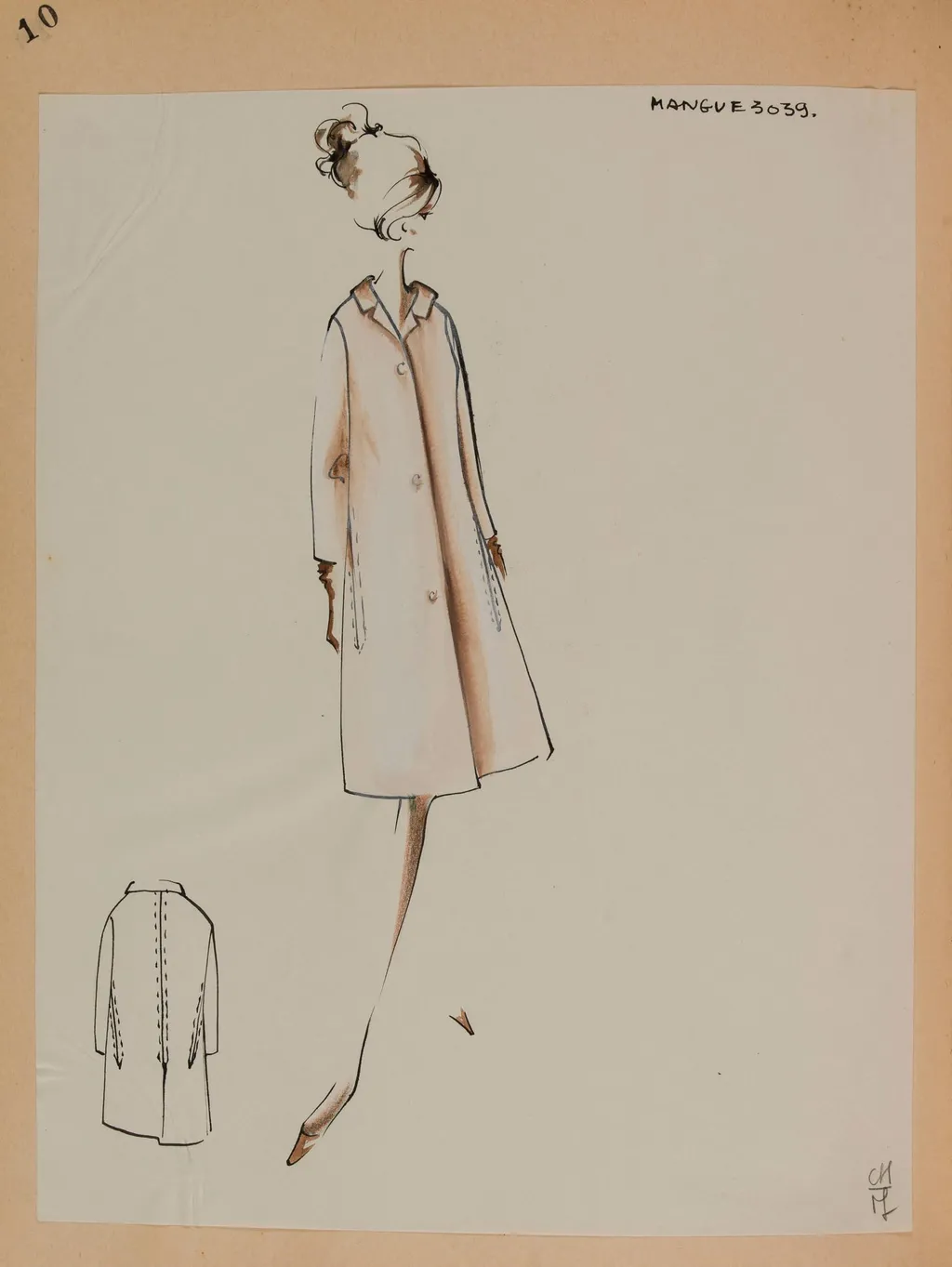
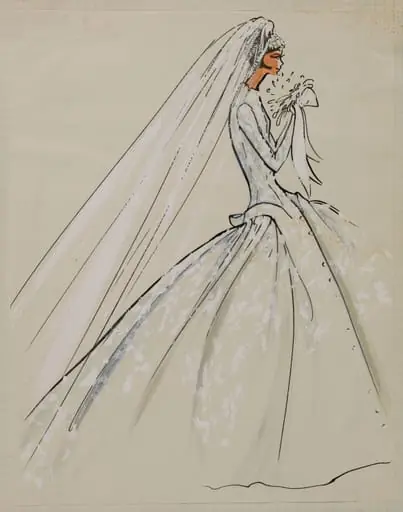
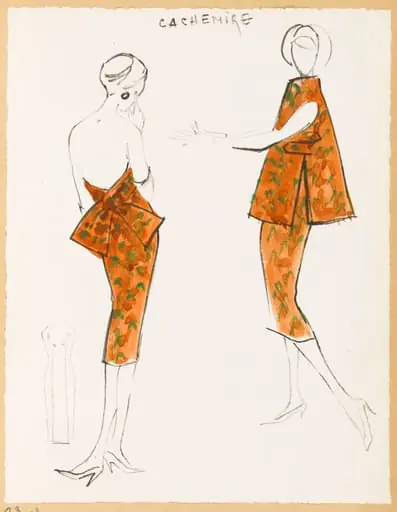
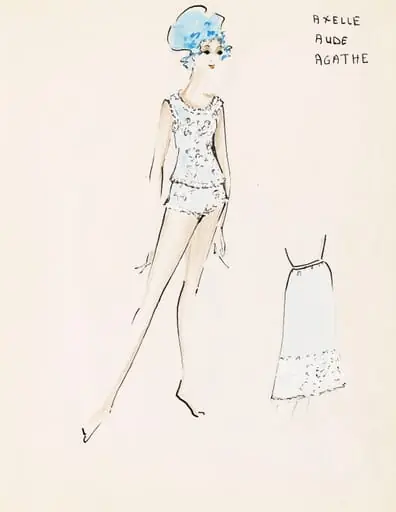
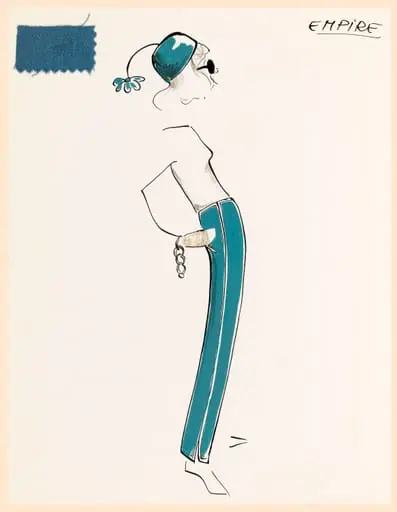
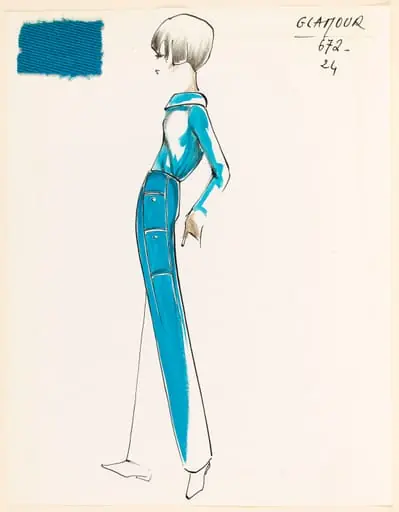
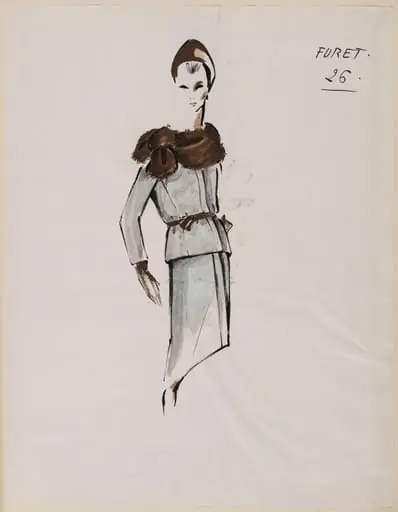
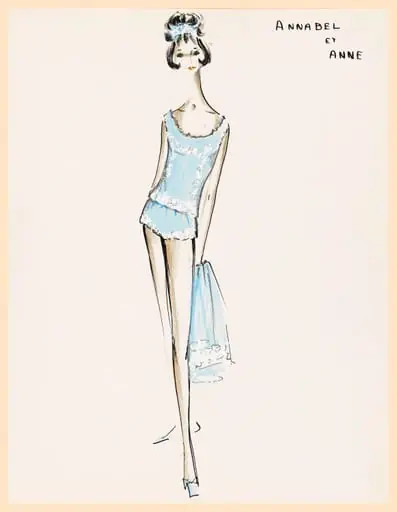
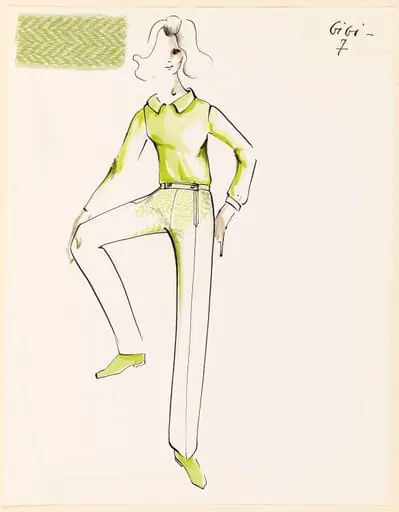
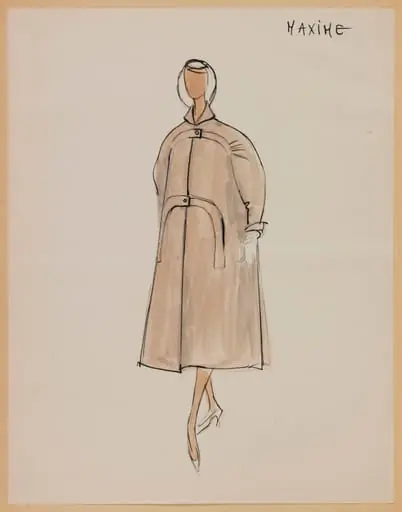
Mangue is a drawing by Carven. It dates from 1963 and is held in the collection of the Palais Galliera - Musée de la Mode de la Ville de Paris.
About this work
Overview
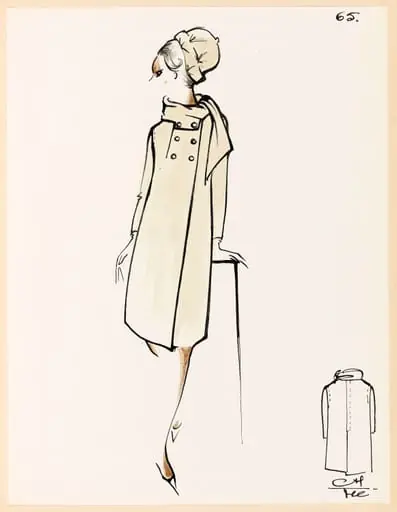
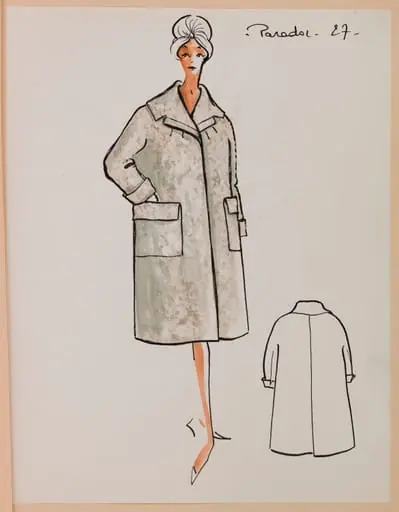
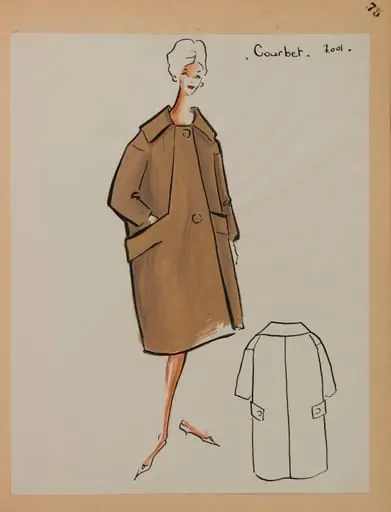
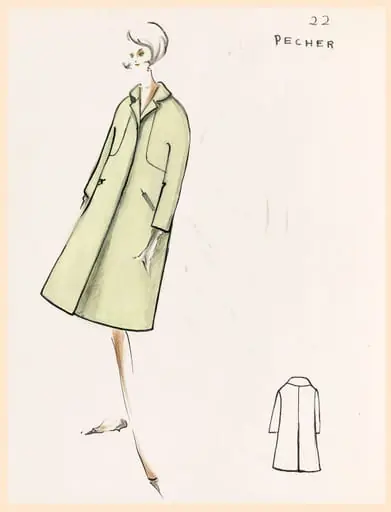
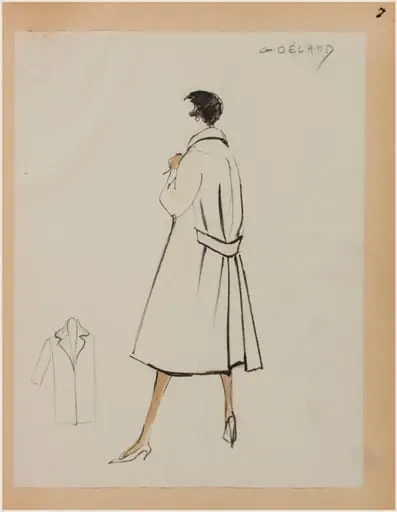
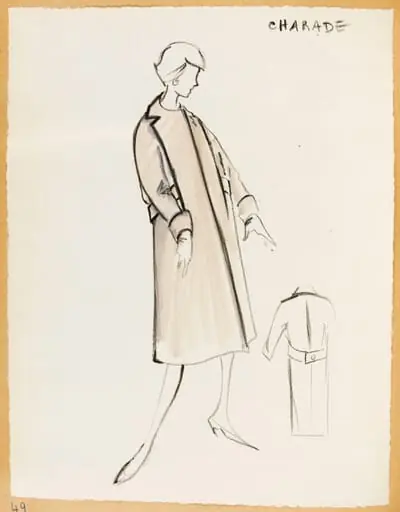
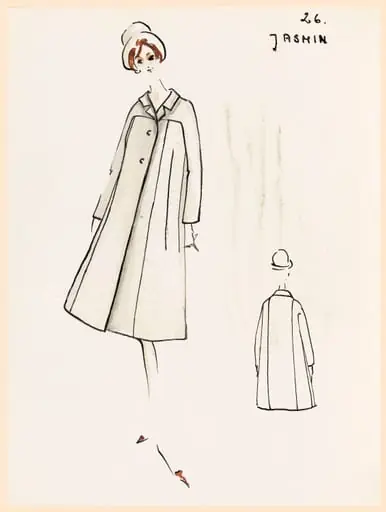
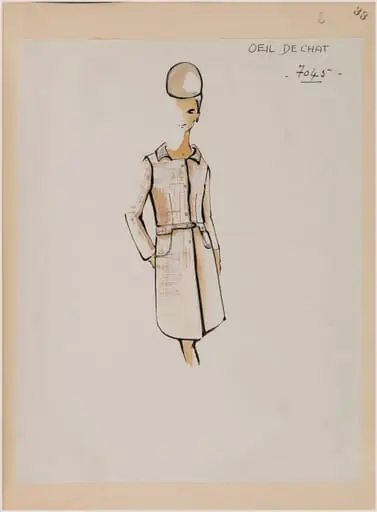
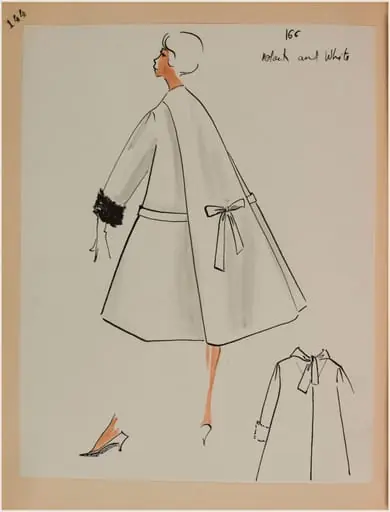
The drawing captures a single garment—a long, loose coat—with minimal detail, focusing on silhouette and drape rather than full figure or context.
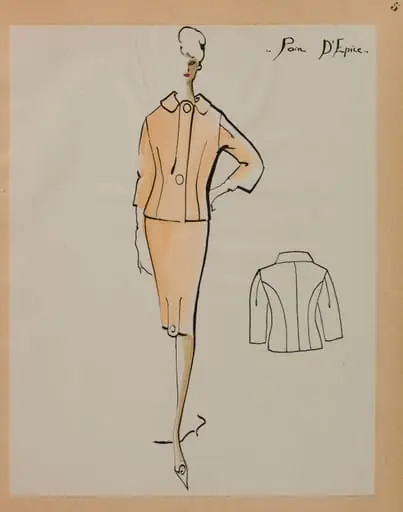
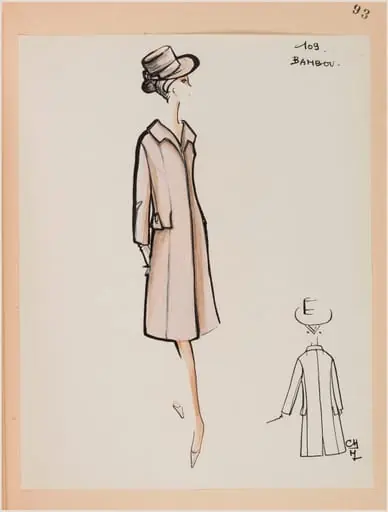
Mangue is a pencil sketch dated around 1963 by the French designer Carven. It resides in the collection of the Museum of Ethnography. The drawing captures a single garment—a long, loose coat—with minimal detail, focusing on silhouette and drape rather than full figure or context. A small secondary sketch of the coat’s rear appears in the corner, suggesting the artist’s interest in structural clarity.
Subject & Meaning
The work presents a practical, everyday coat designed for women, emphasizing comfort and understated elegance. Its high collar and three-button front reflect mid-century French fashion sensibilities, balancing modesty with ease of movement. The relaxed pose implies wearability in daily life, positioning the garment not as ceremonial attire but as a functional element of modern dress.
Technique & Style
Carven employed light, fluid pencil strokes to convey fabric texture and motion without heavy shading or detail. Lines are deliberate yet uncluttered, avoiding ornamentation to highlight the coat’s form. The quickness of the draft suggests a working sketch, prioritizing clarity over finish. The inclusion of a rear view indicates an analytical approach to garment construction.
History & Provenance
Created during Carven’s active design years, the sketch entered the Museum of Ethnography’s collection as part of a broader effort to document fashion as cultural artifact. Its preservation reflects institutional interest in mid-century design processes, particularly how couturiers translated ideas from paper to garment. No public record of prior ownership exists beyond its institutional acquisition.
Context
In the early 1960s, French fashion emphasized clean lines and wearable elegance, moving away from the structured silhouettes of the previous decade. Carven’s work aligned with this shift, favoring simplicity and comfort. This sketch exemplifies how designers documented their ideas for production, serving as both creative record and technical guide within a studio practice.
Legacy
Mangue remains a quiet testament to Carven’s design philosophy: restrained, functional, and rooted in real-life use. While not widely exhibited, its presence in an ethnographic museum underscores its value as a document of everyday fashion-making. It contributes to understanding how mid-century designers approached garment development with economy and precision.
Artist & collection
Artist
These delicate ink-on-paper drawings capture the quiet poetry of everyday things: pinecones, reeds, apples.
Museum
Palais Galliera - Musée de la Mode de la Ville de Paris
Continue through works from the same source collection.