Artwork
Goéland
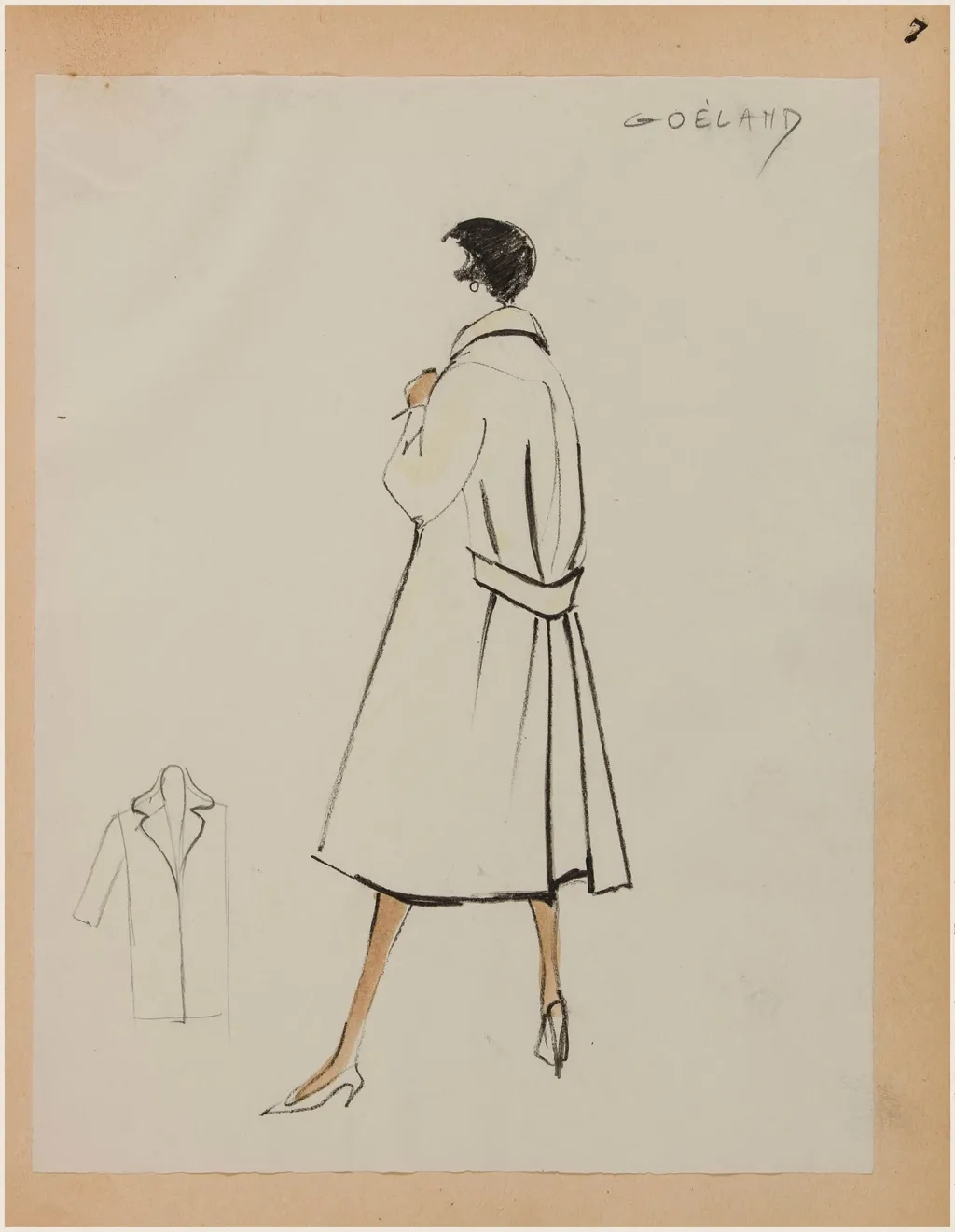
Goéland is a drawing by Carven. It dates from 1958 and is held in the collection of the Palais Galliera - Musée de la Mode de la Ville de Paris.
About this work
Overview
The title, signed by the artist, may reflect a personal or whimsical reference rather than a literal subject.
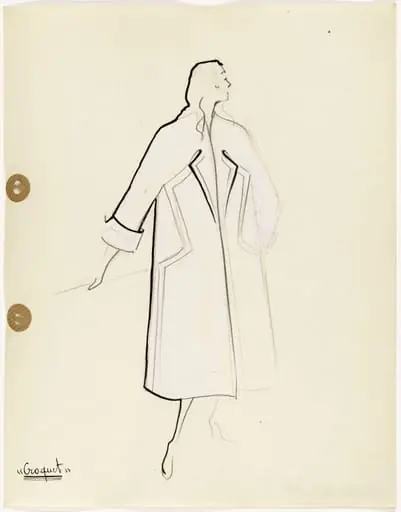
Created around 1958, Goéland is a pencil sketch attributed to the fashion designer Carven. It resides in the collection of the Museum of Ethnography. The work presents a fleeting figure of a woman in motion, rendered with minimal, energetic lines. Its informal quality suggests it was made as a rapid observation rather than a finished composition. The title, signed by the artist, may reflect a personal or whimsical reference rather than a literal subject.
Subject & Meaning
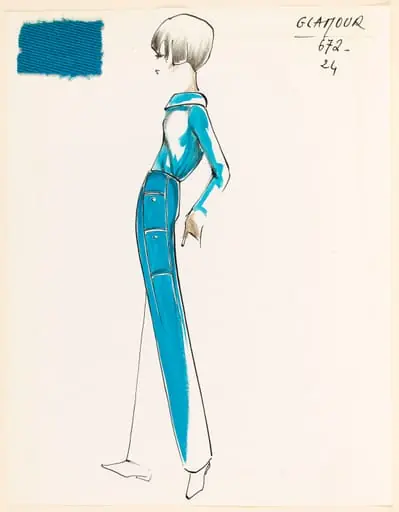
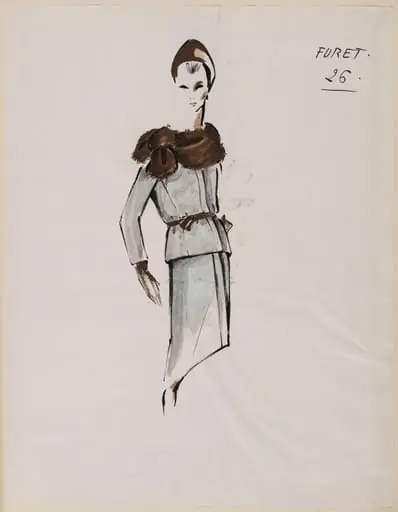
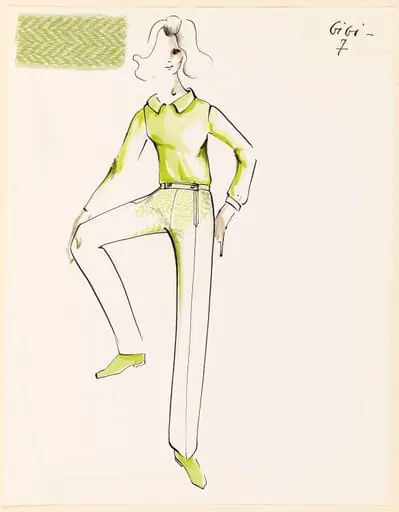
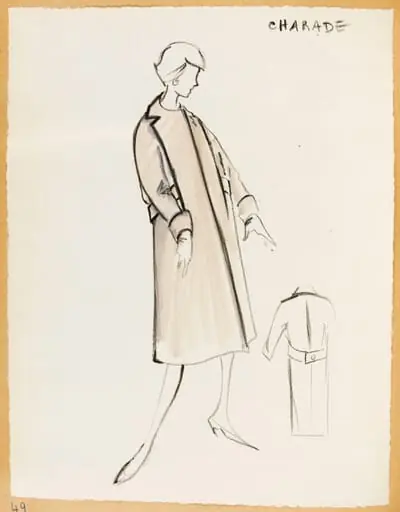
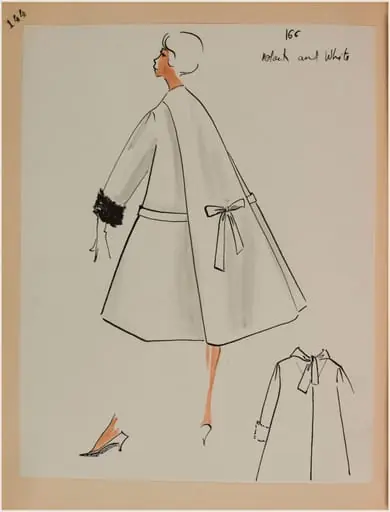
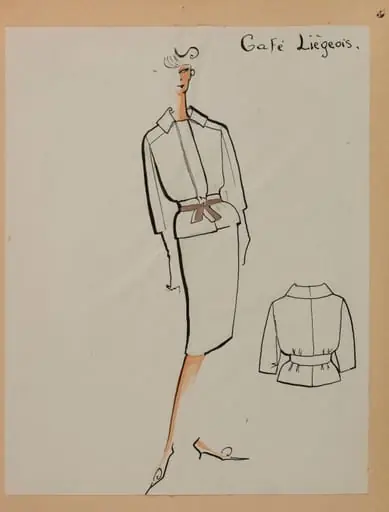
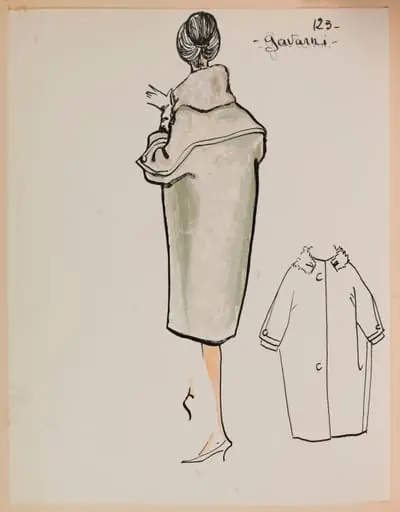
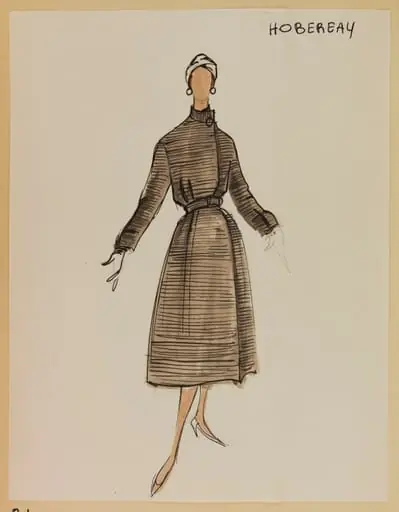
The figure depicts a woman walking away from the viewer, dressed in a long coat, belted dress, and low-heeled shoes, with hair neatly pulled back and a small bag in hand. The posture and attire suggest an everyday urban moment, likely drawn from life. The inclusion of a faint outline of the coat in the corner hints at the artist’s focus on garment structure. The title 'Goéland'—French for 'gull'—may imply lightness, movement, or a private allusion, adding ambiguity to the scene’s narrative.
Technique & Style
The drawing employs loose, swift pencil strokes that prioritize gesture over detail. Contours are fluid and unfinished, capturing the essence of form rather than its precision. The artist’s hand moves with economy, suggesting spontaneity and direct observation. The faint secondary outline of the coat reveals an iterative process, possibly a reworking or annotation. This approach aligns with fashion sketching traditions, where speed and suggestion serve functional design purposes.
History & Provenance
The work entered the Museum of Ethnography’s collection without documented provenance prior to its acquisition. Its origin as a personal sketch by Carven remains unverified, though its style and subject align with the designer’s known practice of recording garments in motion. No exhibition or publication history is recorded before its inclusion in the museum’s holdings, suggesting it was likely acquired as part of a broader donation of fashion-related materials.
Context
In the late 1950s, Carven was known for blending Parisian elegance with practicality, often sketching garments in real-life settings. This drawing reflects a broader trend among fashion designers to document movement and wearability through informal studies. Unlike formal fashion plates, such sketches prioritized authenticity over idealization. The work fits within a lineage of designer-led observational drawing, where clothing is understood through its interaction with the body in motion.
Legacy
Goéland endures as a quiet example of fashion design’s intimate, behind-the-scenes process. It offers insight into how garments were conceived not just as objects, but as elements of lived experience. While not widely exhibited, its presence in an ethnographic context signals a growing recognition of fashion as cultural practice. The sketch invites reflection on the unseen labor and observation underlying design, beyond the runway or catalog.
Artist & collection
Artist
These delicate ink-on-paper drawings capture the quiet poetry of everyday things: pinecones, reeds, apples.
Museum
Palais Galliera - Musée de la Mode de la Ville de Paris
Continue through works from the same source collection.