Artwork
Mont Blanc
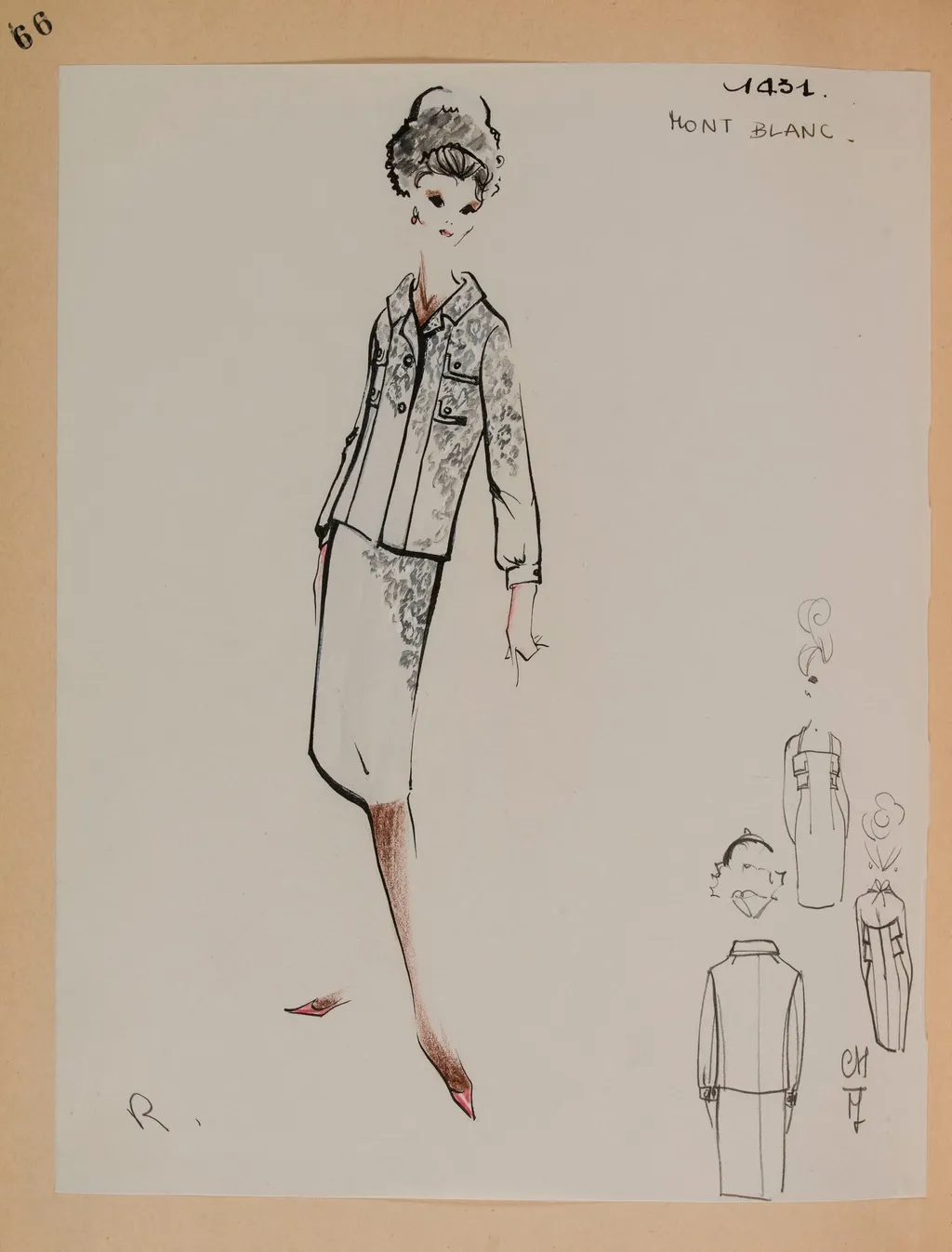
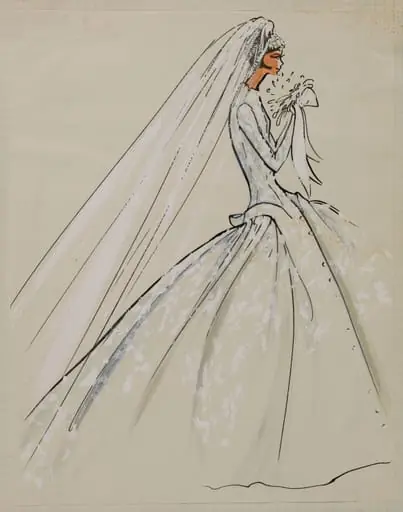
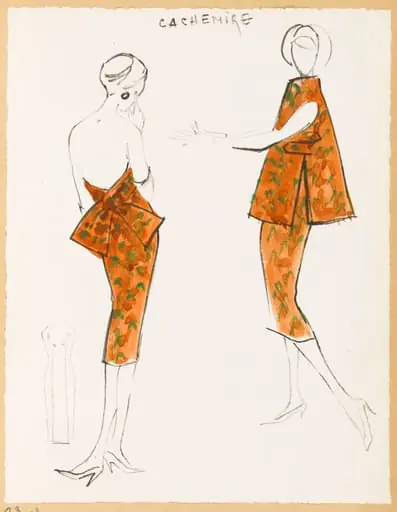
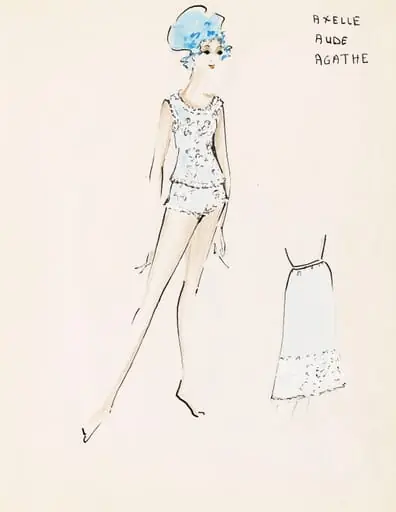
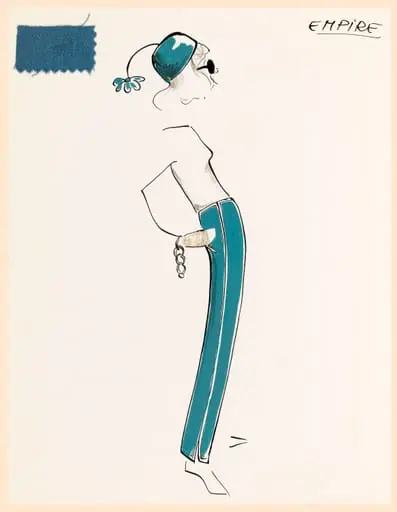
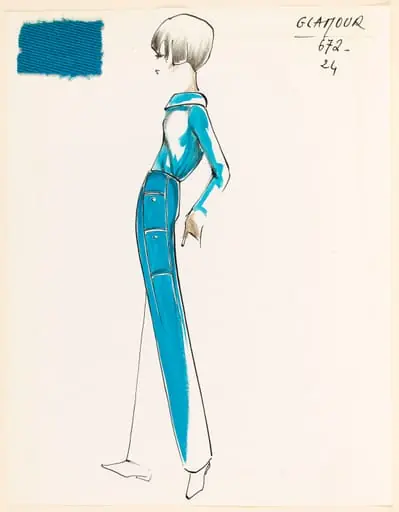
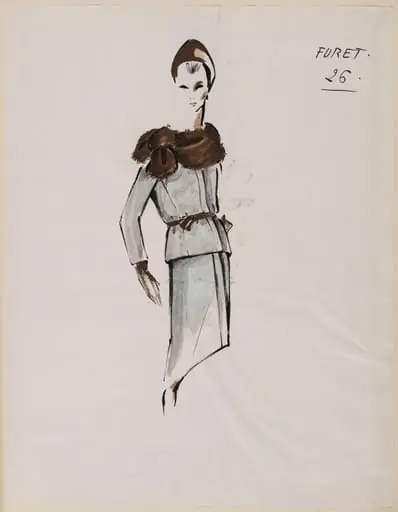
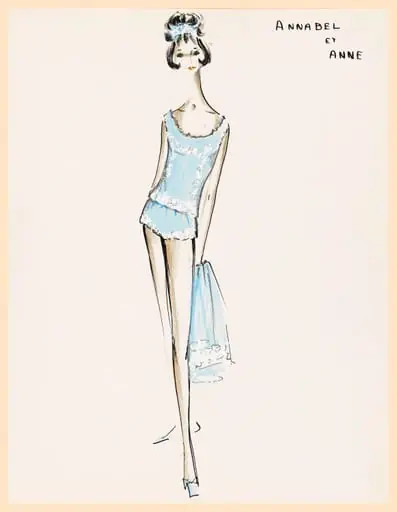
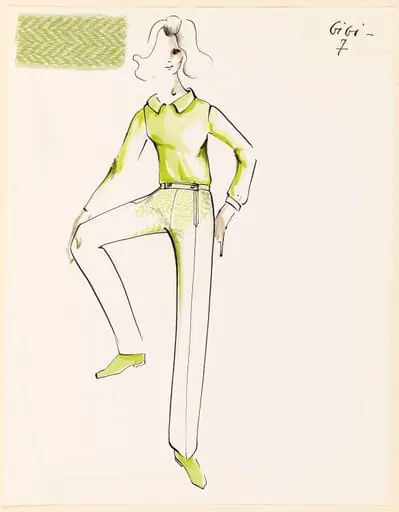
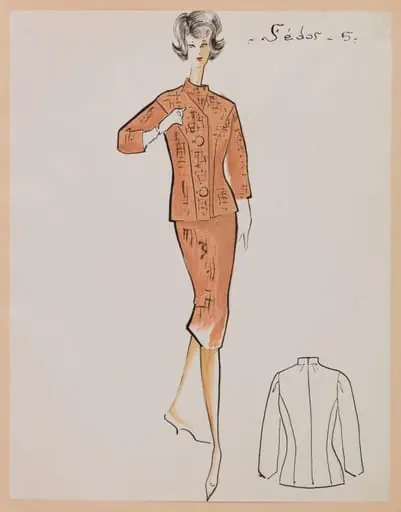
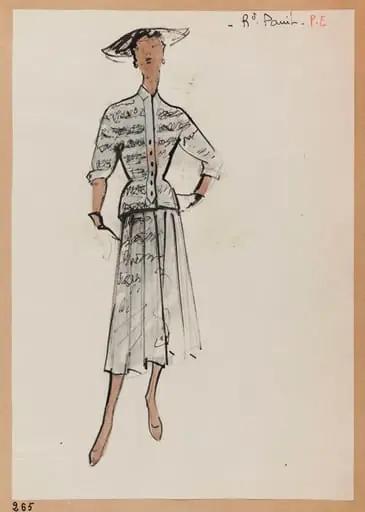
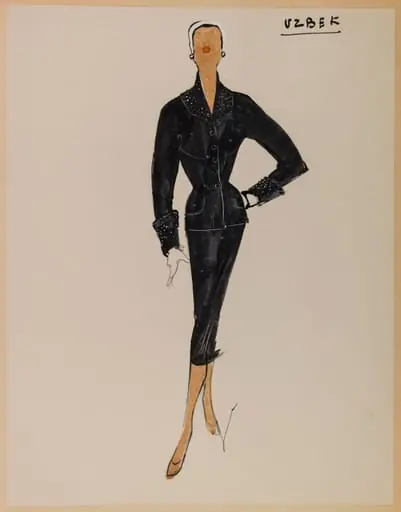
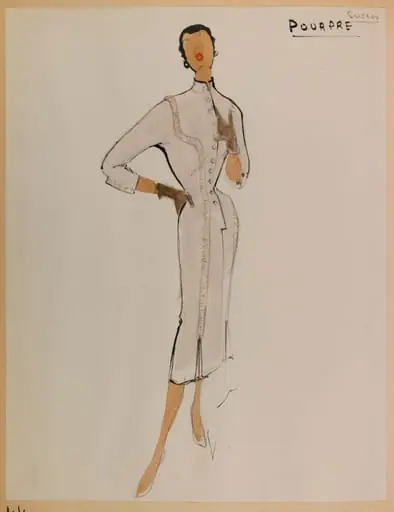
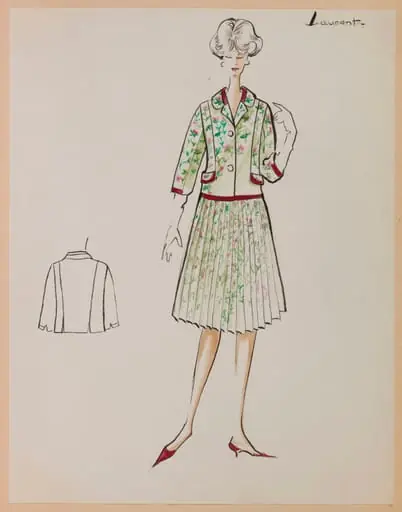
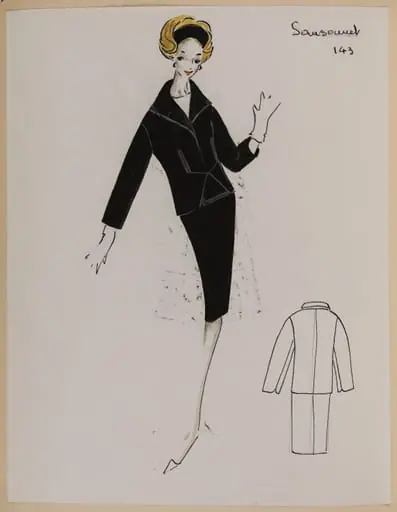
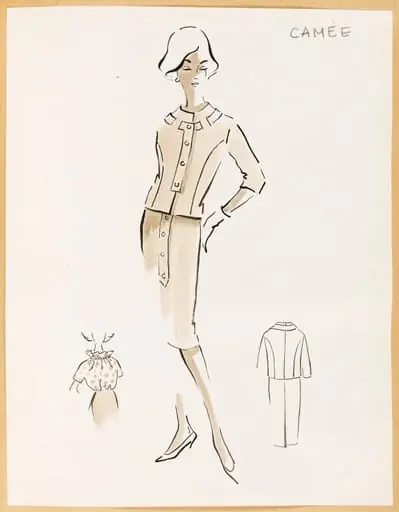
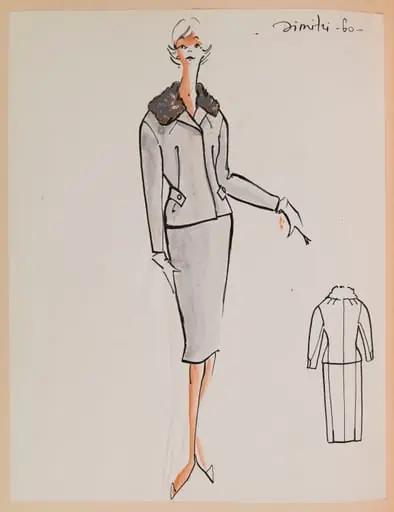
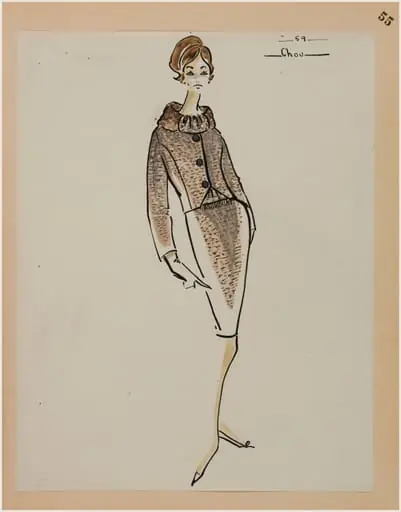
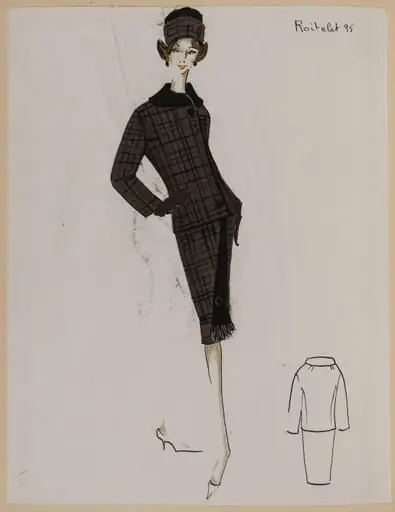
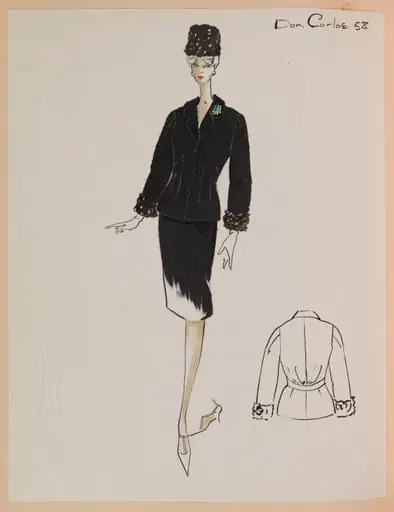
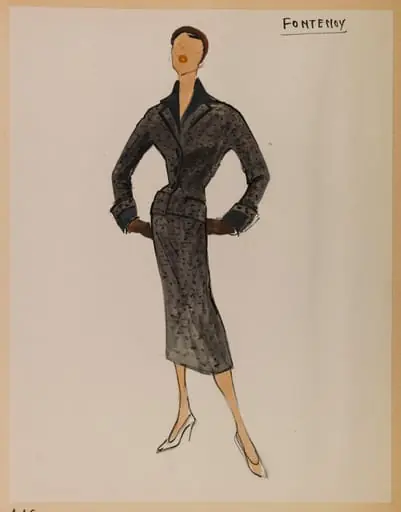
Mont Blanc is a drawing by Carven. It dates from 1963 and is held in the collection of the Palais Galliera - Musée de la Mode de la Ville de Paris. Created around 1963, this drawing depicts a woman in contemporary attire, rendered in ink or pencil on paper.
About this work
Overview
Its composition centers on a single figure, with supplementary sketches of garment details appended at the lower right.
Created around 1963, this drawing depicts a woman in contemporary attire, rendered in ink or pencil on paper. The work is attributed to Carven and resides in the collection of the Museum of Ethnography. Its composition centers on a single figure, with supplementary sketches of garment details appended at the lower right. The plain background directs attention to the fashion elements, suggesting a study rather than a finished portrait.
Subject & Meaning
The subject is a woman dressed in mid-20th-century urban fashion: a patterned jacket, skirt, and high heels. Her posture is natural, one arm relaxed, the other gently bent, conveying casual poise. The inclusion of garment sketches implies an interest in textile design and construction, possibly reflecting the designer’s process. The image does not convey narrative or symbolism but rather documents style and silhouette as cultural artifacts.
Technique & Style
The drawing employs clean, precise lines to define form and fabric texture. The figure is rendered with minimal shading, emphasizing contour over volume. The supplementary sketches of the jacket’s back and dress front are executed in the same linear style, offering technical insight into garment structure. The absence of environmental detail reinforces a focus on fashion as subject, aligning with design documentation practices of the period.
History & Provenance
The work entered the Museum of Ethnography’s collection following its creation in the early 1960s. Its origin as a design study by Carven, a fashion house known for its tailored silhouettes, suggests it was produced for internal reference or client presentation. The museum’s acquisition reflects an institutional interest in preserving fashion as material culture, rather than as fine art.
Context
In the 1960s, fashion houses increasingly documented designs through detailed drawings to communicate patterns and construction to ateliers. This piece aligns with that practice, capturing a moment when haute couture was transitioning toward ready-to-wear. The Museum of Ethnography’s possession of the work situates it within broader efforts to treat clothing as a reflection of social identity and technological change.
Legacy
The drawing remains a quiet example of mid-century fashion documentation, valued for its clarity and specificity. It contributes to scholarly understanding of how design was recorded and disseminated before digital tools. While not widely exhibited, it serves as a reference point for researchers studying the material culture of postwar European fashion.
Artist & collection
Artist
These delicate ink-on-paper drawings capture the quiet poetry of everyday things: pinecones, reeds, apples.
Museum
Palais Galliera - Musée de la Mode de la Ville de Paris
Continue through works from the same source collection.