Artwork
Napolitain
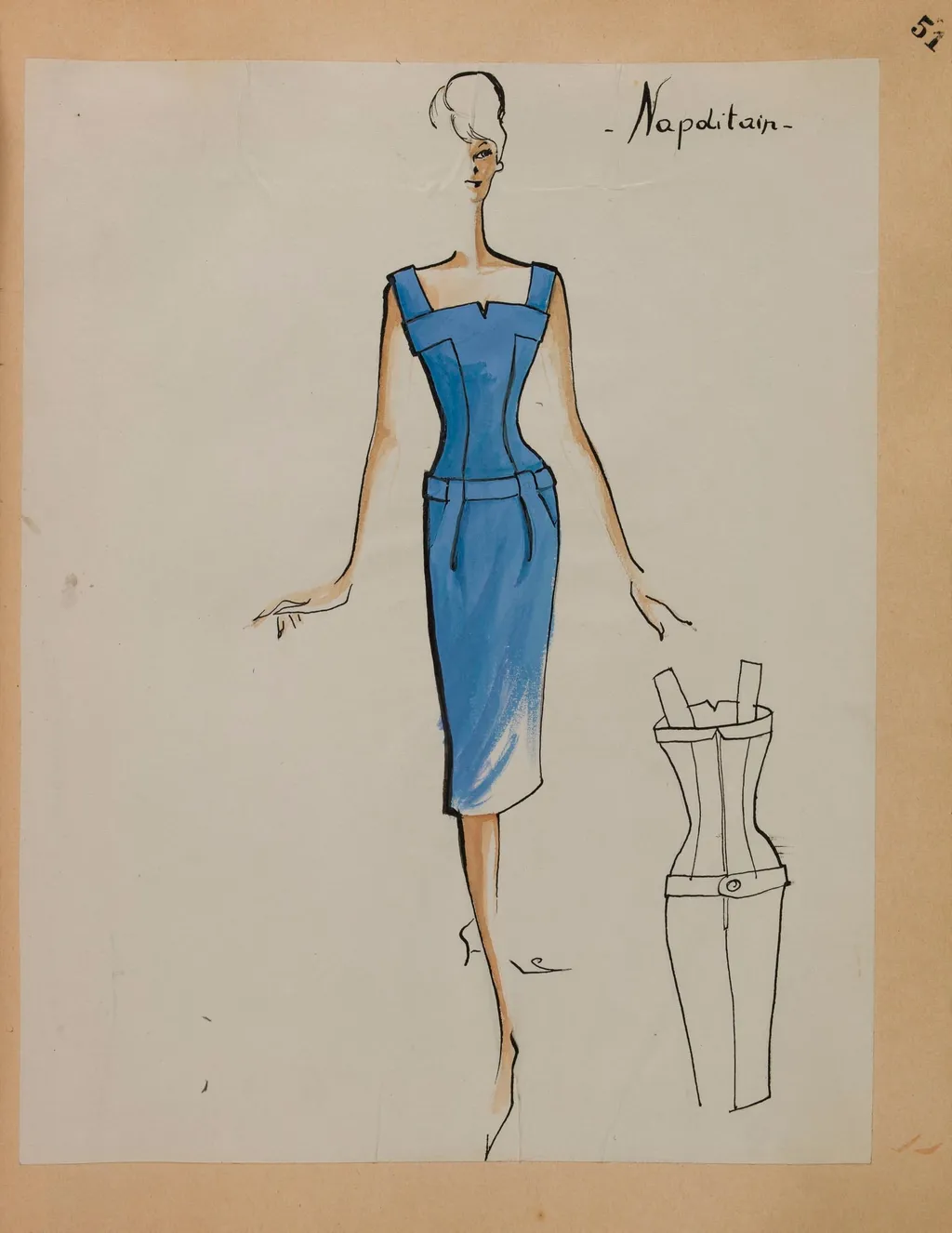
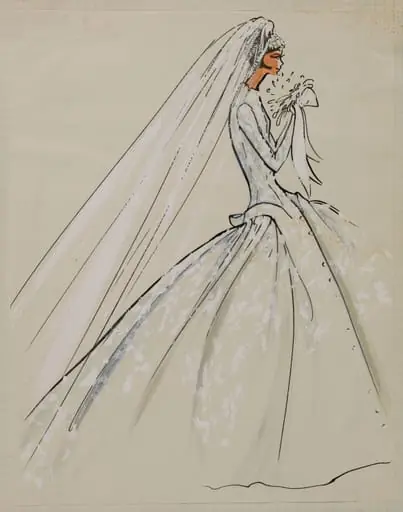
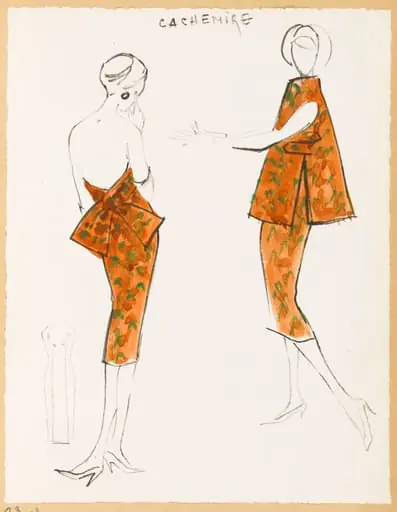
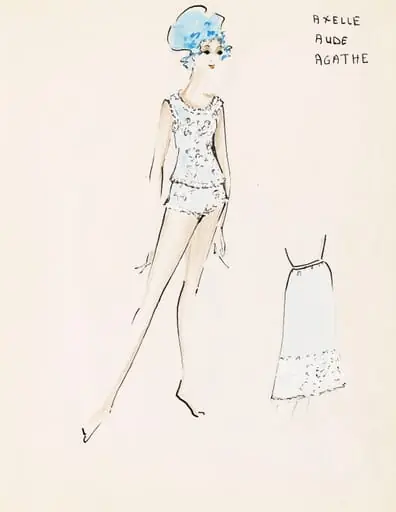
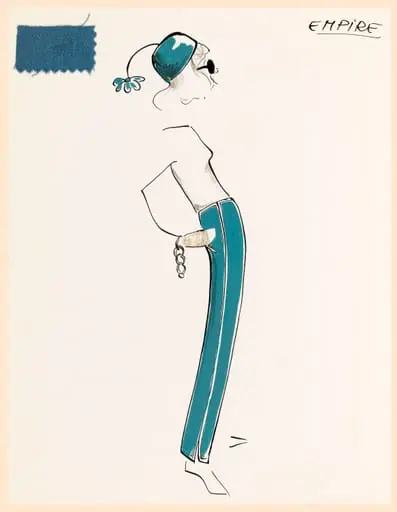
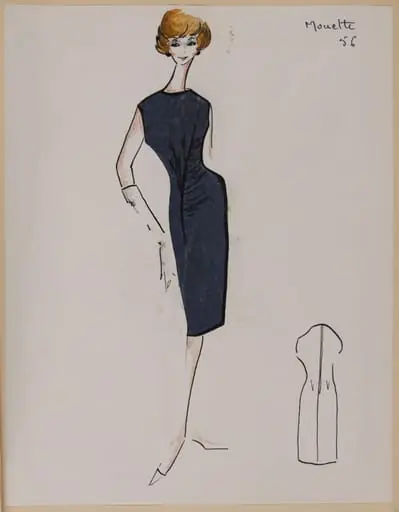
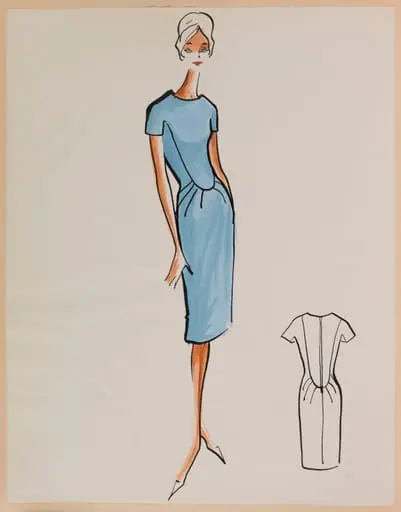
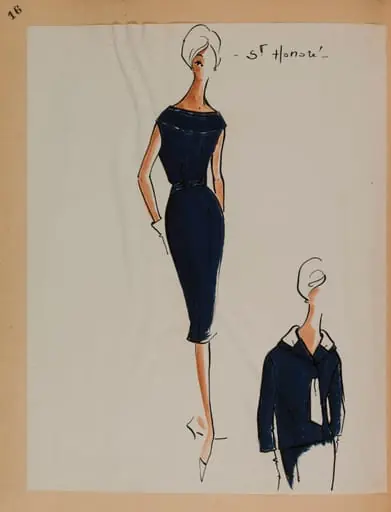
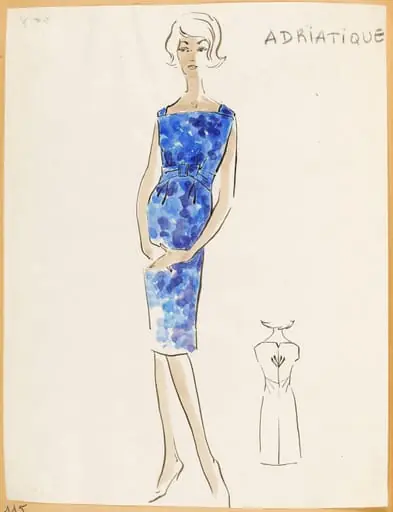
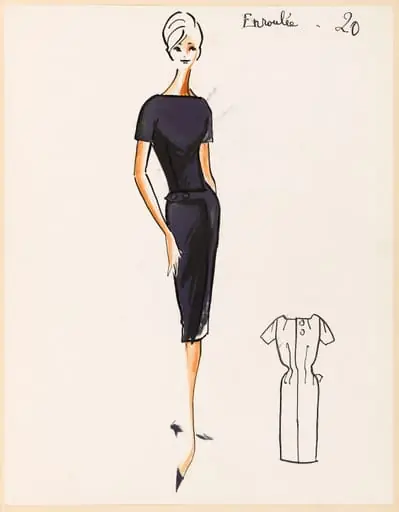
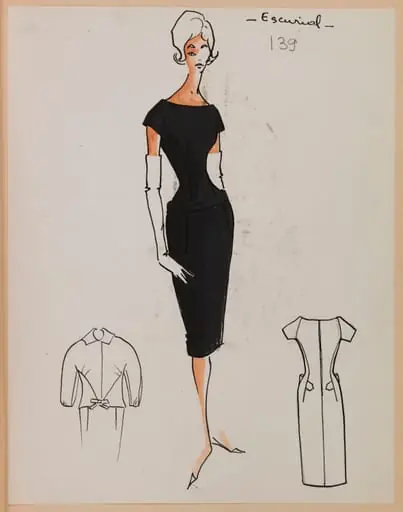
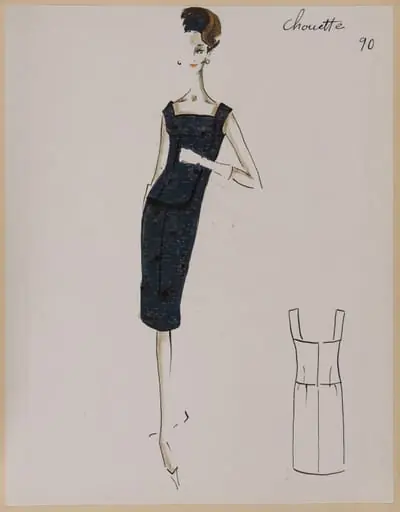
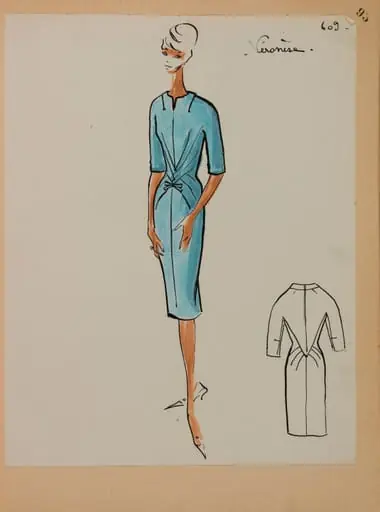
Napolitain is a drawing by Carven. It dates from 1958 and is held in the collection of the Palais Galliera - Musée de la Mode de la Ville de Paris.
About this work
Overview
Created around 1958 by the French designer Carven, Napolitain is a fashion sketch in ink and graphite, currently held by the Museum of Ethnography.
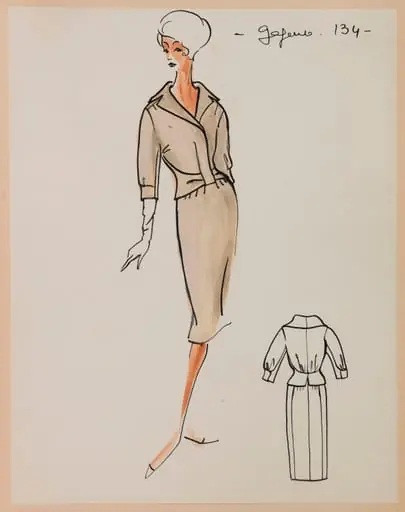
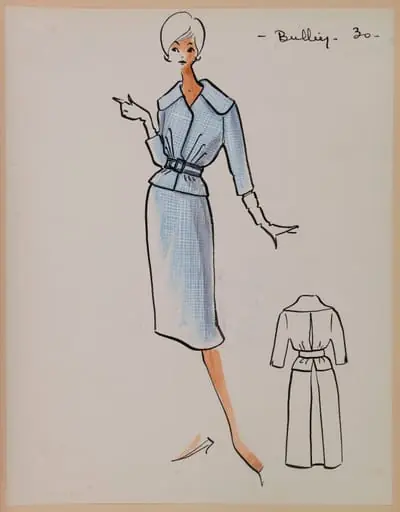
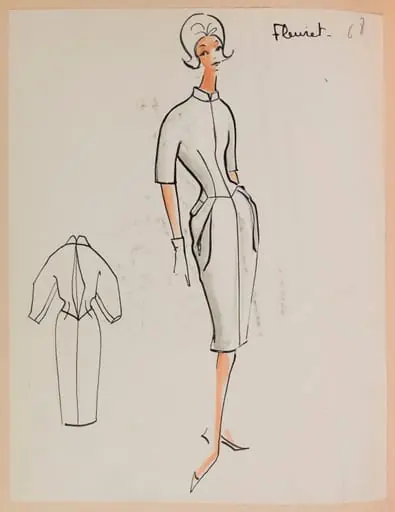
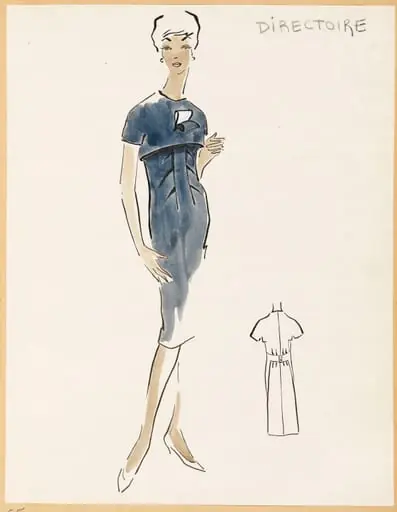
Created around 1958 by the French designer Carven, Napolitain is a fashion sketch in ink and graphite, currently held by the Museum of Ethnography. The work captures a dress design with minimal detail, emphasizing form over ornamentation. Its loose, rapid lines suggest it was made as a working drawing rather than a finished illustration, reflecting the practical pace of mid-century fashion design.
Subject & Meaning
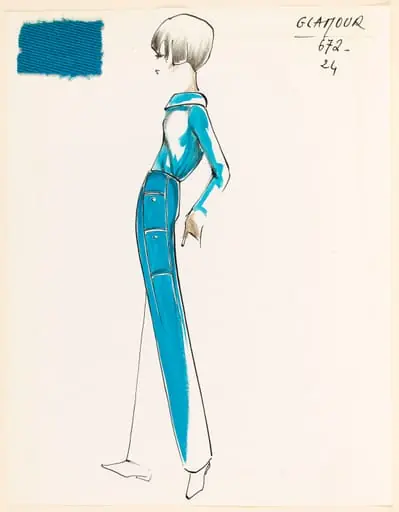
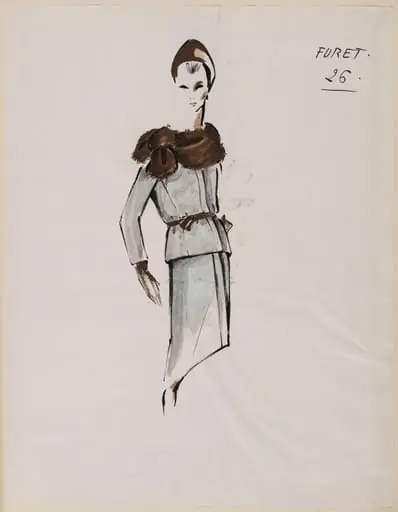
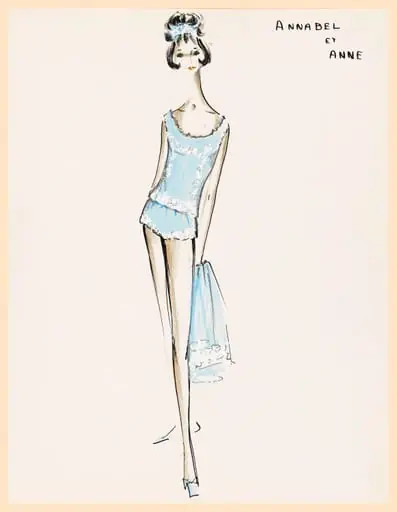
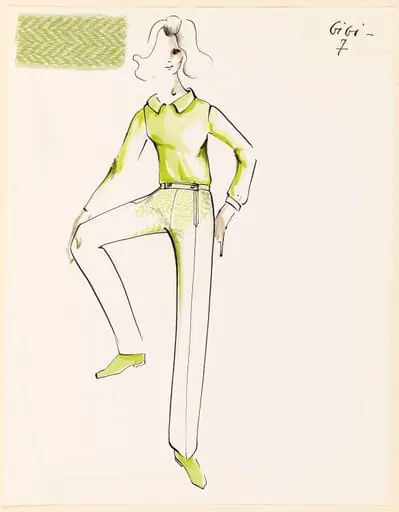
The sketch depicts a woman wearing a fitted blue dress with a square neckline and a subtly flared skirt that ends just below the knee. The dress is shown front and back, with a row of buttons visible along the front closure. The name 'Napolitain'—likely the design’s title—hints at a reference to Naples, possibly evoking Mediterranean simplicity or color. The figure’s neutral posture underscores the garment’s structure rather than its wearers’ identity.
Technique & Style
Carven rendered the design with swift, confident strokes, using bold outlines and light shading to suggest volume. The back view is drawn as a simplified contour, isolating the dress’s silhouette without background or context. The absence of facial features or detailed anatomy focuses attention entirely on the garment’s cut and proportion. The sketch’s economy of line reflects the functional needs of a designer’s notebook.
History & Provenance
The sketch entered the collection of the Museum of Ethnography as part of a broader acquisition of mid-century fashion documentation. Its origin traces to Carven’s atelier in Paris, where such drawings were used to communicate designs to tailors and clients. Though not publicly exhibited for decades, its preservation suggests recognition of its value as a record of postwar French textile design practices.
Context
In the late 1950s, Parisian fashion houses relied on hand-drawn sketches to convey new collections before photography became standard. Carven, known for refined yet accessible designs, produced numerous such studies for ready-to-wear lines. Napolitain exemplifies this transitional moment in fashion, where artisanal drafting met the growing demand for mass-produced, elegant clothing for everyday women.
Legacy
Napolitain survives as a quiet testament to the labor behind mid-century fashion production. It offers insight into how designers distilled complex garments into essential forms, prioritizing clarity over flourish. Today, it contributes to scholarly understanding of how clothing was conceived before digital tools, preserving the tactile and immediate nature of hand-drawn design processes.
Artist & collection
Artist
These delicate ink-on-paper drawings capture the quiet poetry of everyday things: pinecones, reeds, apples.
Museum
Palais Galliera - Musée de la Mode de la Ville de Paris
Continue through works from the same source collection.