Artwork
Narcisse
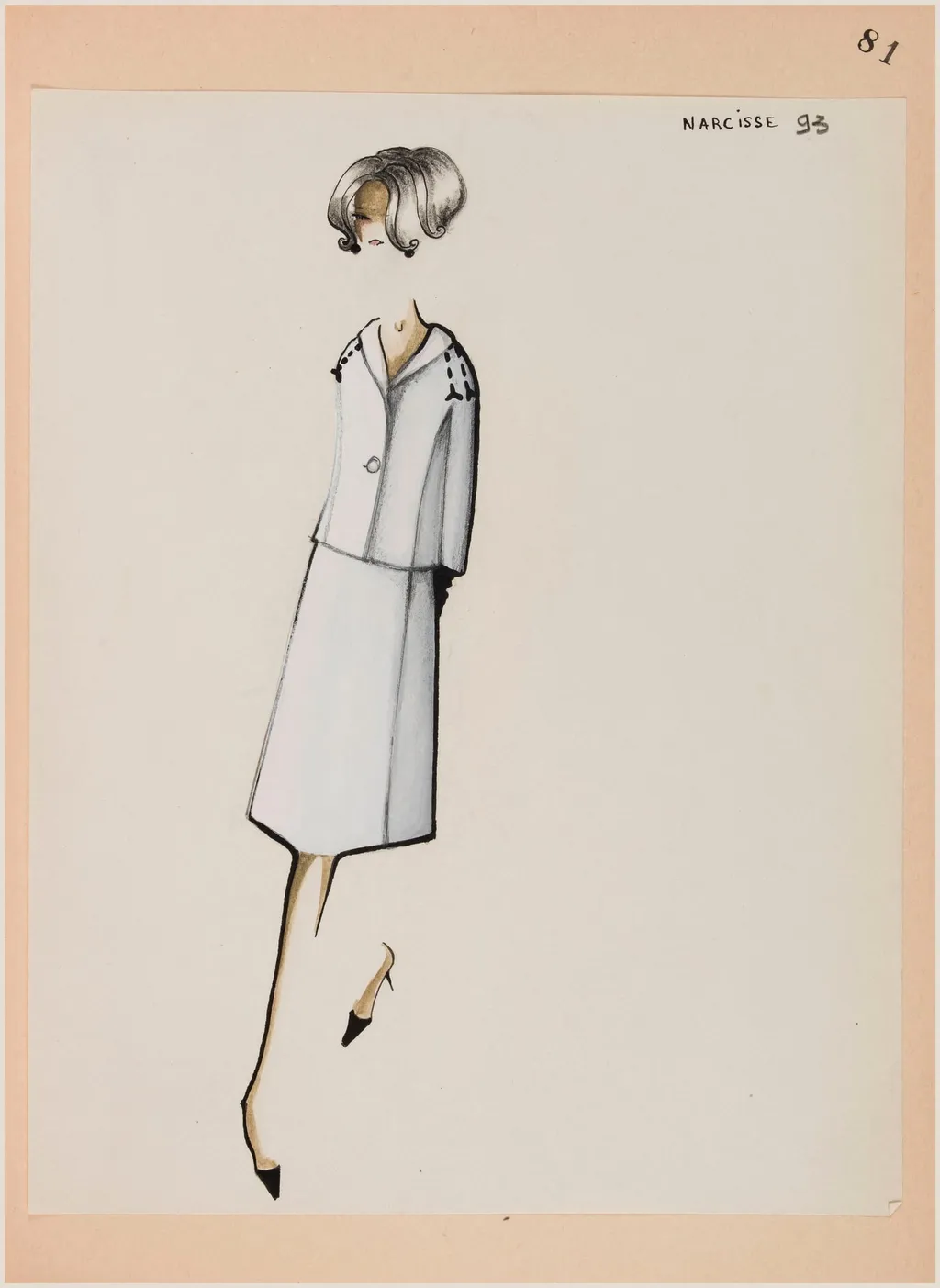
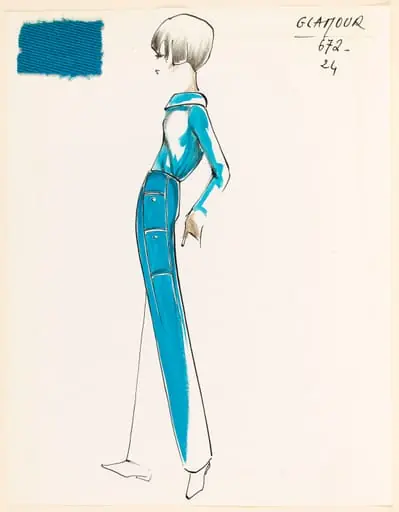
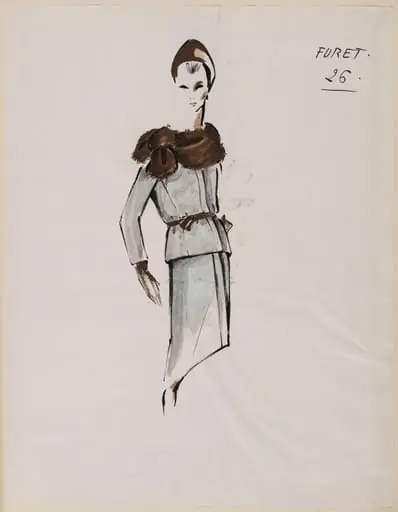
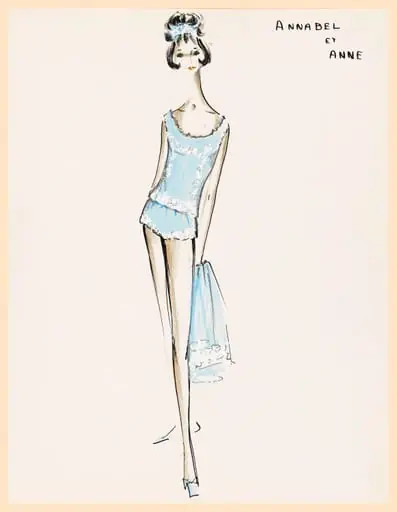
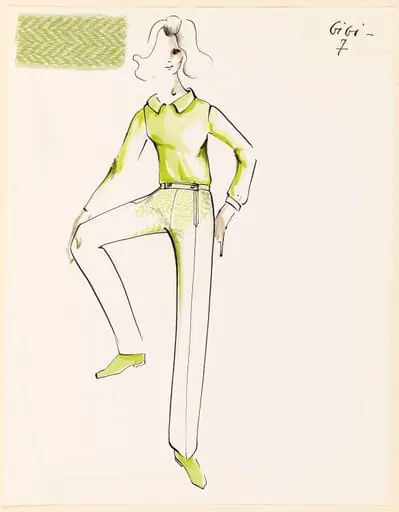
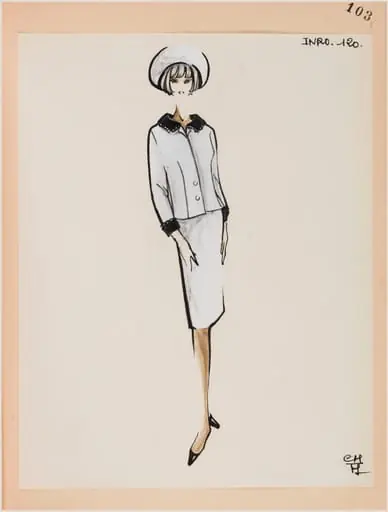
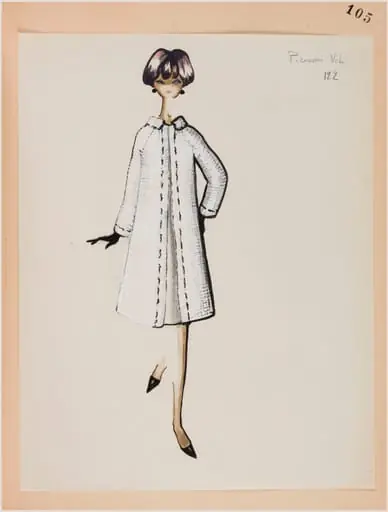
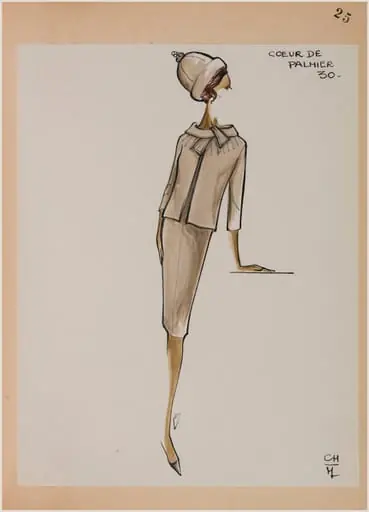
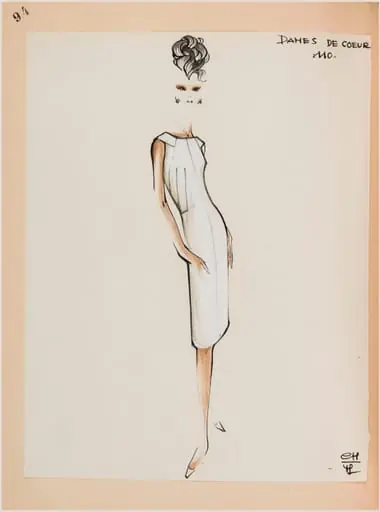
Narcisse is a drawing by Carven. It dates from 1963 and is held in the collection of the Palais Galliera - Musée de la Mode de la Ville de Paris.
About this work
Overview
Held in the collection of the Museum of Ethnography, it reflects the designer’s interest in fashion as a structured, almost architectural form.
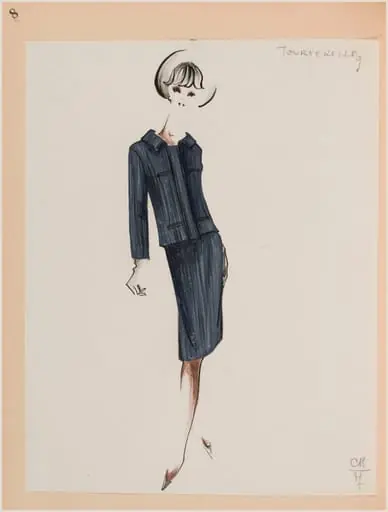
Narcisse is a 1963 drawing by French designer Carven, executed in ink or pencil on paper. It depicts a solitary female figure in minimalist attire, rendered with sharp, unadorned lines. The work lacks a background or contextual elements, focusing entirely on the subject’s form and clothing. Held in the collection of the Museum of Ethnography, it reflects the designer’s interest in fashion as a structured, almost architectural form.
Subject & Meaning
The figure in Narcisse is anonymous, her facial features reduced to two indistinct eyes, suggesting emotional neutrality. Her posture is upright and still, reinforcing a sense of detachment. The absence of identity or narrative implies the garment itself is the subject—emphasizing design over personality. This treatment aligns with mid-century trends that viewed clothing as autonomous, self-referential objects.
Technique & Style
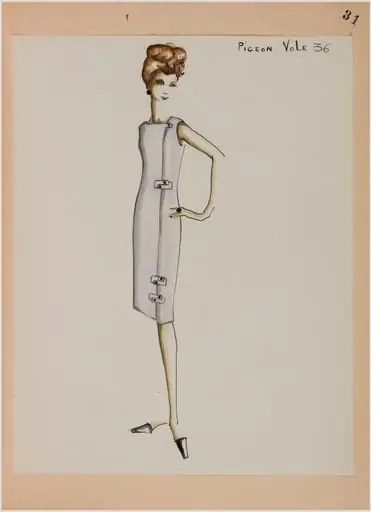
The drawing employs bold, clean contours with no shading or texture, creating a flat, two-dimensional effect. Details like the dark buttons on the light gray jacket are rendered with precision, highlighting construction over ornamentation. The narrow heels and tailored skirt suggest a modernist aesthetic, prioritizing silhouette and proportion. The lack of background or environmental cues reinforces its function as a study in form.
History & Provenance
Created in 1963, Narcisse entered the collection of the Museum of Ethnography at an unknown date, likely through donation or acquisition tied to the designer’s archive. Carven, known for her ready-to-wear designs, produced numerous such drawings as design references. This piece survives as a rare example of her graphic work outside commercial publications, preserved for its formal clarity rather than its fashion lineage.
Context
In the early 1960s, fashion illustration increasingly moved away from romanticized depictions toward schematic representations. Narcisse reflects this shift, aligning with the era’s emphasis on functionality and modernity. Its starkness echoes contemporaneous graphic design and architectural renderings, where clarity and reproducibility outweighed expressive detail. The work situates fashion within broader visual culture of the time.
Legacy
Narcisse remains a quiet example of how fashion designers used drawing not for promotion, but for conceptual exploration. Its preservation in an ethnographic museum underscores its value as a cultural artifact of design thinking. While not widely exhibited, it contributes to understanding how mid-century designers approached the human form as a vessel for structure, not narrative.
Artist & collection
Artist
These delicate ink-on-paper drawings capture the quiet poetry of everyday things: pinecones, reeds, apples.
Museum
Palais Galliera - Musée de la Mode de la Ville de Paris
Continue through works from the same source collection.