Artwork
Pigeon-vole
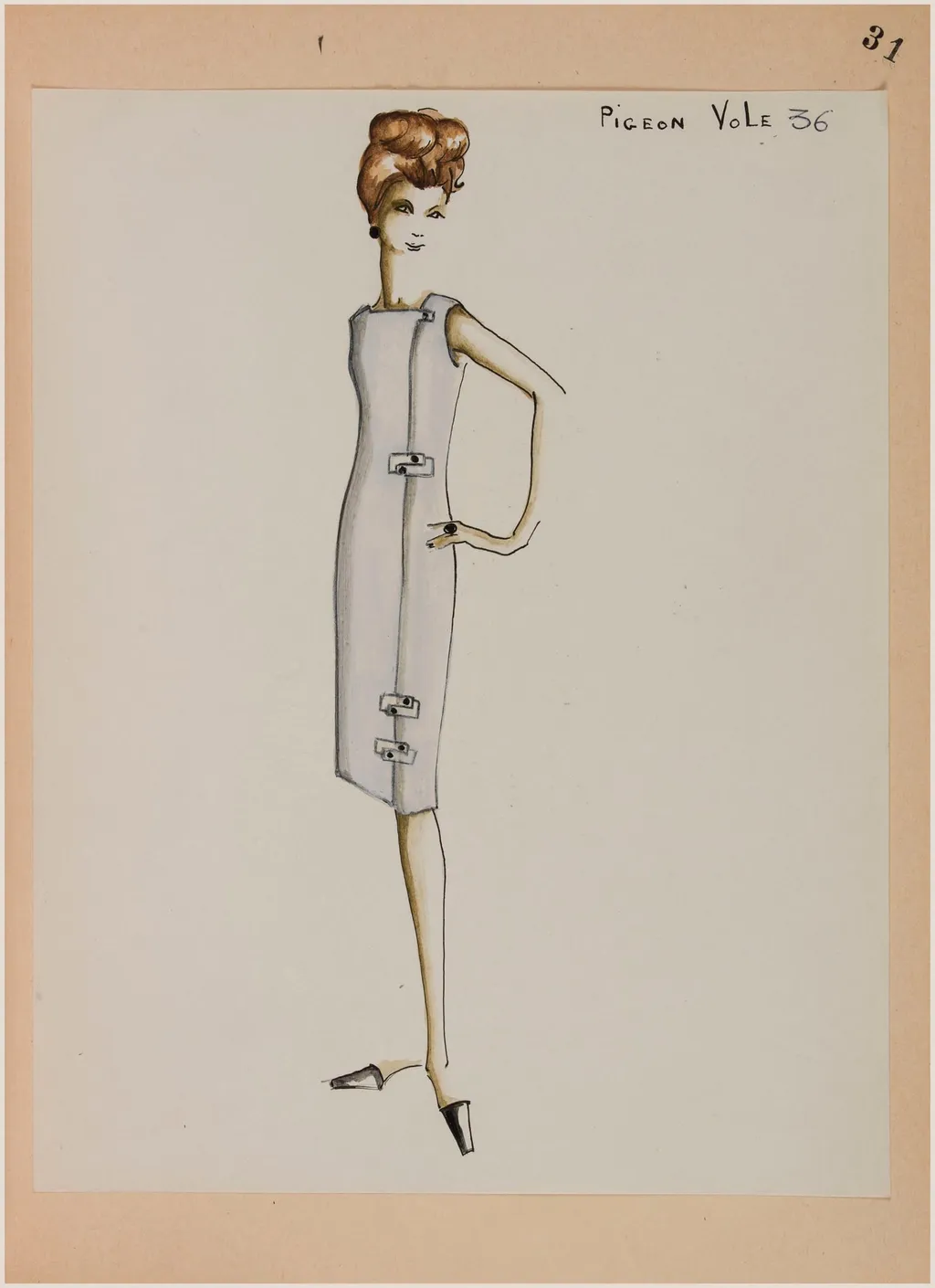
Pigeon-vole is a drawing by Carven. It dates from 1963 and is held in the collection of the Palais Galliera - Musée de la Mode de la Ville de Paris.
About this work
Overview
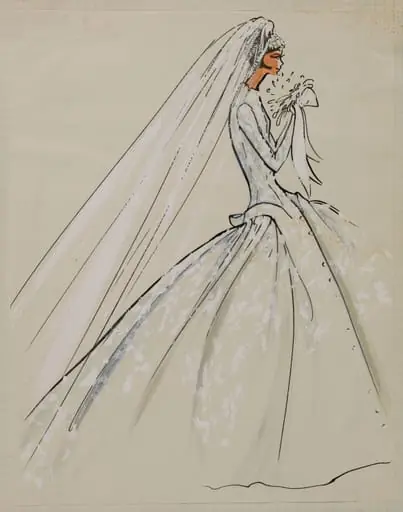
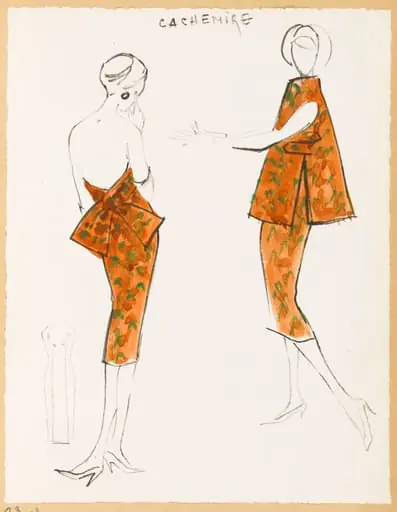
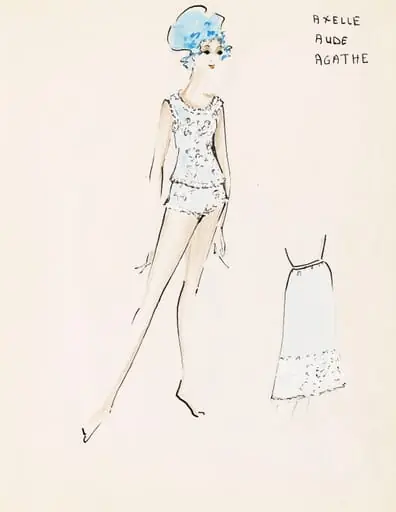
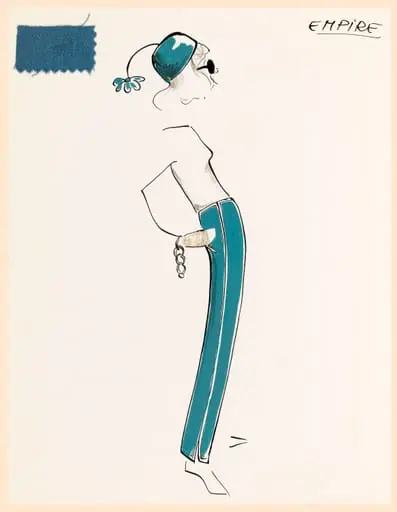
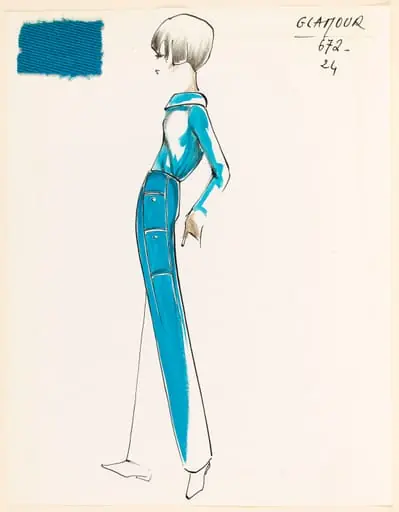
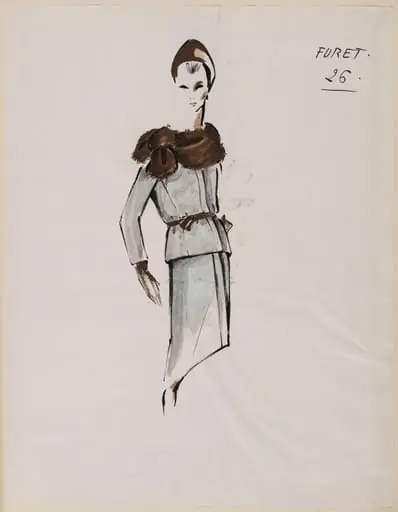
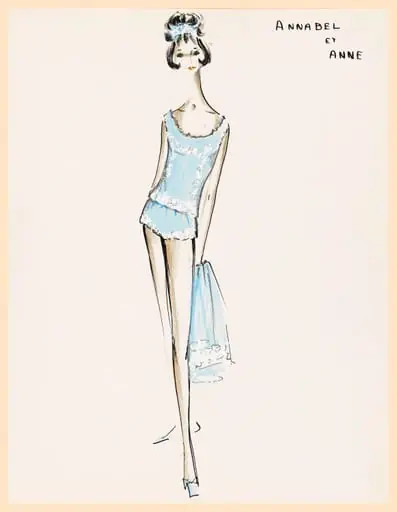
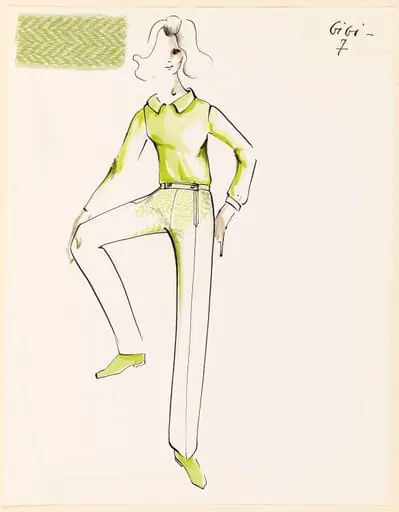
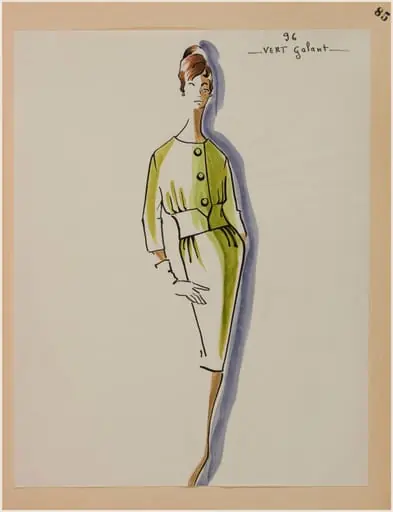
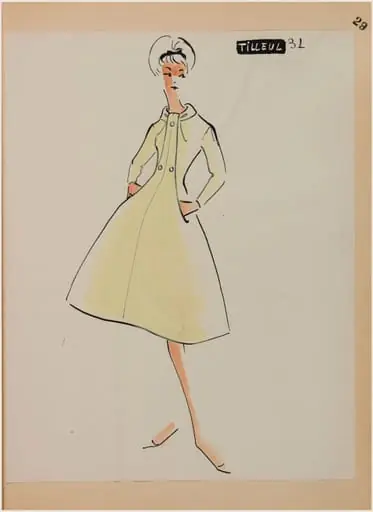
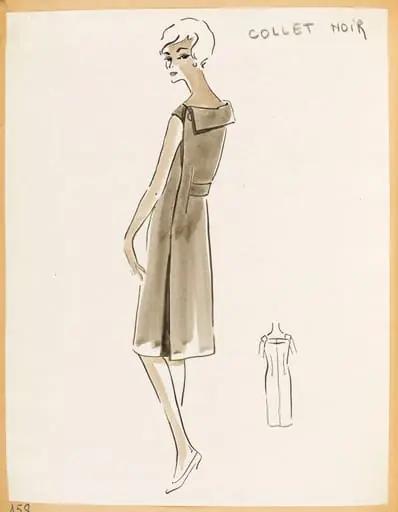
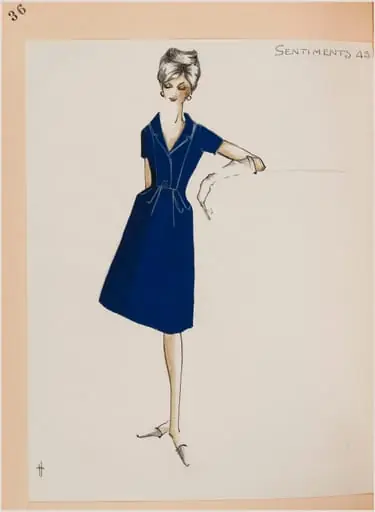
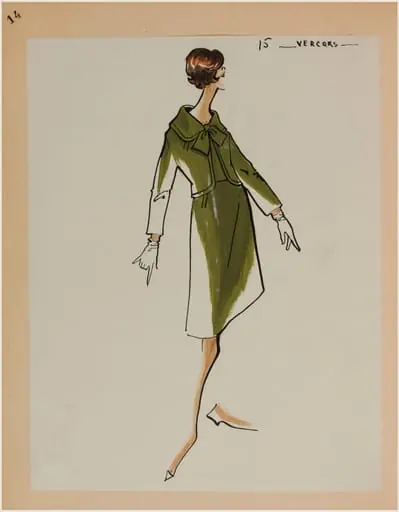
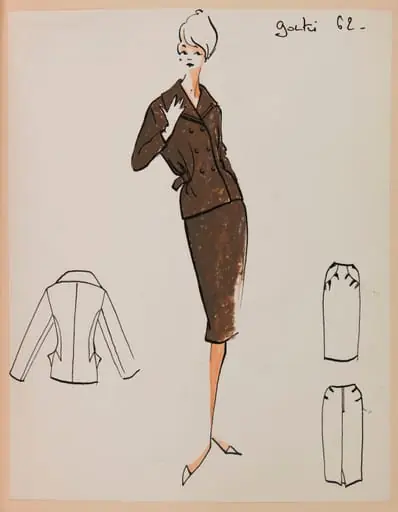
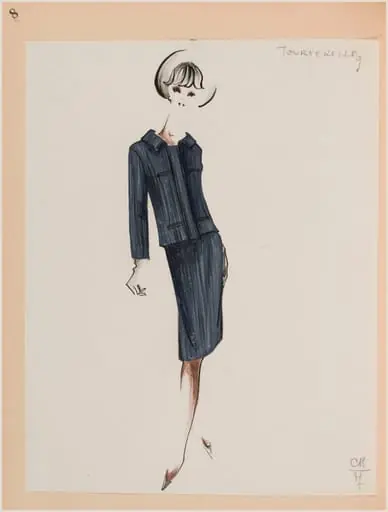
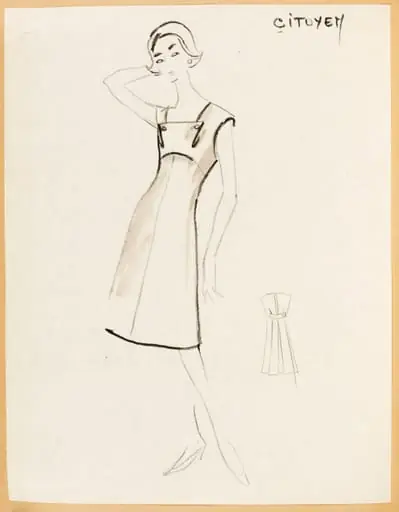
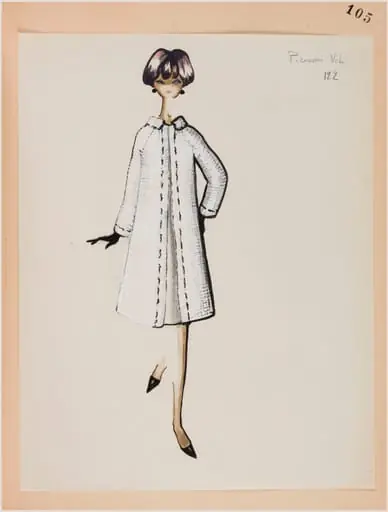
Created in 1963 by the French designer Carven, this ink sketch depicts a woman in a minimalist dress with three front buttons. Executed with fluid, unembellished lines, the drawing functions as a design study rather than a finished illustration. It resides in the collection of the Museum of Ethnography, where it is preserved as part of a broader archive of mid-century fashion documentation.
Subject & Meaning
The figure represents an idealized yet practical woman of the early 1960s, dressed in a garment designed for ease and modest elegance. The absence of ornamentation and the focus on functional closures suggest an emphasis on wearability. The hairstyle and footwear reflect contemporary norms, reinforcing the sketch’s grounding in everyday life rather than theatrical fantasy.
Technique & Style
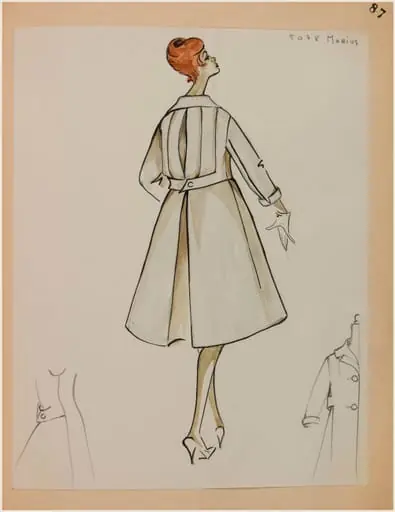
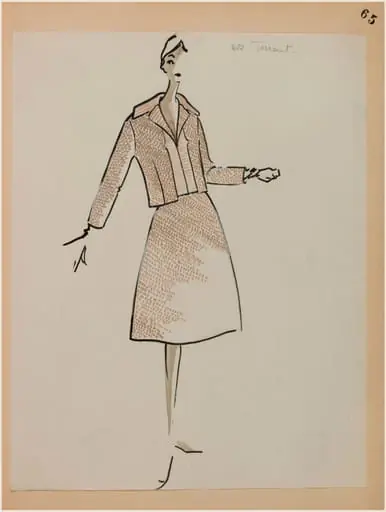
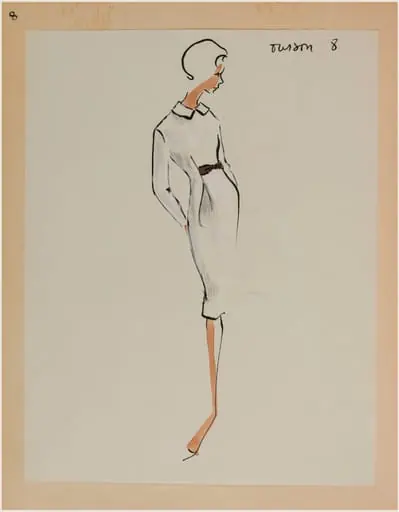
The drawing employs loose, assured ink strokes that prioritize silhouette and proportion over fine detail. Shading is minimal, and contours are defined with confidence, suggesting rapid execution. This approach reflects a designer’s working method—capturing form quickly to explore structure and movement, rather than rendering a polished image for presentation.
History & Provenance
It has remained in institutional custody since its acquisition, with no known public exhibitions prior to its inclusion in the museum’s design archive.
The sketch entered the Museum of Ethnography’s collection as part of a donation related to mid-century French fashion design. Its origin within Carven’s atelier is documented, though its specific purpose—whether for internal use or client presentation—remains unrecorded. It has remained in institutional custody since its acquisition, with no known public exhibitions prior to its inclusion in the museum’s design archive.
Context
In the early 1960s, French fashion emphasized clean lines and accessible silhouettes, moving away from the structured forms of the previous decade. Carven’s work aligned with this shift, favoring practicality without sacrificing refinement. This sketch reflects a broader trend among designers who sought to balance aesthetic restraint with the needs of modern, active women.
Legacy
As a representative example of Carven’s design process, the sketch offers insight into how couture houses translated ideas into wearable forms. Though not widely published, it contributes to scholarly understanding of postwar French fashion’s emphasis on simplicity and function. Its preservation underscores the value of working drawings in the history of design.
Artist & collection
Artist
These delicate ink-on-paper drawings capture the quiet poetry of everyday things: pinecones, reeds, apples.

Museum
Palais Galliera - Musée de la Mode de la Ville de Paris
Continue through works from the same source collection.