Artwork
Oasis
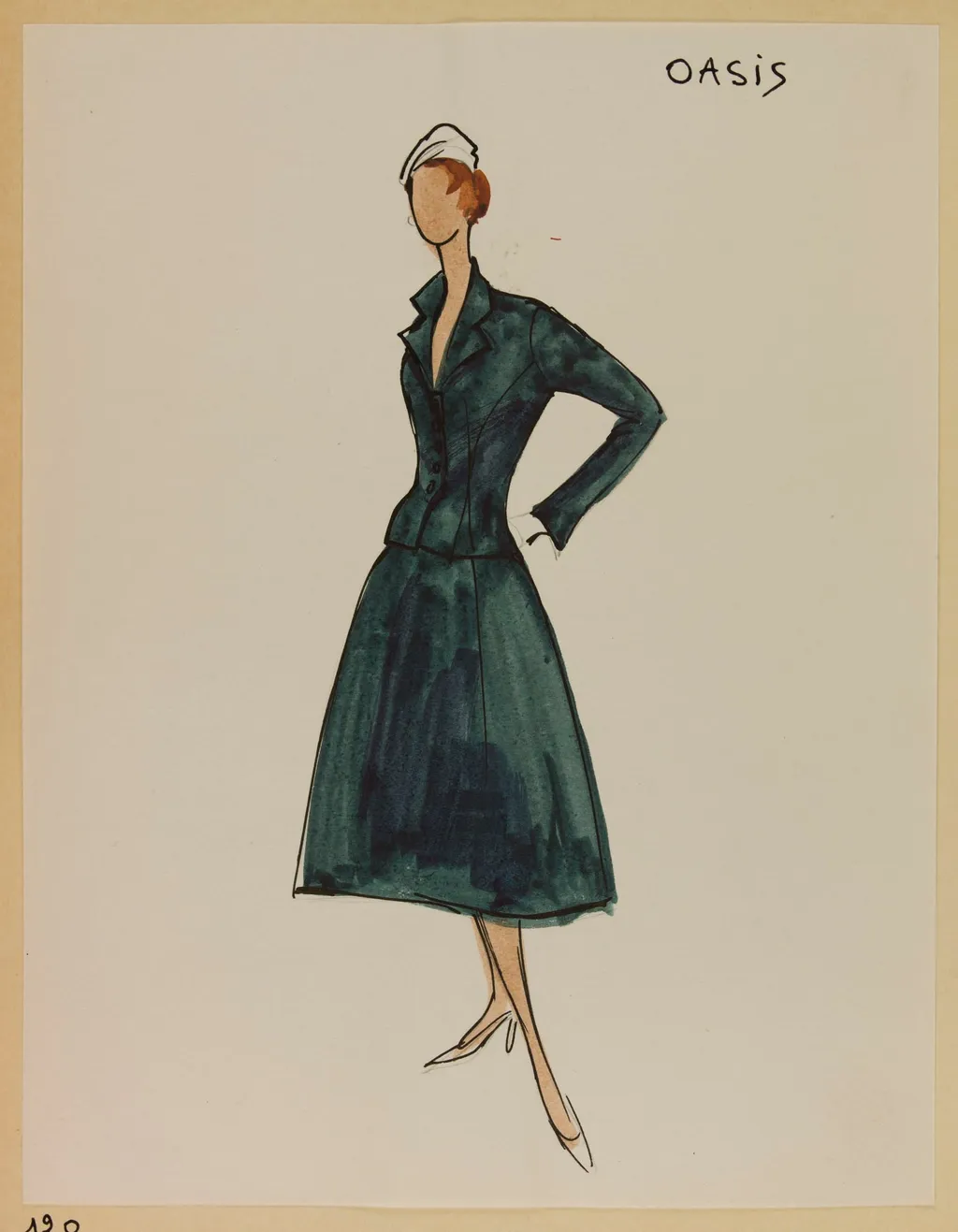
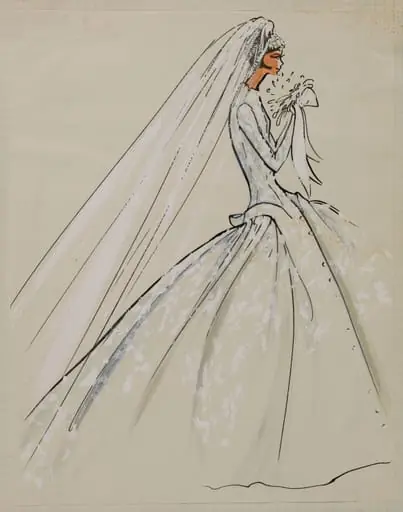
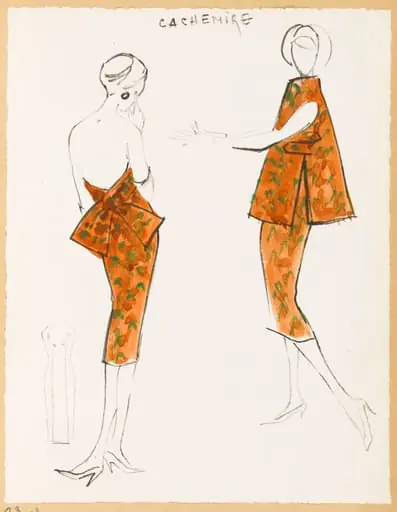
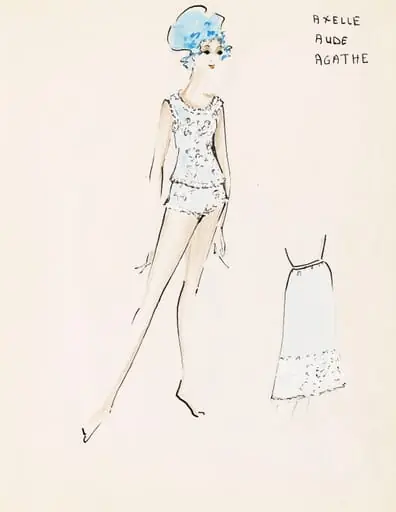
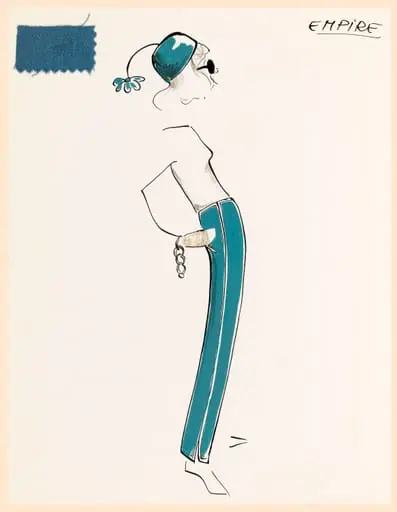
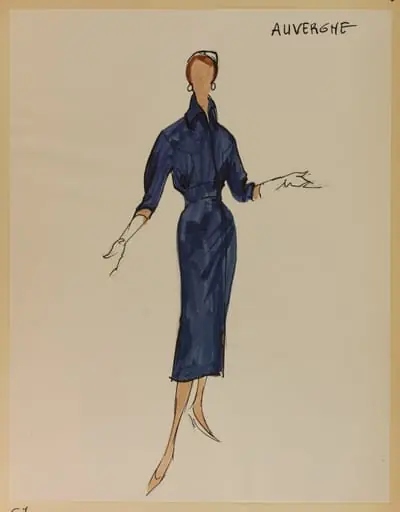
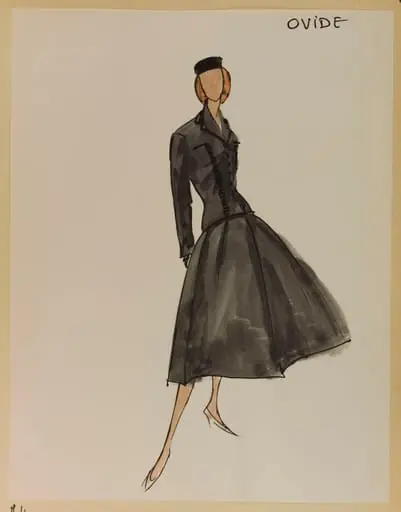
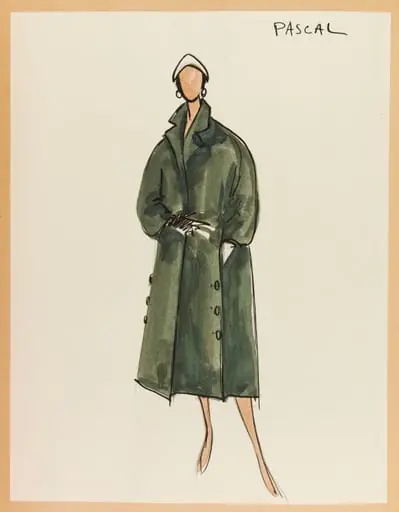
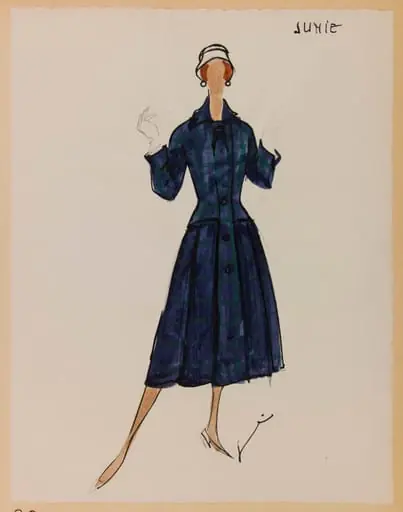
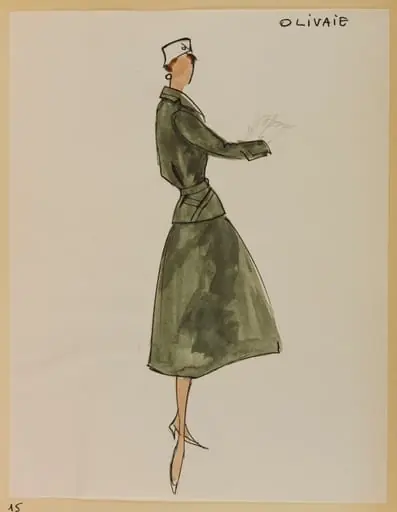
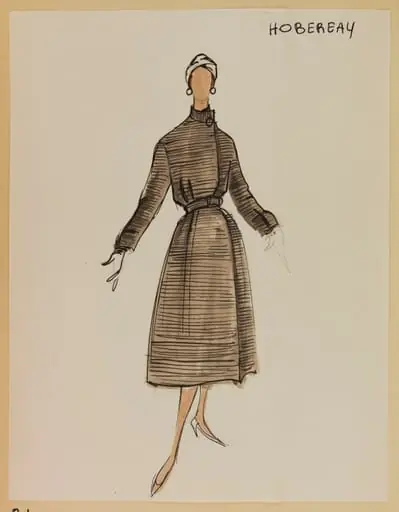
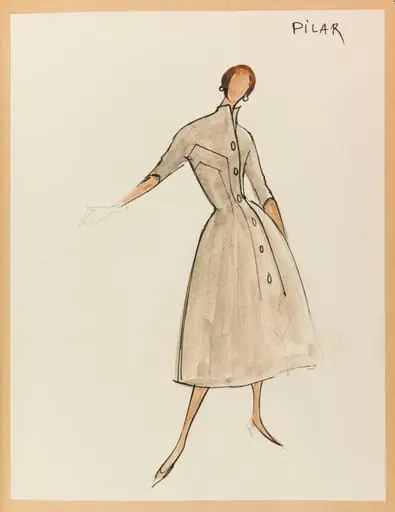
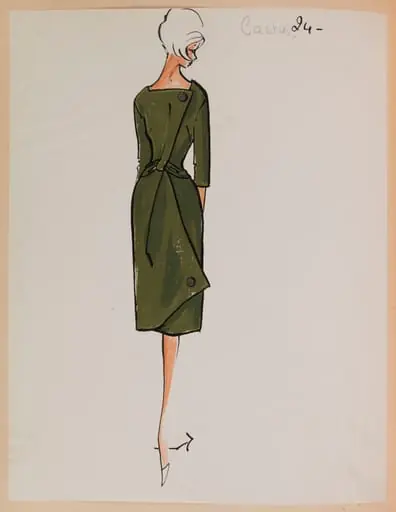
Oasis is a drawing by Carven. It dates from 1955 and is held in the collection of the Palais Galliera - Musée de la Mode de la Ville de Paris.
About this work
Overview
The piece lacks overt narrative detail, suggesting it may have originated as a fashion study rather than a finished artwork.
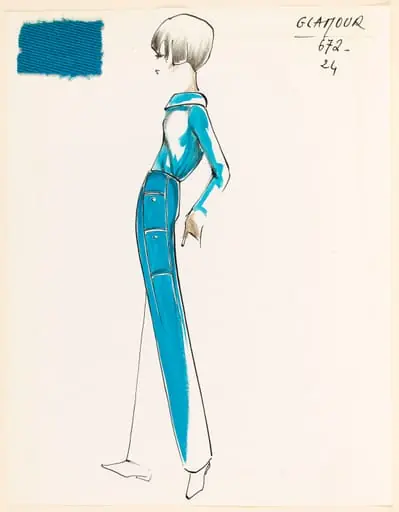
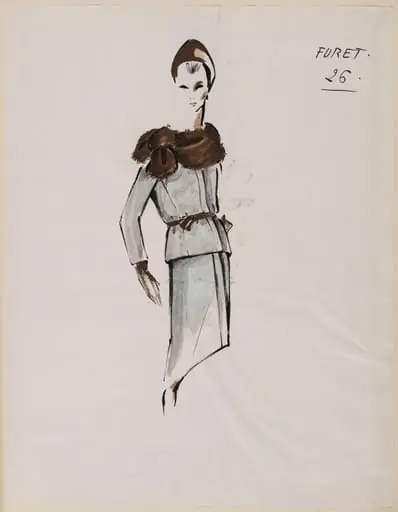
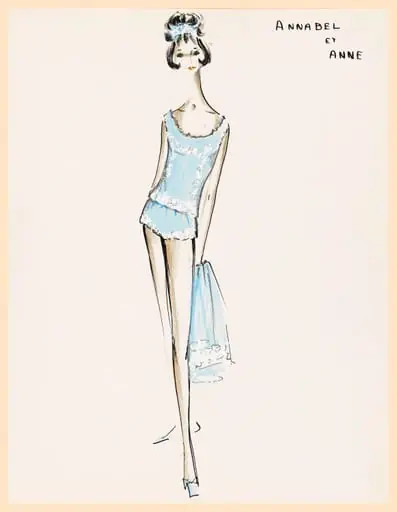
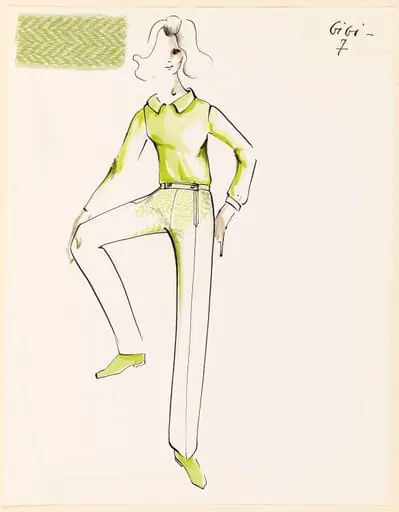
Created around 1955, this ink drawing by Carven is part of the Museum of Ethnography’s collection. It depicts a solitary female figure in minimal, monochrome attire, rendered with restrained linework. The piece lacks overt narrative detail, suggesting it may have originated as a fashion study rather than a finished artwork. Its title, 'Oasis,' appears in the upper right but remains unexplained within the image itself.
Subject & Meaning
The figure is a woman dressed in a fitted short jacket and a flared skirt, her hair secured under a small hat. One hand rests on her hip, conveying a quiet poise. The absence of context or environment invites interpretation, though the title 'Oasis' may hint at solitude, refuge, or an idealized form of dress. No cultural or geographic markers are present, leaving the symbolic intent ambiguous.
Technique & Style
Executed in dark ink on paper, the drawing emphasizes clean, economical contours. Shading is minimal, with form defined by outline rather than tone. The style suggests a rapid sketch, possibly made during design sessions, prioritizing silhouette and structure over texture or detail. The monochromatic palette reinforces a sense of restraint and functional elegance.
History & Provenance
The work entered the Museum of Ethnography’s holdings at an unspecified date after its creation. No documentation exists regarding its original commission or exhibition history. Carven’s broader body of work is not widely cataloged, limiting contextual understanding. Its presence in an ethnographic institution suggests an interest in dress as cultural artifact, though its origins remain undocumented.
Context
In mid-20th-century fashion circles, quick figure studies were common tools for designers to explore silhouette and movement. Carven’s drawing aligns with this practice, reflecting a period when couture houses emphasized clean lines and tailored forms. The absence of branding or stylistic cues typical of Parisian fashion at the time makes its specific milieu difficult to pinpoint.
Legacy
The drawing survives as a quiet example of fashion sketching from a lesser-known designer. Its inclusion in an ethnographic museum underscores shifting attitudes toward clothing as cultural material. While not influential in mainstream art history, it offers insight into the quiet, iterative processes behind fashion design in the postwar era.
Artist & collection
Artist
These delicate ink-on-paper drawings capture the quiet poetry of everyday things: pinecones, reeds, apples.
Museum
Palais Galliera - Musée de la Mode de la Ville de Paris
Continue through works from the same source collection.