Artwork
Pilar
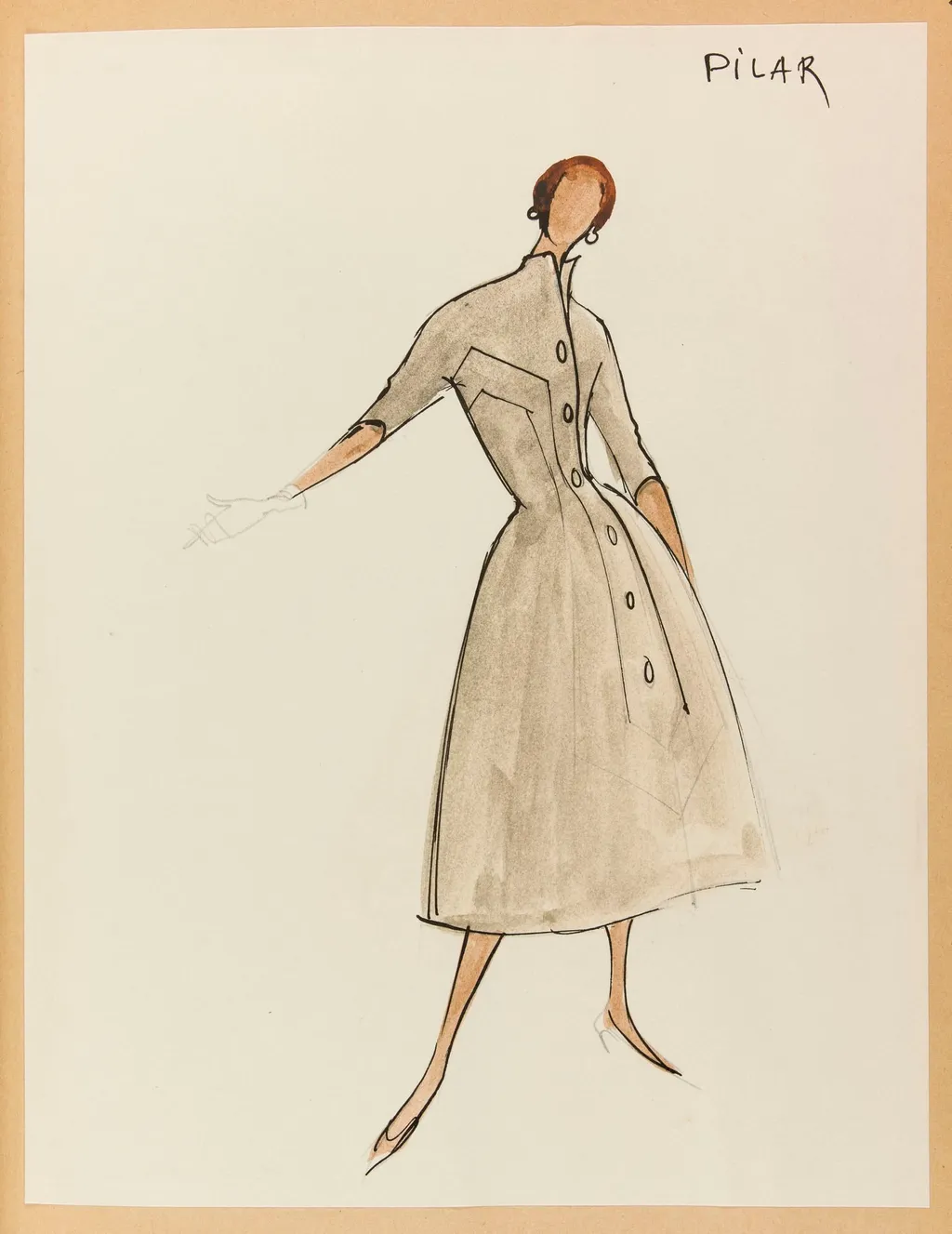
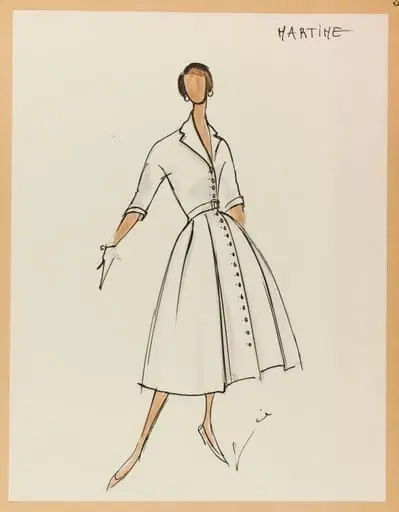
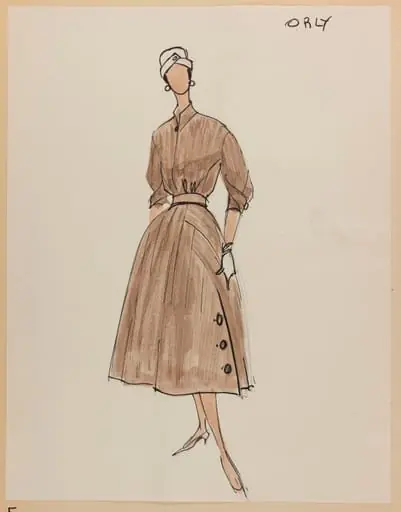
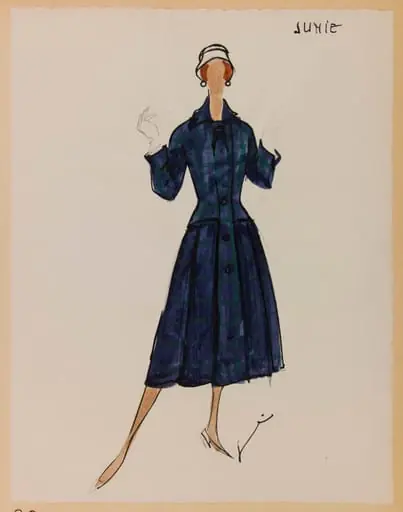
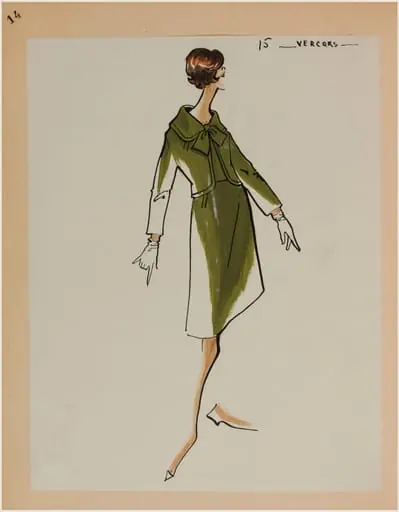
Pilar is a drawing by Marie-Louise Carven. It dates from 1955 and is held in the collection of the Palais Galliera - Musée de la Mode de la Ville de Paris.
About this work
Overview
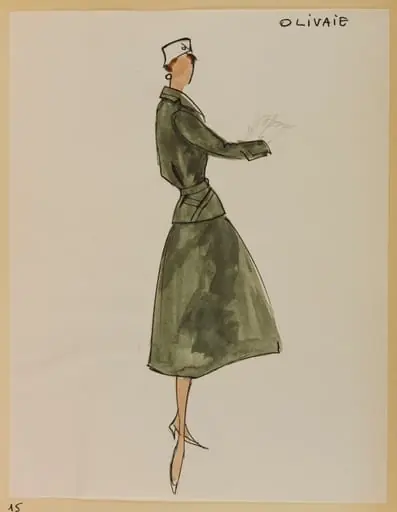
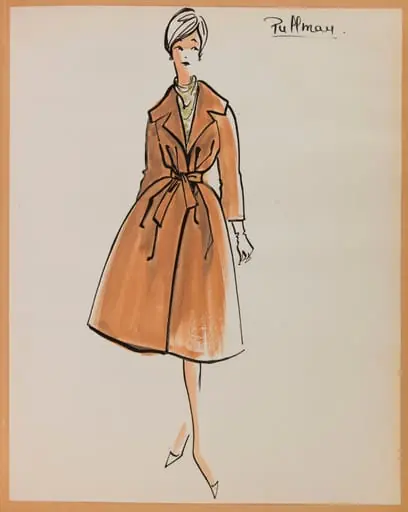
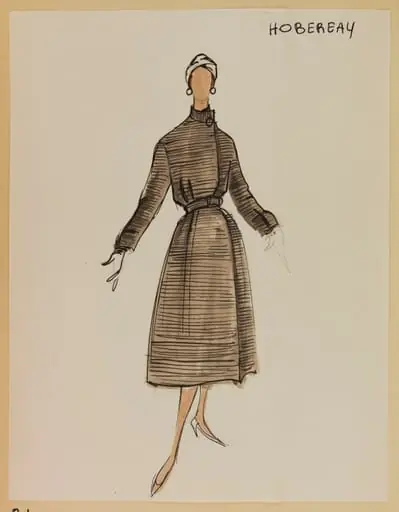
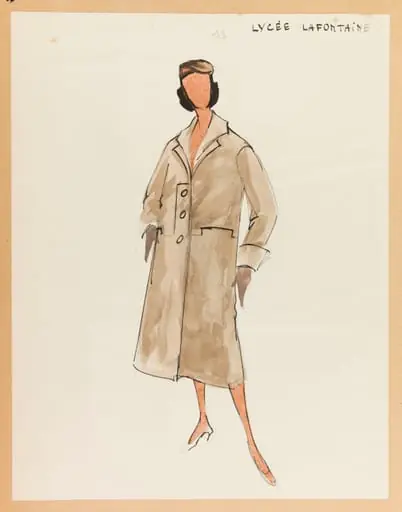
It captures a woman in motion, dressed in a long coat with deep pockets and a flowing skirt, her hair neatly pulled back and footwear minimal.
Pilar is a pencil sketch from around 1955, attributed to French designer Marie-Louise Carven. It captures a woman in motion, dressed in a long coat with deep pockets and a flowing skirt, her hair neatly pulled back and footwear minimal. Executed with swift, light strokes, the drawing conveys spontaneity rather than polish, suggesting it was made as a working study rather than a final presentation.
Subject & Meaning
The figure in Pilar embodies Carven’s design philosophy: practical elegance for the modern woman. The loose silhouette, functional pockets, and unadorned shoes reflect her focus on wearable, petite-friendly clothing. The sketch’s candid posture implies movement through daily life, reinforcing her commitment to clothing that supported active, independent lifestyles rather than rigid formalities.
Technique & Style
Carven rendered Pilar with minimal, fluid pencil lines that suggest fabric folds without detailing them. The absence of shading or heavy contours creates a sense of immediacy, as if the figure was observed in passing. This sketch-like approach aligns with her design process—quick visual notes translated directly into garment construction, prioritizing movement and proportion over ornamental finish.
History & Provenance
The drawing is held in the collection of the Museum of Ethnography, where it is preserved as part of a broader archive of mid-century fashion design. While Carven’s fashion house was founded in 1945 and known for early prêt-à-porter lines, Pilar remains a rare surviving example of her personal sketchwork, offering insight into her creative method beyond finished garments.
Context
In postwar Paris, Carven distinguished herself by designing for smaller frames and favoring light, breathable textiles like gingham and lace. Pilar reflects this ethos, emerging during a period when ready-to-wear fashion was gaining legitimacy. The sketch’s informal quality contrasts with the elaborate illustrations common in haute couture, signaling a shift toward functional, everyday aesthetics.
Legacy
Pilar stands as a quiet testament to Carven’s influence on accessible fashion. Her emphasis on comfort, proportion, and mobility for women laid groundwork for later diffusion of couture principles into mass-market design. Though not widely exhibited, such sketches help contextualize her role in redefining women’s wardrobes beyond ceremony toward daily practicality.
Artist & collection
Artist
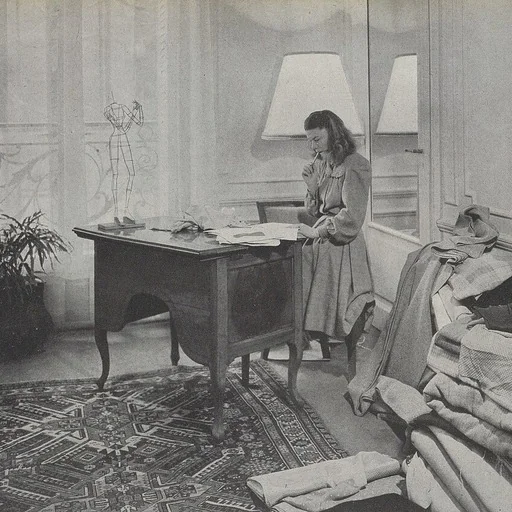
Marie-Louise Carven (31 August 1909 – 8 June 2015), born Carmen de Tommaso, was a French fashion designer who founded the house of Carven in 1945.
Museum
Palais Galliera - Musée de la Mode de la Ville de Paris
Continue through works from the same source collection.
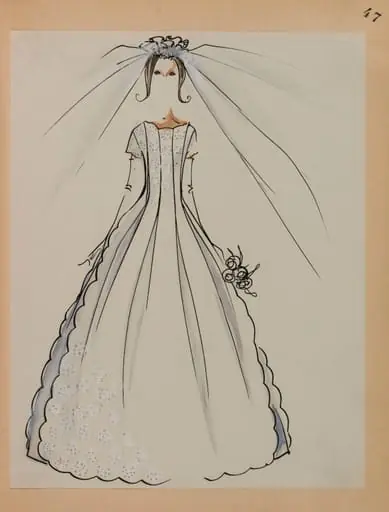 Robe de mariée festonnée et son voile
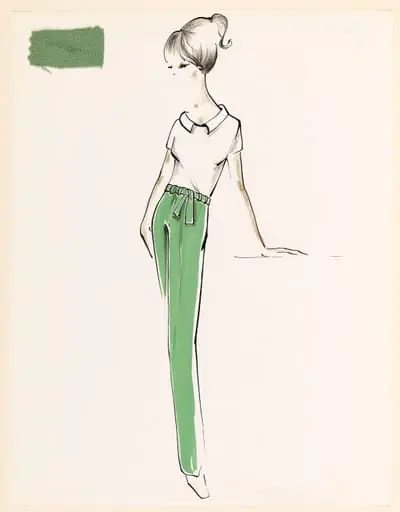 Haut blanc à manches courtes et pantalon vert à ceinture nouée
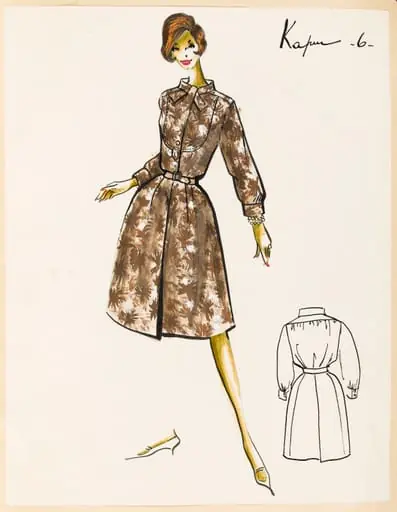 Kapur
Kapur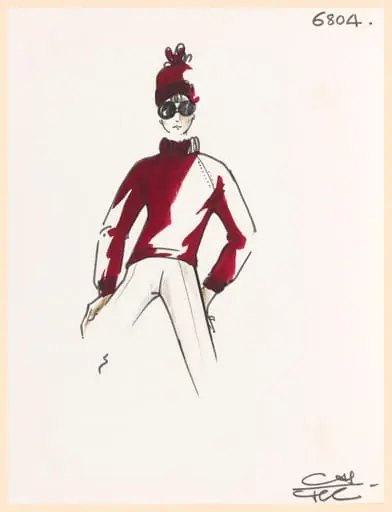 Pull-over à manches longues pourpre, bonnet assorti, pantalon et lunettes de soleil
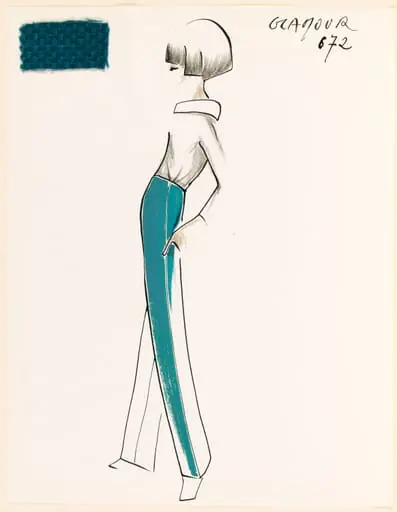 GLAMOUR
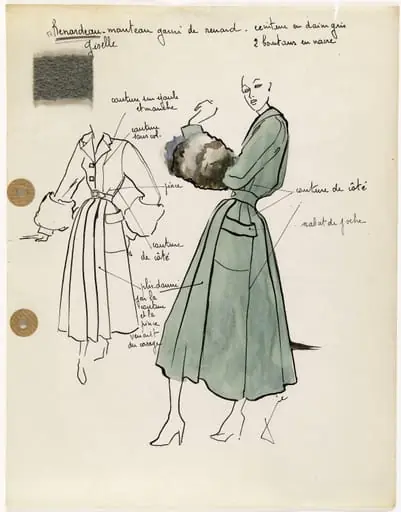 'Renardeau'
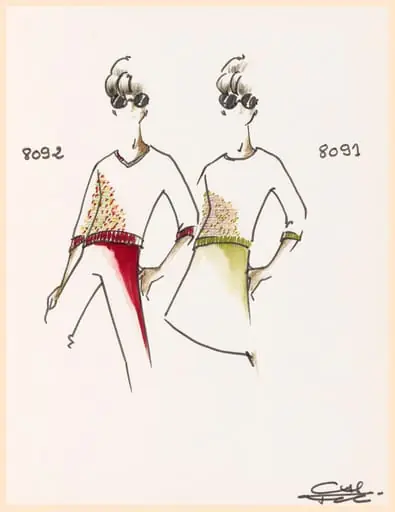 Pull-over à manches trois quarts et à encolure V à motifs multicolores, pantalon cerise et lunettes de soleil
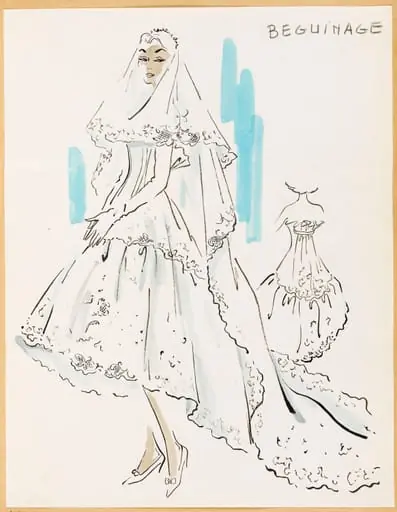 Béguinage