Artwork
Ognette
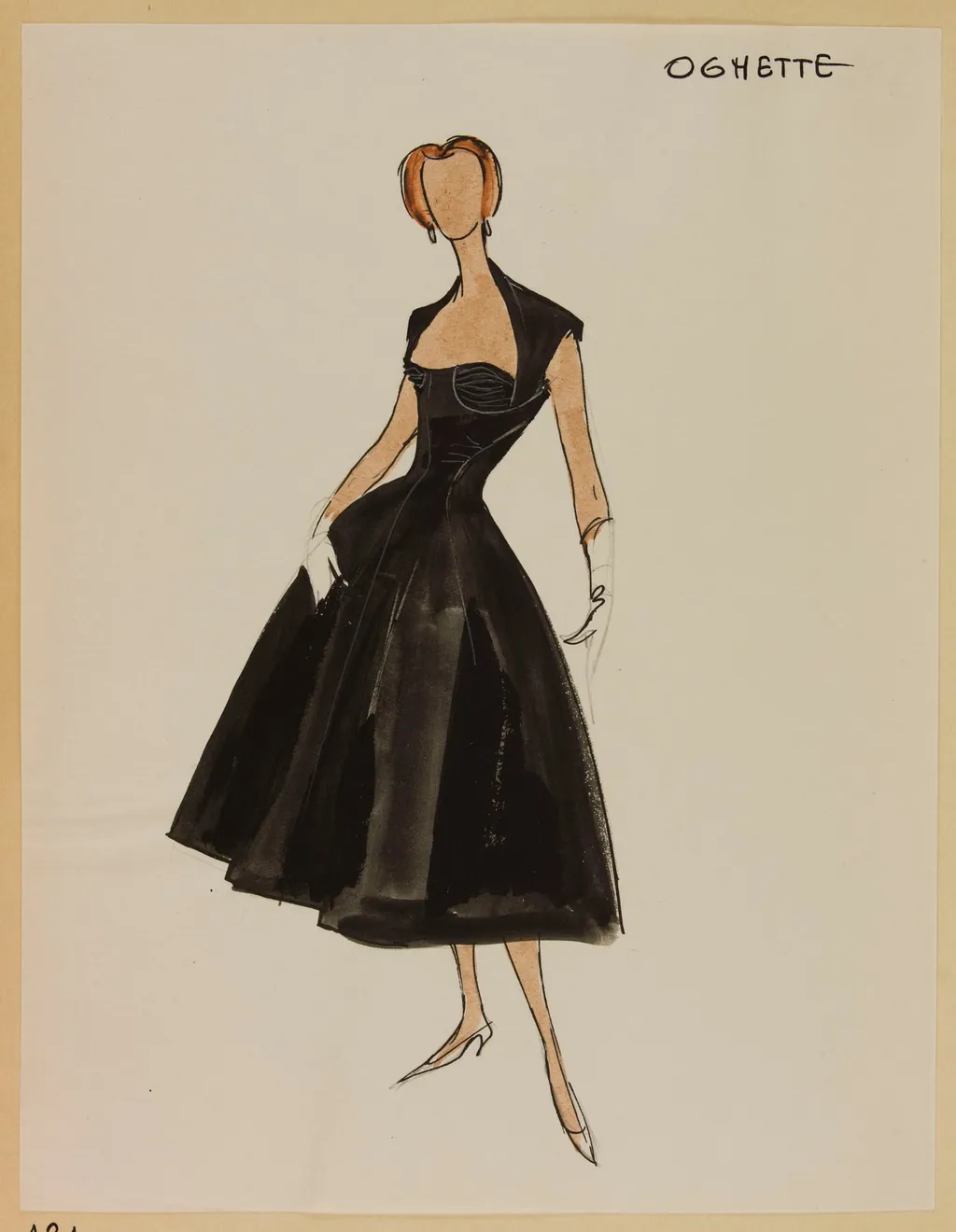
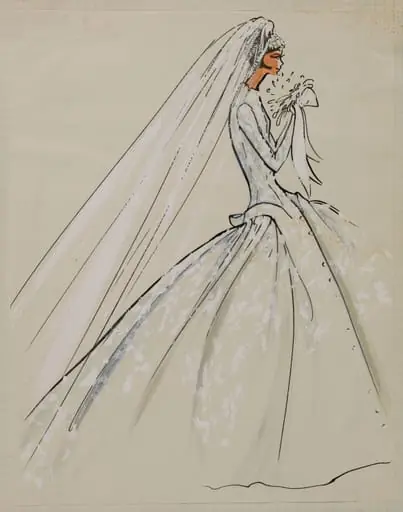
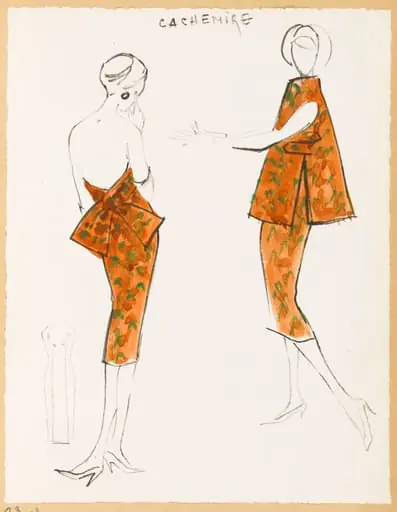
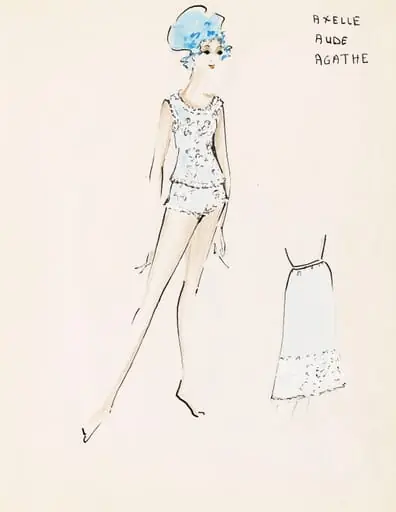
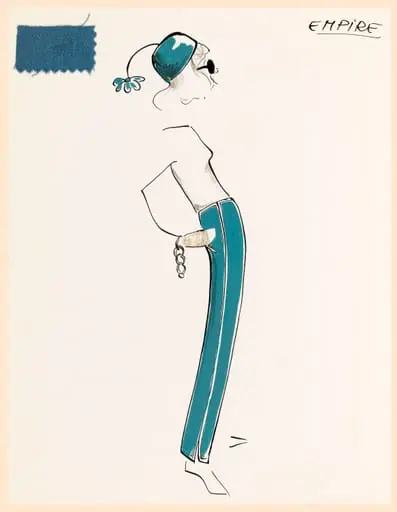
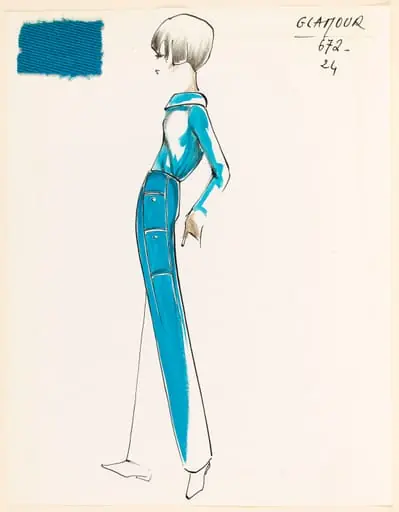
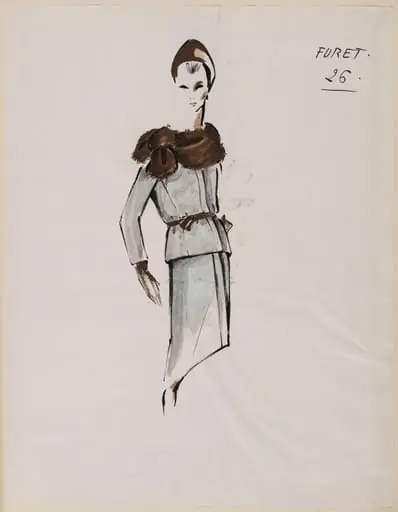
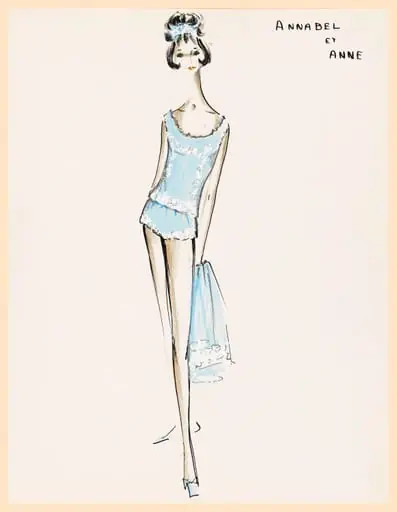
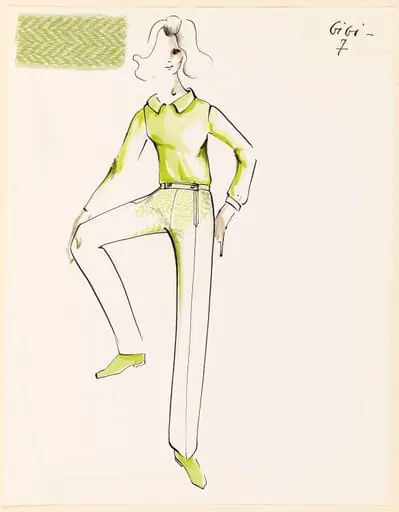
Ognette is a drawing by Carven. It dates from 1955 and is held in the collection of the Palais Galliera - Musée de la Mode de la Ville de Paris.
About this work
Overview
The work is held in the collection of the Museum of Ethnography and is not a formal portrait but a study focused on garment construction and silhouette.
Ognette is a pencil sketch dated around 1955, attributed to the fashion designer Carven. Executed with swift, confident strokes, it captures a female figure in a modest black dress. The work is held in the collection of the Museum of Ethnography and is not a formal portrait but a study focused on garment construction and silhouette. Its informal quality suggests it was made during the design process.
Subject & Meaning
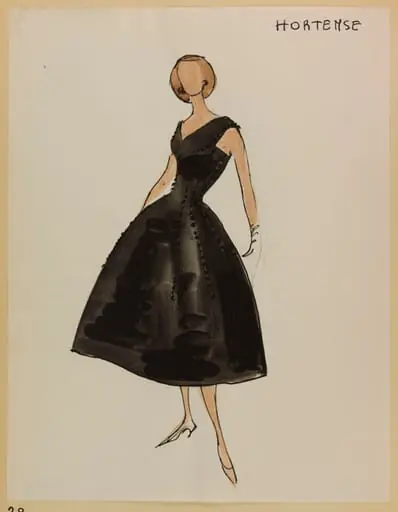
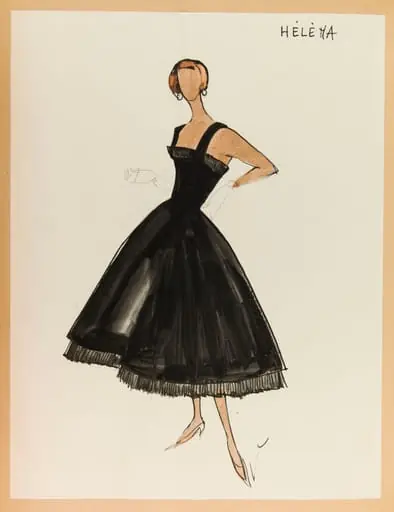
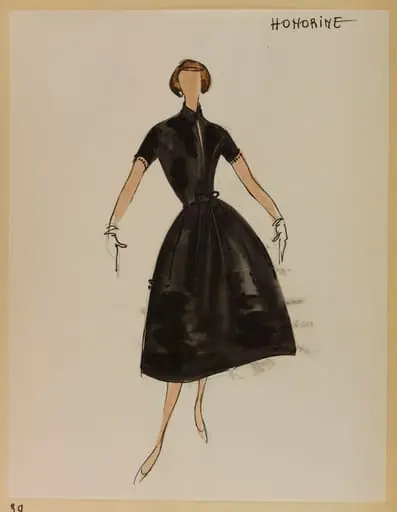
The figure, named Ognette, is depicted in a simple, tailored dress with a fitted bodice and a flared skirt ending just above the ankle. Her neat hairstyle and small earrings imply a restrained elegance. The sketch does not emphasize facial features or emotional expression, instead directing attention to the structure and flow of the clothing. The name may reference a model, client, or internal designation within the studio.
Technique & Style
The drawing employs loose, rapid linework with minimal shading, conveying movement and form through contour rather than detail. The bold, unblended strokes suggest immediacy, typical of fashion sketches used to capture ideas quickly. The absence of background or context isolates the dress as the central subject, reflecting a functional approach to design documentation rather than artistic finish.
History & Provenance
Ognette entered the Museum of Ethnography’s collection as part of a broader archive of Carven’s design materials. Its preservation indicates recognition of its value in documenting mid-20th-century fashion practice. While its exact origin within the studio is undocumented, its inclusion in a museum context signals its role as evidence of design methodology rather than a finished commercial product.
Context
Created in the mid-1950s, Ognette reflects the postwar emphasis on structured yet wearable silhouettes in Parisian fashion. Carven’s sketches from this period often prioritized clean lines and practical elegance, aligning with the era’s shift toward modern, accessible design. This study exemplifies how designers translated aesthetic ideals into wearable forms through rapid visual experimentation.
Legacy
Ognette survives as a quiet testament to the iterative nature of fashion design. Unlike finished garments, such sketches reveal the thought processes behind creation. Its presence in a museum collection underscores the growing scholarly interest in design as process, not just product, offering insight into the unseen labor that shaped mid-century style.
Artist & collection
Artist
These delicate ink-on-paper drawings capture the quiet poetry of everyday things: pinecones, reeds, apples.
Museum
Palais Galliera - Musée de la Mode de la Ville de Paris
Continue through works from the same source collection.