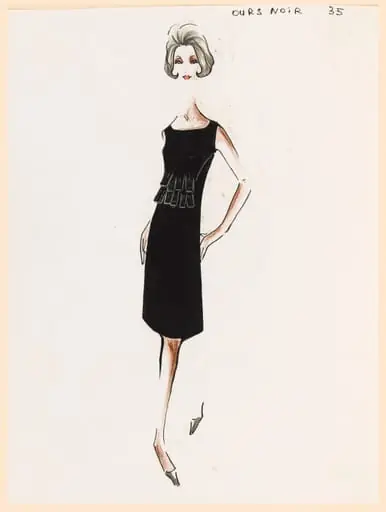
Artwork
Oursin
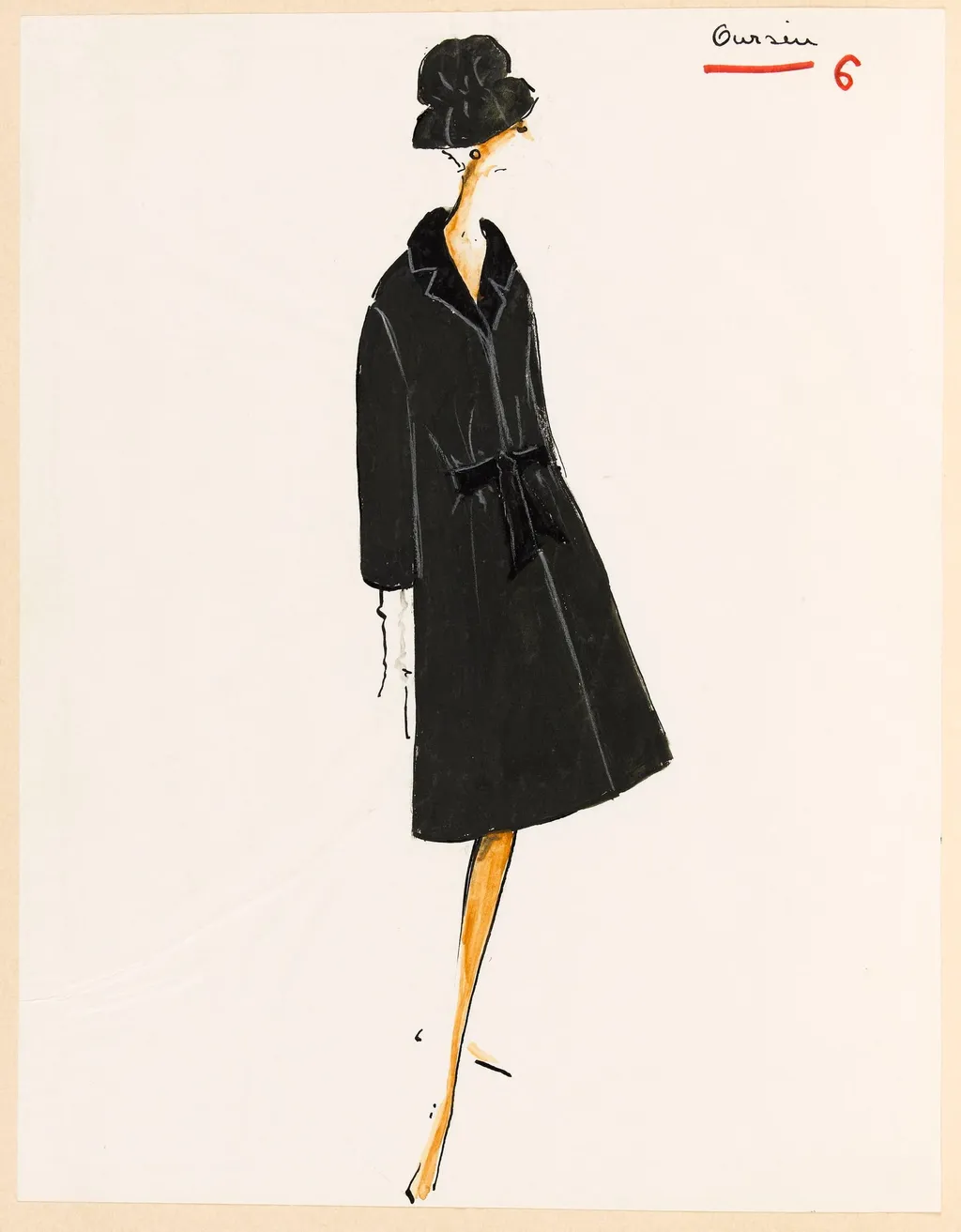
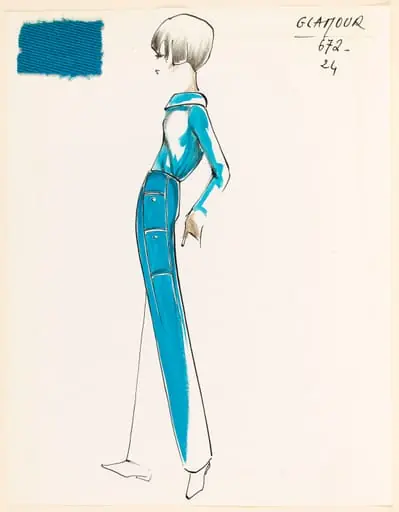
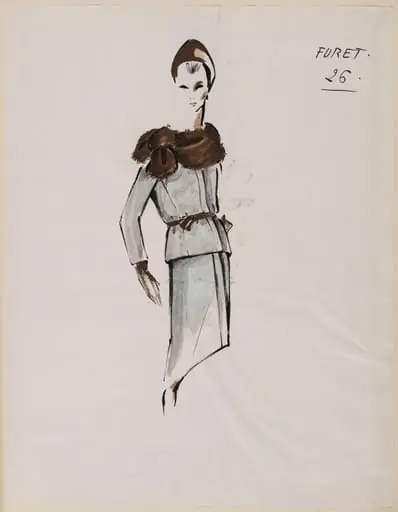
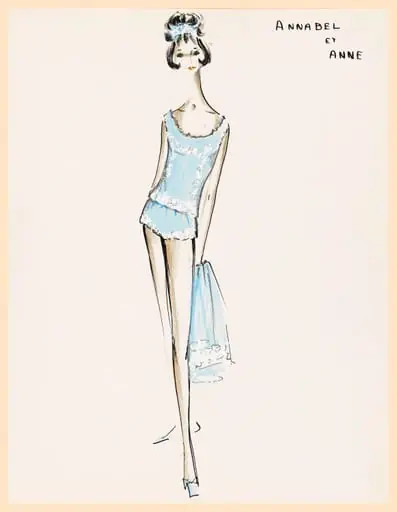
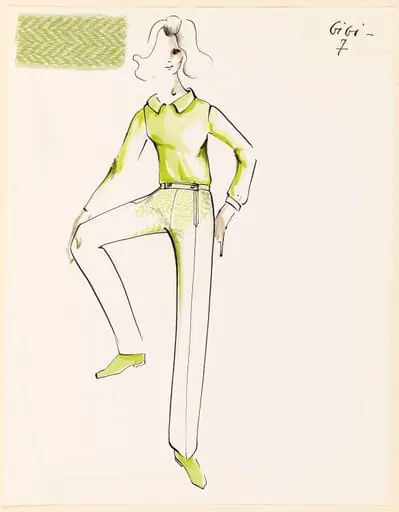
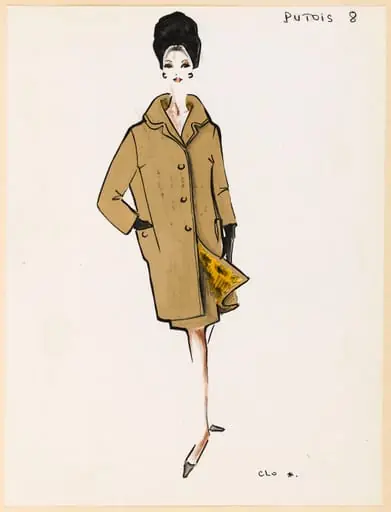
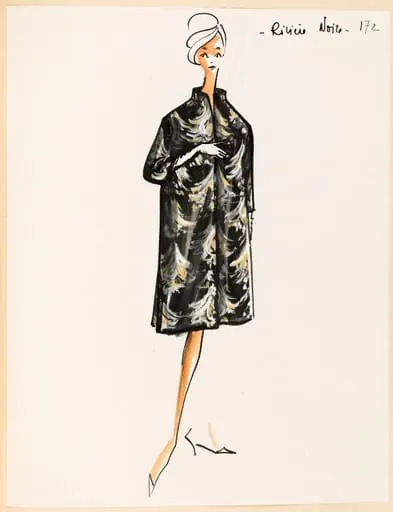
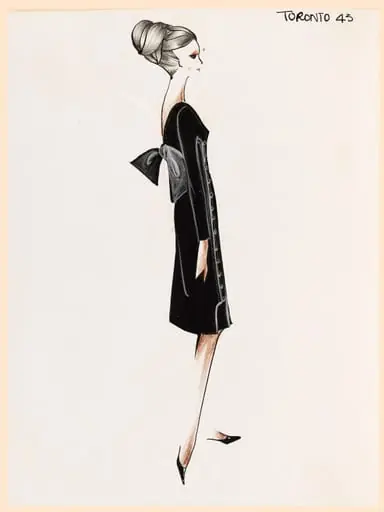
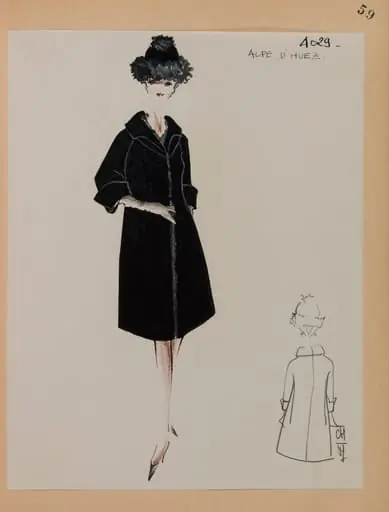
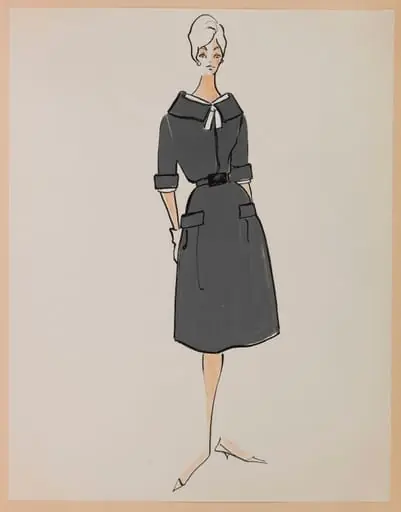
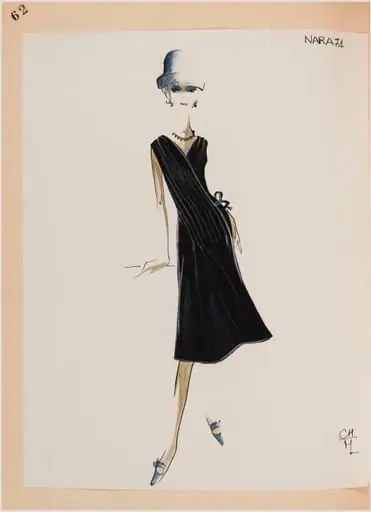
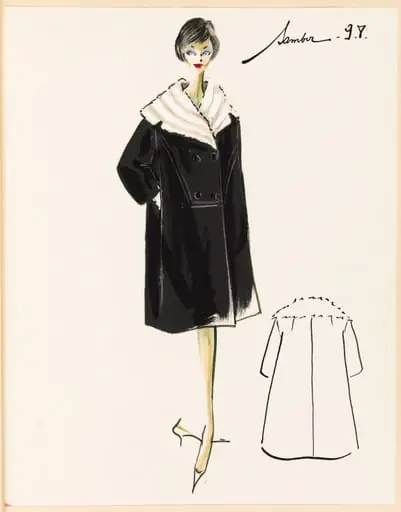
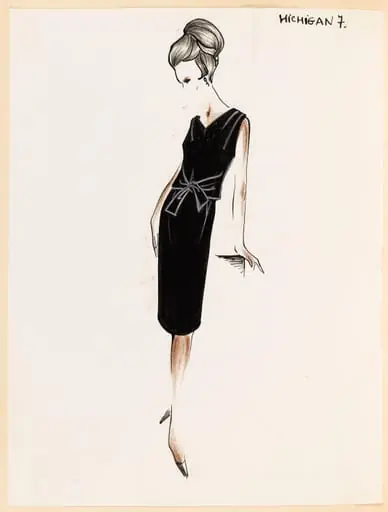
Oursin is a drawing by Carven. It dates from 1967 and is held in the collection of the Palais Galliera - Musée de la Mode de la Ville de Paris.
About this work
Overview
Oursin, dated around 1967, is a pencil sketch by the designer Carven. It resides in the collection of the Museum of Ethnography. The work captures a single figure in motion, rendered with minimal lines and high contrast. Its unadorned composition and rapid execution suggest a study rather than a finished illustration, emphasizing gesture over detail.
Subject & Meaning
The figure is a woman dressed in a long black coat with a fitted waist and flared hem, paired with an oversized hat. Her posture is upright, legs elongated and still, suggesting stillness amid implied movement. The title, meaning 'sea urchin' in French, may allude to the spiky silhouette of the hat or the textured energy of the lines, though no explicit narrative is conveyed.
Technique & Style
Carven employed loose, confident pencil strokes to define form with economy. The drawing relies on bold black shapes against a pale ground, avoiding shading or texture. Lines are swift and uncorrected, prioritizing rhythm over precision. This approach reflects a design sensibility rooted in fashion illustration, where gesture and silhouette communicate character swiftly.
History & Provenance
The work entered the Museum of Ethnography’s collection as part of a broader acquisition of Carven’s design materials. Its origin as a personal sketch or preparatory study is undocumented, but its preservation suggests recognition of its value in understanding the designer’s visual language beyond finished garments.
Context
Created in the late 1960s, Oursin aligns with a period when fashion designers increasingly documented their creative process through sketches. Carven, known for tailored silhouettes, used such drawings to explore form and movement. The piece reflects a broader trend of treating design studies as artifacts of artistic thought, not merely functional tools.
Legacy
Oursin remains a quiet example of Carven’s ability to convey structure and attitude through minimal means. While not widely exhibited, it contributes to scholarly understanding of how fashion designers translated ideas from paper to fabric. Its preservation underscores the growing institutional interest in the ephemeral traces of creative practice.
Artist & collection
Artist
These delicate ink-on-paper drawings capture the quiet poetry of everyday things: pinecones, reeds, apples.
Museum
Palais Galliera - Musée de la Mode de la Ville de Paris
Continue through works from the same source collection.