Artwork
Marius
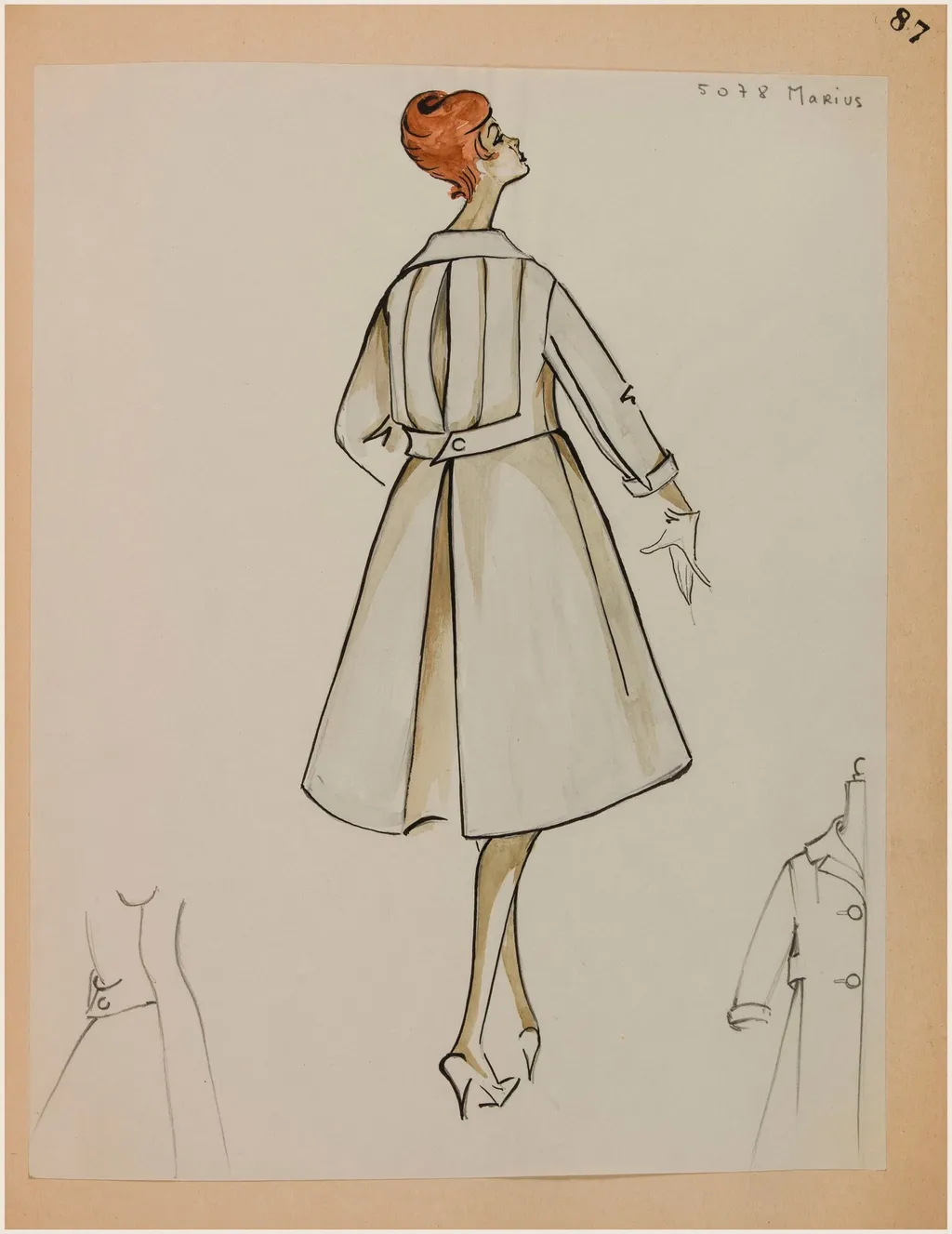
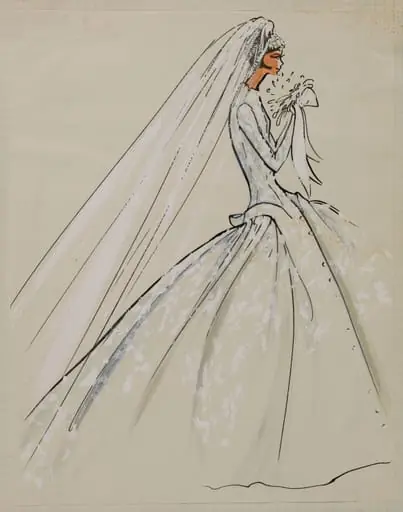
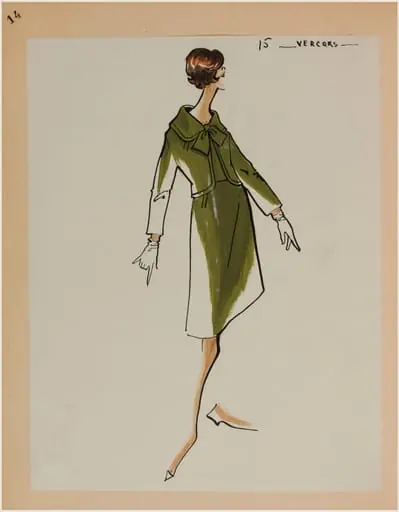
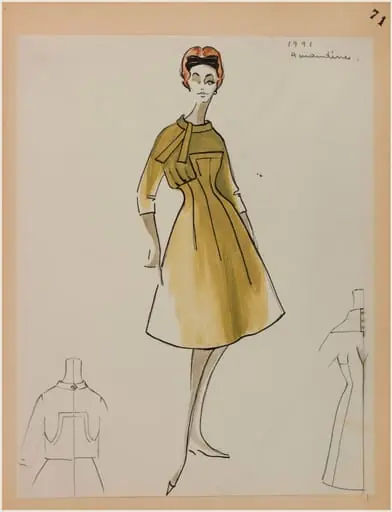
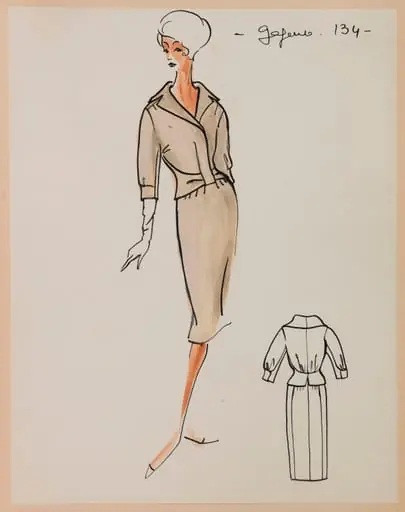
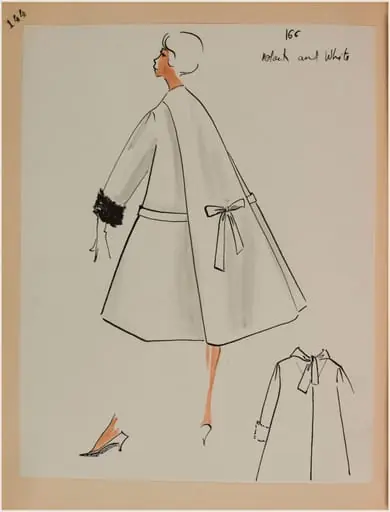
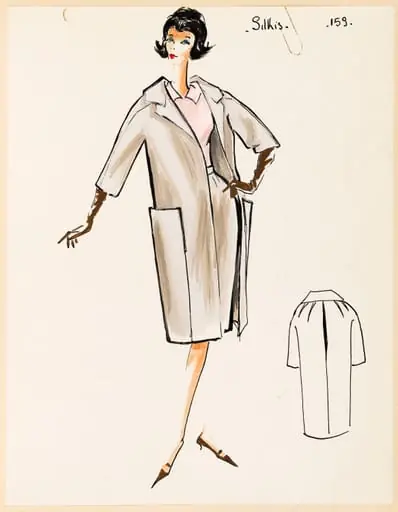
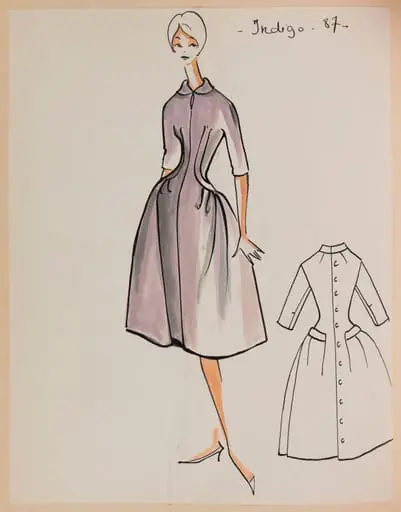
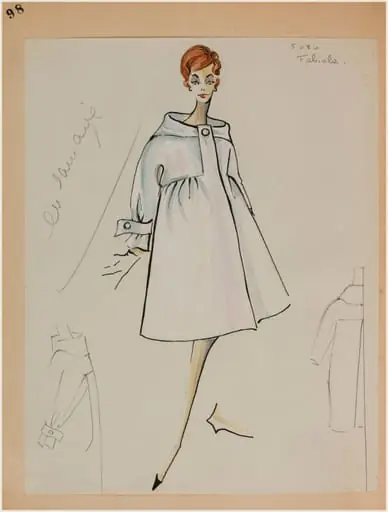
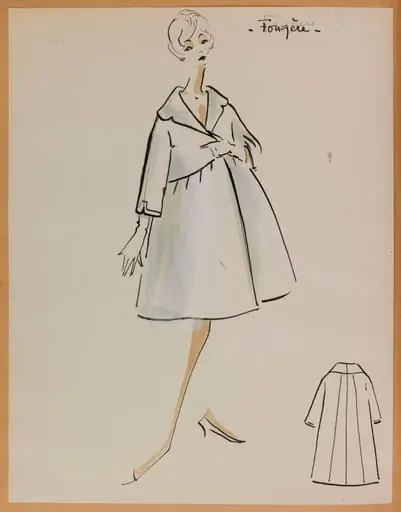
Marius is a drawing by Carven. It dates from 1958 and is held in the collection of the Palais Galliera - Musée de la Mode de la Ville de Paris.
About this work
Overview
The work is part of the collection at the Museum of Ethnography, where it is cataloged as a study in form and presence rather than narrative.
Marius is a pencil drawing created around 1958 by the artist Carven. It depicts a woman standing in a composed, upright posture, rendered with restrained linework and minimal shading. The work is part of the collection at the Museum of Ethnography, where it is cataloged as a study in form and presence rather than narrative. Its quiet simplicity invites attention to posture and attire over elaborate detail.
Subject & Meaning
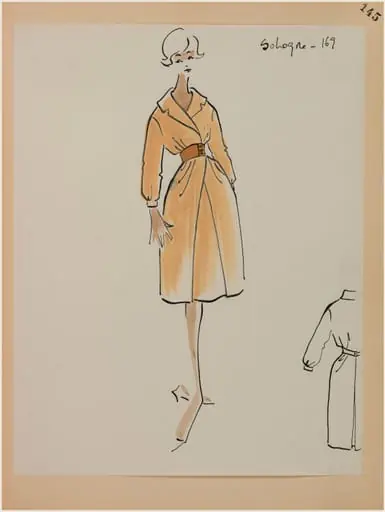
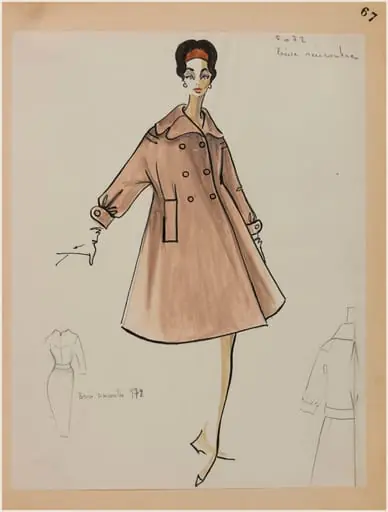
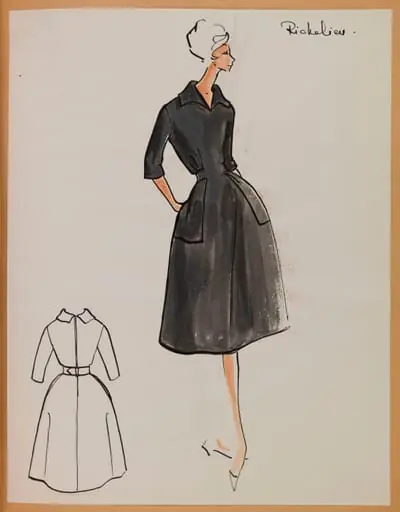
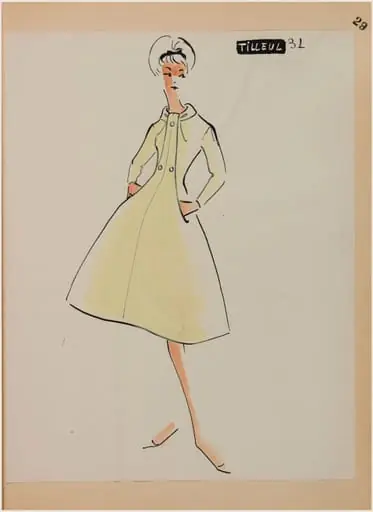
The figure, identified as Marius, is a woman with short red hair, dressed in a tailored white coat cinched at the waist, paired with white high heels. Her hands are tucked into her pockets, suggesting self-possession and calm authority. The title, traditionally masculine, contrasts with the feminine subject, introducing ambiguity without explicit commentary. The image conveys composure rather than storytelling, leaving interpretation open to the viewer.
Technique & Style
Carven employs clean, unbroken lines to define the figure and clothing, avoiding texture or shading. The background is left uniformly light beige, eliminating distraction and focusing attention on the silhouette. The coat’s folds are suggested with a few precise strokes, and the pose is held with geometric clarity. This reduction to essential forms reflects a modernist approach, prioritizing elegance over realism.
History & Provenance
The drawing entered the Museum of Ethnography’s collection shortly after its creation, likely through direct acquisition or donation by the artist. There is no public record of prior exhibitions or ownership prior to its institutional acquisition. Its placement within an ethnographic context suggests an interest in cultural representation of modern identity, though Carven’s intent remains undocumented.
Context
Created in the late 1950s, Marius aligns with postwar artistic trends favoring minimalism and psychological restraint. While Carven is not widely known, the work reflects broader interests in portraiture as a study of demeanor rather than likeness. Its presence in an ethnographic museum, rather than a fine arts institution, implies a curatorial focus on everyday visual culture and gendered performance in modern life.
Legacy
Marius remains a quiet example of mid-century line drawing, valued for its understated precision. It has not been widely reproduced or studied, but within the museum’s collection, it serves as a reference for how simplicity can convey presence. The work continues to be exhibited occasionally, primarily in thematic groupings exploring gender, attire, and modernist portraiture.
Artist & collection
Artist
These delicate ink-on-paper drawings capture the quiet poetry of everyday things: pinecones, reeds, apples.
Museum
Palais Galliera - Musée de la Mode de la Ville de Paris
Continue through works from the same source collection.