Artwork
Pirate
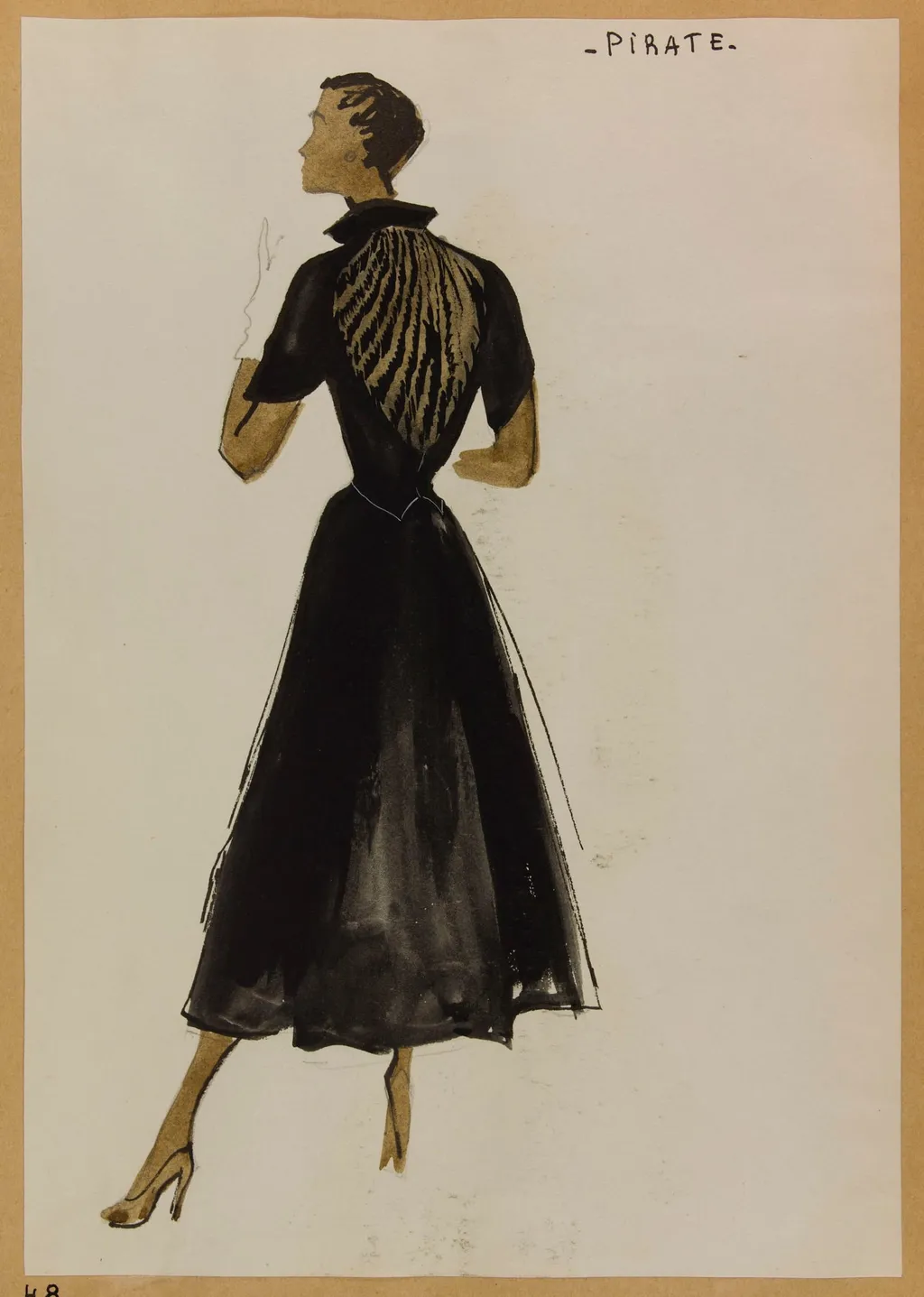
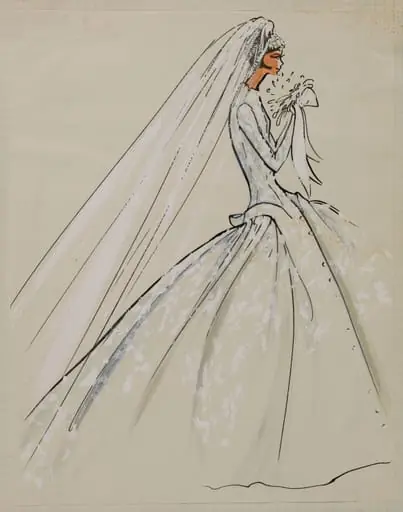
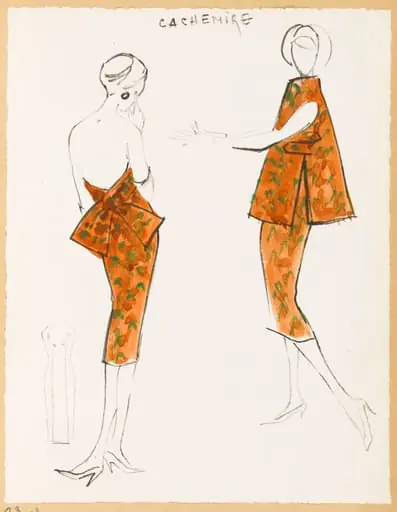
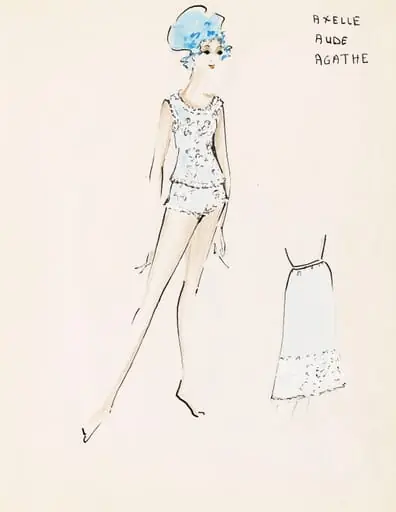
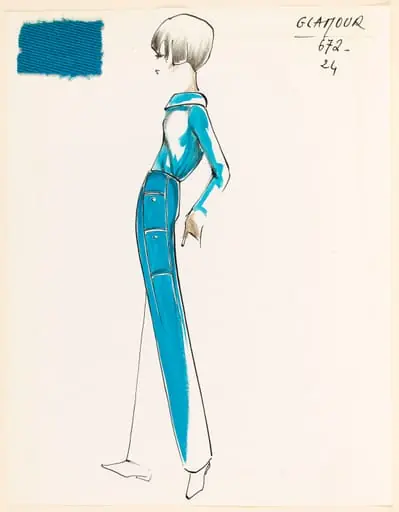
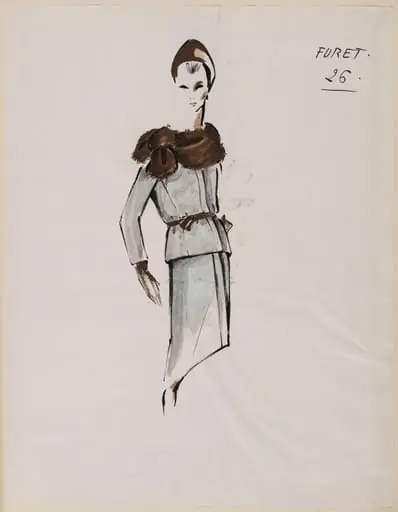
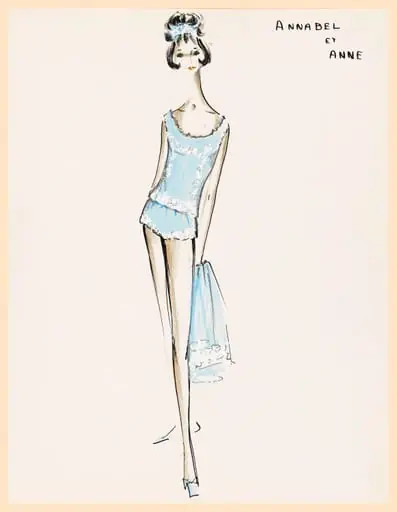
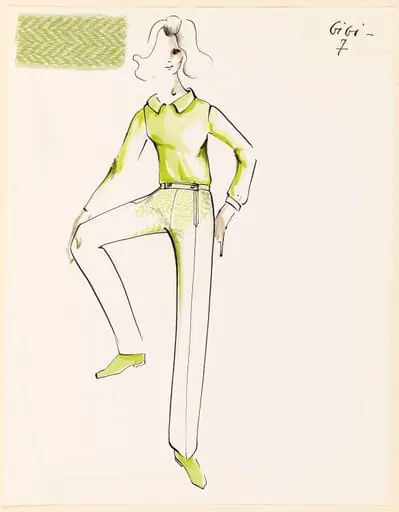
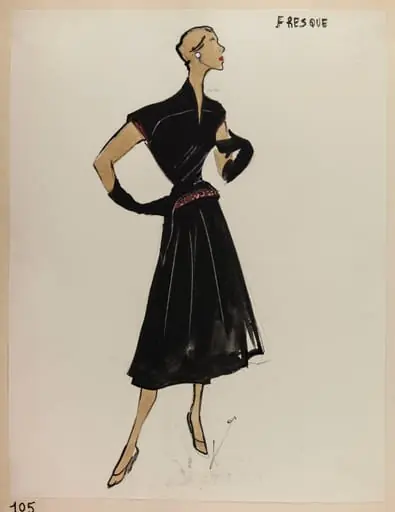
Pirate is a drawing by Carven. It dates from 1952 and is held in the collection of the Palais Galliera - Musée de la Mode de la Ville de Paris.
About this work
Overview
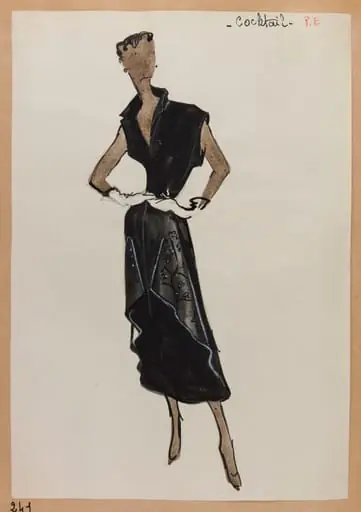
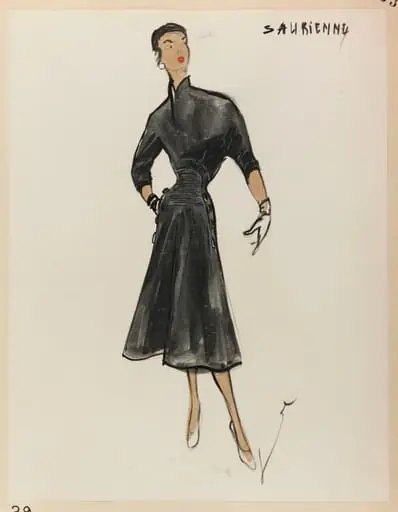
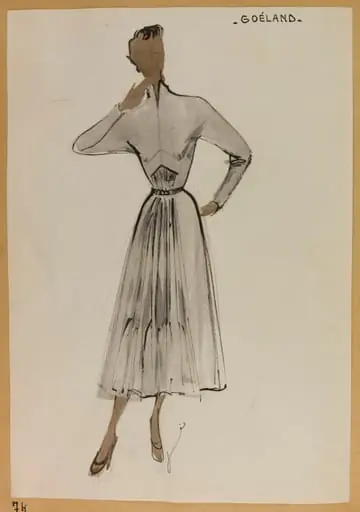
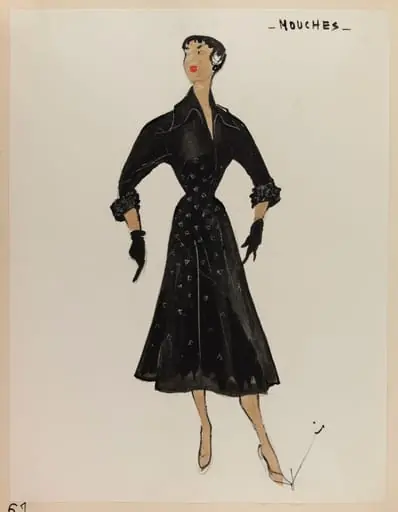
Created in 1952 by Carven, this ink sketch depicts a solitary female figure viewed from behind. Executed with swift, unrefined strokes, the drawing captures a moment of quiet movement. The work is part of the Museum of Ethnography’s collection, where it is preserved not as a finished illustration but as a candid study, possibly linked to fashion design practice of the era.
Subject & Meaning
The figure, dressed in a high-collared black dress with a flared skirt, walks away from the viewer, her posture suggesting detachment. A cigarette dangles from her hand, adding a subtle hint of defiance or introspection. The word 'Pirate,' scrawled in the corner, may reference the garment’s name or serve as a personal epithet, implying a persona of rebellion or independence tied to the attire.
Technique & Style
Carven employed rapid, fluid lines to outline the figure and dress, avoiding detailed rendering in favor of expressive gesture. The absence of heavy shading suggests an emphasis on silhouette and motion rather than volume. The loose handling reflects a spontaneous approach, characteristic of preparatory sketches in fashion design, where form is suggested rather than finalized.
History & Provenance
The drawing entered the Museum of Ethnography’s holdings after being retained within Carven’s personal archive. Its preservation as a standalone work, rather than as part of a larger portfolio, indicates its significance as a standalone visual note. No documentation confirms whether it was intended for commercial use or private reference, leaving its original purpose open to interpretation.
Context
In postwar France, fashion designers often used quick sketches to explore silhouette and mood before constructing garments. This drawing aligns with that practice, capturing a stylized female form that echoes contemporary ideals of elegance and quiet rebellion. The term 'Pirate' may reflect a trend in naming garments after outlaw archetypes, common in mid-century fashion rhetoric.
Legacy
Though not widely exhibited, the sketch endures as an example of how fashion design blurred the line between art and utility. Its minimalism and emotional tone have drawn attention from scholars studying the intersection of gender, clothing, and identity in mid-century Europe. It remains a quiet testament to the unseen labor behind fashion’s public face.
Artist & collection
Artist
These delicate ink-on-paper drawings capture the quiet poetry of everyday things: pinecones, reeds, apples.
Museum
Palais Galliera - Musée de la Mode de la Ville de Paris
Continue through works from the same source collection.