Artwork
Cocktail
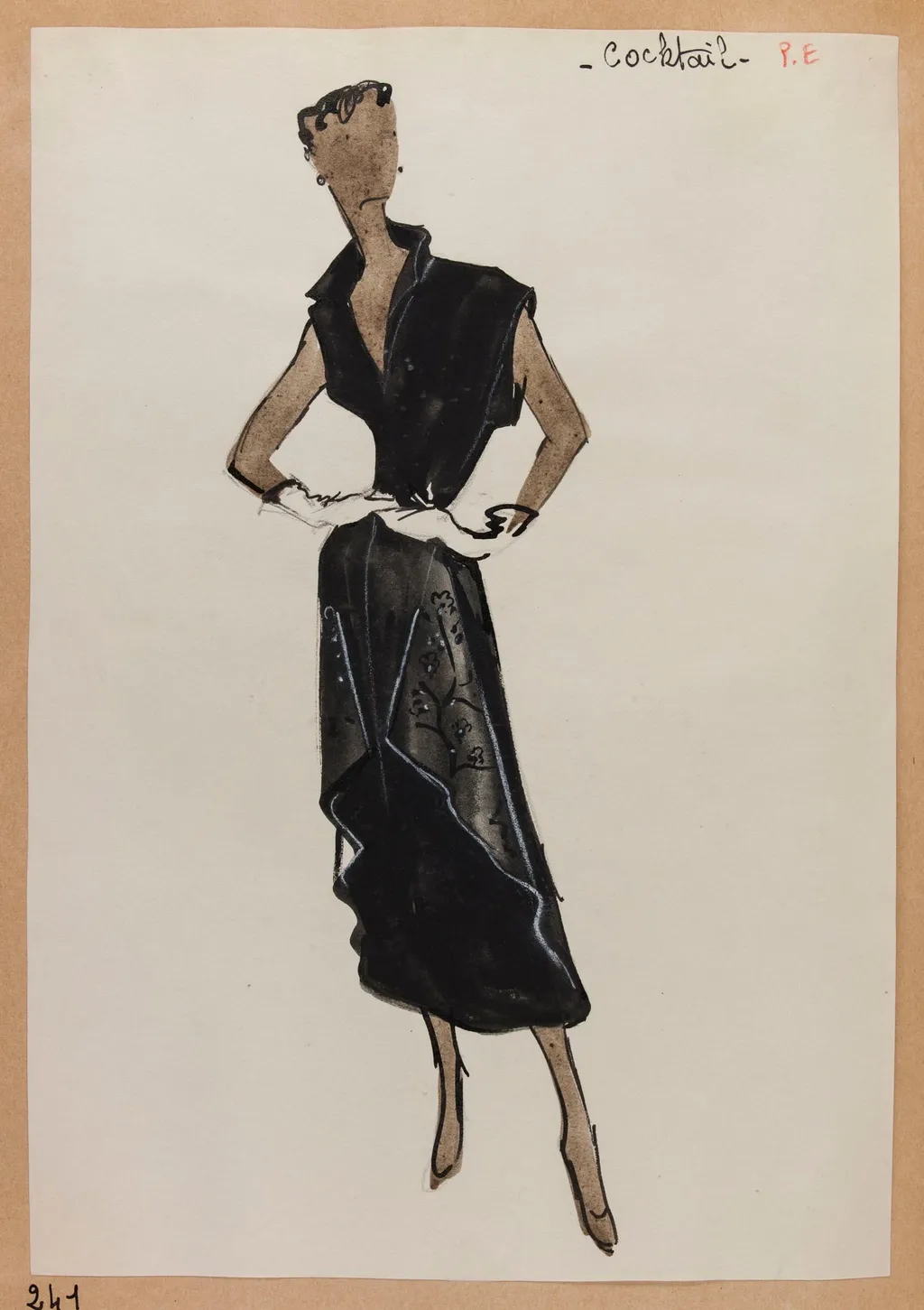
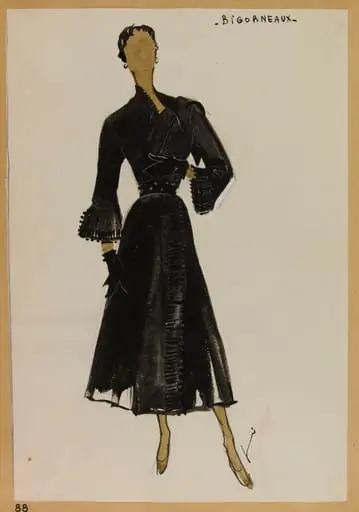
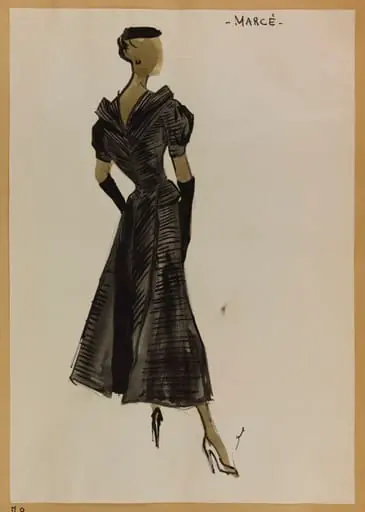
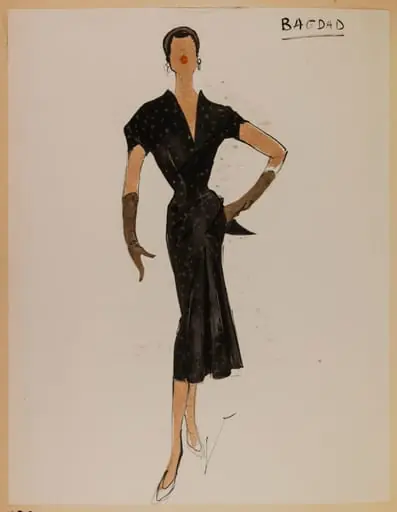
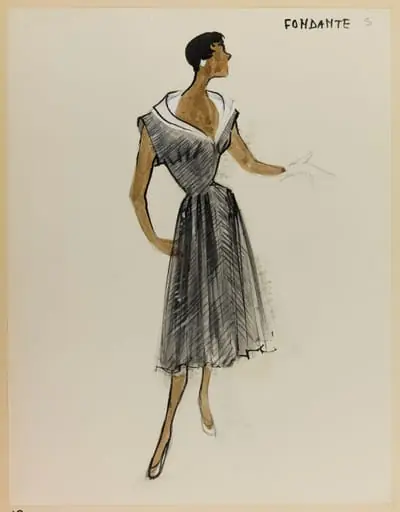
Cocktail is a drawing by Marie-Louise Carven. It dates from 1951 and is held in the collection of the Palais Galliera - Musée de la Mode de la Ville de Paris.
About this work
Overview
The drawing reflects her focus on elegant, wearable designs for smaller frames and her pioneering role in bringing couture-inspired pieces into ready-to-wear.
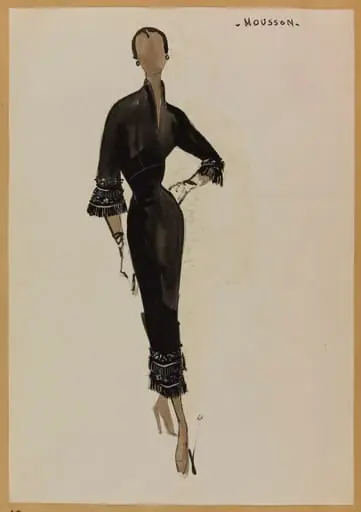
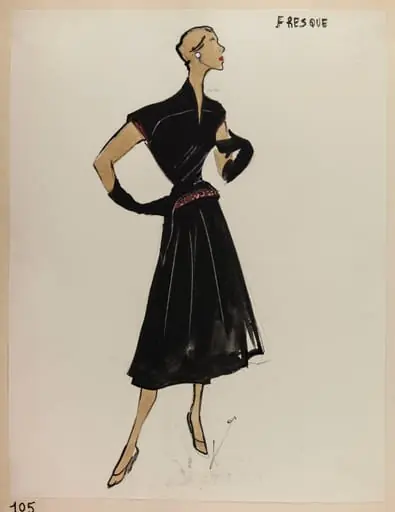
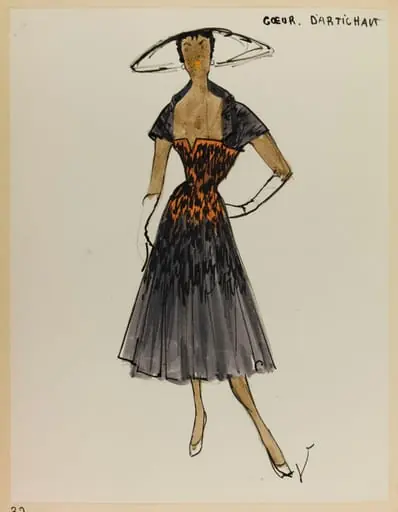
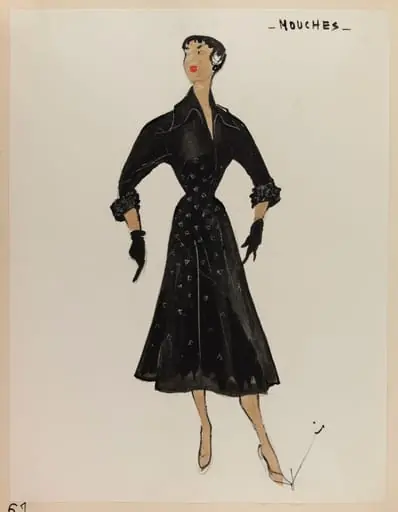
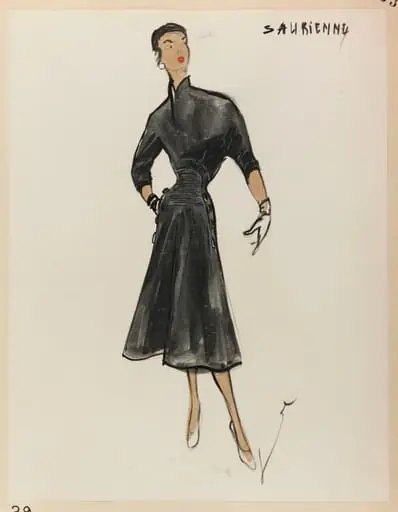
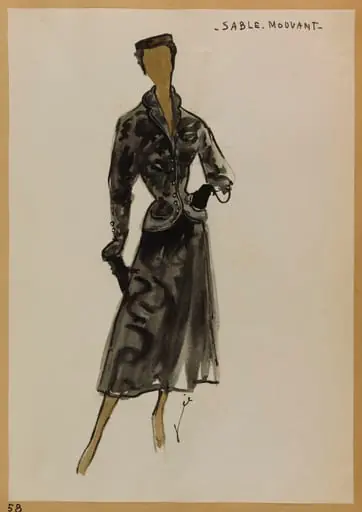
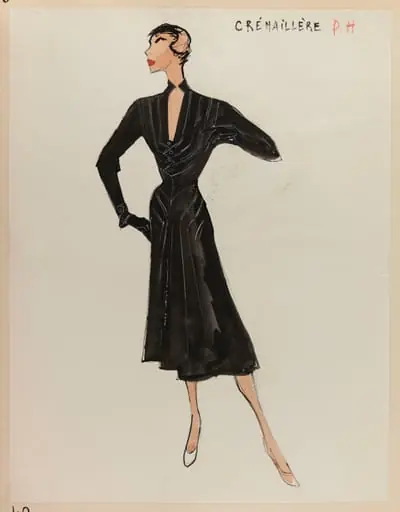
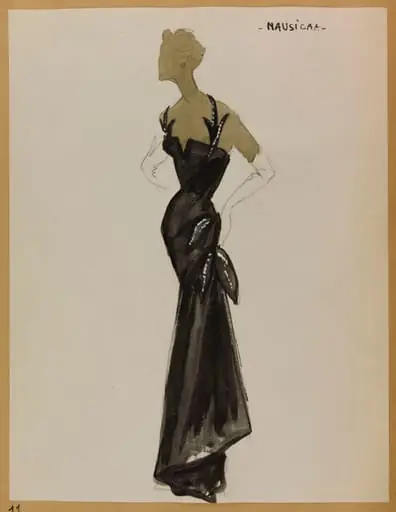
Created around 1951, *Cocktail* is a fashion sketch by Marie-Louise Carven, founder of the Parisian label Carven established in 1945. The drawing reflects her focus on elegant, wearable designs for smaller frames and her pioneering role in bringing couture-inspired pieces into ready-to-wear. Executed in ink with minimal detail, the work functions as a design study rather than a finished illustration, capturing the essence of an evening ensemble with fluid lines and suggestive form.
Subject & Meaning
The sketch depicts a woman in a tailored black dress, its draped skirt suggesting movement and refinement. Her poised stance—one hand on the hip, the other holding a small object—conveys quiet confidence, aligning with the social rituals of postwar evening attire. The title *Cocktail* situates the garment within the context of mid-century social gatherings, where fashion balanced sophistication with ease. The drawing implies functionality without overt ornamentation, reflecting Carven’s design philosophy.
Technique & Style
Carven employed loose, rapid ink lines to define the dress’s silhouette, emphasizing form over precision. Subtle indications of a floral motif on the skirt are rendered with minimal strokes, suggesting pattern without overdetailing. The sketch’s economy of line—no shading, no facial features, no background—focuses attention on the garment’s structure and flow. This approach mirrors the speed and intuition required in fashion design, where ideas are captured before being translated into fabric.
History & Provenance
The drawing resides in the collection of the Museum of Ethnography, a repository for cultural artifacts related to dress and daily life. Its inclusion there signals recognition of fashion as a material expression of social habits. While the sketch’s exact provenance prior to museum acquisition is not documented, its presence reflects broader efforts to preserve design ephemera from mid-century Parisian couture houses, particularly those that bridged haute couture and emerging ready-to-wear markets.
Context
In the early 1950s, Parisian designers began adapting couture techniques for mass production, responding to changing consumer demands and economic realities. Carven was among the first to launch a prêt-à-porter line, making stylish clothing accessible beyond elite clients. *Cocktail* exemplifies this transition: a design study rooted in artisanal tradition yet intended for broader production, embodying the era’s shift toward democratized fashion without sacrificing aesthetic discipline.
Legacy
Carven’s sketches, including *Cocktail*, contribute to the historical record of how fashion was conceived and communicated before digital tools. Her emphasis on simplicity, proportion, and wearability influenced later designers who prioritized functionality in women’s clothing. Though not widely exhibited, such drawings remain vital to understanding the evolution of modern fashion design, particularly the quiet revolution of ready-to-wear in postwar Europe.
Artist & collection
Artist
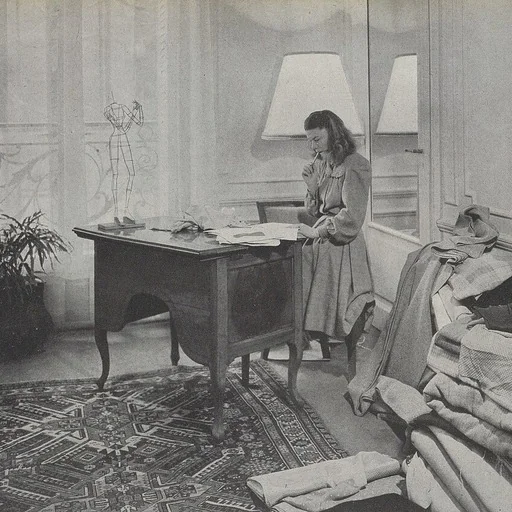
Marie-Louise Carven (31 August 1909 – 8 June 2015), born Carmen de Tommaso, was a French fashion designer who founded the house of Carven in 1945.
Museum
Palais Galliera - Musée de la Mode de la Ville de Paris
Continue through works from the same source collection.
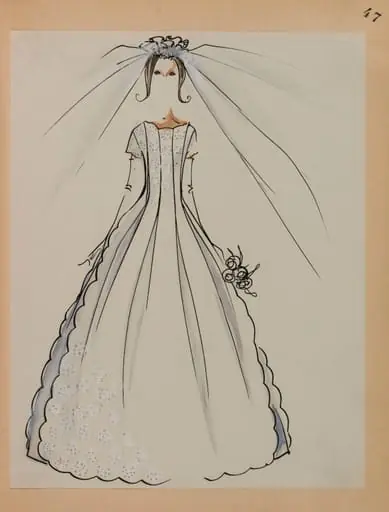 Robe de mariée festonnée et son voile
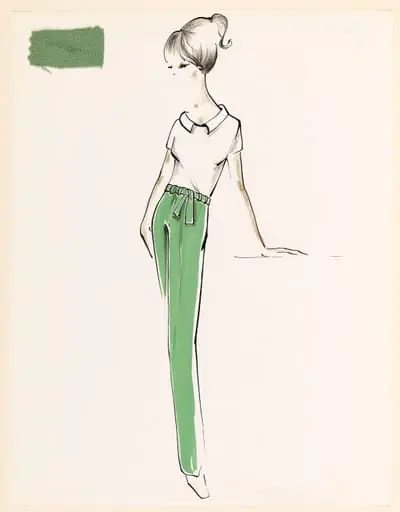 Haut blanc à manches courtes et pantalon vert à ceinture nouée
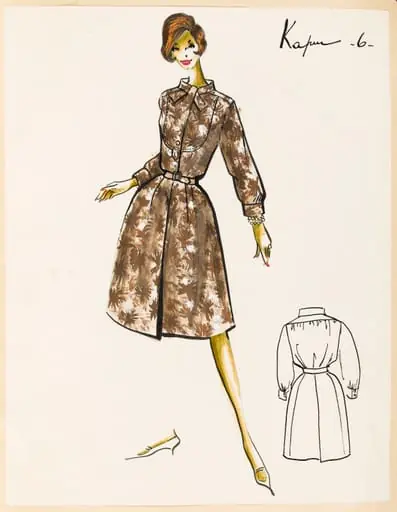 Kapur
Kapur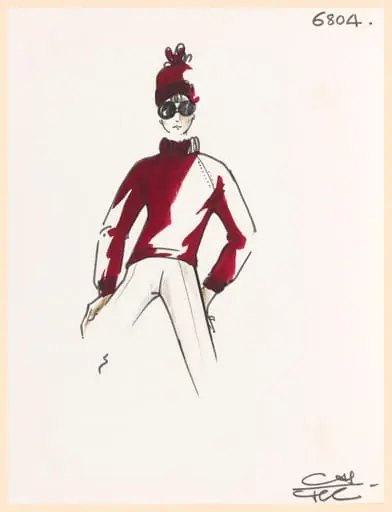 Pull-over à manches longues pourpre, bonnet assorti, pantalon et lunettes de soleil
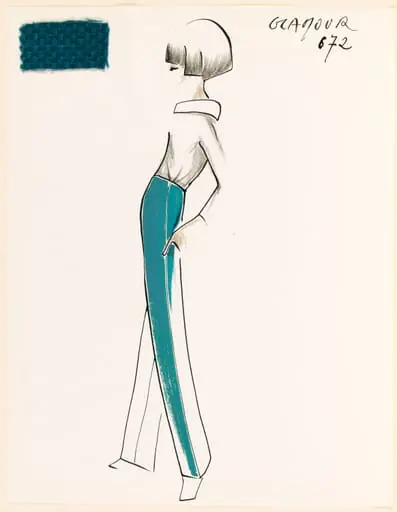 GLAMOUR
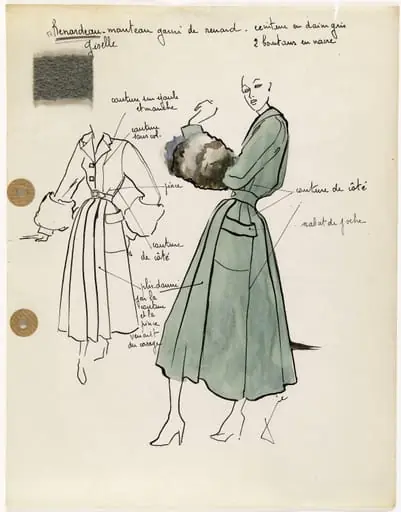 'Renardeau'
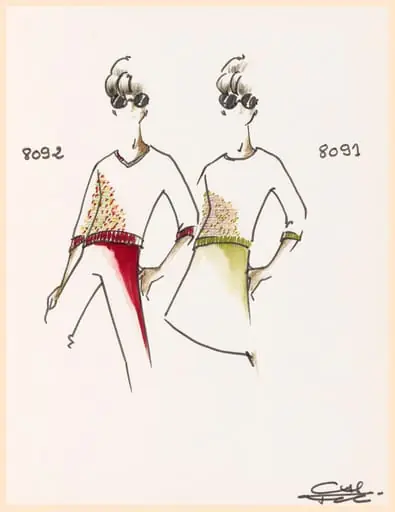 Pull-over à manches trois quarts et à encolure V à motifs multicolores, pantalon cerise et lunettes de soleil
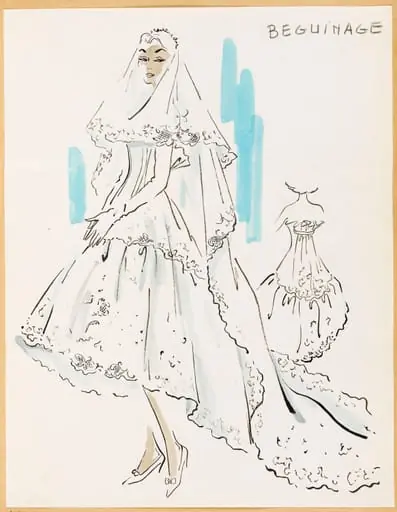 Béguinage