Artwork
Roulis
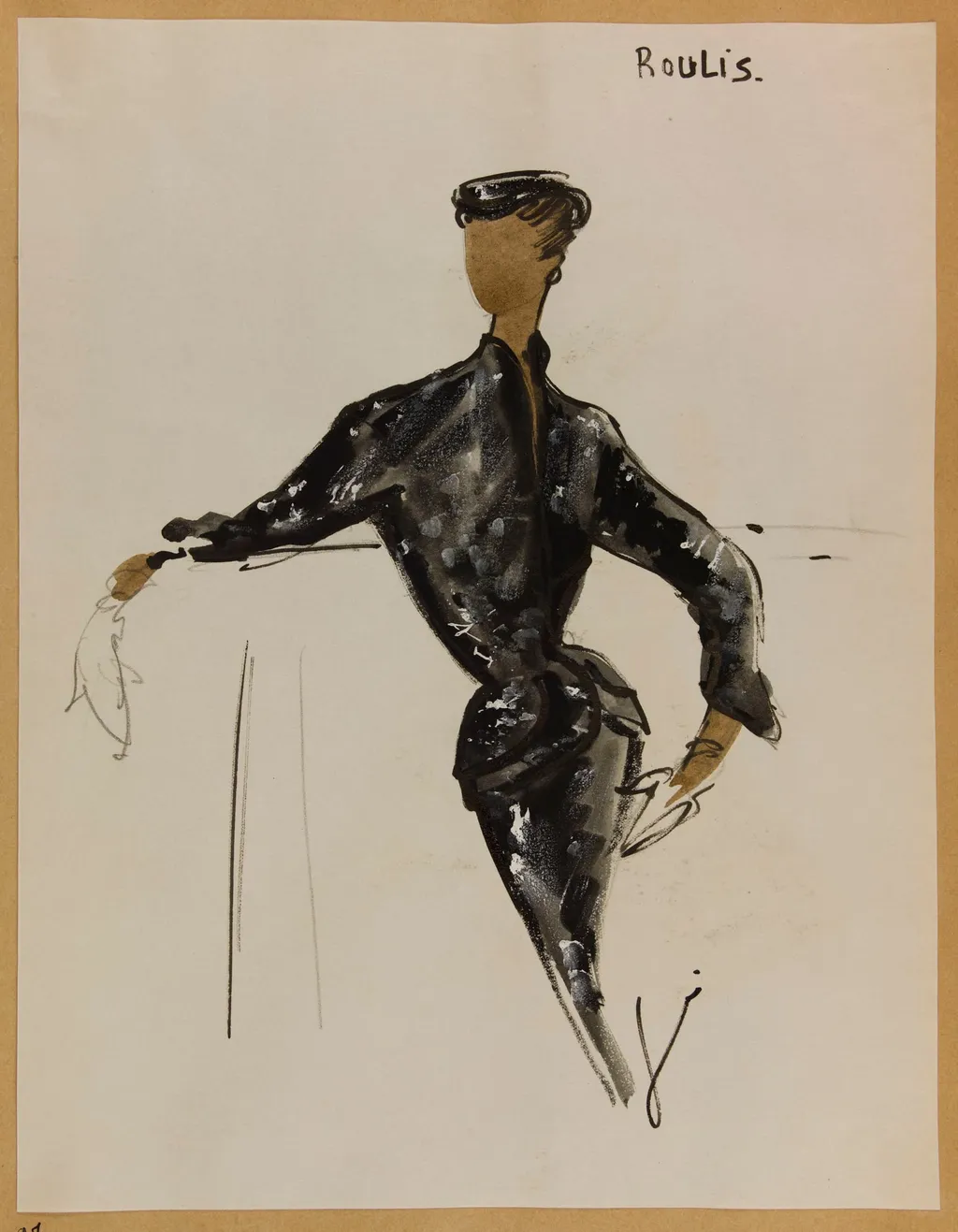
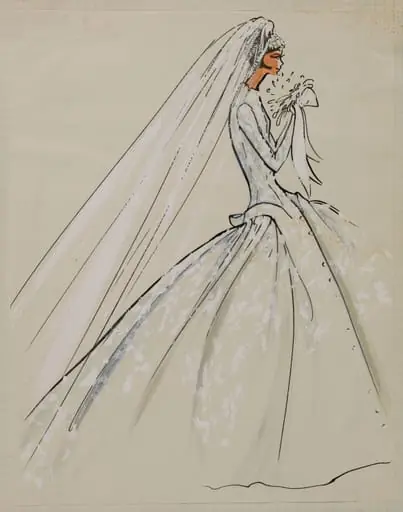
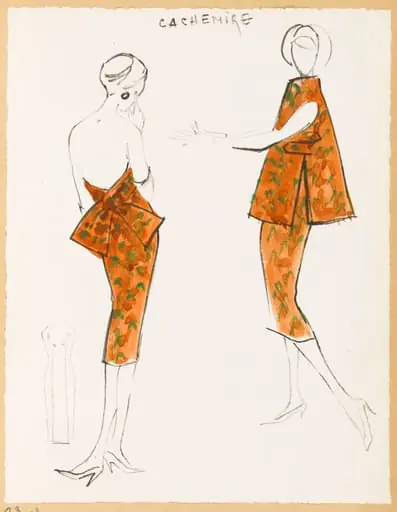
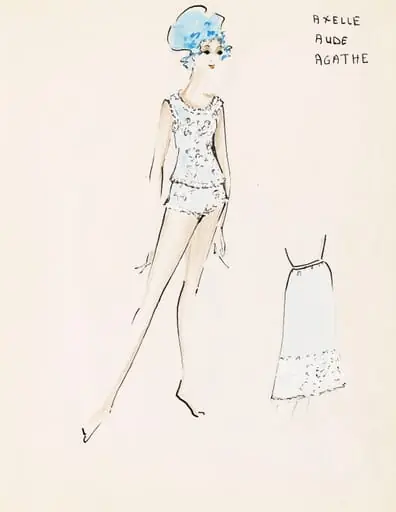
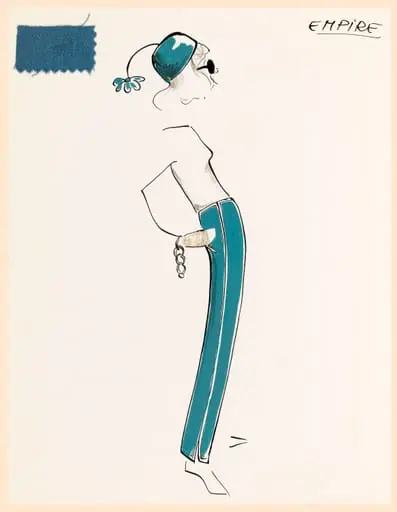
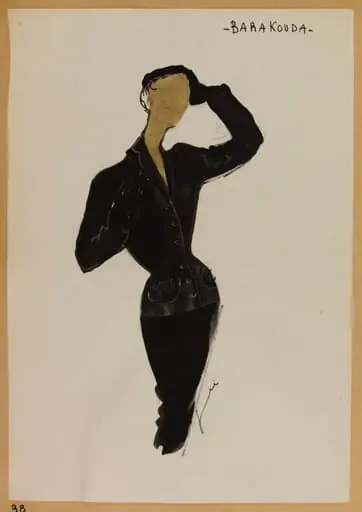
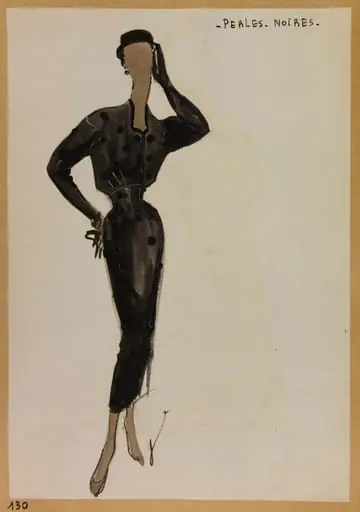
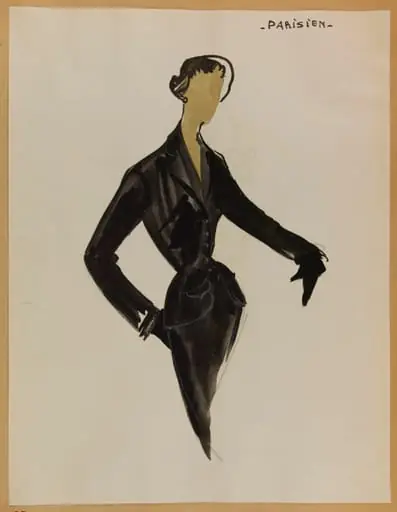
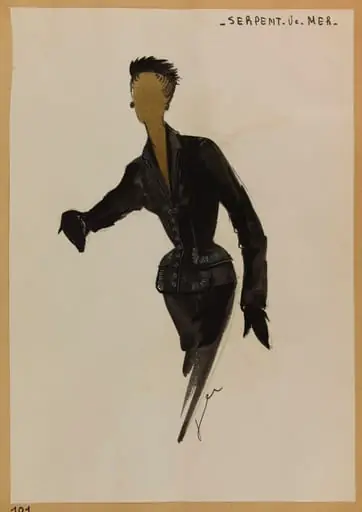
Roulis is a drawing by Carven. It dates from 1952 and is held in the collection of the Palais Galliera - Musée de la Mode de la Ville de Paris.
About this work
Overview
The composition emphasizes dynamism rather than anatomical precision, using minimal detail to suggest form and momentum.
Roulis is a 1952 ink sketch by the artist Carven, currently held in the collection of the Museum of Ethnography. Executed with rapid, fluid strokes, the work captures a dancer in motion, suspended between steps. The composition emphasizes dynamism rather than anatomical precision, using minimal detail to suggest form and momentum. The background remains largely untouched, reinforcing the immediacy of the gesture.
Subject & Meaning
The subject is a dancer performing a balancing pose, one leg lifted, arms extended outward. The title 'Roulis' may reference a specific dance term or performer, though no definitive record exists. The sketch conveys transient physicality—focus is placed on the body’s equilibrium and energy rather than narrative or identity. It reflects an interest in movement as a lived, ephemeral experience.
Technique & Style
Carven employed dark ink with swift, confident lines to define the dancer’s form, particularly the leotard and tights, while leaving limbs and background sparse. The strokes are unrefined and immediate, suggesting direct observation from life. Absence of shading or background detail directs attention to the figure’s kinetic tension, aligning the work with expressive drawing traditions that prioritize gesture over finish.
History & Provenance
Created in 1952, Roulis entered the Museum of Ethnography’s collection shortly after its making. No documentation exists regarding its initial exhibition or ownership prior to acquisition. Its presence in an ethnographic institution, rather than a fine arts context, suggests the museum’s interest in movement as cultural expression, possibly linked to performance traditions studied by the institution.
Context
In the early 1950s, many artists turned to spontaneous drawing as a means of engaging with the body in motion, influenced by dance, theater, and postwar interest in embodied experience. Carven’s sketch aligns with this trend, reflecting a broader cultural shift toward capturing transient gestures. The work’s placement in an ethnographic museum may indicate its perceived connection to non-Western or folk dance practices under study at the time.
Legacy
Roulis remains a quiet example of Carven’s observational practice, rarely exhibited but consistently referenced in studies of mid-century gesture drawing. It contributes to the museum’s archive of performance-related materials, offering insight into how movement was recorded and valued outside formal choreographic documentation. Its enduring presence underscores the significance of ephemeral acts in cultural preservation.
Artist & collection
Artist
These delicate ink-on-paper drawings capture the quiet poetry of everyday things: pinecones, reeds, apples.
Museum
Palais Galliera - Musée de la Mode de la Ville de Paris
Continue through works from the same source collection.