Artwork
Savarin
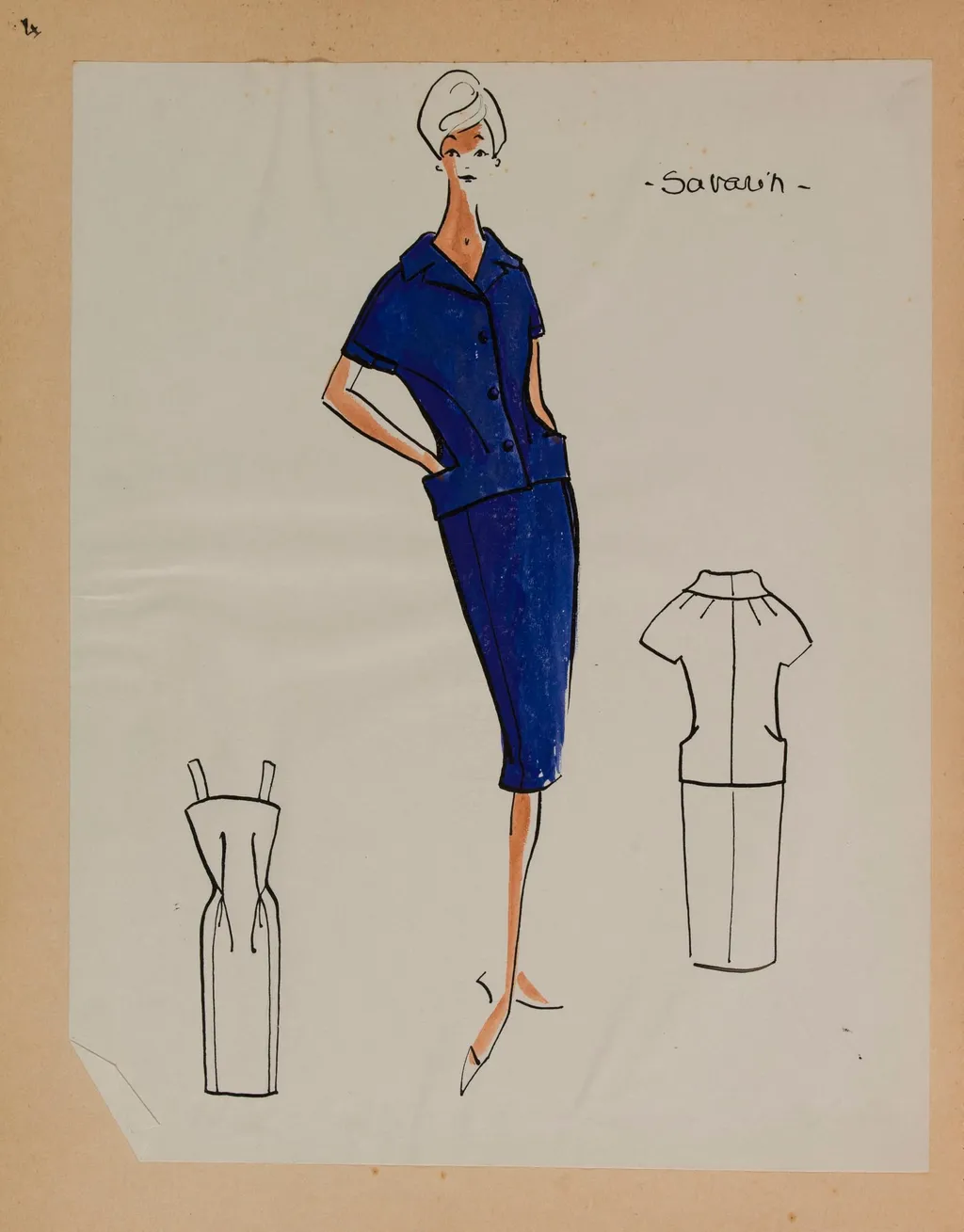
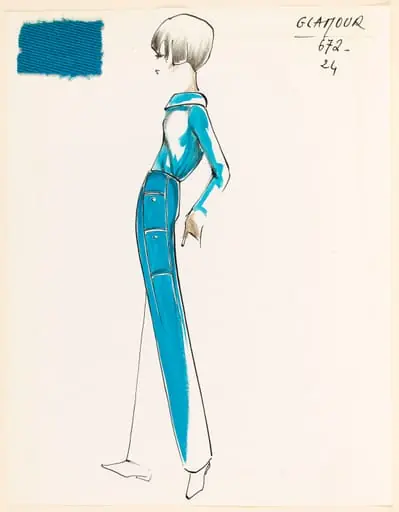
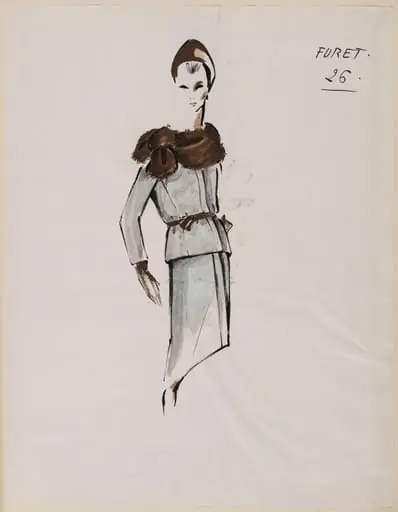
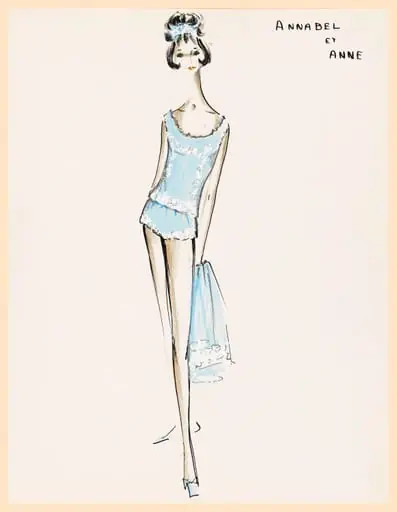
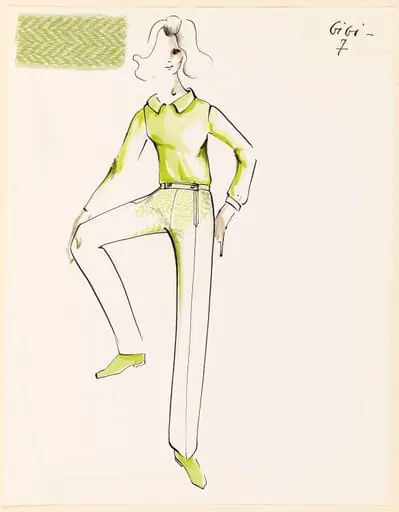
Savarin is a drawing by Carven. It dates from 1958 and is held in the collection of the Palais Galliera - Musée de la Mode de la Ville de Paris.
About this work
Overview
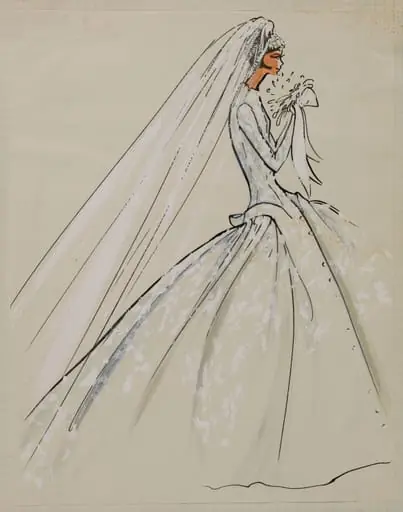
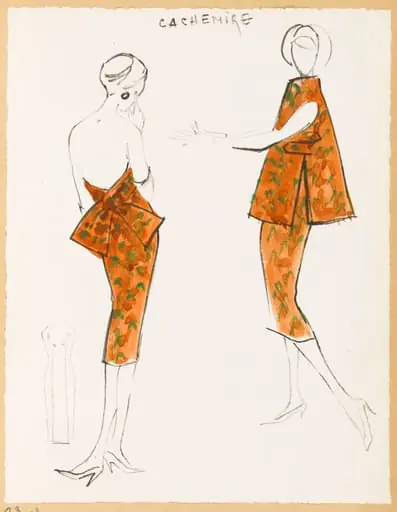
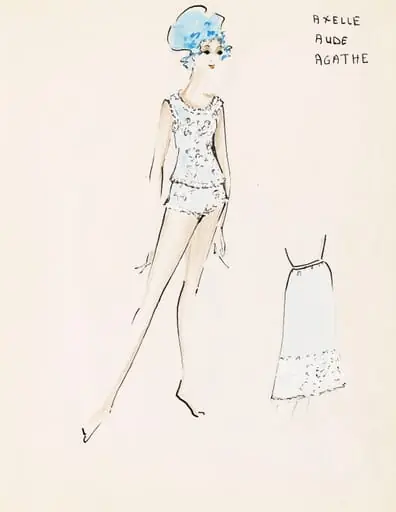
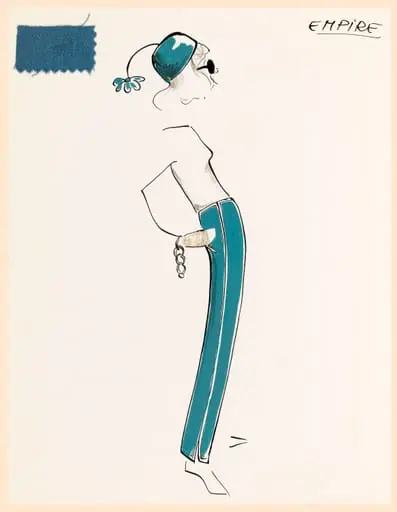
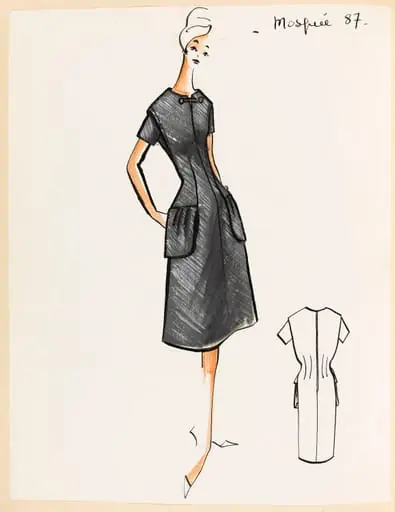
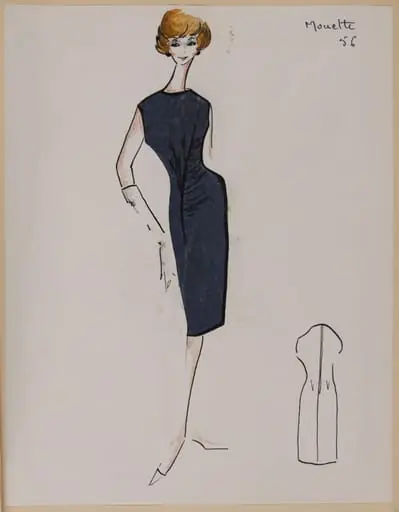
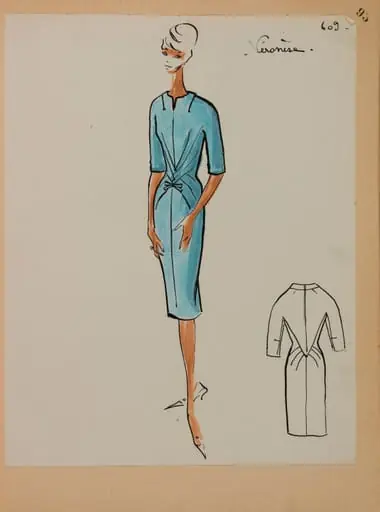
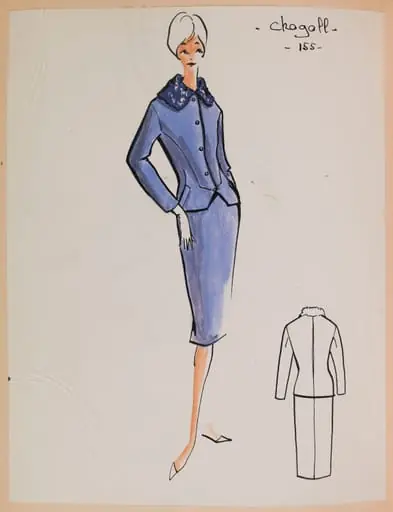
Savarin is a pencil drawing from around 1958 by the French designer Carven. It is part of the collection at the Museum of Ethnography. The work presents a stylized female figure against a plain white field, framed by a narrow brown border. Its restrained composition and minimal line work reflect a design-oriented approach, likely tied to fashion illustration rather than fine art.
Subject & Meaning
These elements imply a focus on clothing as both form and function, possibly serving as a design reference or mood board.
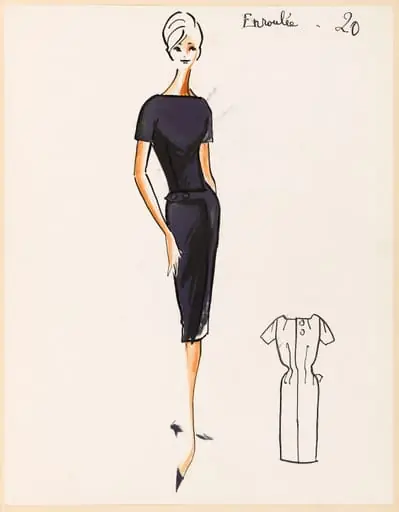
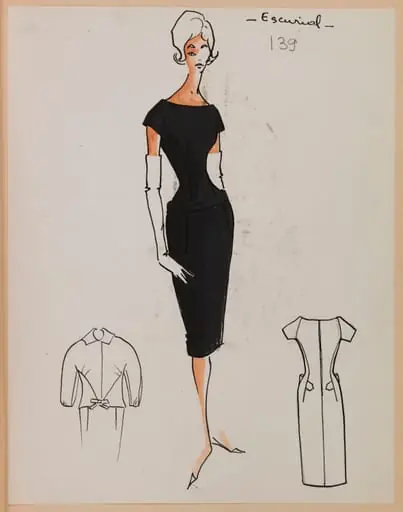
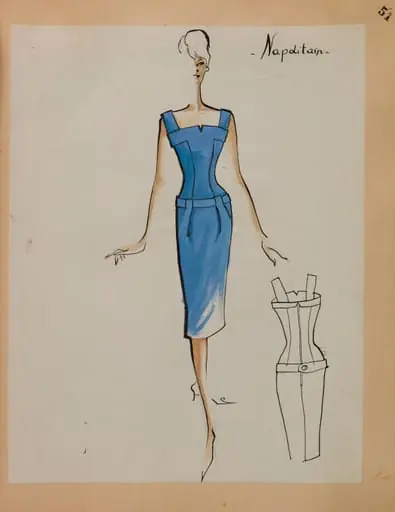
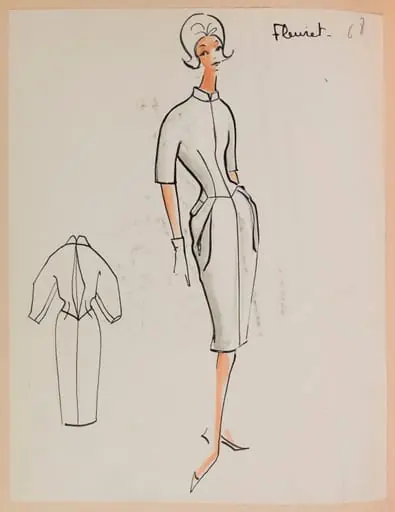
The central figure is a woman dressed in a blue dress with a collar and buttoned front, paired with a matching skirt. Her posture—hand on hip, the other in pocket—suggests casual confidence. Flanking her are simplified outlines of garments: a dress to the left, a shirt and skirt to the right. These elements imply a focus on clothing as both form and function, possibly serving as a design reference or mood board.
Technique & Style
The drawing employs clean, unembellished lines with no shading or texture. Forms are reduced to essential contours, emphasizing silhouette over detail. The monochromatic palette and sparse background reinforce a sense of clarity and precision. This minimalist aesthetic aligns with mid-century fashion drafting practices, where efficiency and legibility were prioritized.
History & Provenance
Created circa 1958, Savarin entered the collection of the Museum of Ethnography, suggesting its significance as a cultural artifact of postwar fashion design. While little is documented about its original purpose, its preservation indicates recognition of its role in illustrating the evolution of wearable design during a period of rapid stylistic change in Europe.
Context
In the late 1950s, fashion houses like Carven were refining ready-to-wear lines for a growing middle class. This drawing may have functioned as an internal design tool or presentation aid, capturing garment silhouettes without the distraction of elaborate rendering. Its inclusion in an ethnographic museum reflects an interest in fashion as a social and material practice.
Legacy
Savarin remains a quiet example of how fashion designers translated creative ideas into visual language. Its preservation underscores the value placed on design documentation as cultural record. Though not widely exhibited, it contributes to understanding the quiet, practical side of mid-century fashion production beyond runway presentations.
Artist & collection
Artist
These delicate ink-on-paper drawings capture the quiet poetry of everyday things: pinecones, reeds, apples.
Museum
Palais Galliera - Musée de la Mode de la Ville de Paris
Continue through works from the same source collection.