Artwork
Trappeur
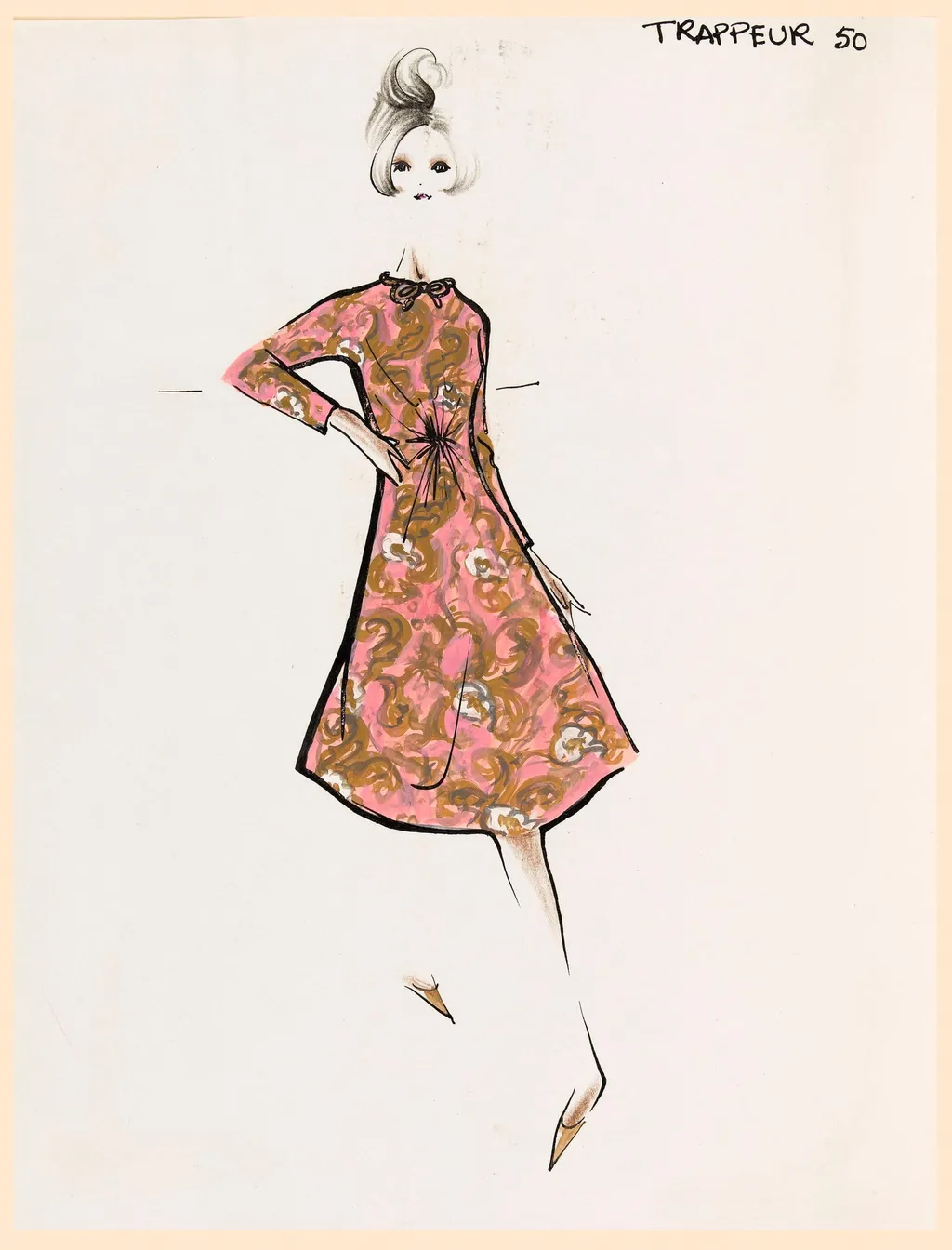
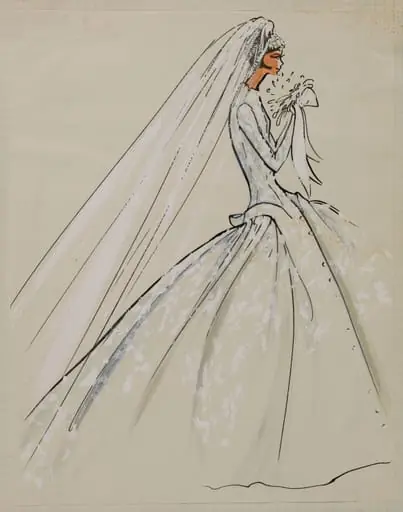
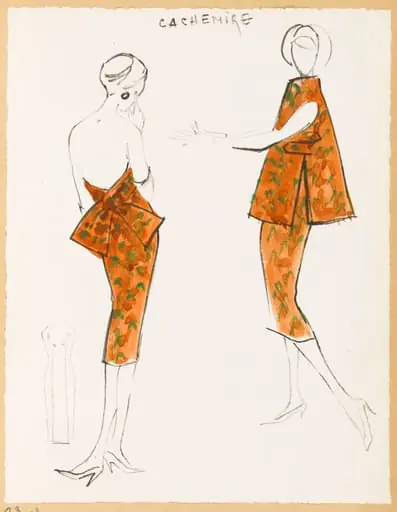
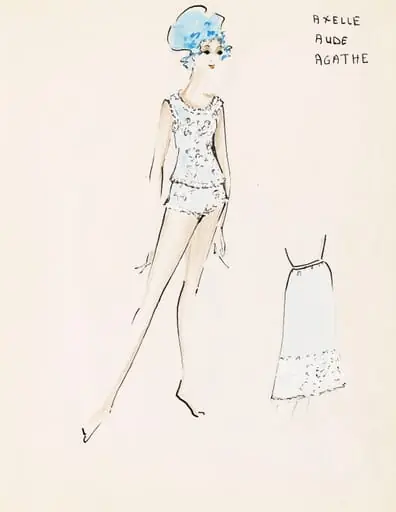
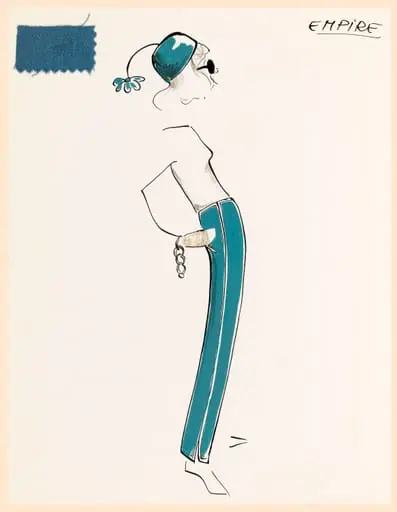
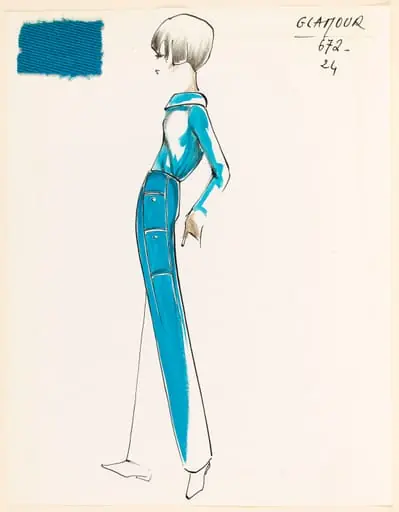
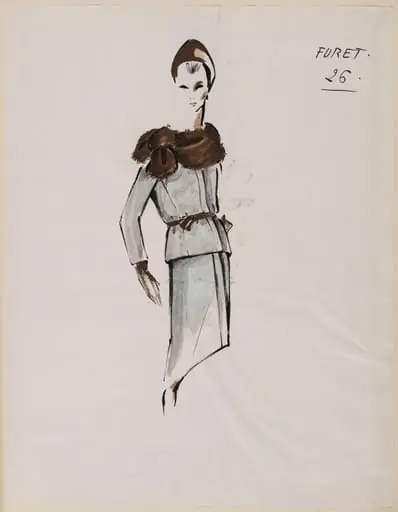
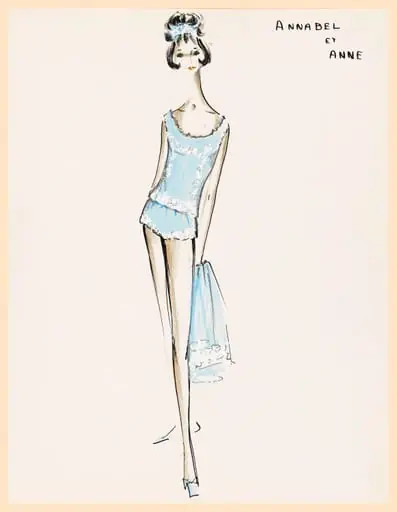
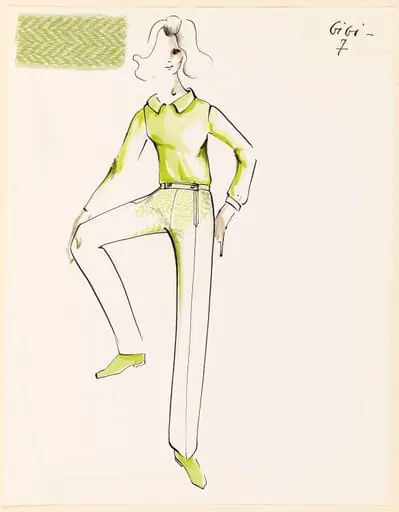
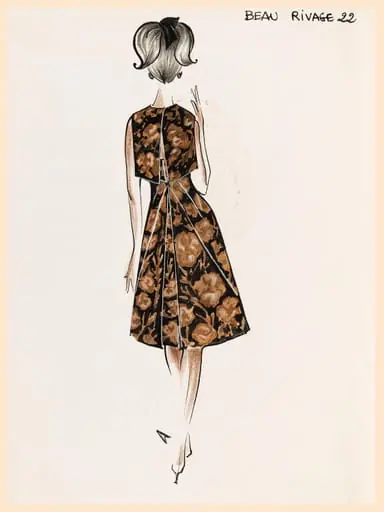
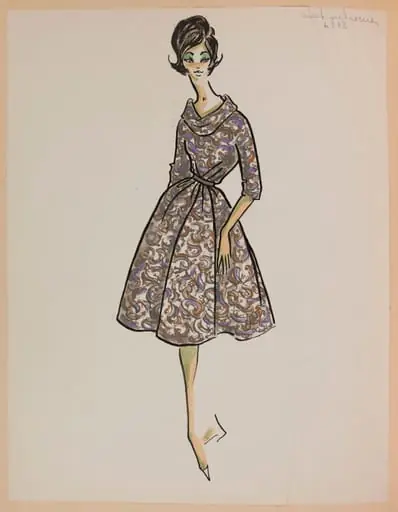
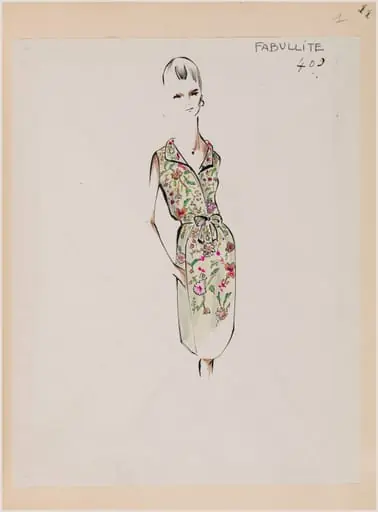
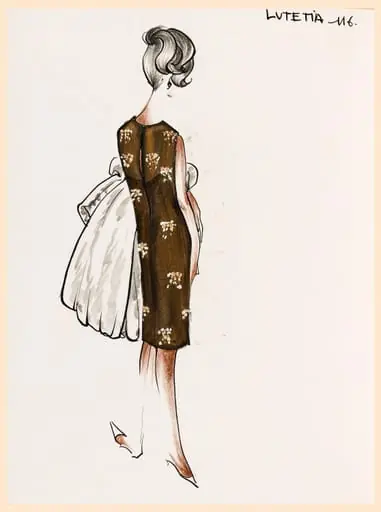
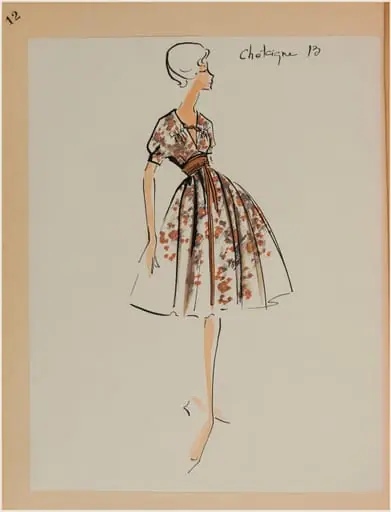
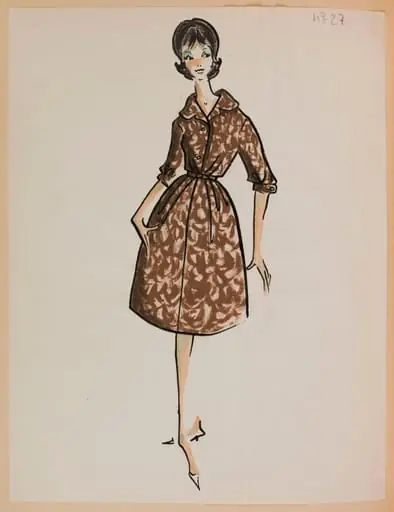
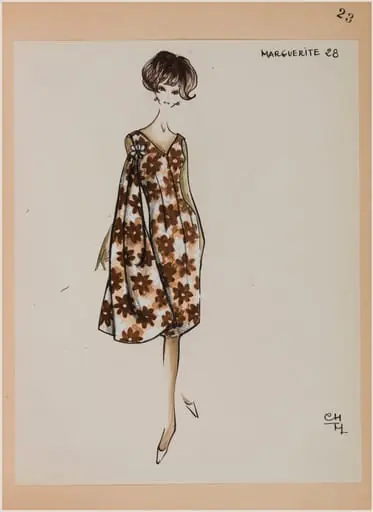
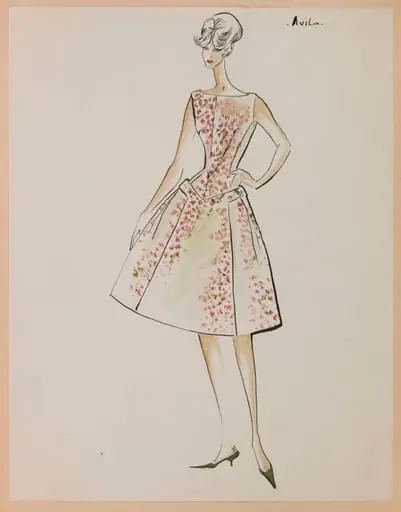
Trappeur is a drawing by Carven. It dates from 1962 and is held in the collection of the Palais Galliera - Musée de la Mode de la Ville de Paris.
About this work
Overview
Trappeur is a pencil sketch dated around 1962 by the French designer Carven. It resides in the collection of the Museum of Ethnography. The work captures a single figure in a restrained, expressive line style, emphasizing posture and textile detail over realism. Though labeled as an image, it functions as a fashion study, reflecting the designer’s interest in everyday dress and movement.
Subject & Meaning
The subject is a woman dressed in a modest, knee-length floral dress with short sleeves and a tie neckline. Her stance—one hand on her hip—suggests casual poise rather than formal pose. The figure lacks identifying features, making her a representative type rather than a specific individual. The attire evokes mid-century domestic or rural wear, hinting at themes of quiet dignity in ordinary life.
Technique & Style
Rendered in minimal pencil lines, the drawing prioritizes suggestion over detail. The floral pattern on the dress is loosely sketched, appearing hand-drawn and spontaneous, as if noted from life. The contours of the body and fabric are defined with economy, yet convey volume and motion. The style aligns with fashion illustration traditions that value immediacy and expressive gesture.
History & Provenance
The sketch entered the Museum of Ethnography’s collection as part of Carven’s archival materials, likely donated following the designer’s active years. Its date places it within a period when Carven was refining her ready-to-wear aesthetic. Though not a finished garment, it reflects the studio’s process of observing and translating real-life dress into design.
Context
Created in early 1960s France, the sketch reflects a cultural moment when fashion designers increasingly drew inspiration from non-elite, everyday attire. Carven, known for blending simplicity with elegance, used such studies to ground her collections in authentic lived experience. This drawing aligns with broader postwar interests in vernacular dress and the dignity of the ordinary.
Legacy
Trappeur remains a quiet testament to Carven’s observational approach to design. It is not widely reproduced, but within academic circles, it is cited as an example of how fashion archives preserve the transition from sketch to garment. Its preservation in an ethnographic museum underscores its value as a cultural artifact beyond fashion alone.
Artist & collection
Artist
These delicate ink-on-paper drawings capture the quiet poetry of everyday things: pinecones, reeds, apples.
Museum
Palais Galliera - Musée de la Mode de la Ville de Paris
Continue through works from the same source collection.