Artwork
Van Dyck
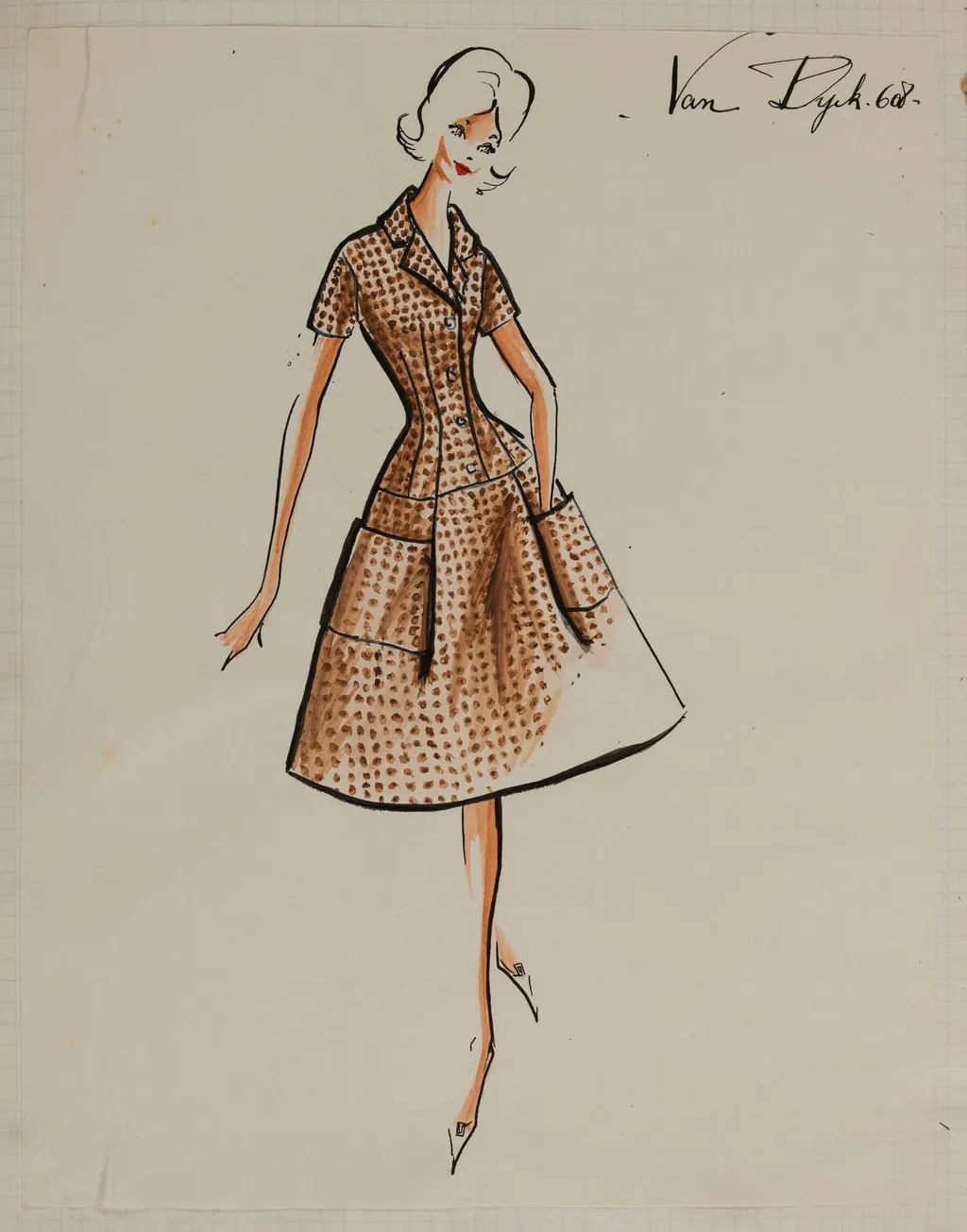
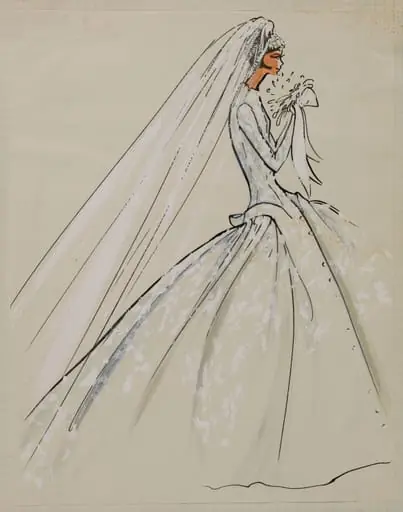
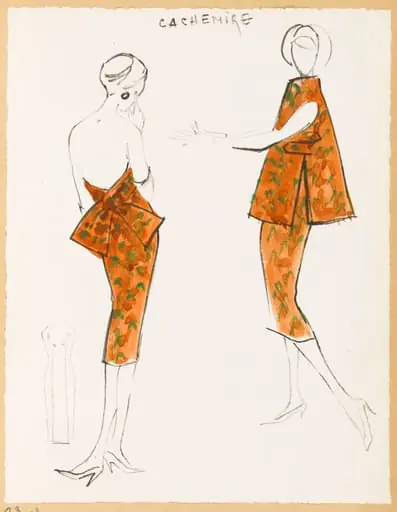
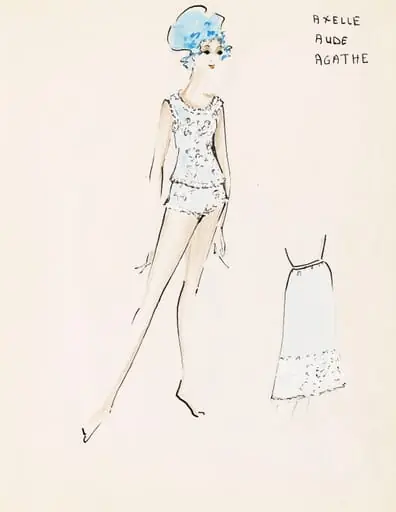
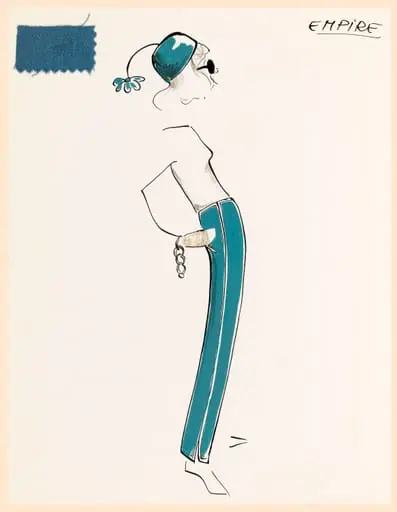
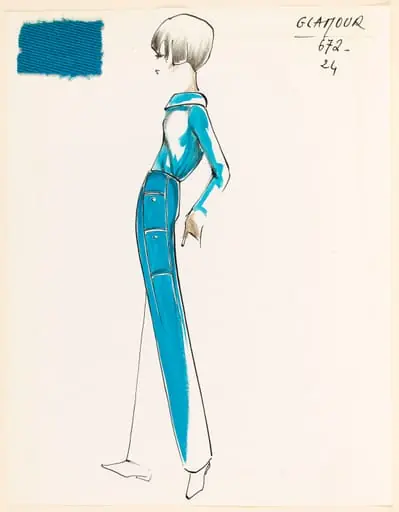
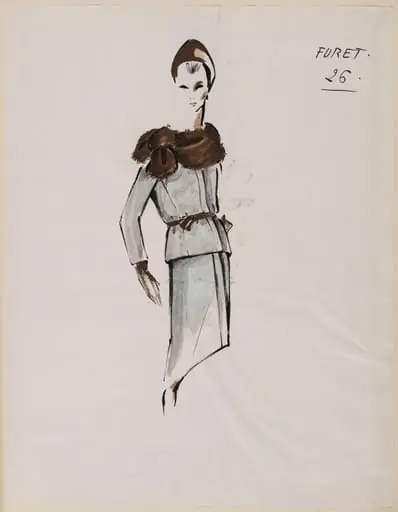
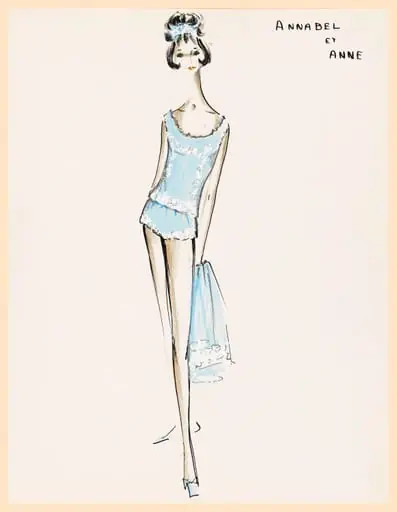
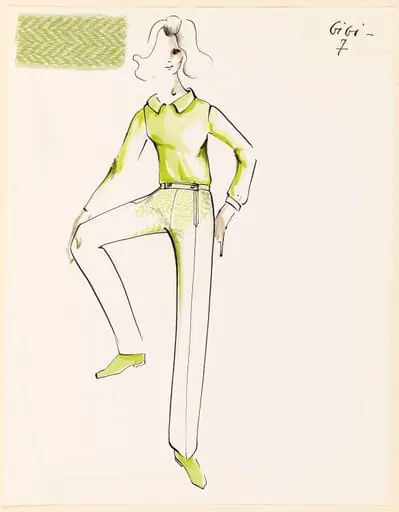
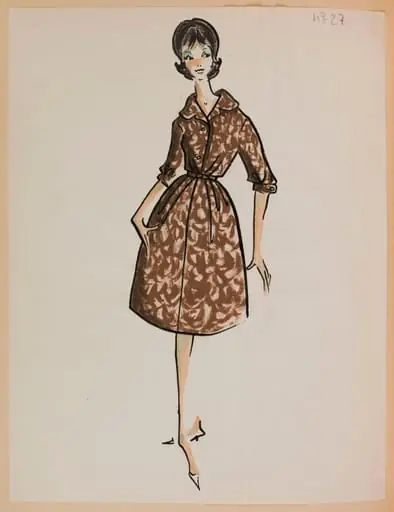
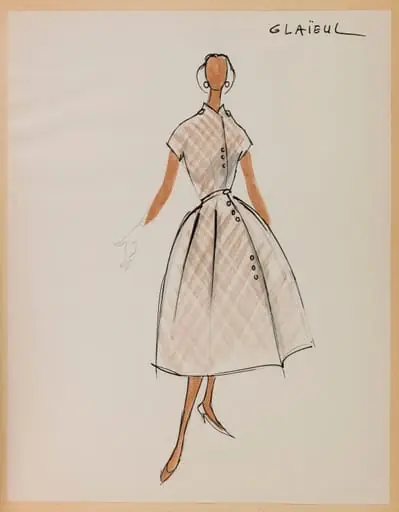
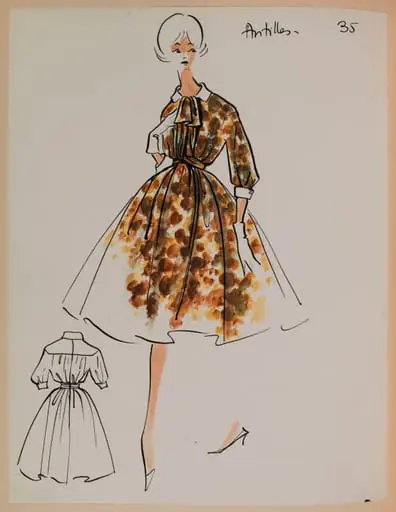
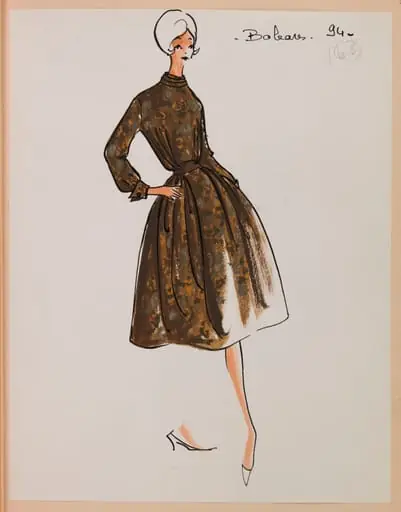
Van Dyck is a drawing by Carven. It dates from 1958 and is held in the collection of the Palais Galliera - Musée de la Mode de la Ville de Paris.
About this work
Overview
This drawing, attributed to Carven and dated around 1958, is held in the collection of the Museum of Ethnography. Executed in ink or pencil, it captures a seated woman in a modest, knee-length dress with short sleeves. The composition emphasizes quiet stillness, rendered through minimal yet deliberate linework that suggests form without heavy detail.
Subject & Meaning
The figure is depicted in a neutral, everyday posture, one hand resting at her side, hair neatly gathered. There is no overt narrative or symbolic element; the focus lies in the ordinary presence of the subject. The simplicity of attire and gesture suggests a study of common life, possibly reflecting postwar domesticity or ethnographic documentation of personal dress.
Technique & Style
The drawing employs loose, rapid strokes to indicate fabric folds and texture, with the dotted pattern on the dress applied through light, scattered marks. This approach resembles stippling, where density of dots implies surface detail without outlining. The economy of line conveys movement and materiality, prioritizing immediacy over finish.
History & Provenance
Created circa 1958, the work entered the Museum of Ethnography’s collection as part of a broader effort to document contemporary dress and personal aesthetics. Its origin as a sketch implies it may have been a preparatory study or personal observation, though no record of its commission or original context survives.
Context
In the late 1950s, ethnographic institutions increasingly collected everyday visual records to complement material artifacts. This drawing aligns with that shift, capturing personal style through informal means. Its unadorned subject and sketch-like quality reflect a growing interest in vernacular life over idealized portraiture.
Legacy
The work remains a quiet example of mid-century observational drawing within an ethnographic framework. While not widely exhibited, it contributes to a body of material that records how individuals presented themselves in private moments. Its technique continues to serve as a reference for studies in line, texture, and informal portraiture.
Artist & collection
Artist
These delicate ink-on-paper drawings capture the quiet poetry of everyday things: pinecones, reeds, apples.
Museum
Palais Galliera - Musée de la Mode de la Ville de Paris
Continue through works from the same source collection.