Artwork
Eisschollen
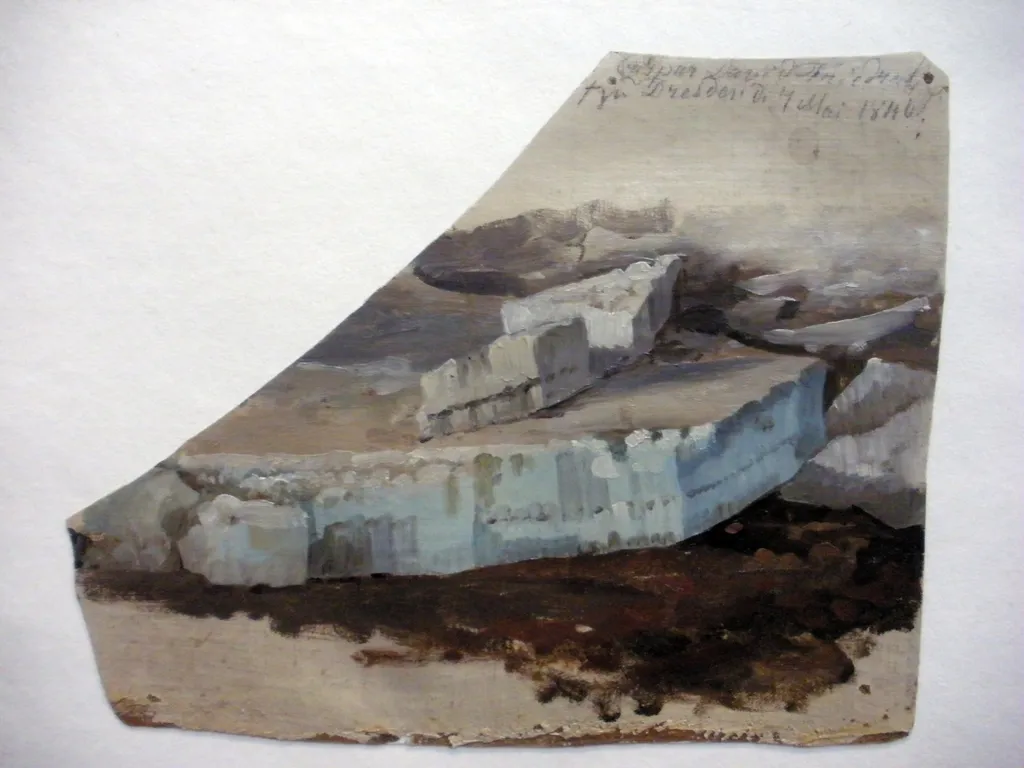
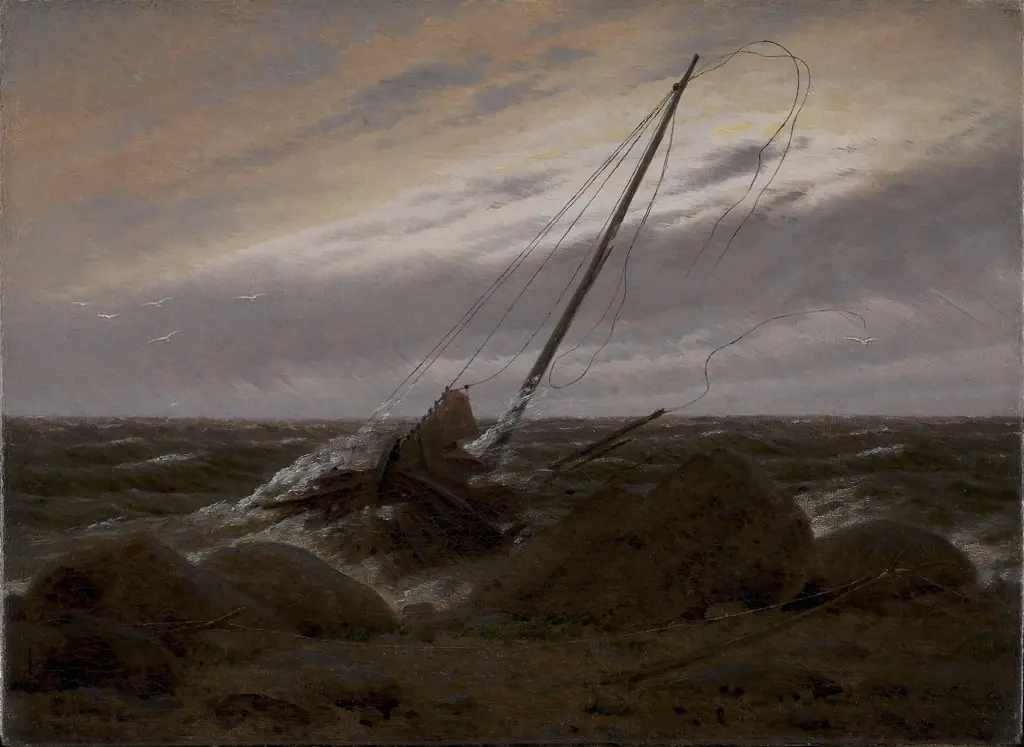
Eisschollen is an unspecified painting by the German Romanticist artist Caspar David Friedrich. It dates from 1821 and is held in the collection of the Hamburger Kunsthalle.
About this work
Overview
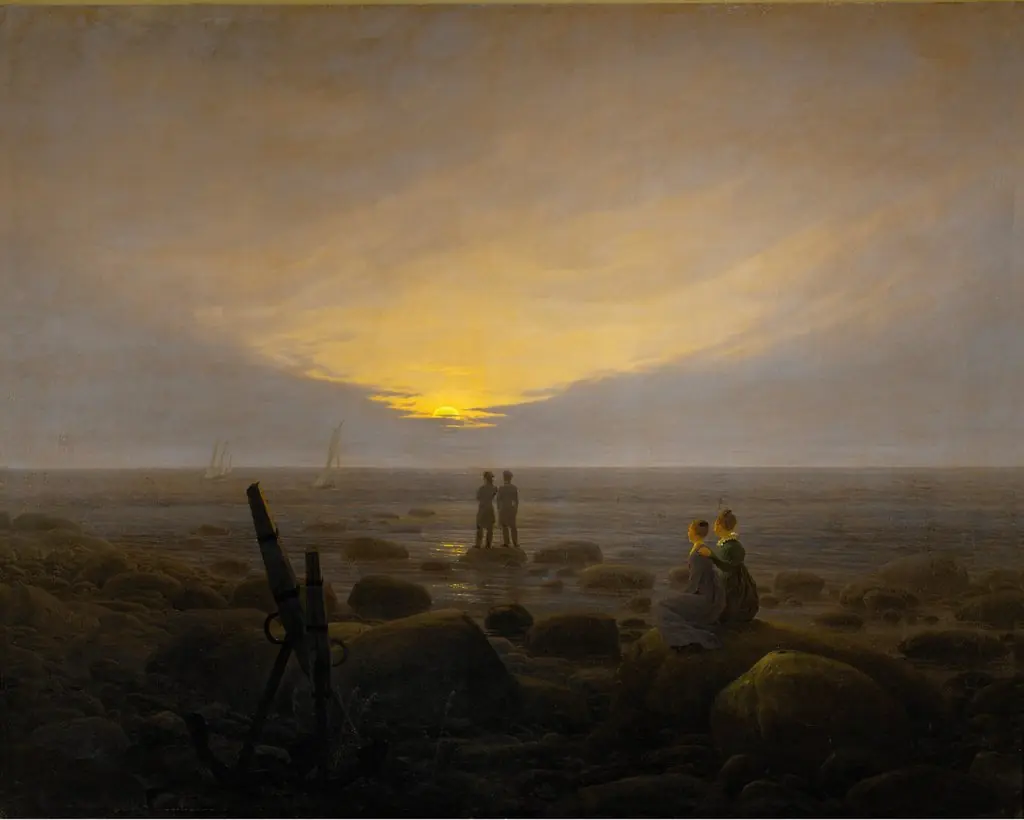
Caspar David Friedrich's *Eisschollen*, painted in 1821, is a characteristic example of German Romantic landscape painting, emphasizing emotional depth and the sublime in nature.
Subject & Meaning
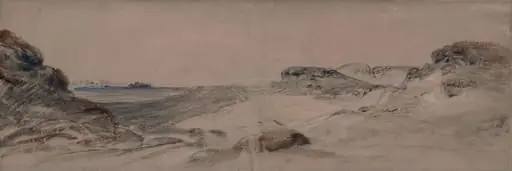
The painting features a prominent, ancient stone structure (possibly a monument or ruin) set against rolling hills and a body of water, evoking contemplation and the intersection of human legacy with the vastness of nature.
Technique & Style
Friedrich employs muted earth tones (browns, grays) and masterful chiaroscuro to create profound depth and atmosphere, guiding the viewer's focus toward the central, textured monument.
History & Provenance
*Eisschollen* is part of the collection at the Hamburger Kunsthalle, reflecting its significance within Friedrich's oeuvre and the broader German Romantic movement.
Context
This work aligns with the German Romantic emphasis on subjective experience and the awe-inspiring aspects of nature, often incorporating solitary elements (here, a structure) to evoke emotional resonance.
Legacy
While *Eisschollen* embodies Friedrich's signature style and themes, its impact is intertwined with the broader influence of his work on subsequent landscape and Romantic art movements.
Artist & collection

Artist
Caspar David Friedrich (German: ; 5 September 1774 – 7 May 1840) was a German Romantic landscape painter, generally considered the most important German artist of his generation, whose often symbolic, and anti-classical…