Artwork
Rocks and Sea - Isle of Wight
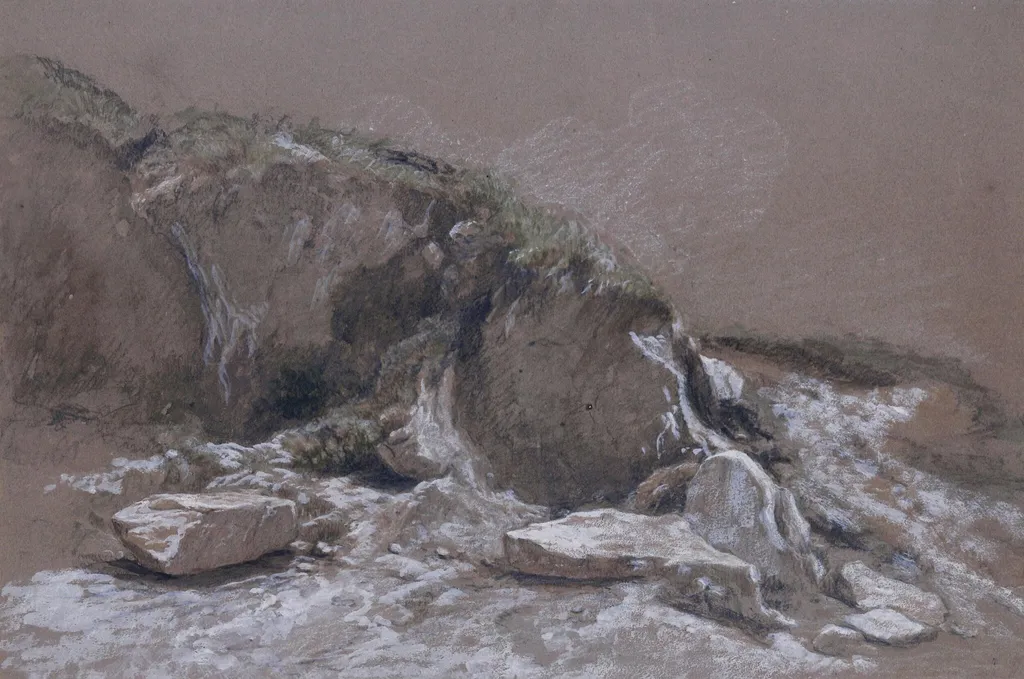
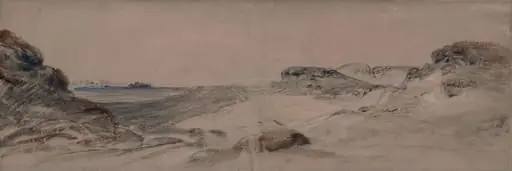
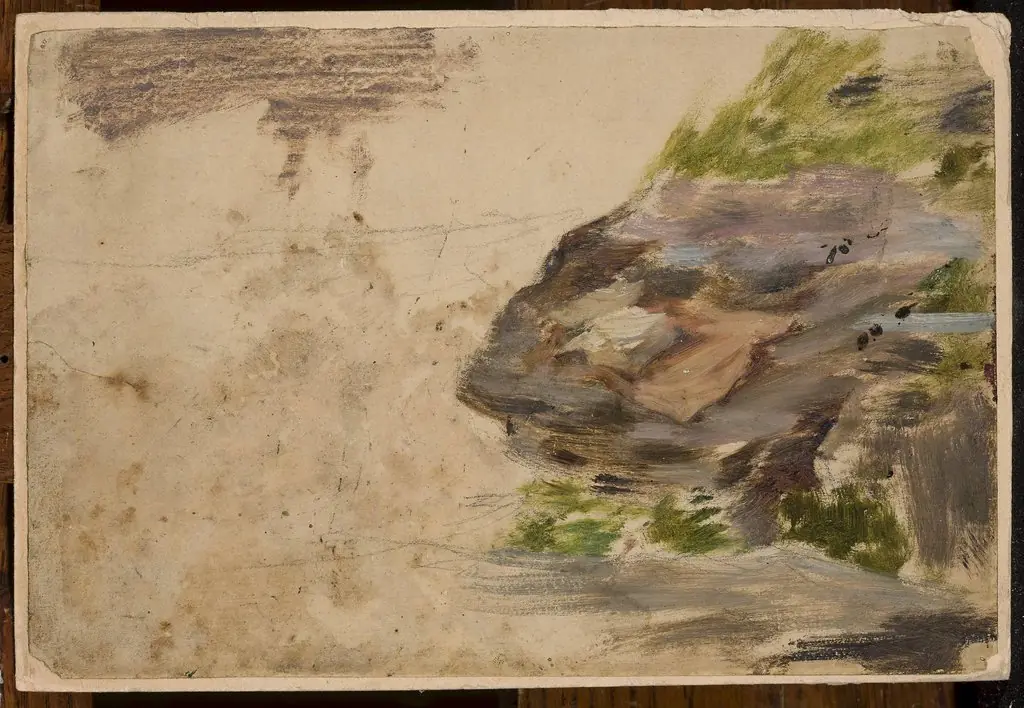
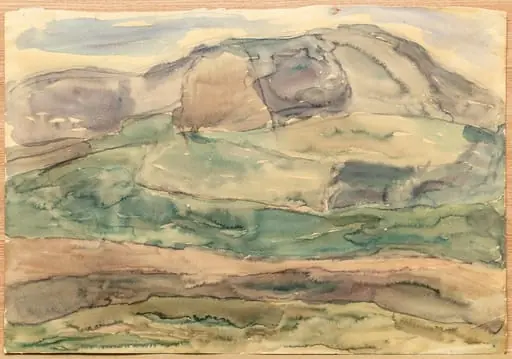
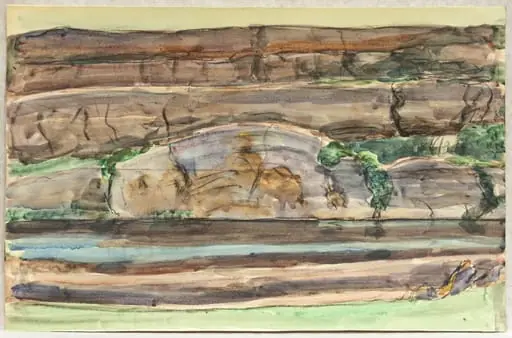
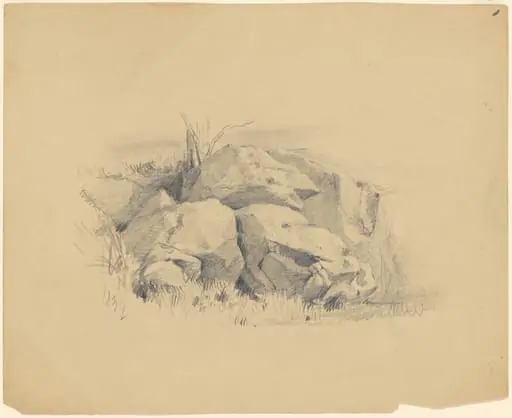
Rocks and Sea - Isle of Wight is a chalk drawing by Augustus Wall Callcott. It is held in the collection of the Victoria and Albert Museum.
About this work
Overview
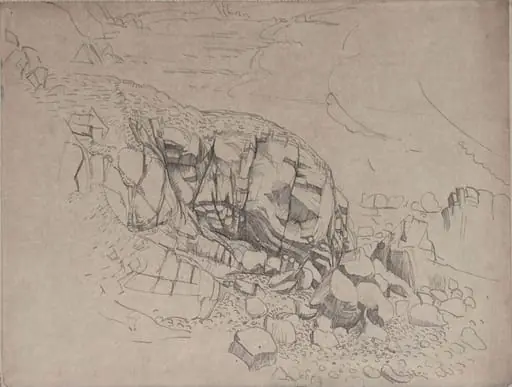
The composition centers on a jagged shoreline punctuated by cliffs and a modest cascade, with the ground strewn with uneven stones and specks of moss.
Augustus Wall Callcott’s 1850 chalk drawing, *Rocks and Sea – Isle of Wight*, depicts a rugged coastal scene. The composition centers on a jagged shoreline punctuated by cliffs and a modest cascade, with the ground strewn with uneven stones and specks of moss. The palette is restrained, dominated by muted browns and grays, while occasional white accents suggest the play of light on water and rock.
Subject & Meaning
The work captures the natural drama of the Isle of Wight’s shoreline, emphasizing the contrast between solid rock and the fleeting motion of water. By focusing on texture and the interplay of light and shadow, Callcott conveys the raw, untamed character of the coast, inviting viewers to contemplate the enduring strength of the landscape against the transient flow of the sea.
Technique & Style
Callcott employs rapid, sketch‑like strokes characteristic of chalk drawing, using cross‑hatching to build surface texture on the cliffs and stones. The line work is loose yet purposeful, suggesting movement in the water and the roughness of the rock faces. The limited tonal range of the medium reinforces the muted atmosphere, while white highlights create a sense of illumination.
History & Provenance
Created in 1850, the drawing reflects Callcott’s interest in British coastal scenery during the mid‑nineteenth century. It remains documented as part of his oeuvre of landscape studies, though specific details of its ownership history after its creation are not widely recorded. The piece continues to be referenced in surveys of Victorian-era topographical drawing.
Artist & collection


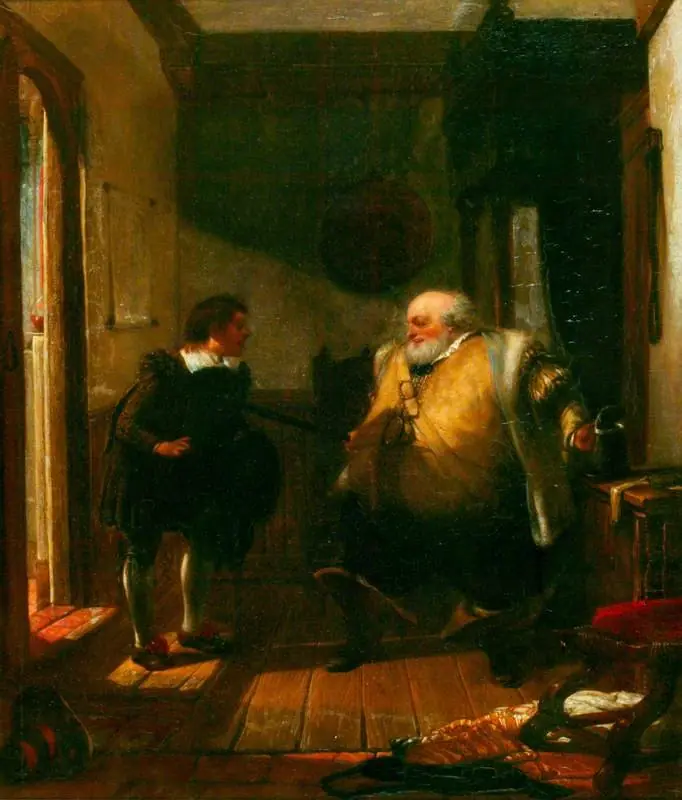 Falstaff and Simple (from 'The Merry Wives of Windsor' by William Shakespeare)
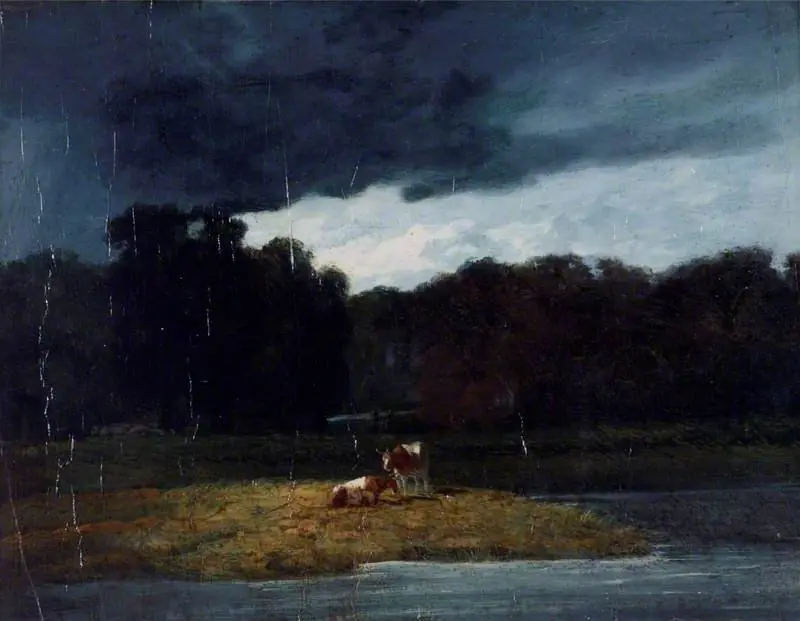 Landscape: A Wood and Cattle under a Stormy Sky
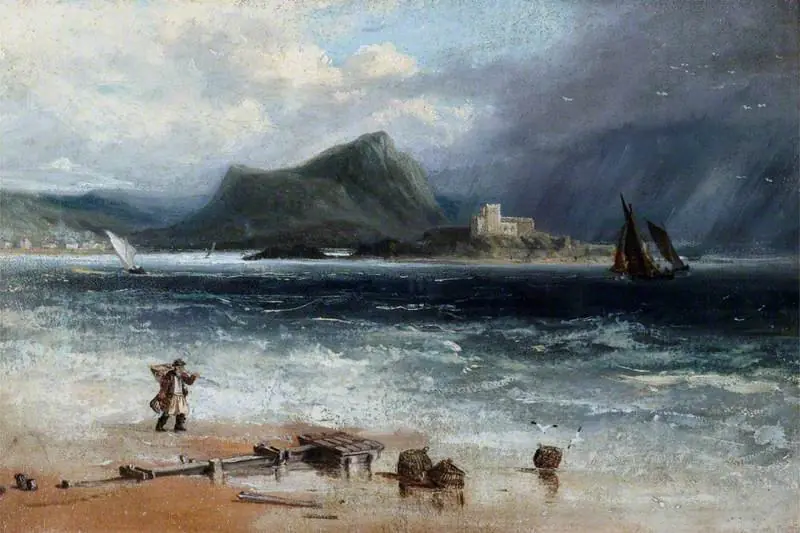 Coast Scene with a Shrimper
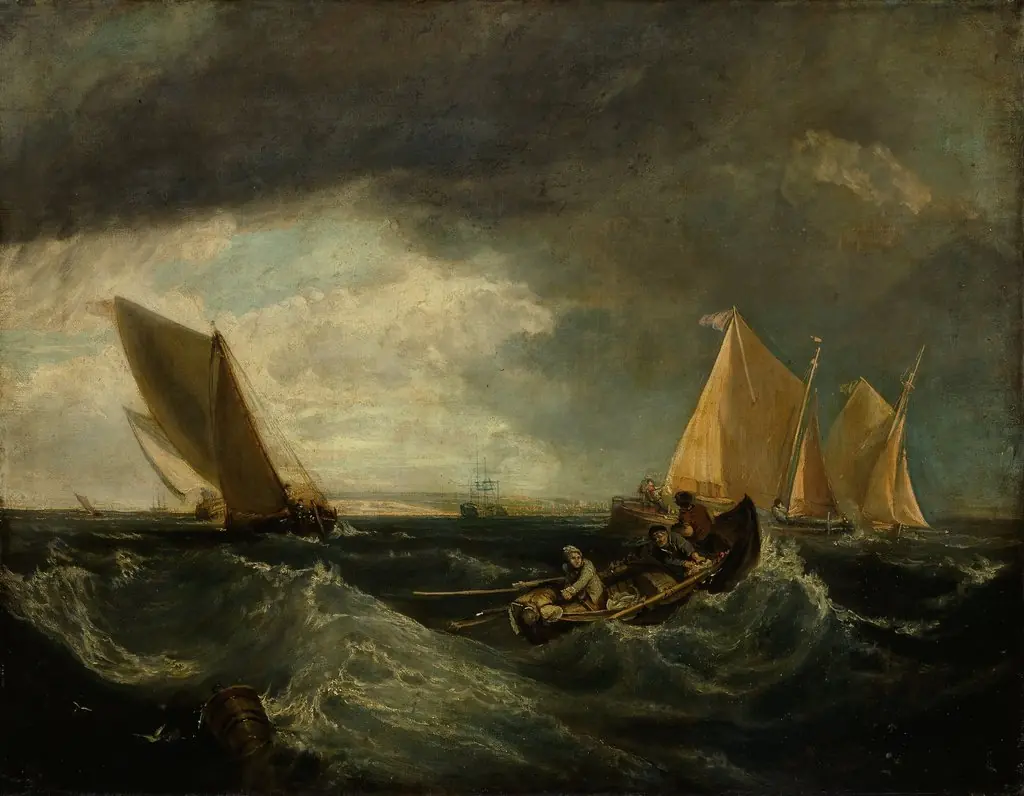 Sheerness and the Isle of Sheppey (after J.M.W. Turner)
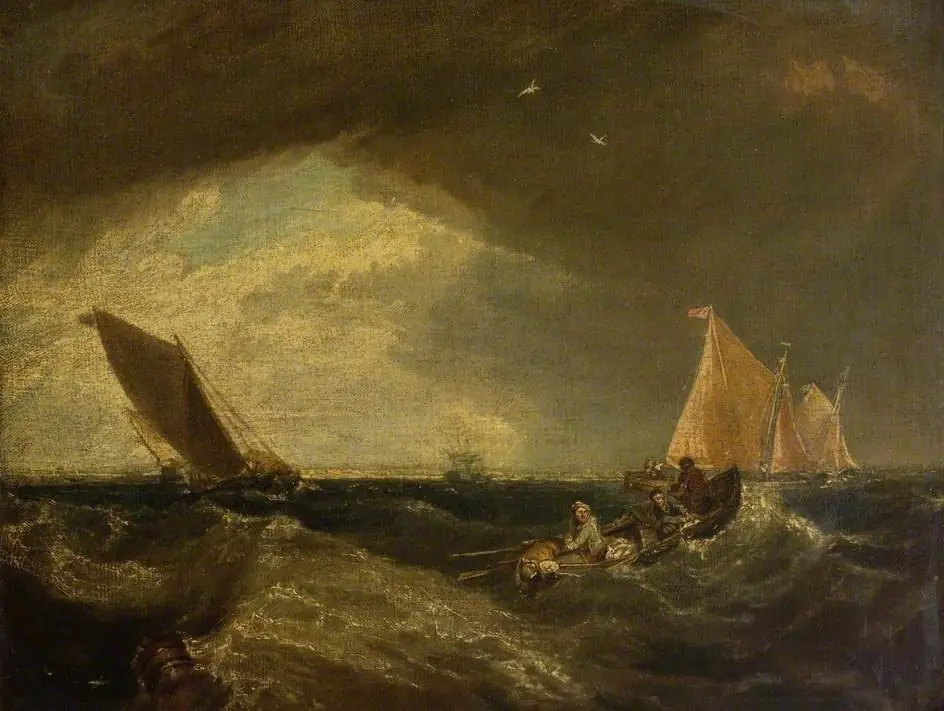 The Junction of the Thames and the Medway
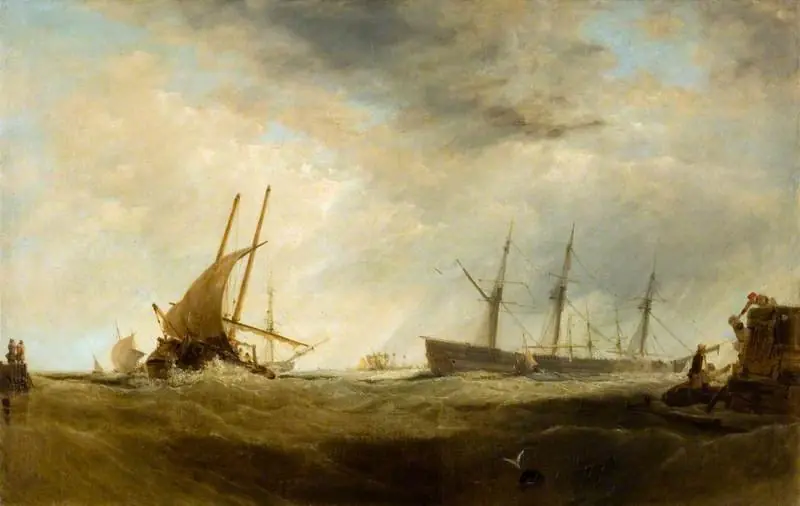 A Brisk Gale: A Dutch East-Indiaman Landing Passengers
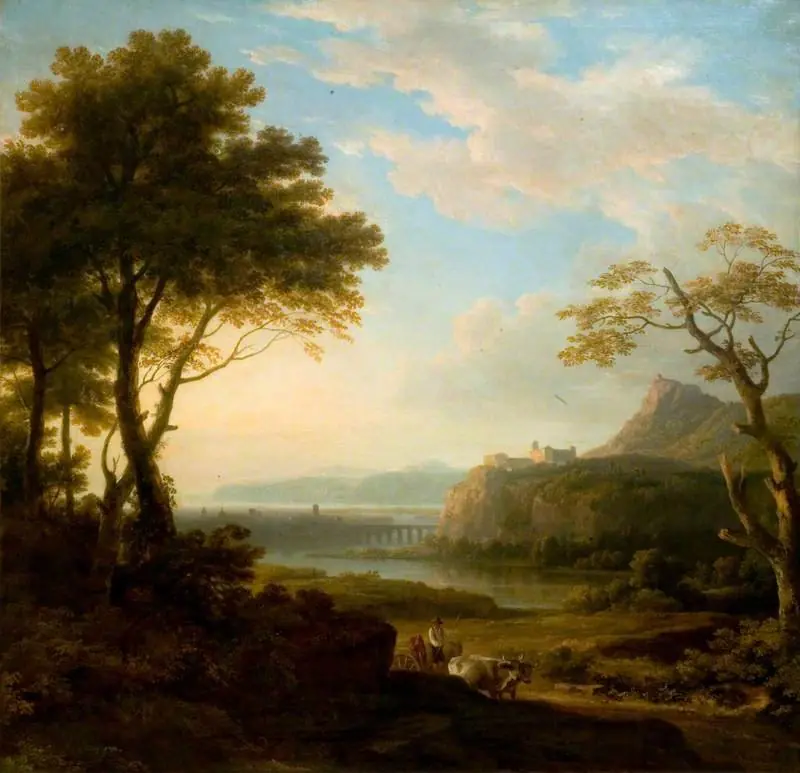 Classical Landscape
 Italian Landscape with Cows Watering