Artwork
Girl Standing before a Mirror
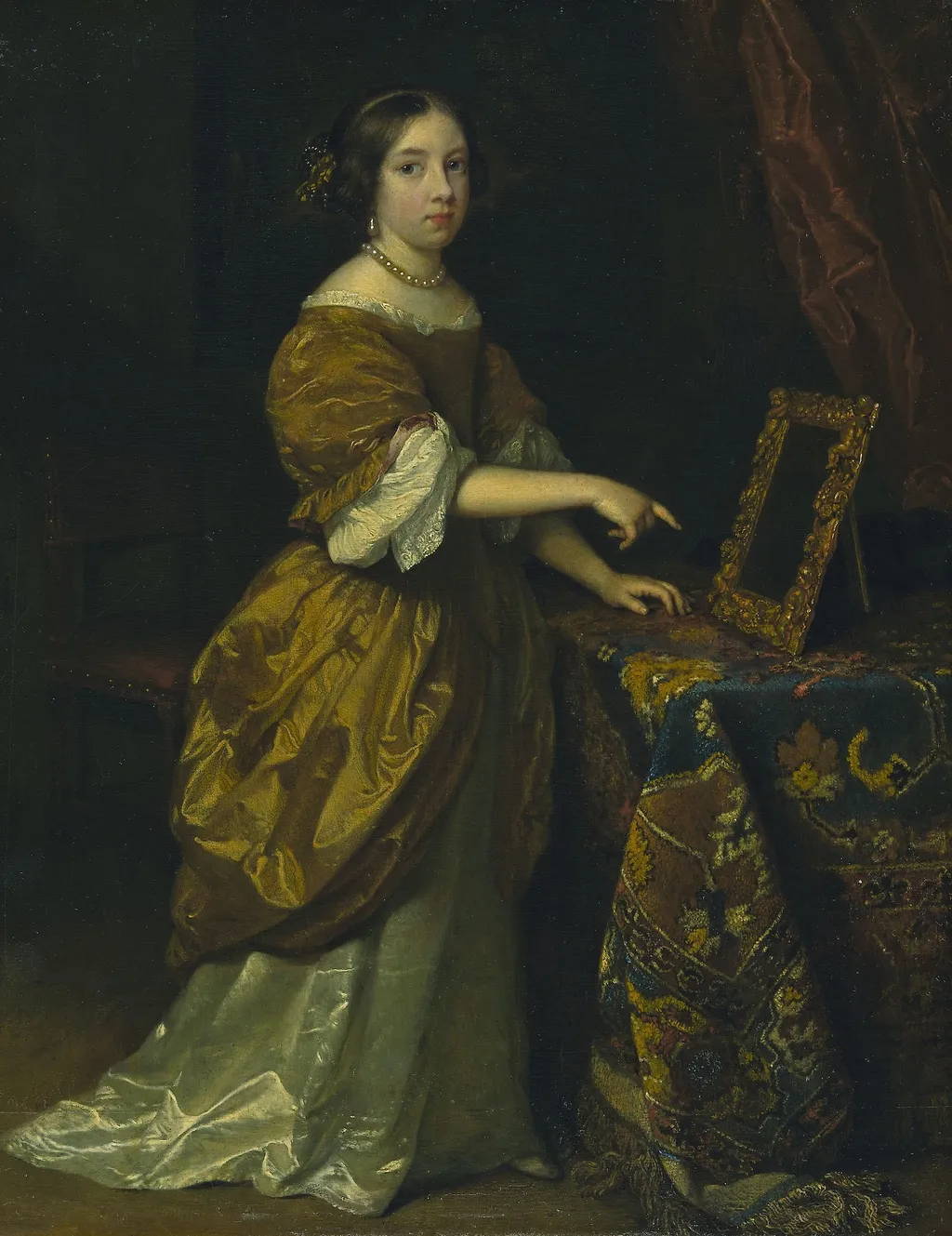
Girl Standing before a Mirror is an unspecified painting by the Dutch Golden Age artist Caspar Netscher. It dates from 1668 and is held in the collection of the Art Institute of Chicago.
About this work
Overview
Painted in 1668 by Caspar Netscher, this work depicts a young woman in quiet contemplation before a mirror. Executed in oil on canvas, it belongs to the Dutch Golden Age tradition of intimate domestic scenes. The painting is part of the permanent collection at the Art Institute of Chicago, where it is displayed as an example of refined genre painting from the period.
Subject & Meaning
The figure, dressed in luxurious attire, engages with a small handheld mirror, suggesting themes of self-reflection and personal adornment. Her posture is still, her gaze directed inward, evoking a moment of private awareness rather than performance. The mirror, held near a gilded chair, may symbolize vanity or the passage of time, common motifs in 17th-century Dutch art.
Technique & Style
Netscher employs subtle chiaroscuro to model the woman’s form, directing light across her face, hands, and the textured fabric of her dress. The dark background enhances the luminosity of her garments and the metallic sheen of the chair. Fine brushwork captures the intricate patterns of the tablecloth and the soft folds of silk, demonstrating mastery in rendering material detail.
History & Provenance
The painting was completed during Netscher’s mature period in The Hague, where he gained recognition for his elegant portrayals of aristocratic interiors. It entered the Art Institute of Chicago’s collection in the early 20th century, having passed through several private European collections since its creation. Its attribution has remained consistent throughout its documented history.
Context
In mid-17th-century Holland, genre scenes like this one reflected growing interest in private life and material culture among the urban elite. Artists such as Netscher catered to collectors who valued precision in textile depiction and psychological nuance. The mirror, a recurring symbol in Dutch painting, often carried moral or philosophical undertones tied to self-knowledge and transience.
Legacy
Netscher’s work influenced later portraitists in the Northern European tradition through his delicate handling of light and fabric. While not widely known today, his contributions to genre painting helped bridge the gap between portraiture and domestic narrative. This painting remains a quiet testament to the aesthetic values of Dutch civic culture in the late 1600s.
Own this work as a print
Artist & collection

Artist
Caspar Netscher was a Dutch painter. He was a master in depicting oriental rugs, silk and brocade and introduced an international style to the Northern Netherlands.

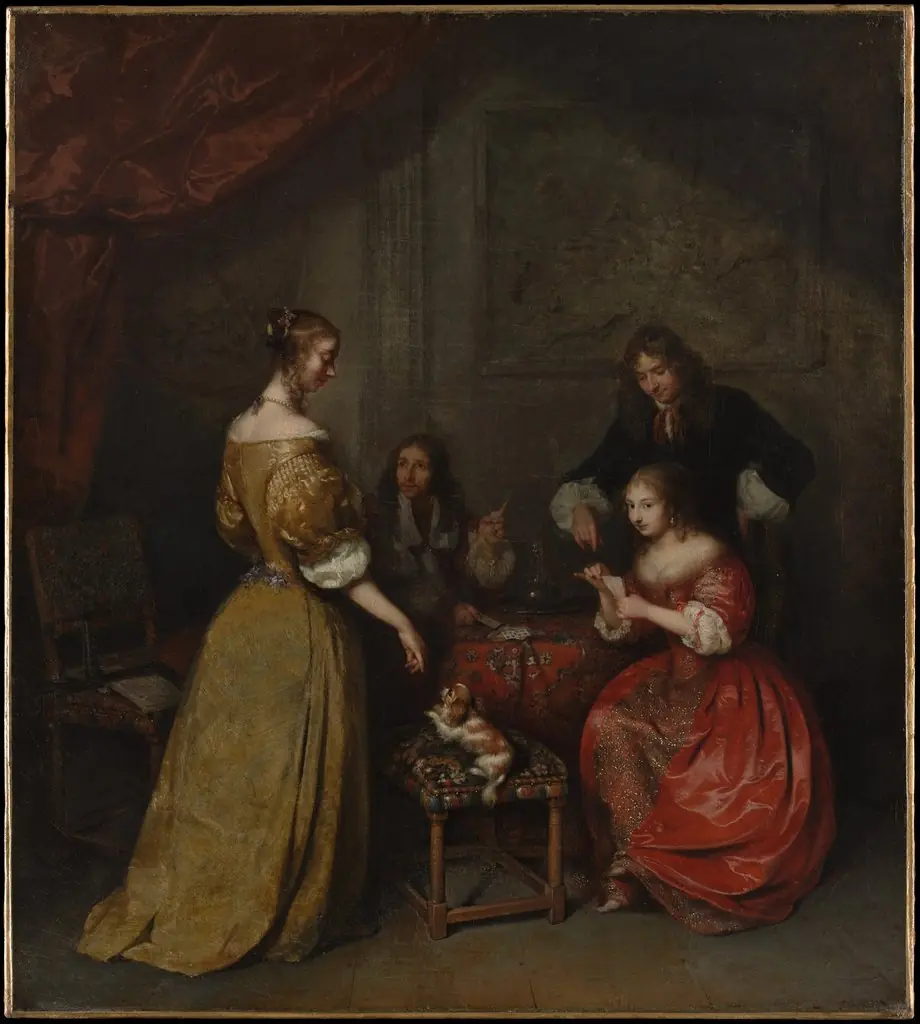 The Card Party
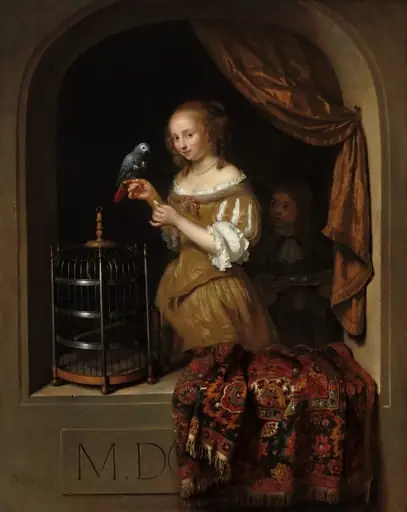 A Woman Feeding a Parrot, with a Page
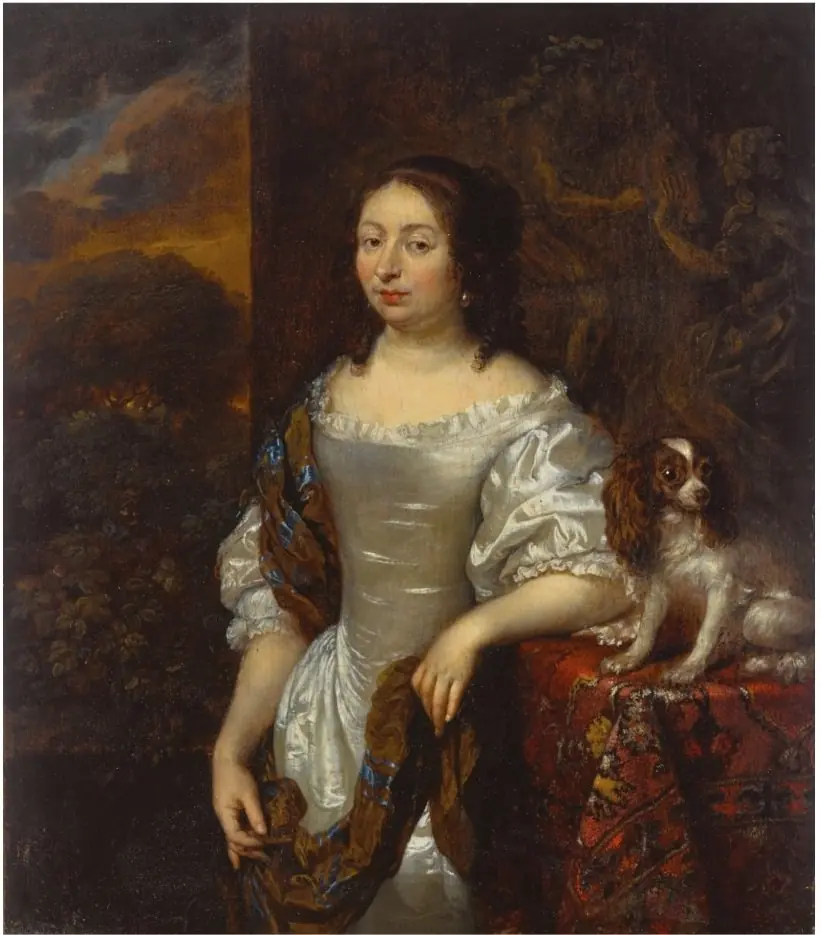 Portrait of a Lady with a Dog on a Table
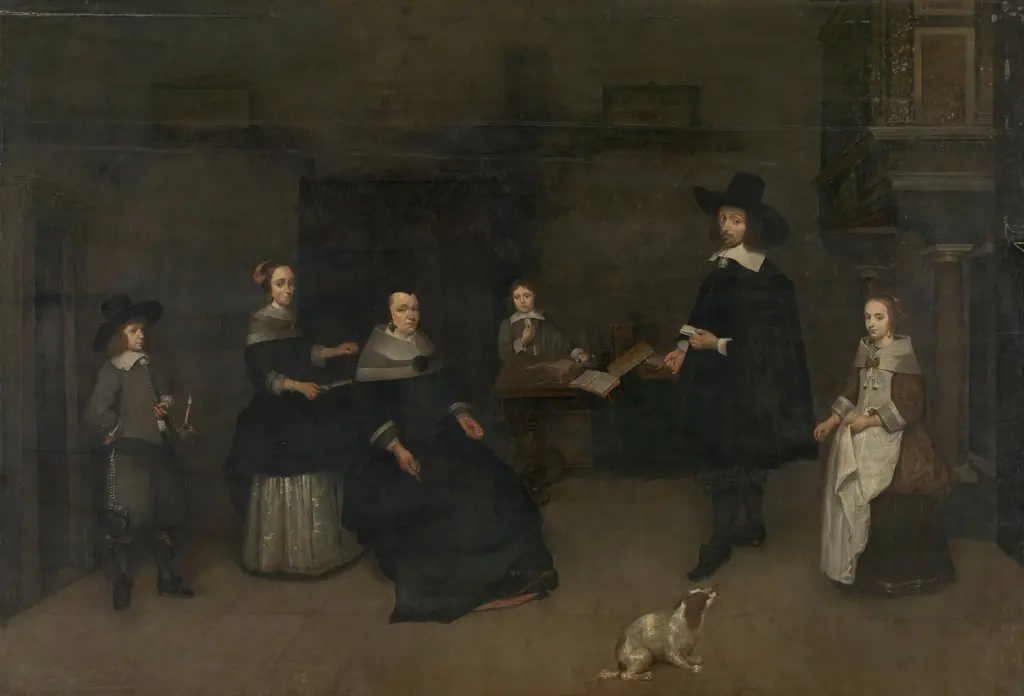 Family scene
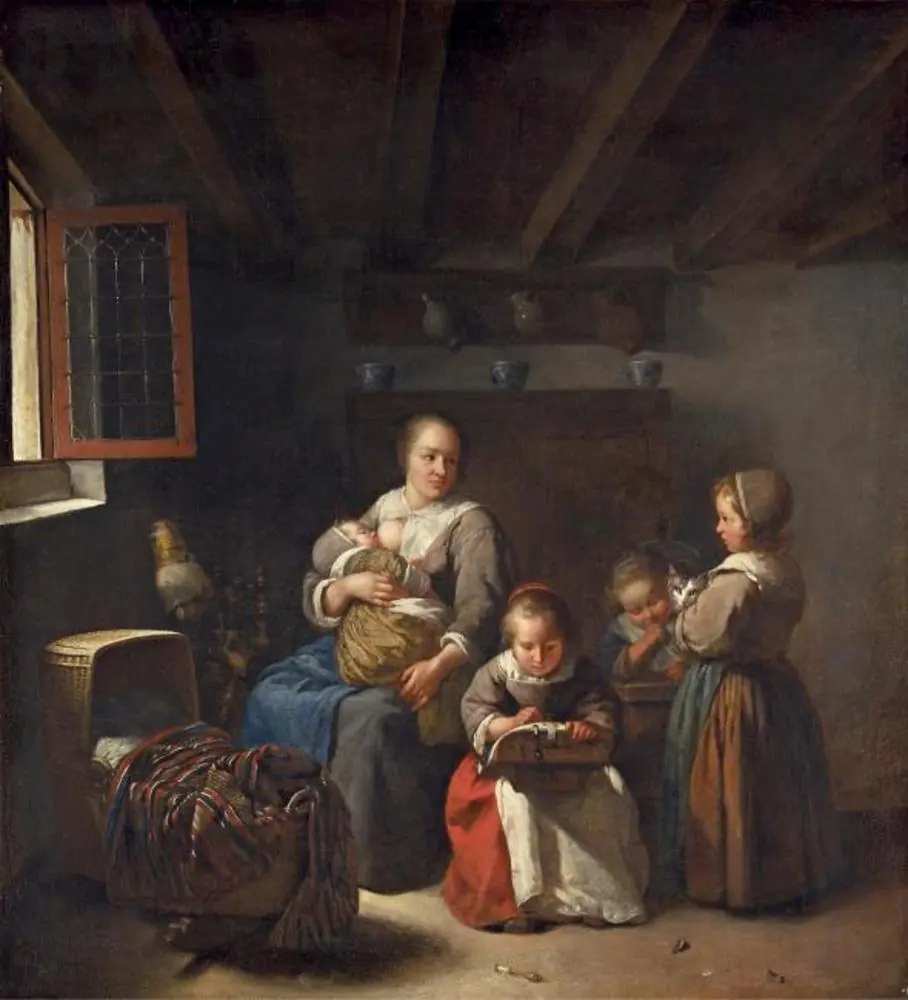 Nursing mother with three girls
 Portrait of Willem III (1650-1702), Prince of Orange and since 1689, King of England
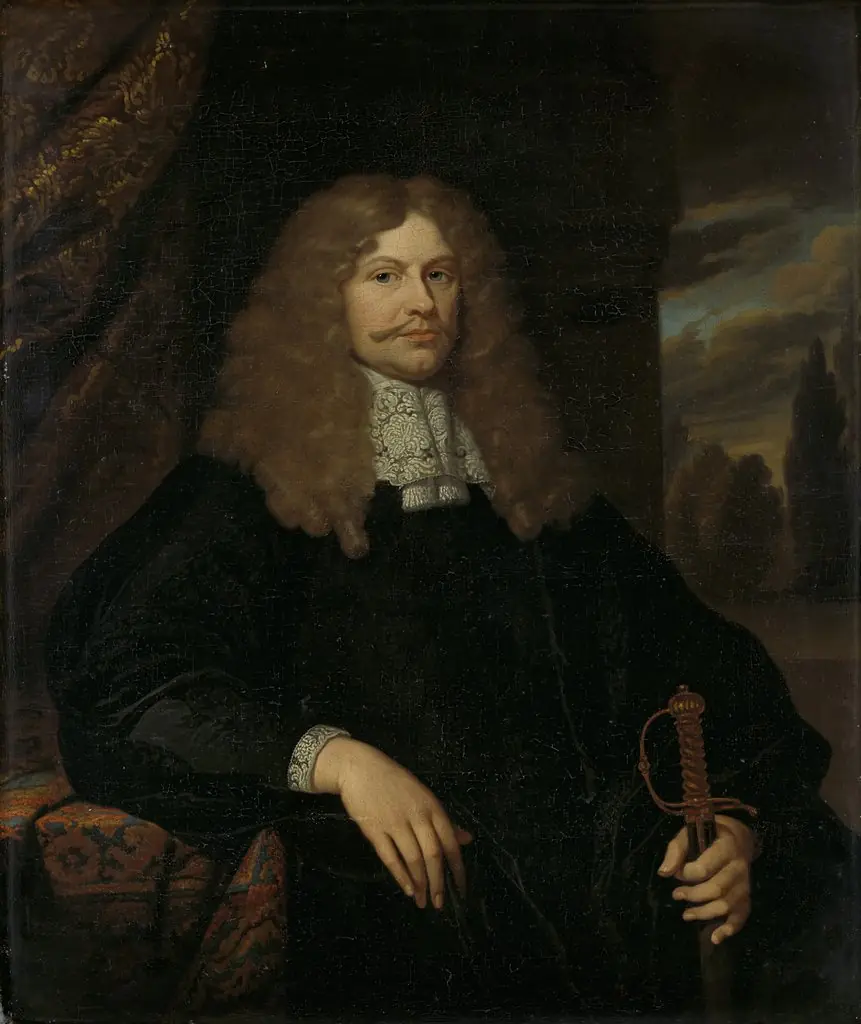 Portrait of Cornelis Backer (1633-81), councillor, alderman, and colonel of the Amsterdam militia
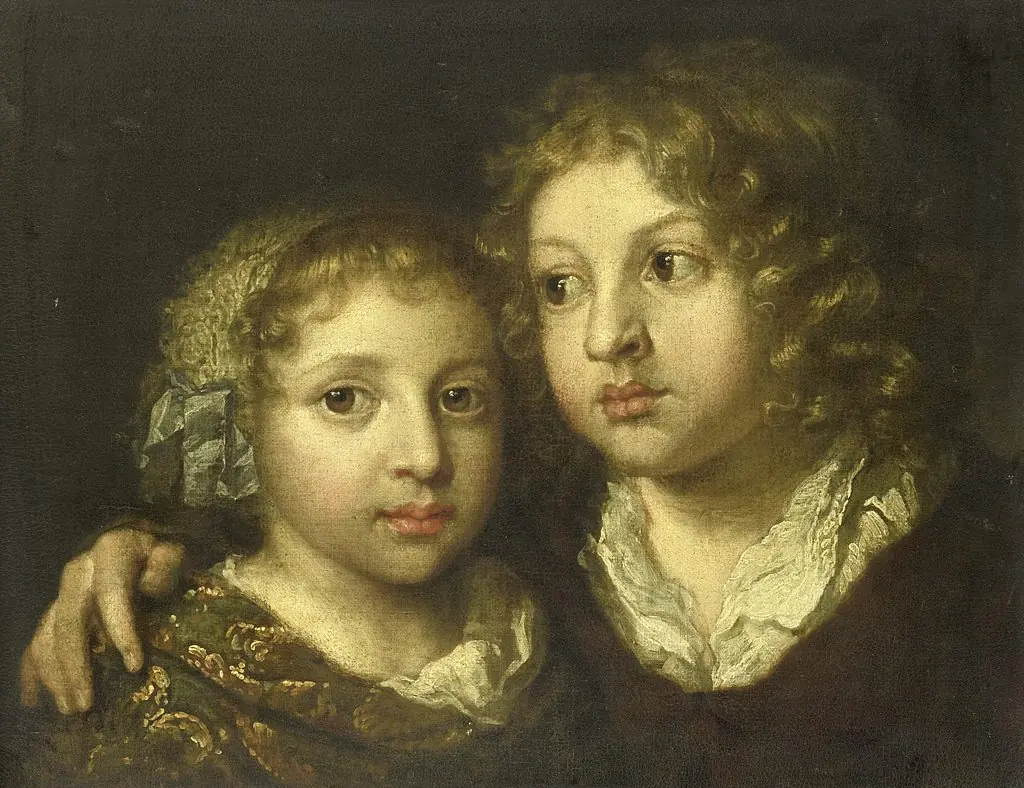 A daughter and a son (Constantijn?) of the artist
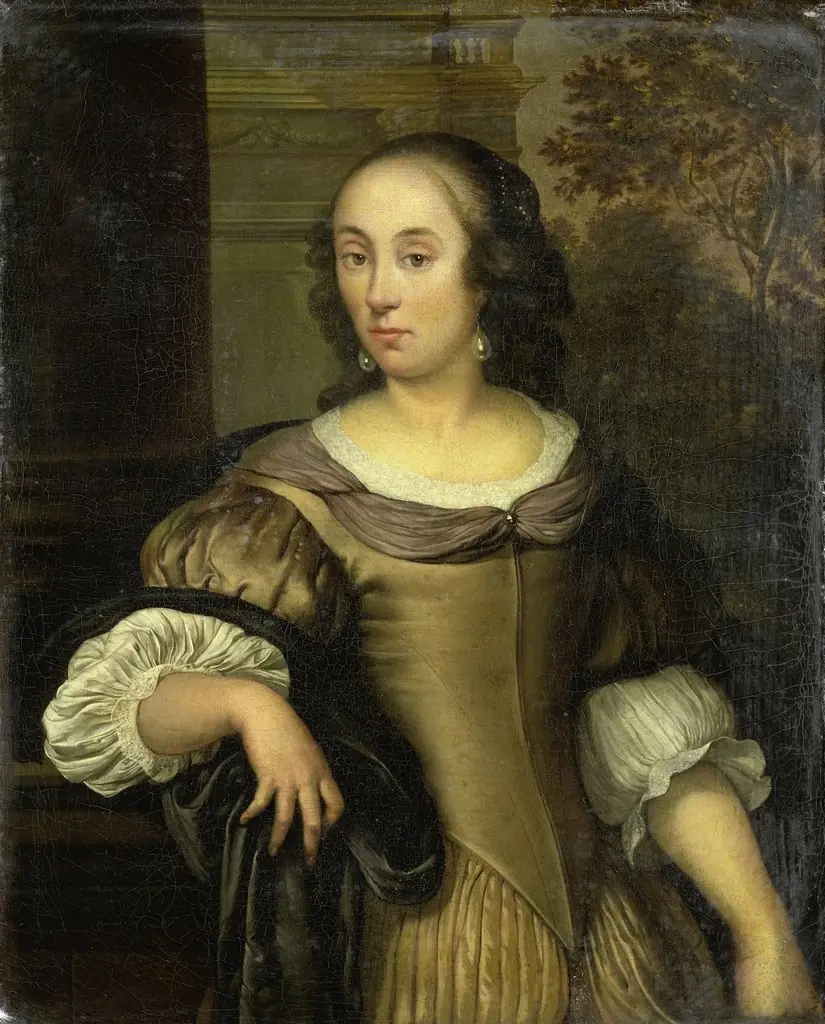 Portrait of a young woman
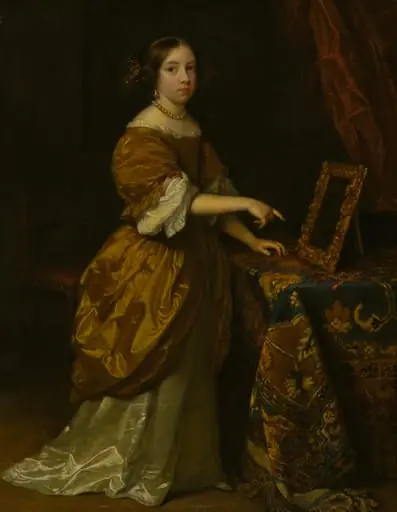 Girl Standing before a Mirror
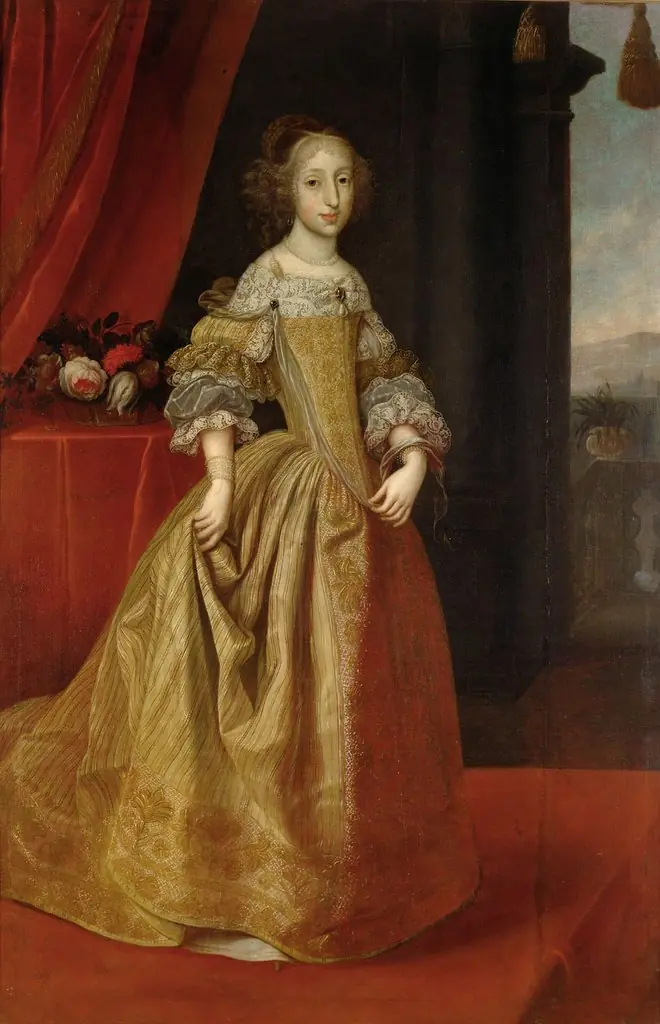 Portrait of Eleanor Maria Josepha of Austria.
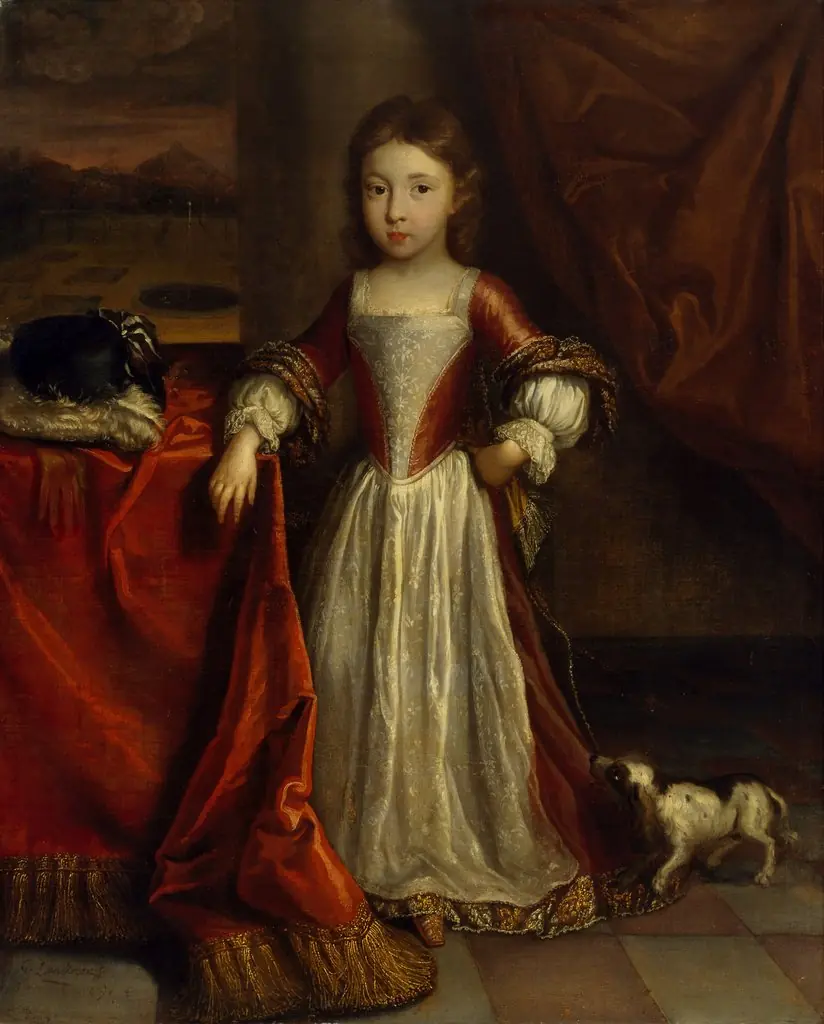 Portrait of a Young Boy
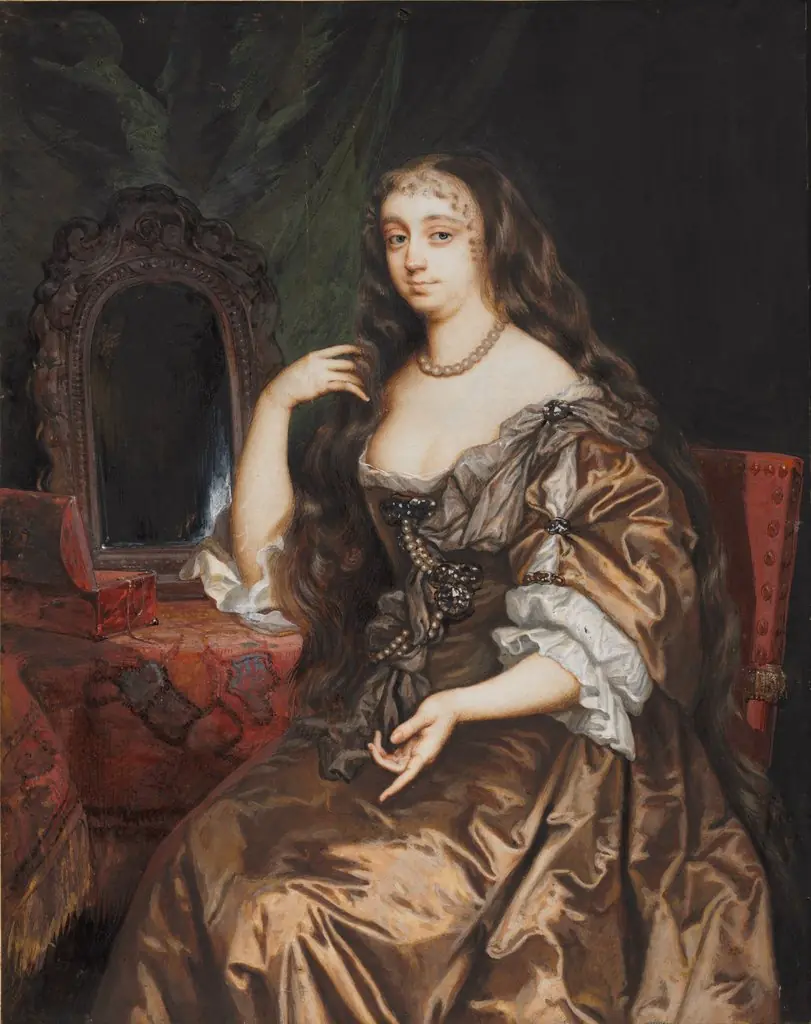 Portrait of Anne Hyde, Duchess of York
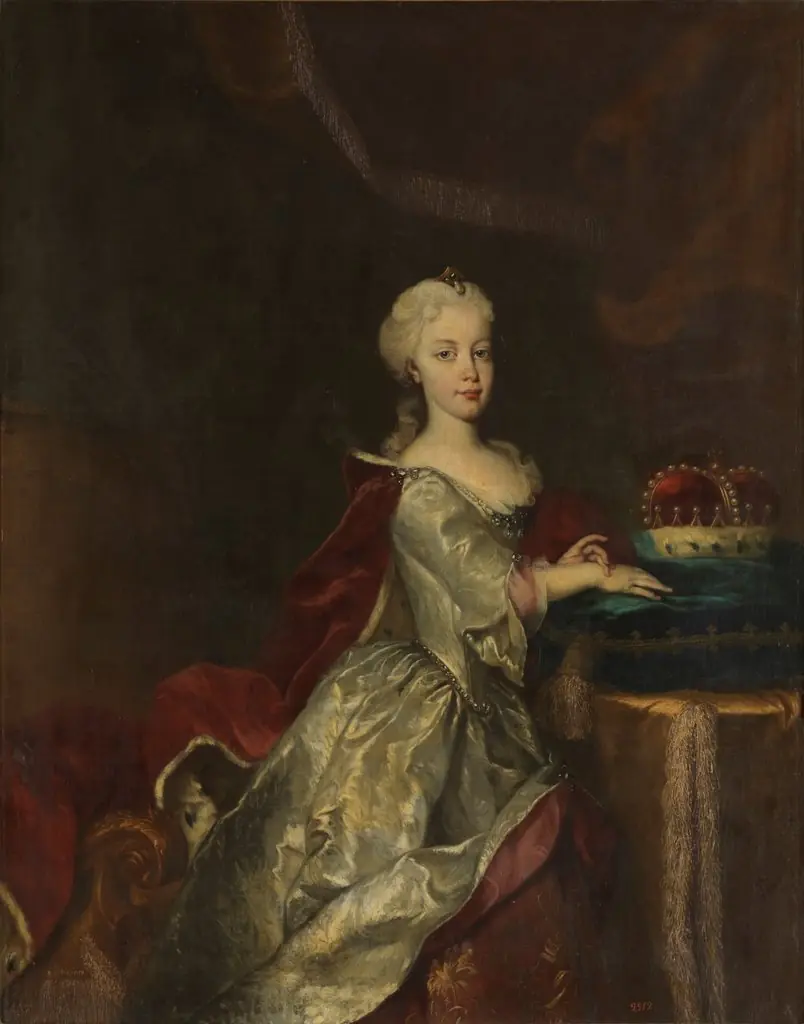 María Teresa archiduquesa de Austria
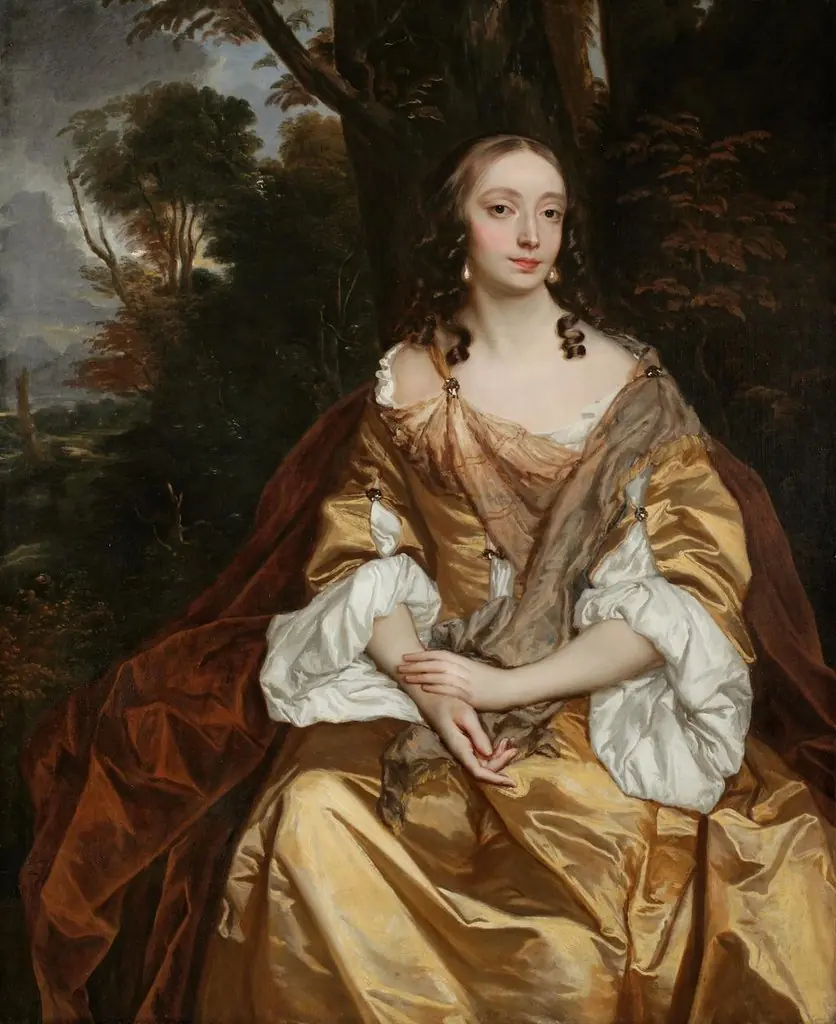 Portrait of a Lady; probably Mary Parsons, later Mrs Draper
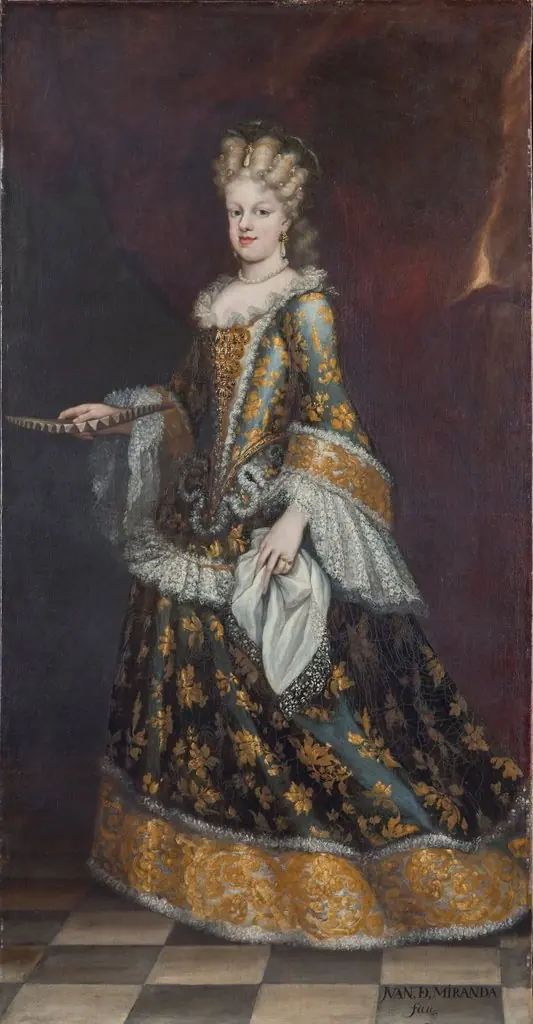 María Luisa Gabriela de Saboya primera esposa de Felipe V
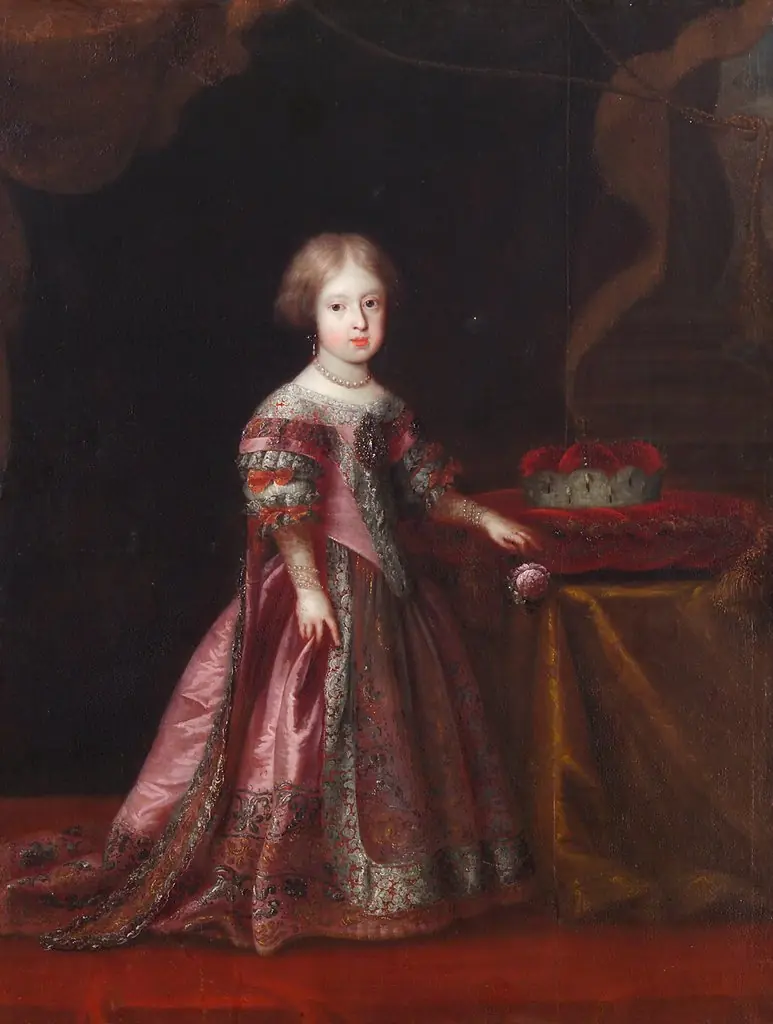 Erzherzogin Maria Elisabeth (1680-1741) im Alter von ca. vier Jahren
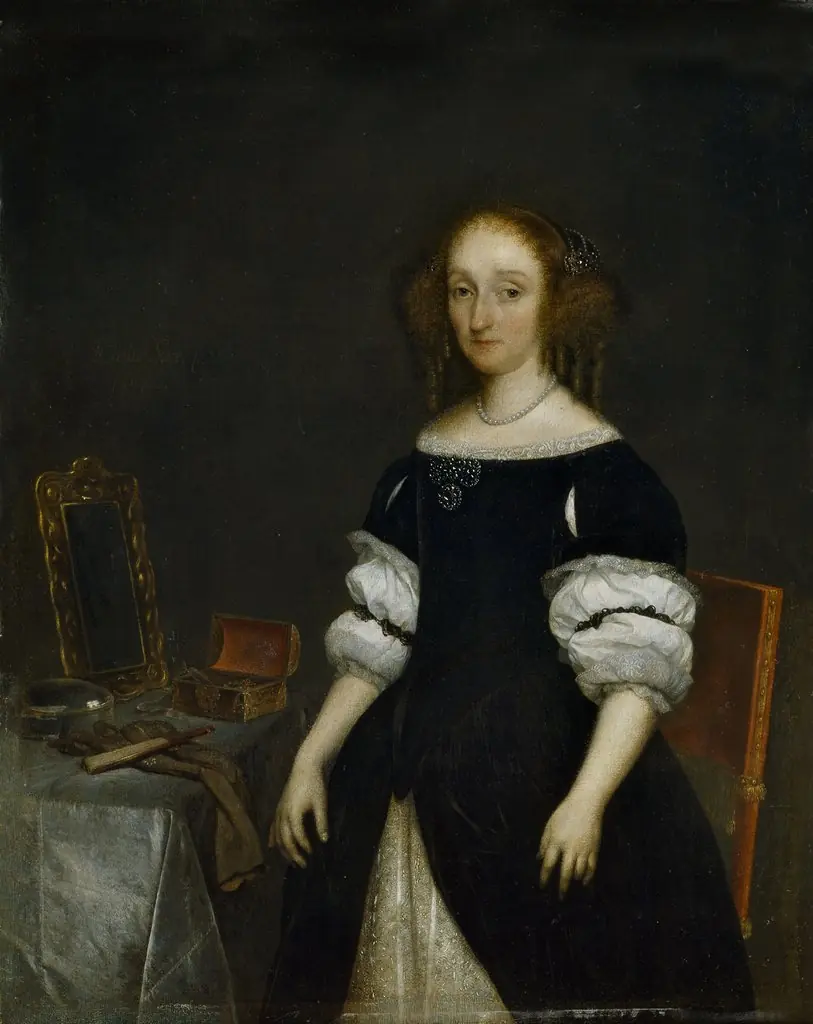 Portrait of Petronella de Waert
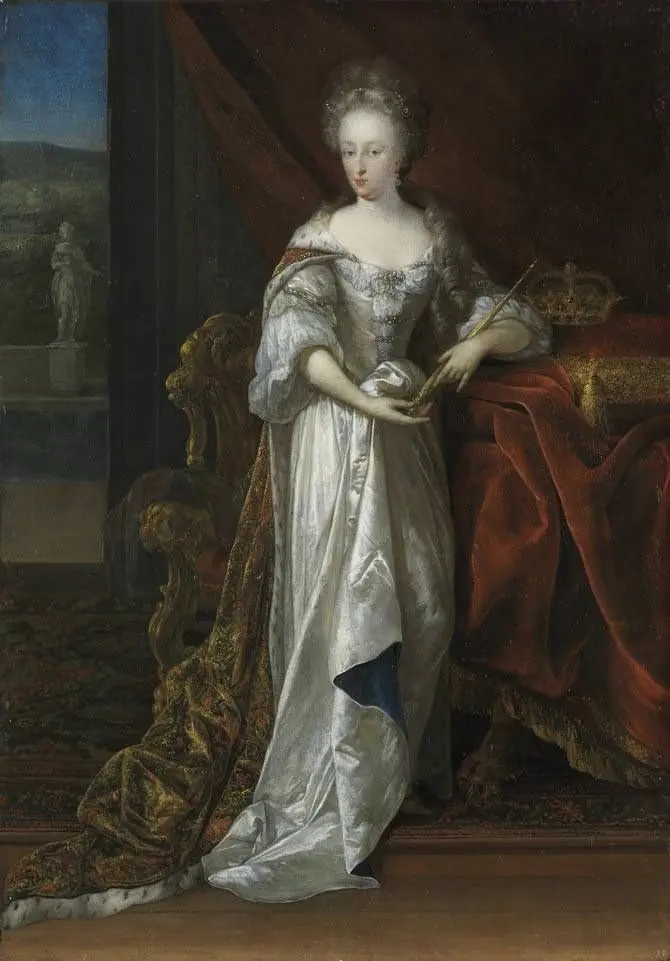 Maria Anna of Neuburg, Queen of Spain
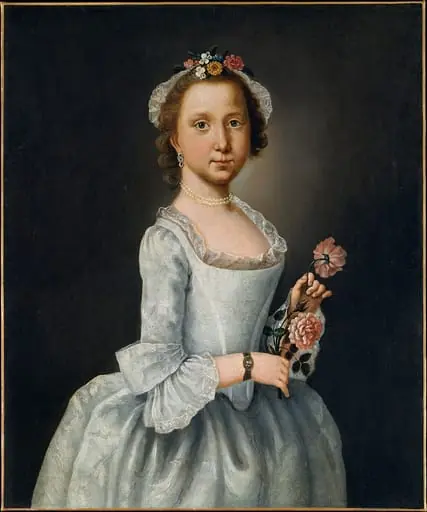 Portrait of a Lady