Artwork
Portrait of a Boy in the Polish National Costume
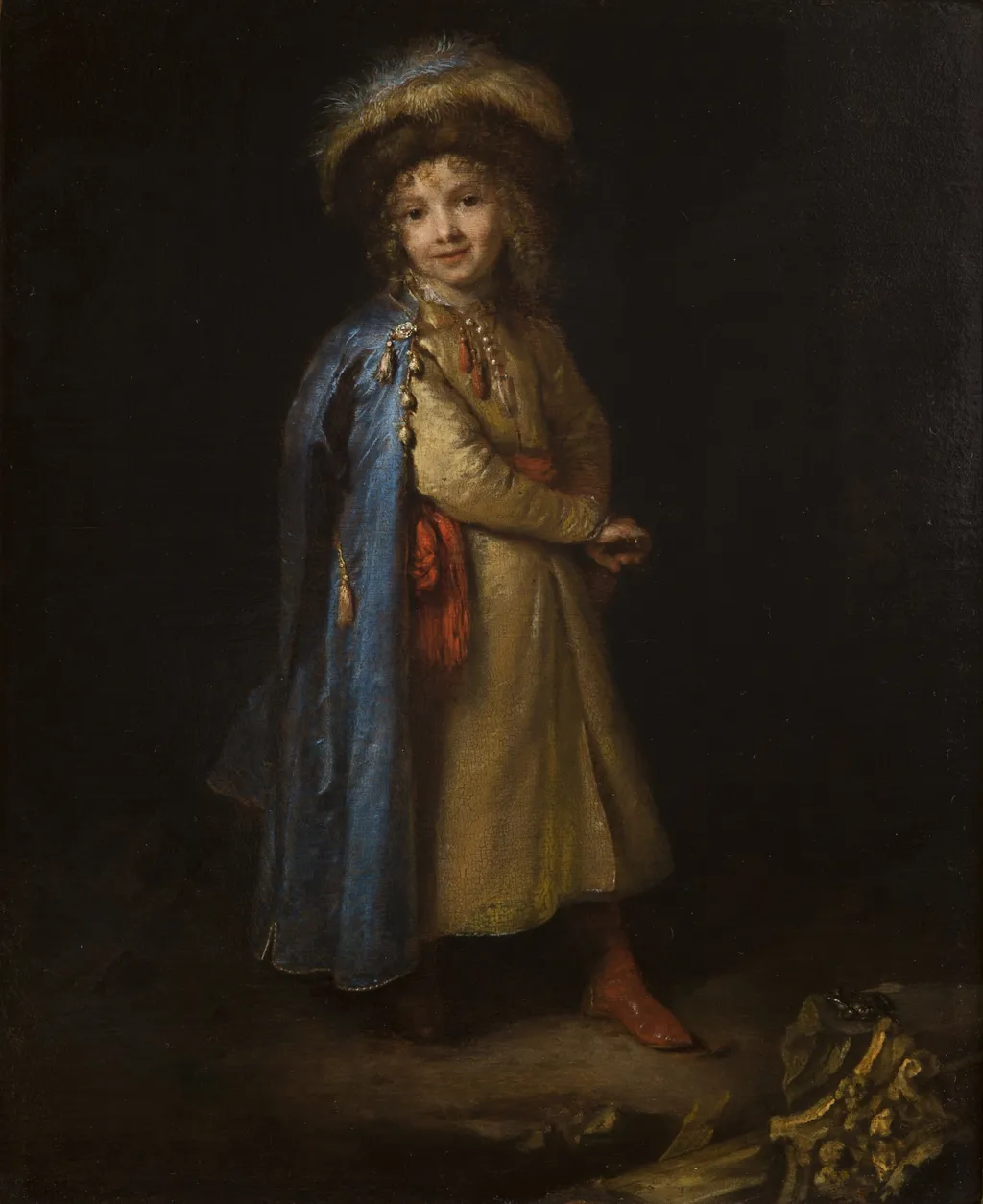
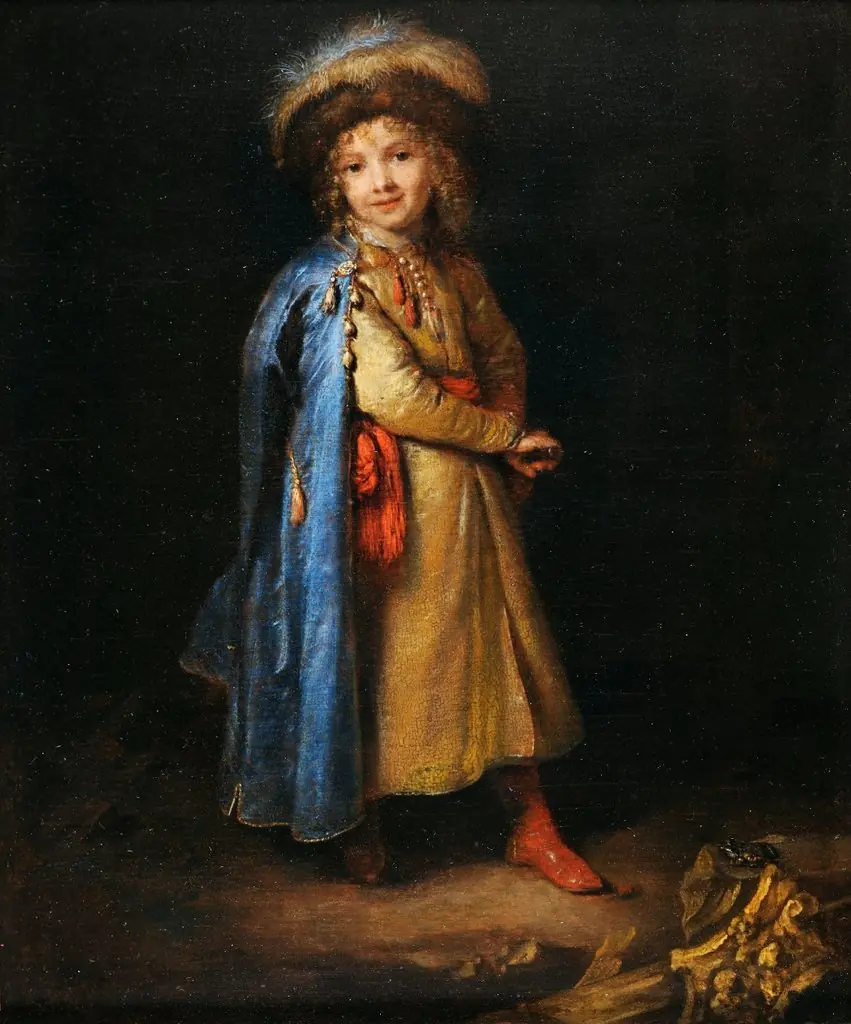
Portrait of a Boy in the Polish National Costume is an oil painting by the Dutch Golden Age artist Caspar Netscher. It dates from 1671 and is held in the collection of the National Museum in Kraków.
About this work
Overview
Its composition emphasizes the subject’s elaborate garments against a dark, unobtrusive background, drawing focus to the textures and colors of the clothing.
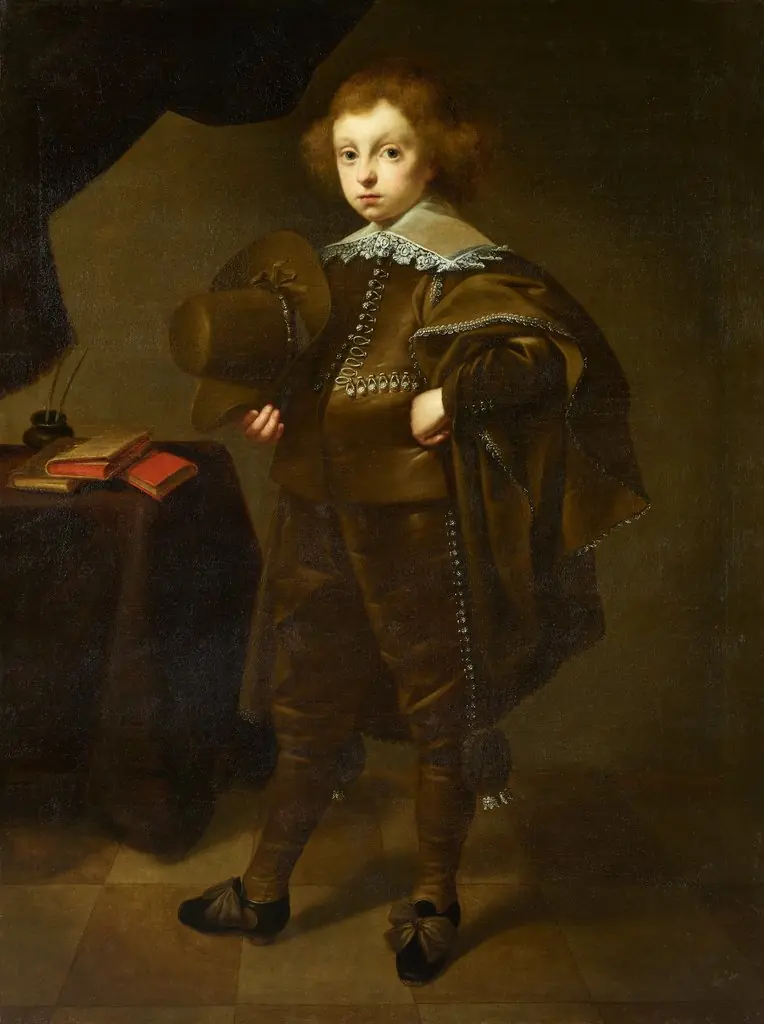
Painted around 1671 by Caspar Netscher, this oil portrait depicts a young boy dressed in traditional Polish attire. The work is part of the collection at the National Museum in Kraków. Its composition emphasizes the subject’s elaborate garments against a dark, unobtrusive background, drawing focus to the textures and colors of the clothing. The setting is minimal, with only a fragment of furniture hinting at domestic space.
Subject & Meaning
The boy is portrayed in regional Polish dress, suggesting a deliberate representation of cultural identity. The golden coat, red sash, blue cape with gold edging, and fur hat with a blue feather reflect regional nobility or affluent civic dress of the time. The portrait may have been commissioned to signify status or heritage, though the child’s specific identity remains unknown. His poised stance conveys dignity without overt symbolism.
Technique & Style
Netscher employs fine brushwork to render the textures of silk, fur, and metal trim with precision. The dark background enhances the vibrancy of the garments, a technique common in Dutch and Flemish portraiture. Light falls subtly across the boy’s face and clothing, modeling form without theatricality. The stone floor and partial furniture suggest spatial depth, though the focus remains firmly on the figure and his attire.
History & Provenance
The painting entered the collection of the National Museum in Kraków in the 19th century, likely through acquisitions of Polish noble collections or diplomatic gifts. Its presence in Poland suggests it may have been brought there during a period of cultural exchange between the Dutch Republic and the Polish-Lithuanian Commonwealth. No documentation confirms the boy’s identity or the original commissioning context.
Context
In the late 17th century, Dutch painters like Netscher frequently depicted foreign dignitaries and exotic dress, reflecting Europe’s interest in cultural diversity. Polish nobility often maintained ties with the Low Countries, and portraits of Polish subjects by Dutch artists were not uncommon. This work aligns with a broader trend of portraying regional costumes as markers of identity within a cosmopolitan artistic milieu.
Legacy
The portrait remains a rare example of Dutch portraiture focused on Polish dress, offering insight into how foreign attire was rendered by non-Polish artists. It contributes to the study of cross-cultural representation in early modern art. While not widely reproduced, it holds scholarly value for understanding costume, identity, and the movement of artistic styles across Central and Western Europe.
Own this work as a print
Artist & collection

Artist
Caspar Netscher was a Dutch painter. He was a master in depicting oriental rugs, silk and brocade and introduced an international style to the Northern Netherlands.

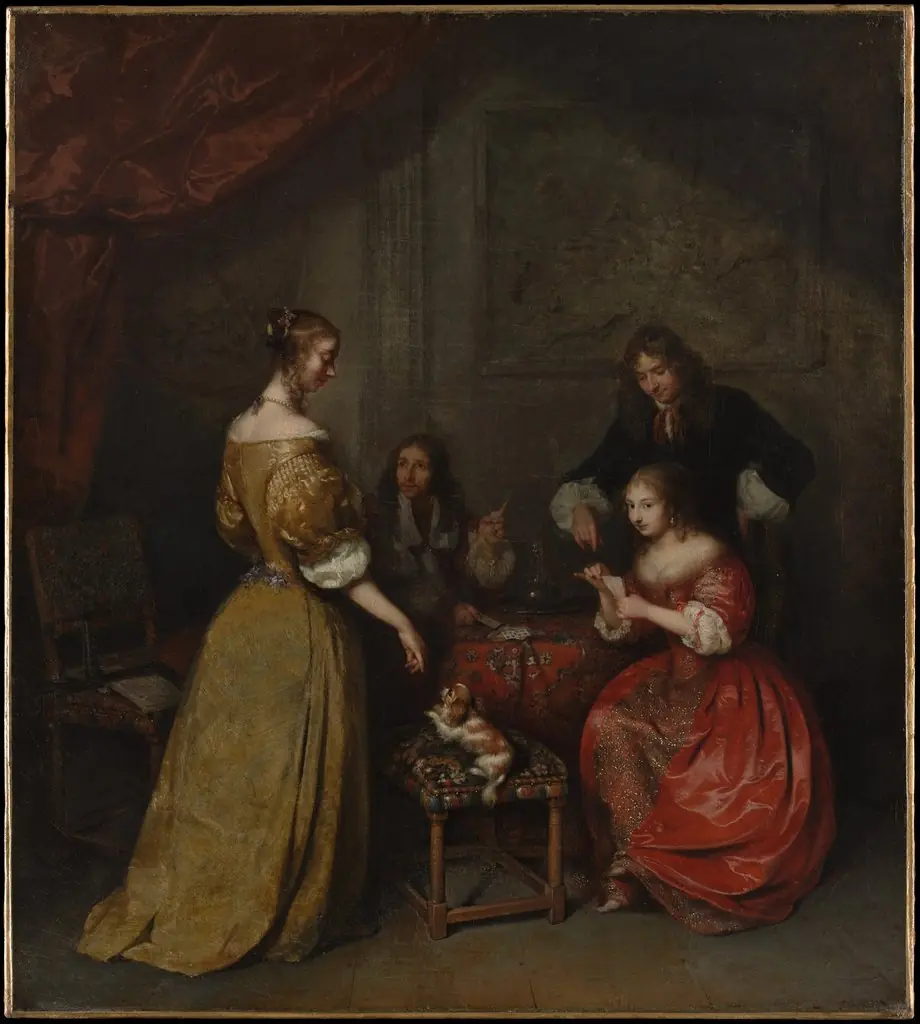 The Card Party
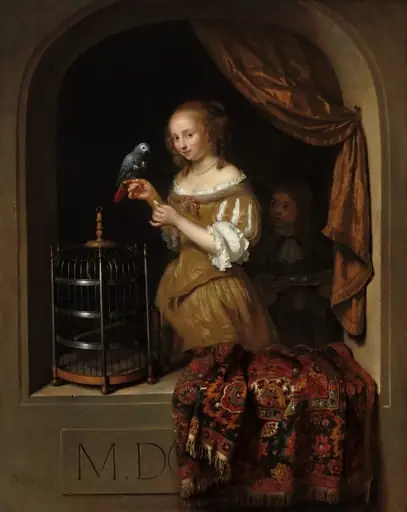 A Woman Feeding a Parrot, with a Page
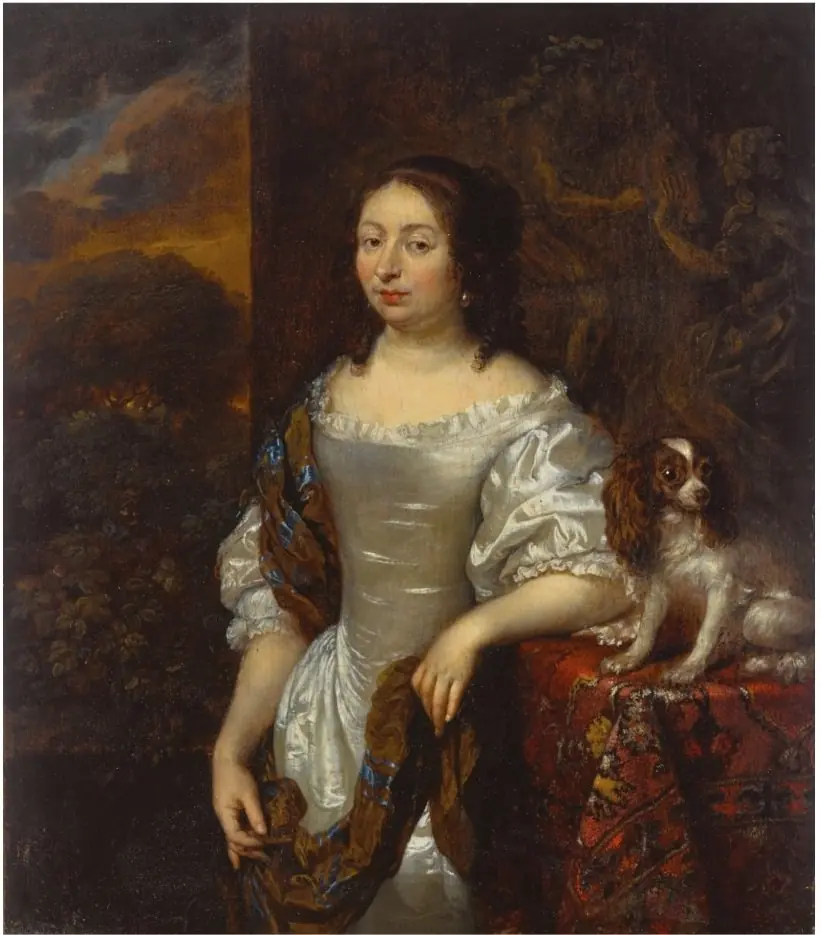 Portrait of a Lady with a Dog on a Table
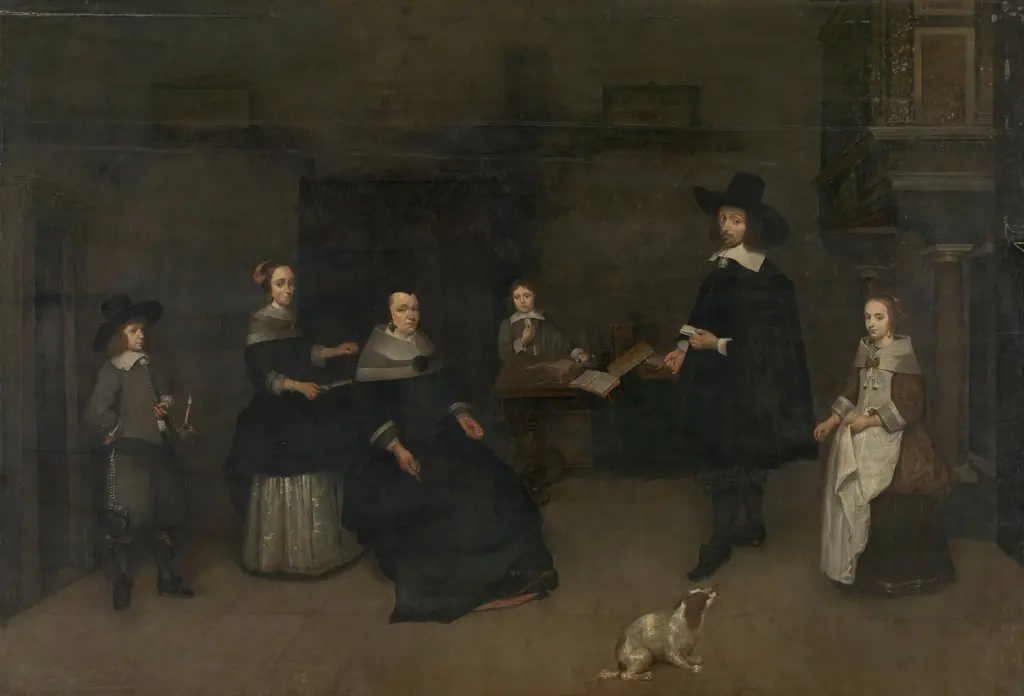 Family scene
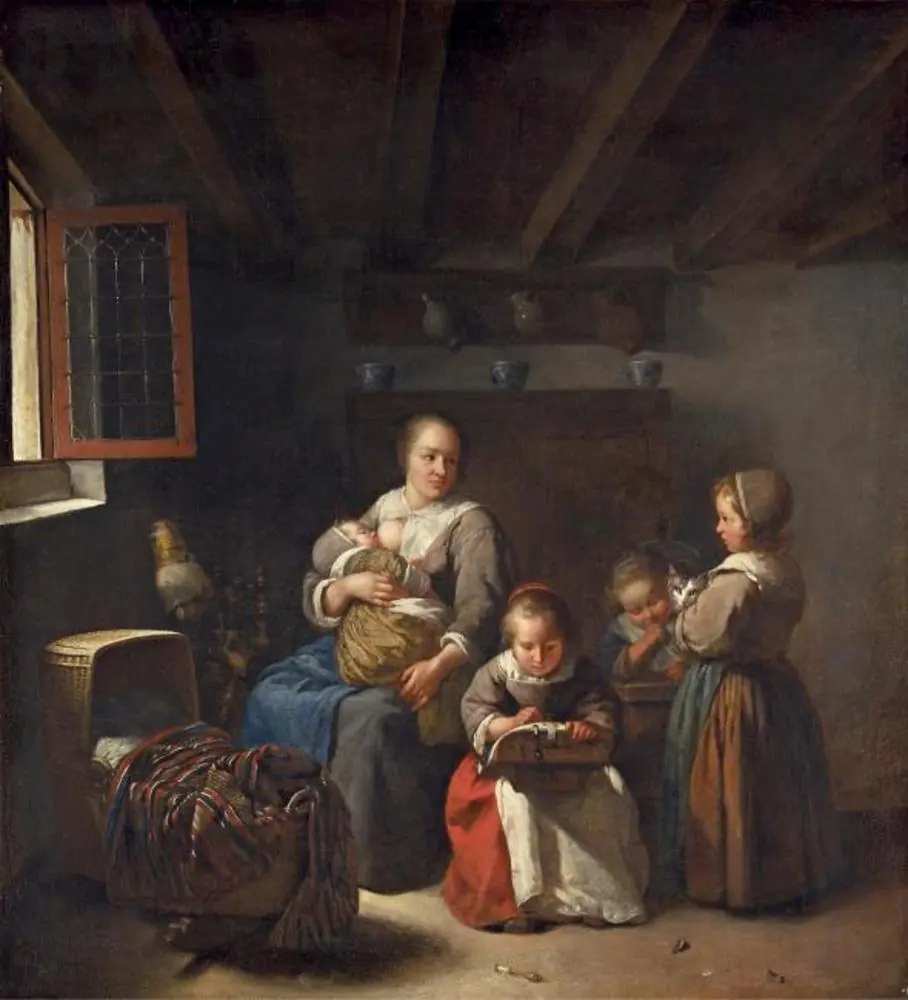 Nursing mother with three girls
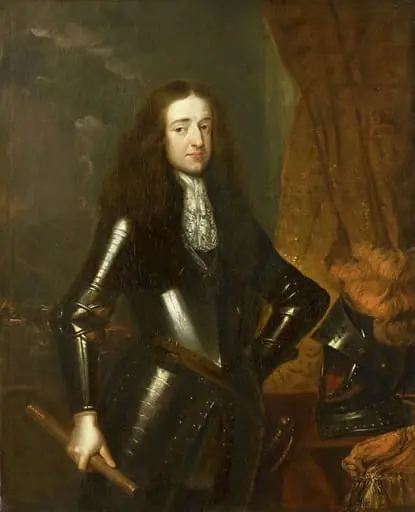 Portrait of Willem III (1650-1702), Prince of Orange and since 1689, King of England
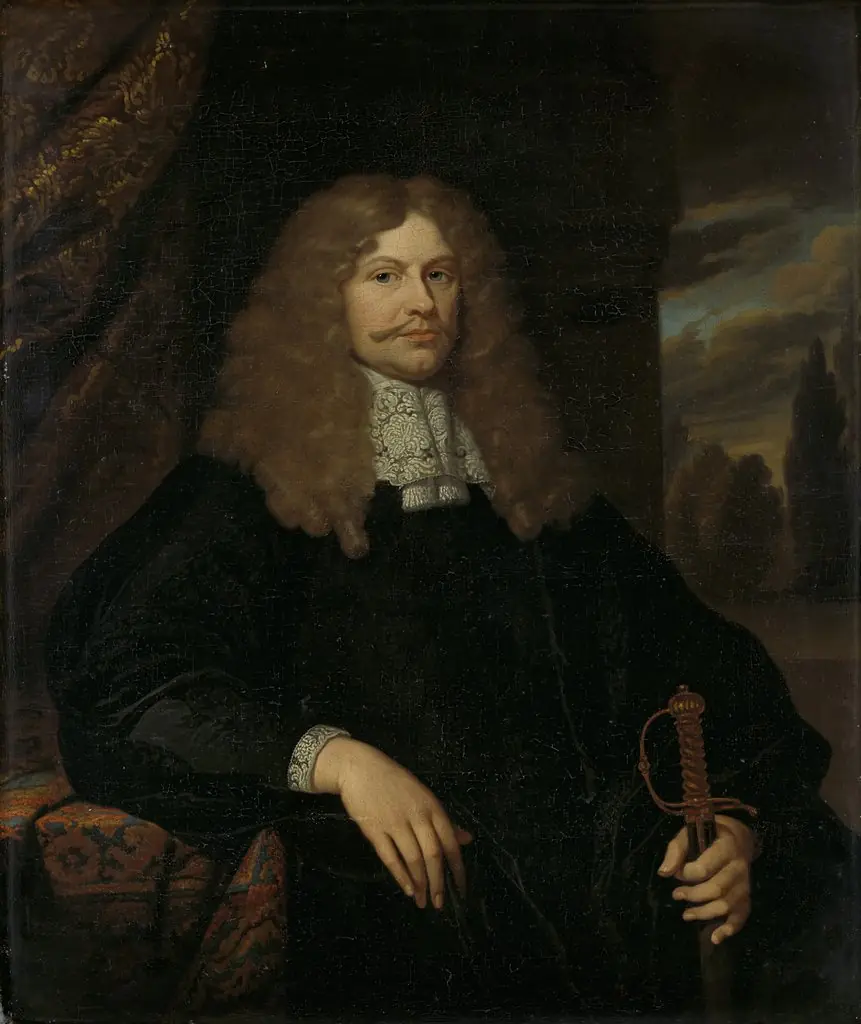 Portrait of Cornelis Backer (1633-81), councillor, alderman, and colonel of the Amsterdam militia
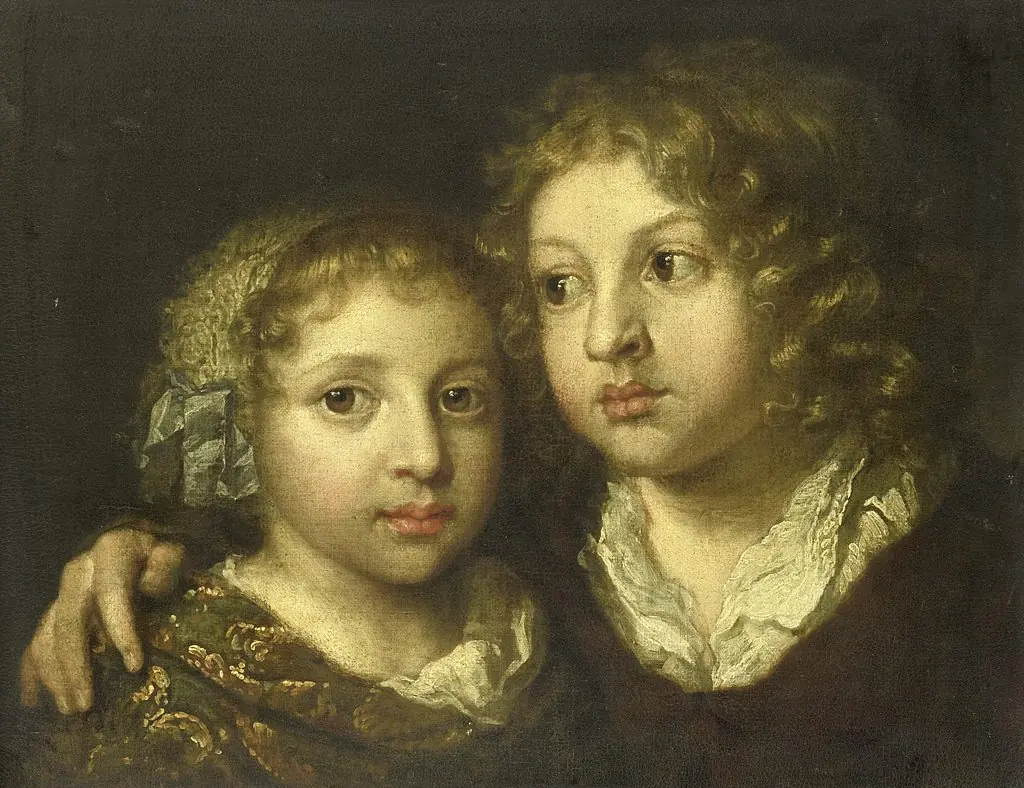 A daughter and a son (Constantijn?) of the artist