Artwork
Boy in Polish costume
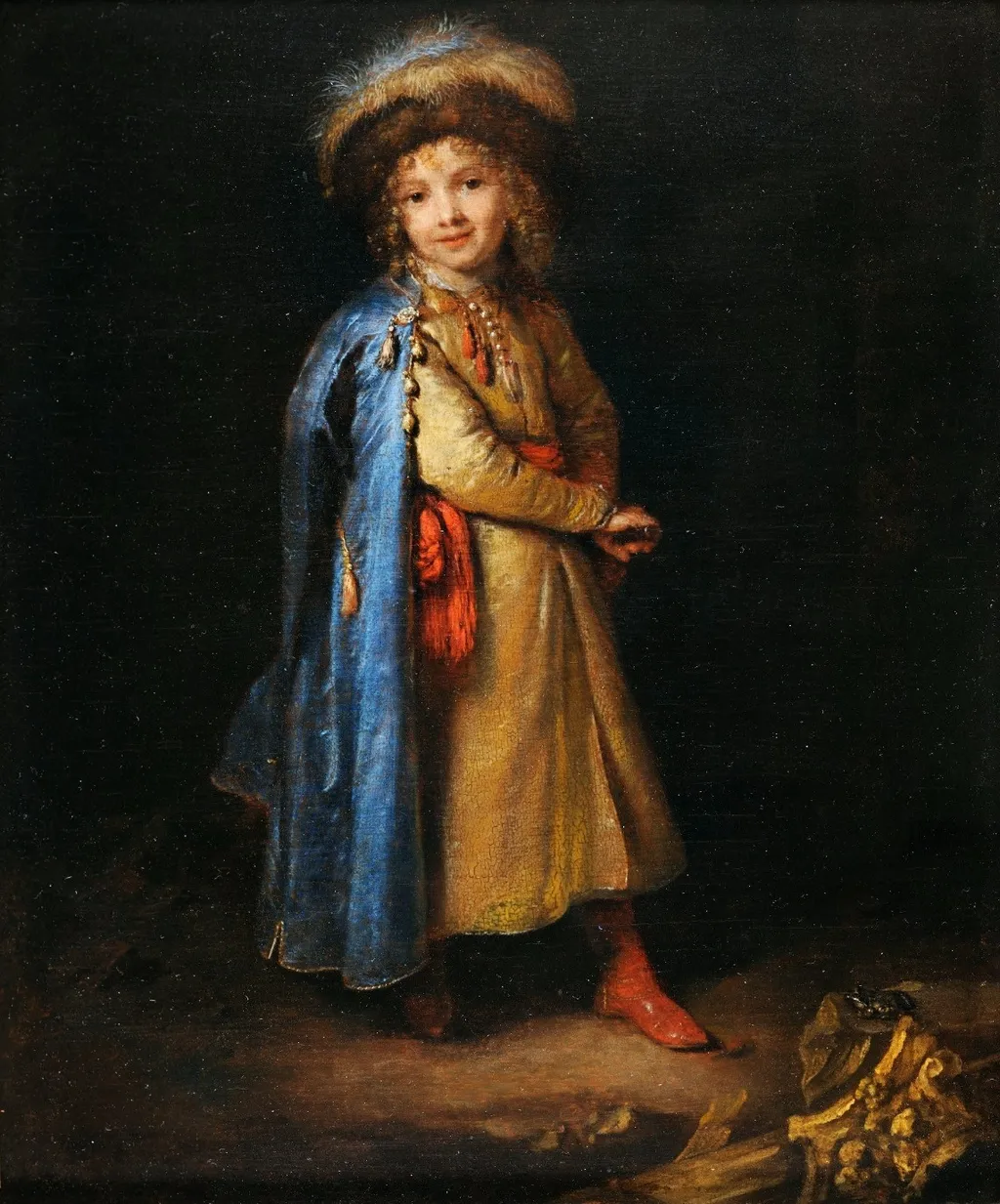
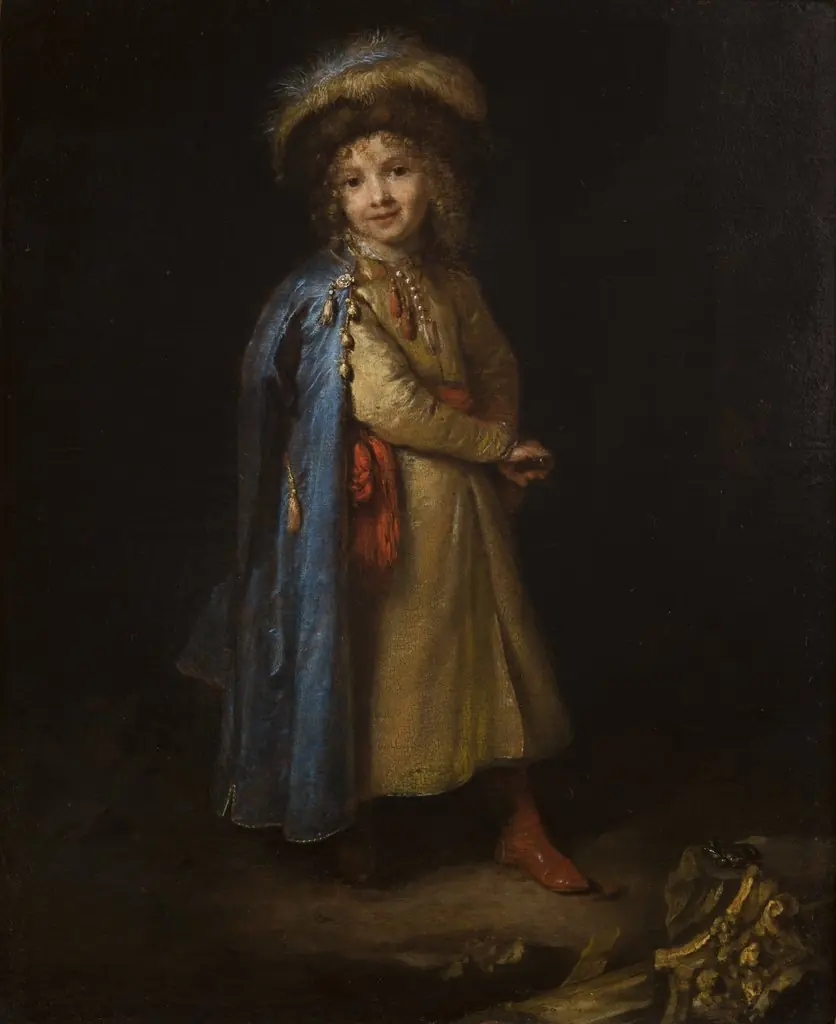
Boy in Polish costume is an oil painting by the Dutch Golden Age artist Caspar Netscher. It dates from 1670 and is held in the collection of the National Museum in Kraków.
About this work
Overview
Executed with quiet precision, the work stands apart from typical Dutch portraiture of the period due to its non-local subject matter.
Painted in 1670 by Caspar Netscher, this oil portrait portrays a young boy dressed in attire associated with Polish tradition. Executed with quiet precision, the work stands apart from typical Dutch portraiture of the period due to its non-local subject matter. The painting resides in the National Museum in Kraków, where it is noted for its unusual cultural reference and restrained composition against a dark, unadorned background.
Subject & Meaning
The boy, identified by his distinctive clothing, appears grounded and observant, holding a small object in his hands. His rolled-up sleeves and the scattered branches at his feet suggest a moment of pause after outdoor activity. The Polish costume, uncommon in Dutch art, may reflect contemporary interest in Eastern European dress or the presence of Polish individuals in the Netherlands. The image conveys quiet dignity rather than idealized childhood.
Technique & Style
Netscher employs subtle chiaroscuro to model the boy’s form, with soft transitions between light and shadow defining his fur-lined hat, blue coat, and yellow dress. The textures of wool, fur, and fabric are rendered with delicate brushwork, while the dark background isolates the figure and enhances spatial depth. The palette is restrained, emphasizing the red sash and shoes as focal accents without theatricality.
History & Provenance
The painting entered the collection of the National Museum in Kraków in the early 20th century, though its earlier ownership remains undocumented. Its presence in Poland likely stems from post-war acquisitions or transfers of artworks previously held in private or foreign collections. No records indicate it was commissioned by a Polish patron, suggesting its origin may lie in Netscher’s broader engagement with exoticized dress.
Context
In late 17th-century Dutch art, depictions of foreign dress were occasionally used to signal curiosity about distant cultures or to display the artist’s skill in rendering unfamiliar textures. While most portraits focused on local elites, Netscher’s inclusion of Polish attire reflects a wider European fascination with Eastern European customs, possibly influenced by diplomatic or trade contacts during the Polish-Lithuanian Commonwealth’s prominence.
Legacy
The painting remains a rare example of Polish costume in Dutch Golden Age portraiture, offering insight into cross-cultural visual exchange. It has not been widely reproduced or studied, but its quiet specificity contributes to scholarly understanding of how Dutch artists engaged with non-native identities. Its preservation in Kraków underscores its significance as a cultural artifact beyond its origin.
Artist & collection

Artist
Caspar Netscher was a Dutch painter. He was a master in depicting oriental rugs, silk and brocade and introduced an international style to the Northern Netherlands.

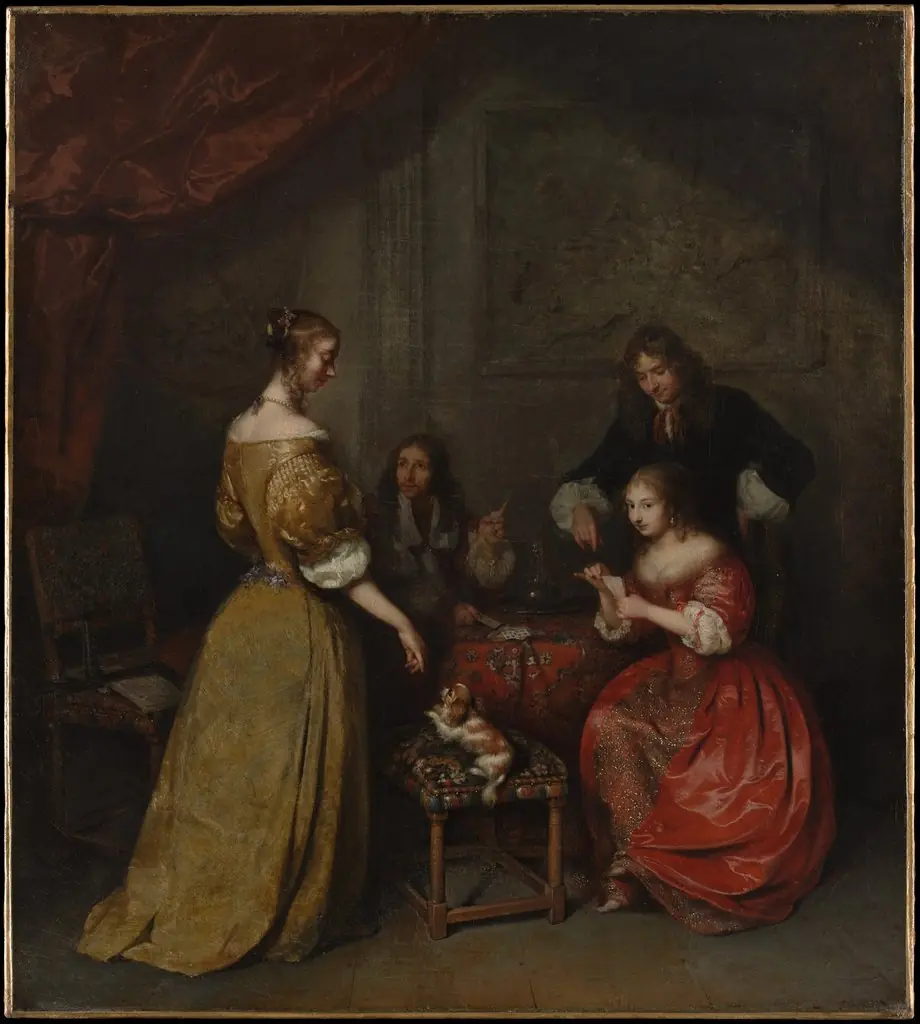 The Card Party
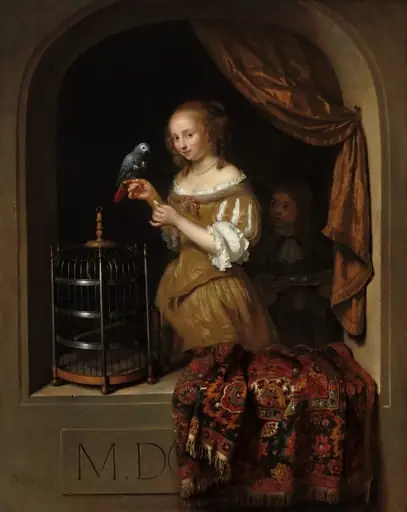 A Woman Feeding a Parrot, with a Page
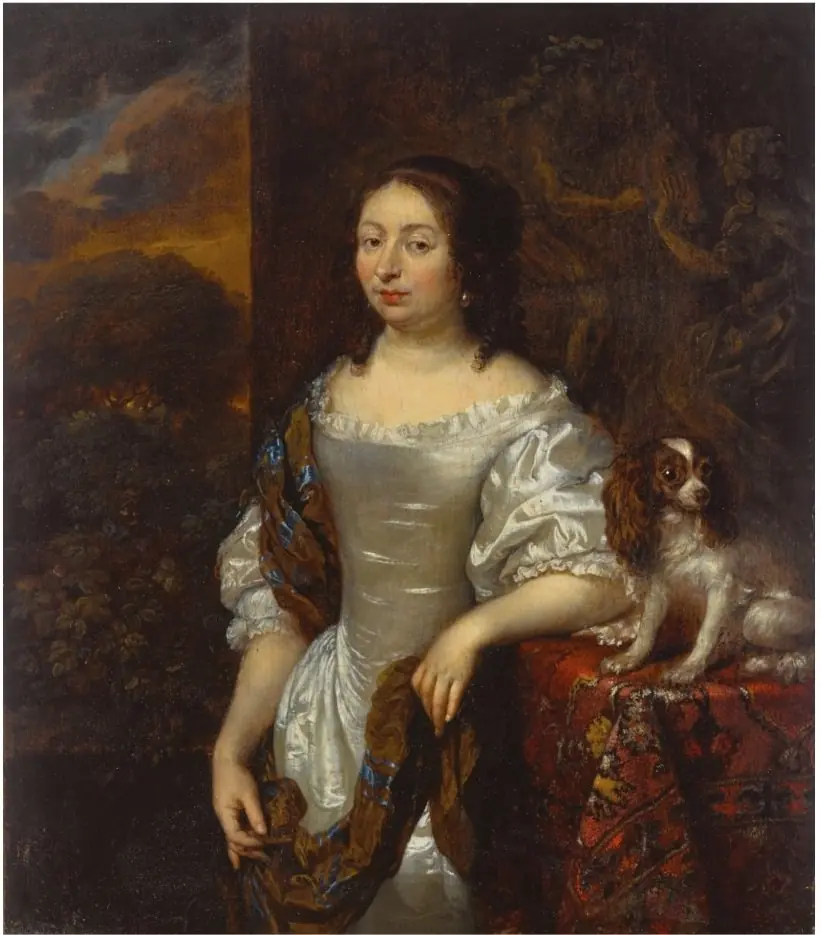 Portrait of a Lady with a Dog on a Table
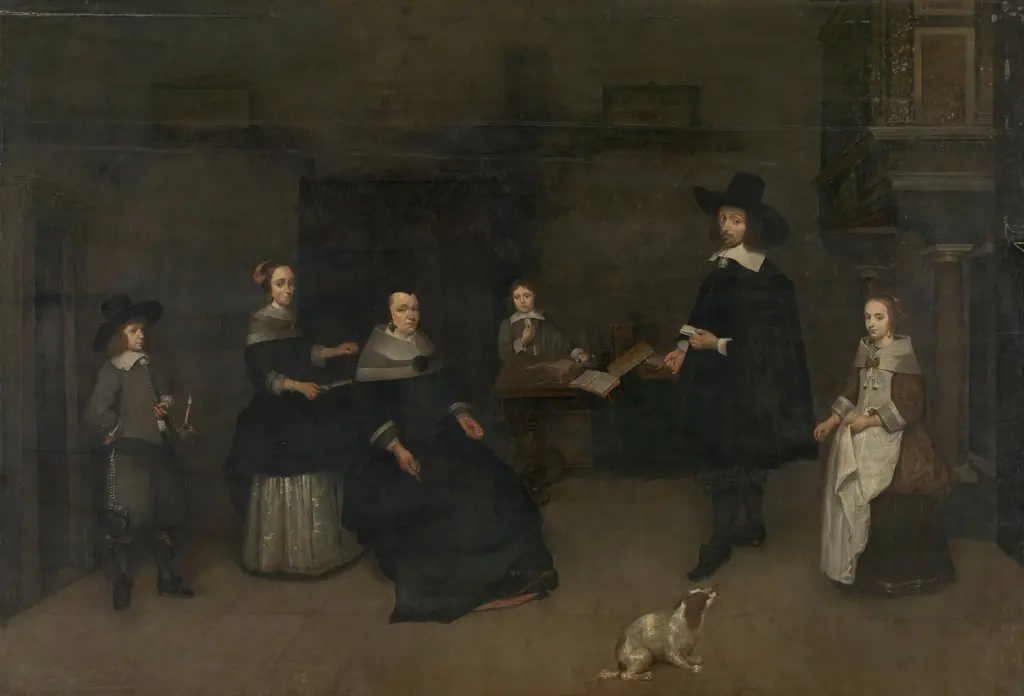 Family scene
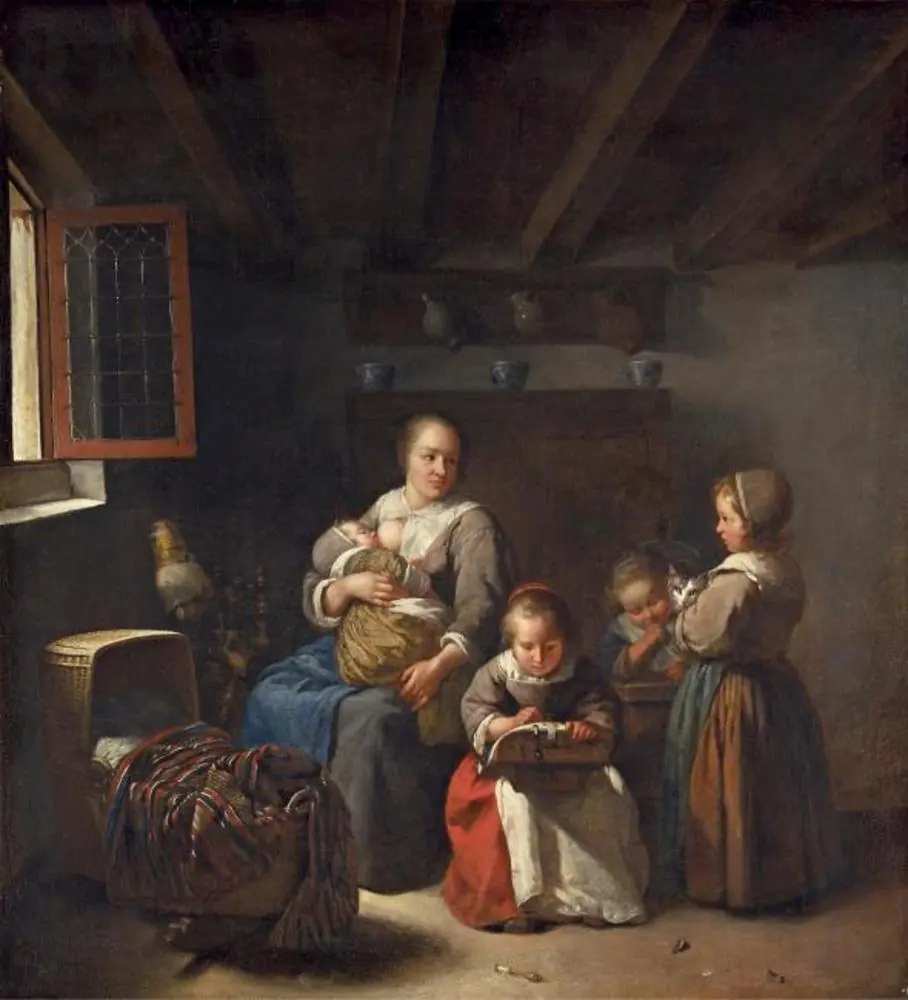 Nursing mother with three girls
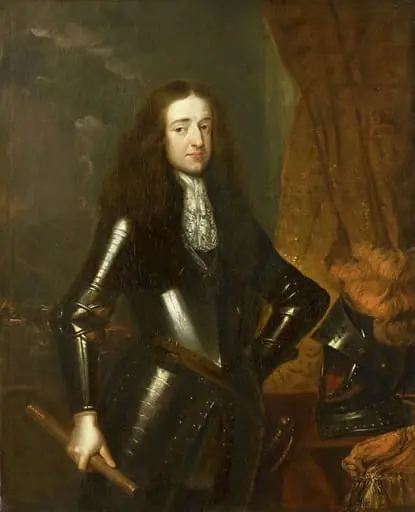 Portrait of Willem III (1650-1702), Prince of Orange and since 1689, King of England
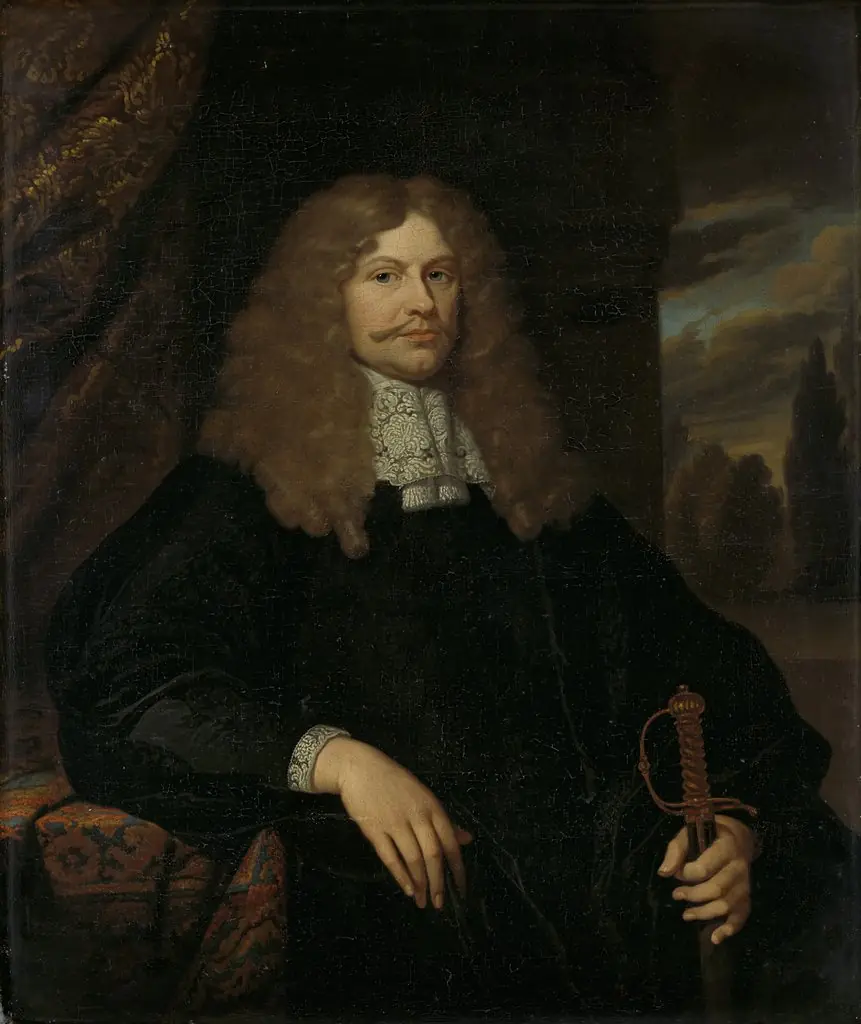 Portrait of Cornelis Backer (1633-81), councillor, alderman, and colonel of the Amsterdam militia
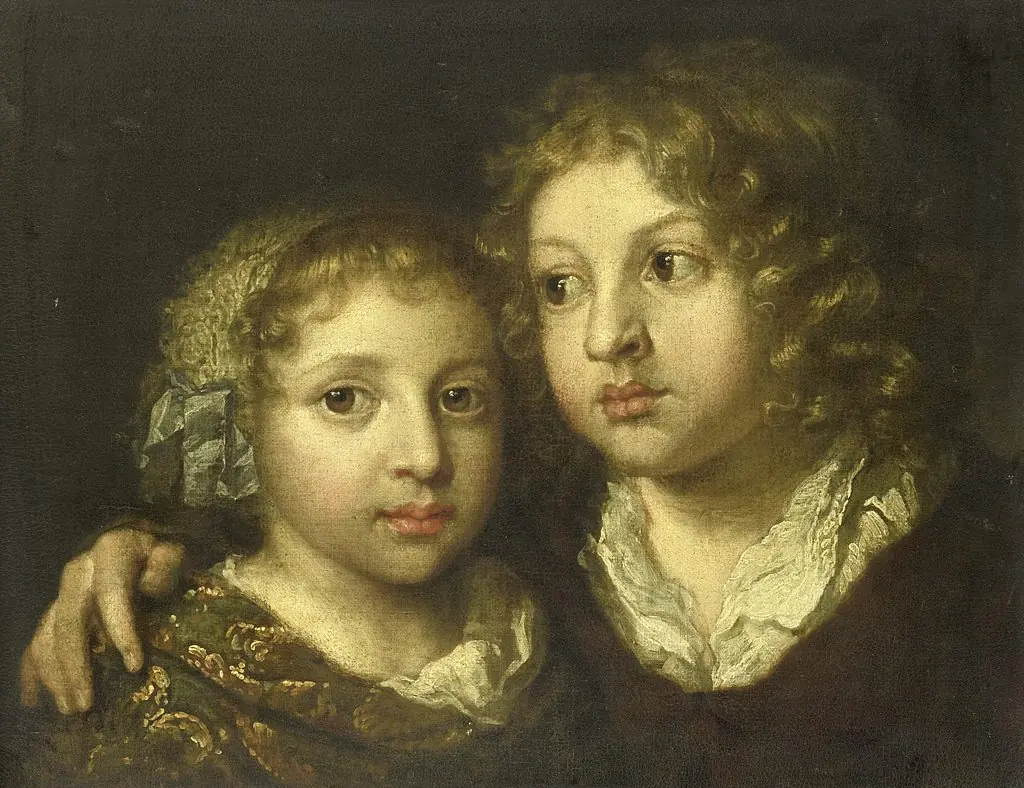 A daughter and a son (Constantijn?) of the artist
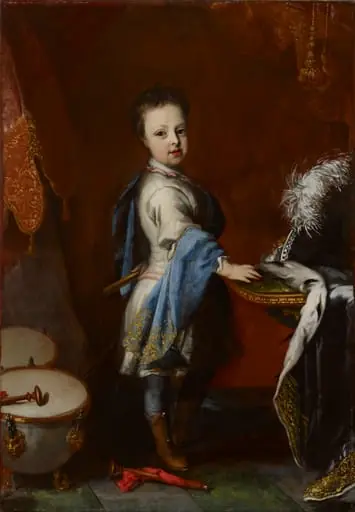 Holstein-Gottorpin herttua Karl Fredrik lapsena
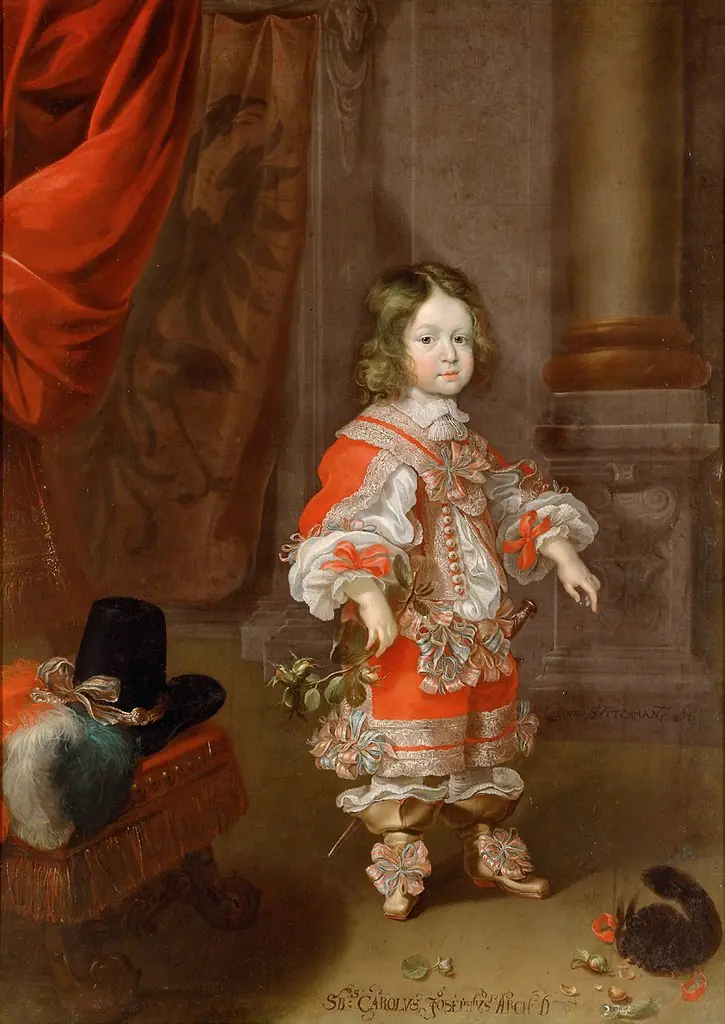 Erzherzog Karl Joseph (1649-1664) mit Eichhörnchen, im Alter von vier bis fünf Jahren
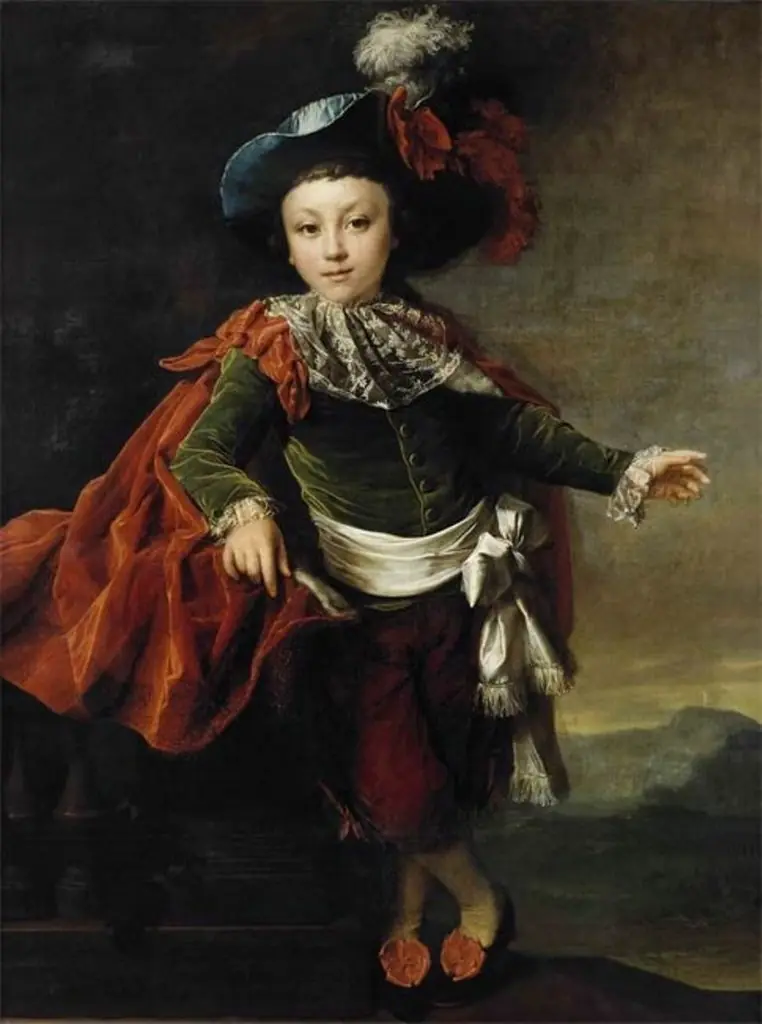 Portrait of F.P. Makerovsky in masquerade costume
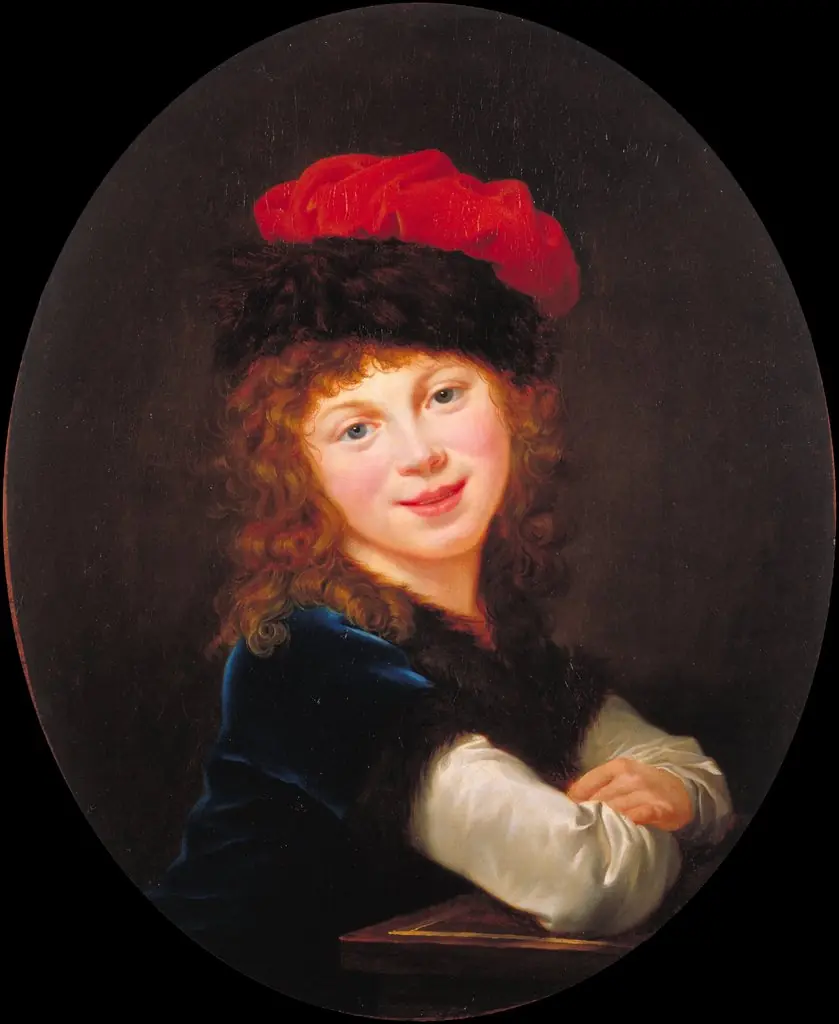 Portrait of a Girl
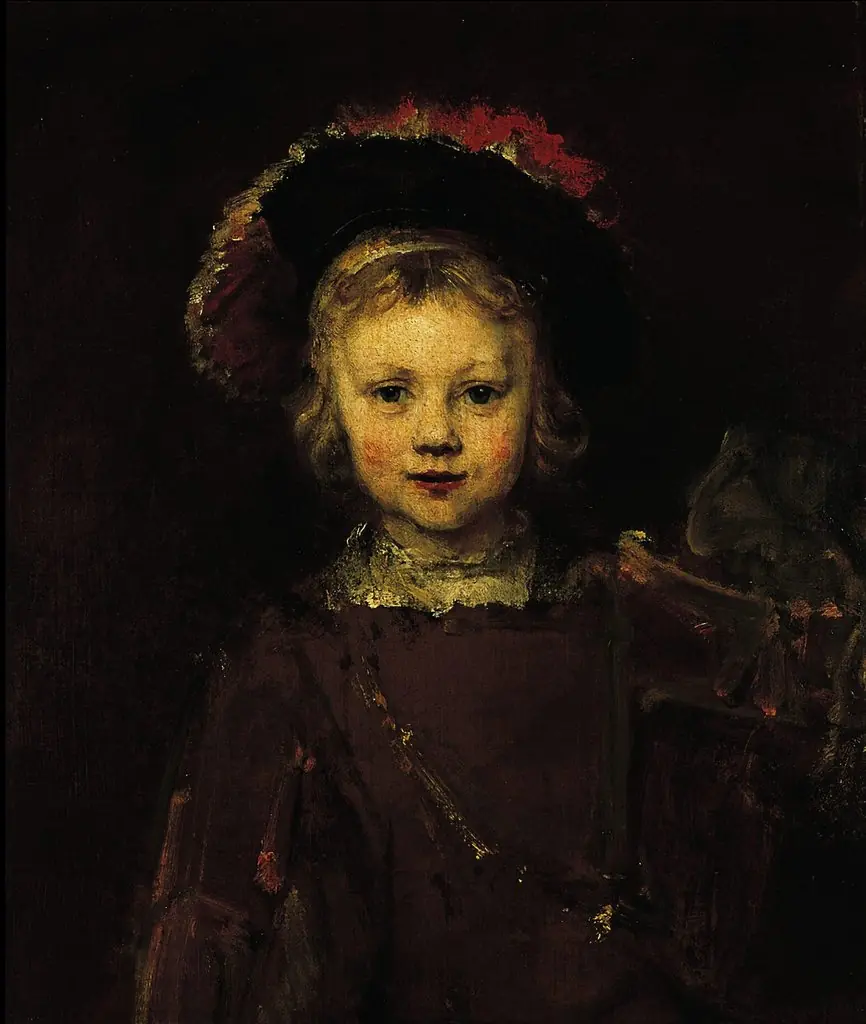 Unfinished Portrait of a Boy
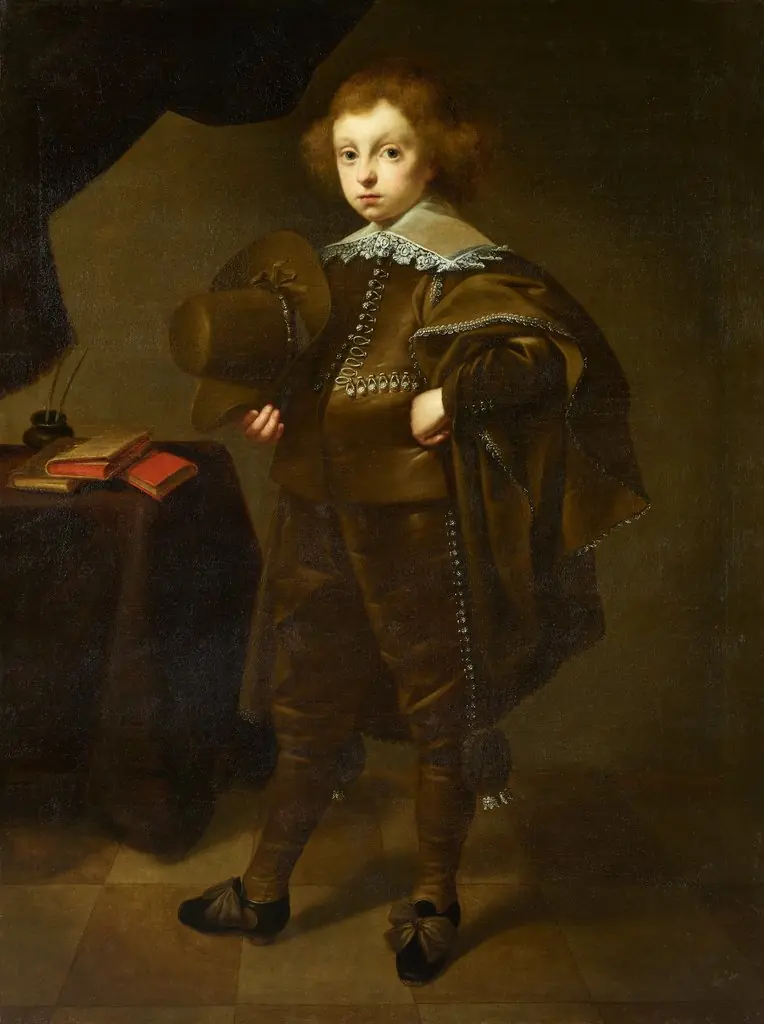 Portrait of a Boy
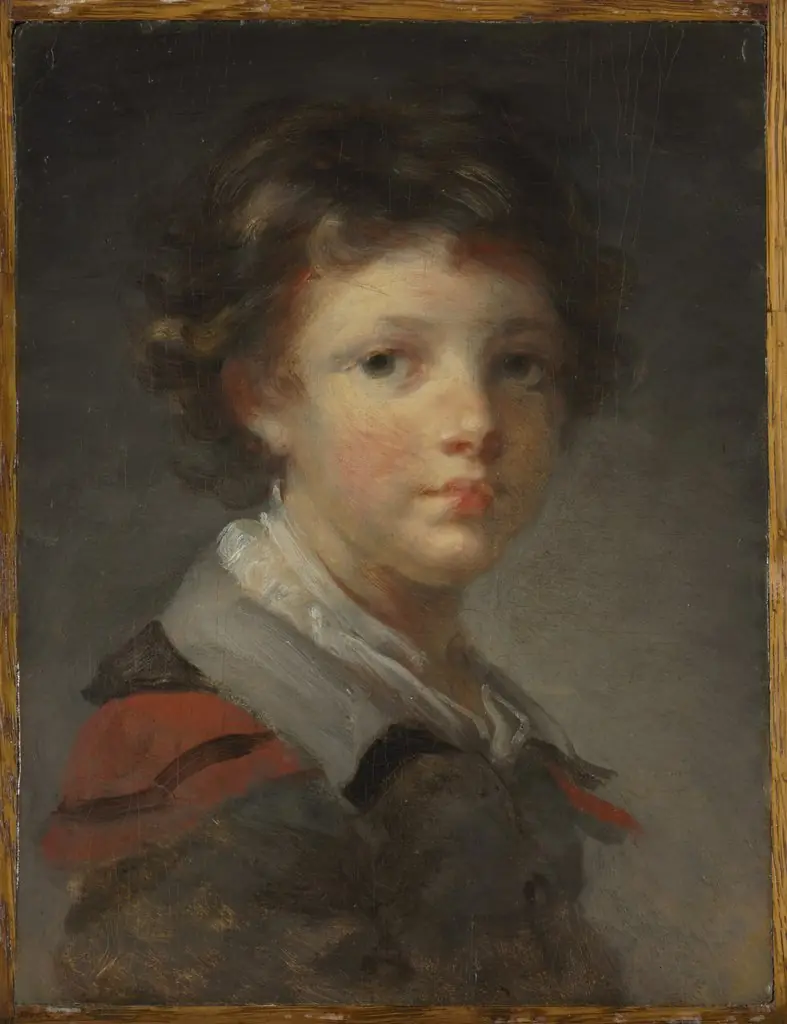 A Boy in a Red-lined Cloak
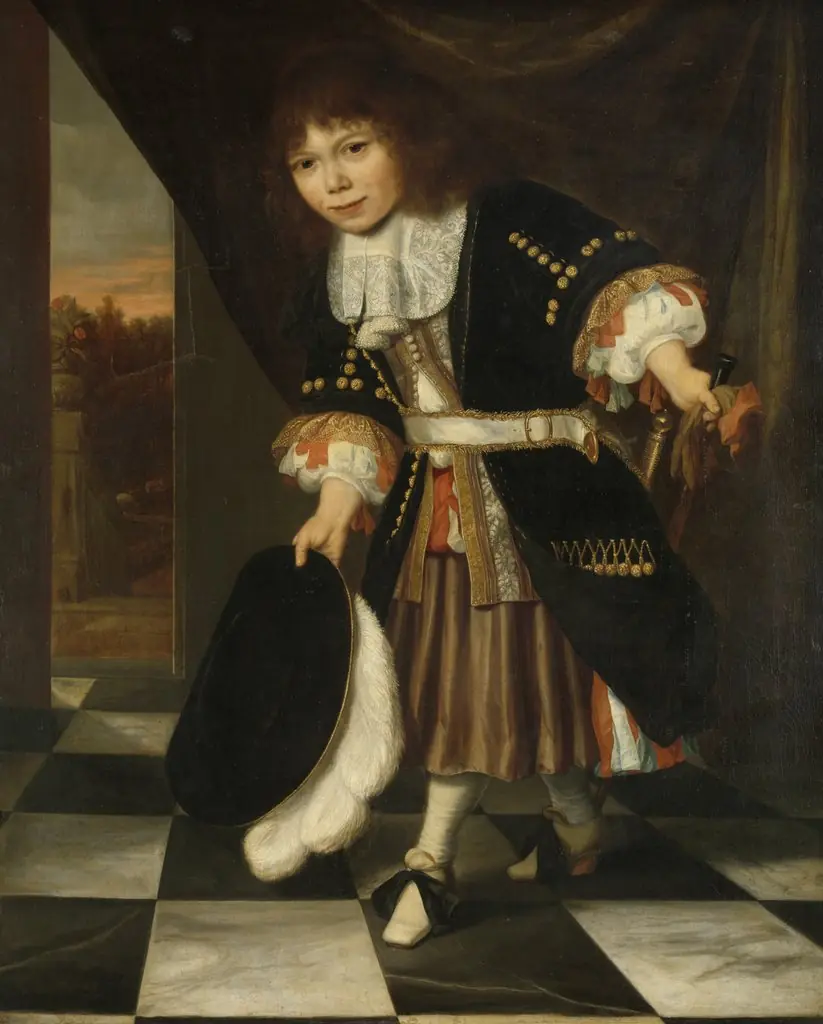 Portrait of a boy, called 'The son of Admiral van Nes'
 Portrait of a Boy, called The Young Son of Admiral van Nes (The Admiral's Son)
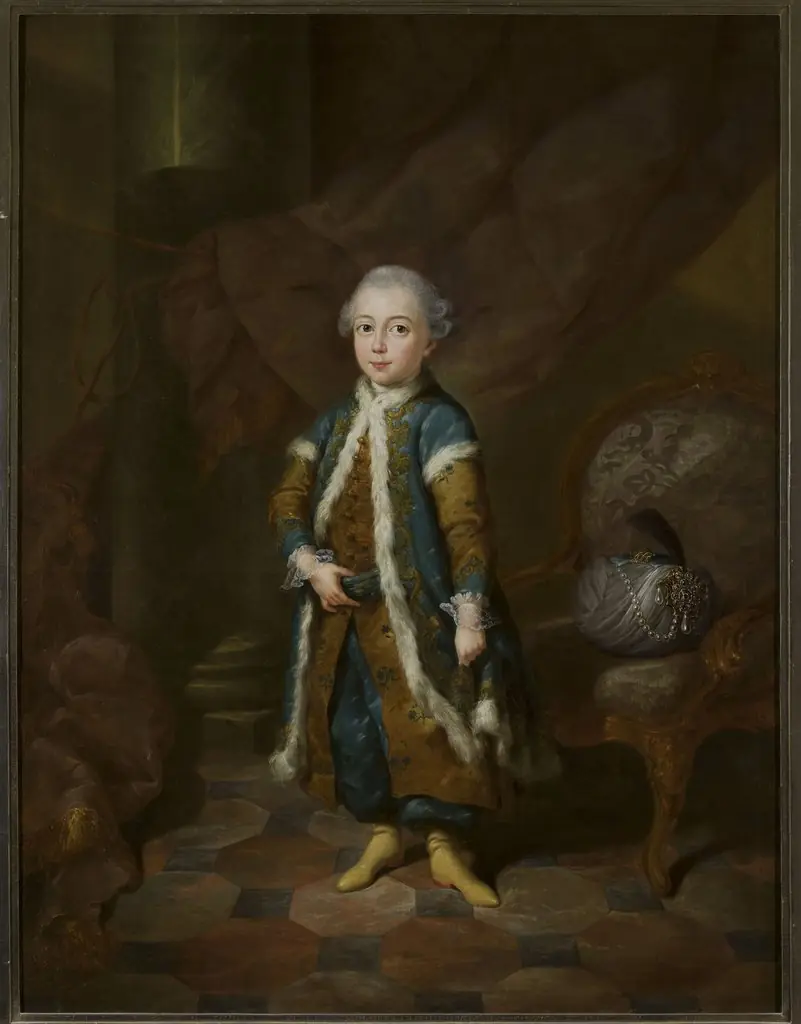 Portrait of Henirich Reuss
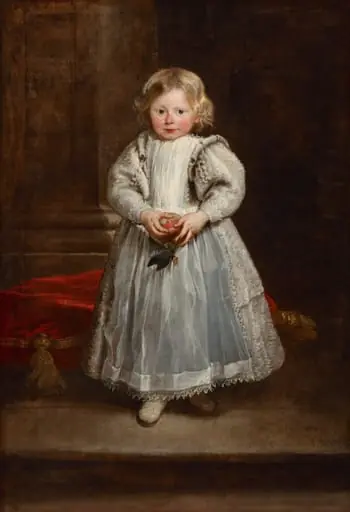 Maddalena Cattaneo
 Portrait of a Boy in the Polish National Costume