Artwork
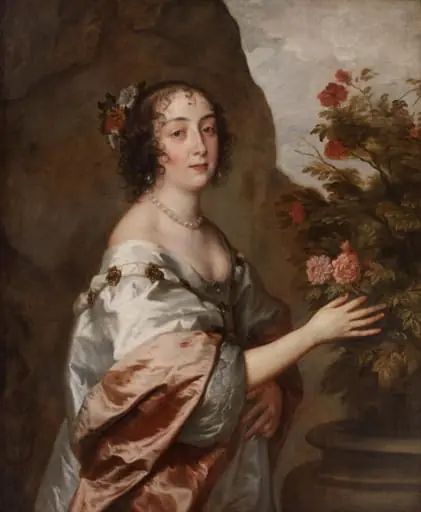
Portrait of a Lady
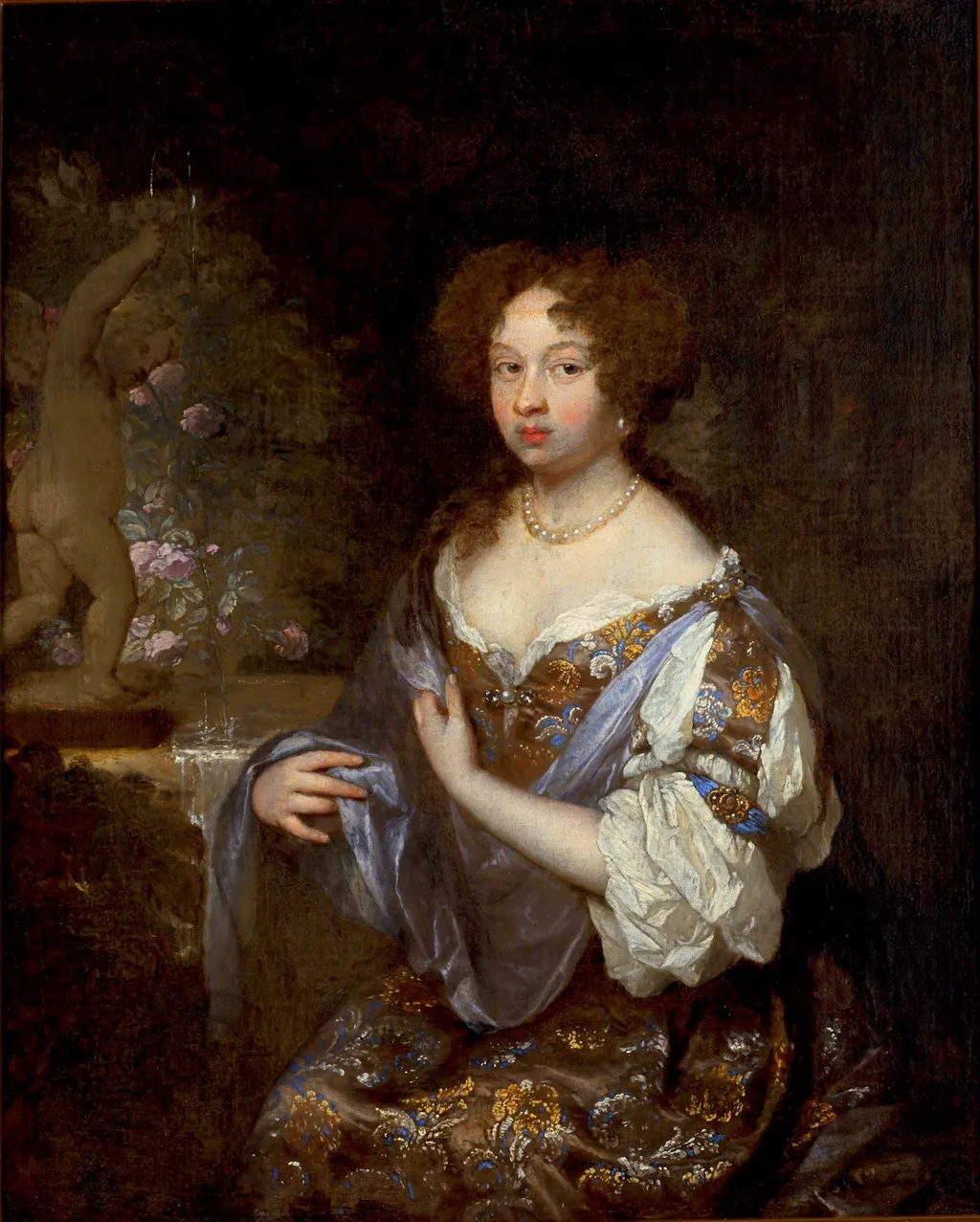
Portrait of a Lady is an oil painting by the Dutch Golden Age artist Caspar Netscher. It is held in the collection of the National Museum in Kraków.
About this work
Overview
Caspar Netscher’s oil painting, dated 1692, presents a solitary female sitter rendered in a refined, domestic setting. The work is part of the collection of the National Museum in Kraków, where it is displayed among other examples of Dutch portraiture from the late seventeenth century.
Subject & Meaning
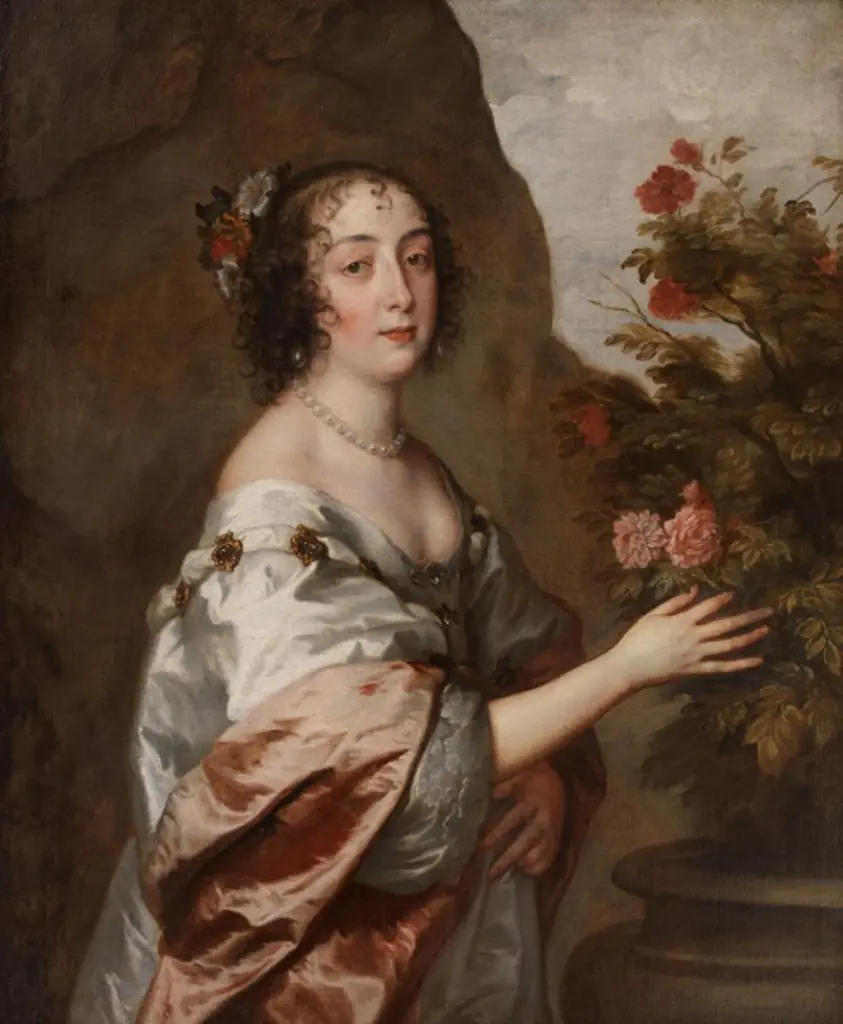
The portrait features a young woman dressed in an elegant, light‑coloured gown accented with gold embroidery, a pearl necklace, and a delicate hand‑held sheet of paper. Her composed pose and the inclusion of the paper suggest a connection to literacy or personal correspondence, while the surrounding floral motifs hint at a cultivated, genteel environment.
Technique & Style
Netscher employs a subtle chiaroscuro, allowing soft shadows to model the sitter’s face and the folds of her dress, creating a convincing sense of volume. The interplay of light on the sleeve and the precise rendering of textile textures demonstrate the artist’s meticulous attention to detail and his mastery of oil’s capacity for fine gradations.
History & Provenance
Executed in the Dutch Republic, the portrait entered the National Museum in Kraków in the twentieth century, though the exact acquisition path remains undocumented in public records. Its presence in the museum’s holdings reflects the broader European interest in Dutch portraiture during the period of collection expansion.
Context
Created during the Dutch Golden Age, the painting aligns with Netscher’s reputation for intimate, courtly portraits that blend realism with an idealised elegance. The inclusion of a garden backdrop with pink blossoms situates the sitter within a cultivated landscape, a common motif used to convey status and refinement in contemporary portraiture.
Own this work as a print
Artist & collection

Artist
Caspar Netscher was a Dutch painter. He was a master in depicting oriental rugs, silk and brocade and introduced an international style to the Northern Netherlands.

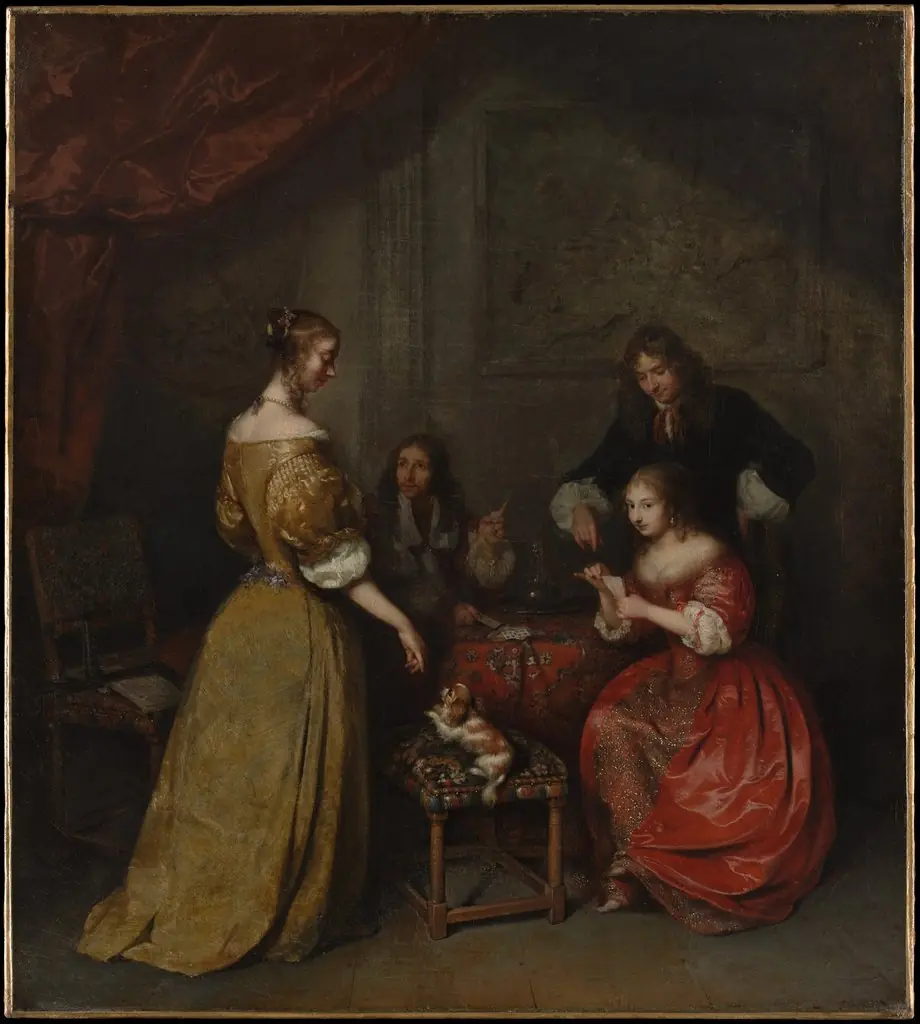 The Card Party
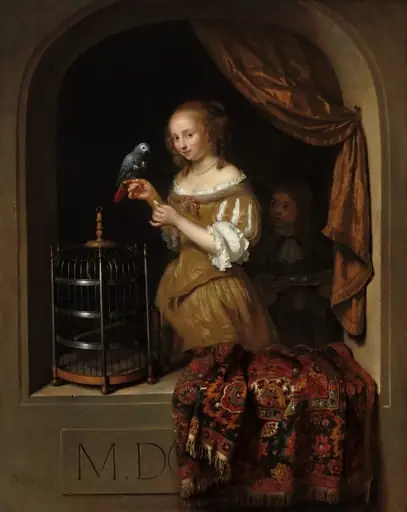 A Woman Feeding a Parrot, with a Page
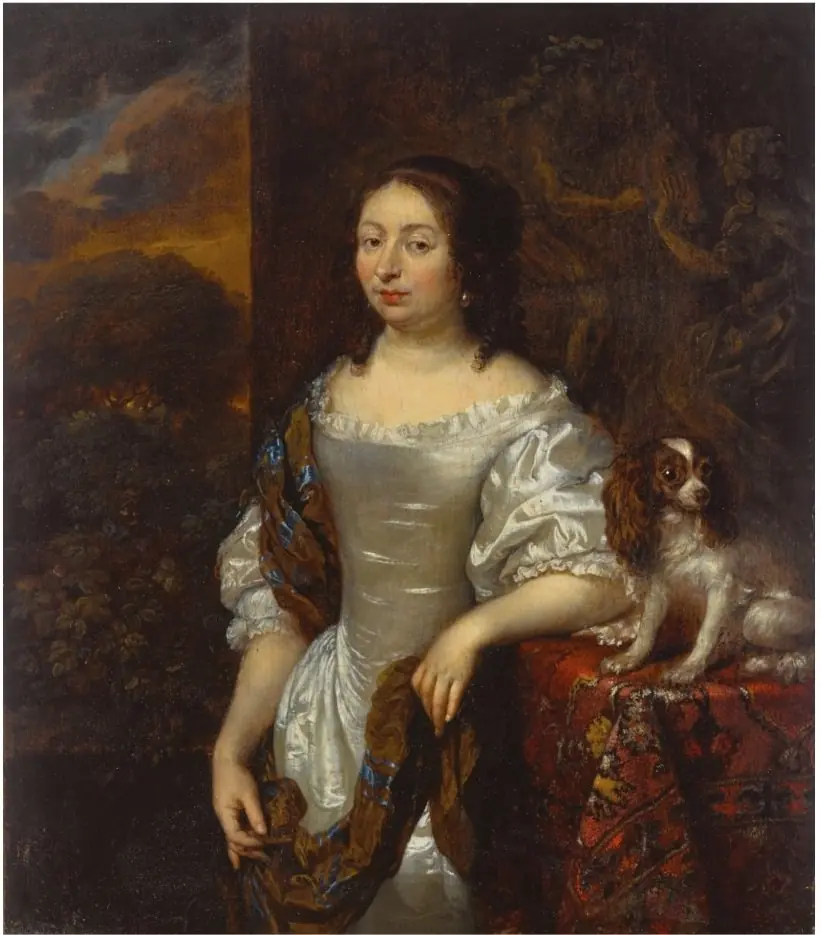 Portrait of a Lady with a Dog on a Table
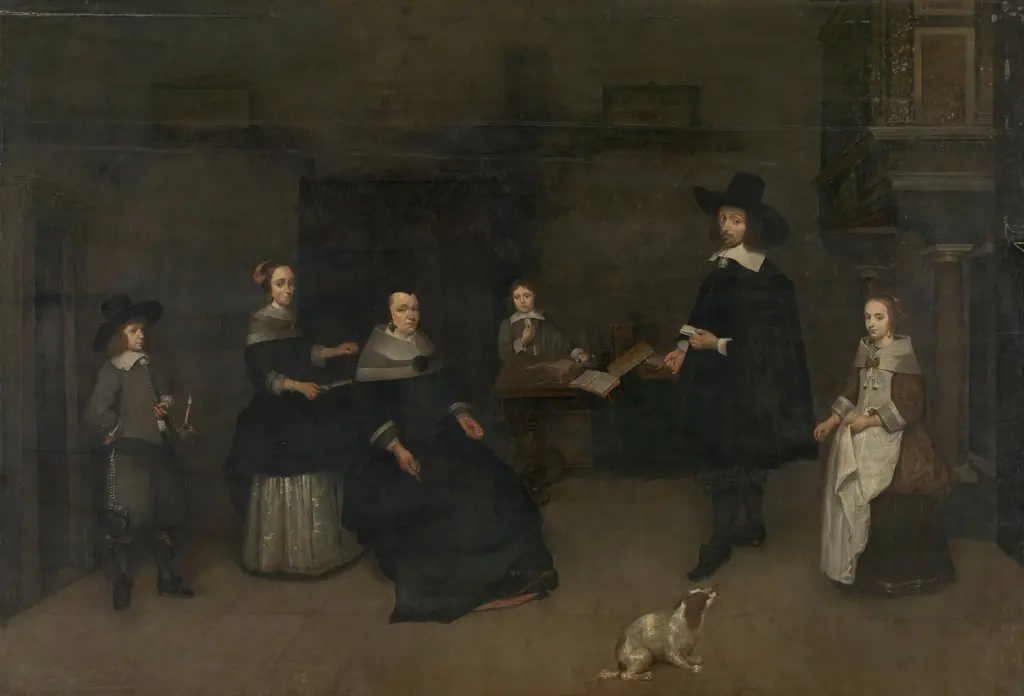 Family scene
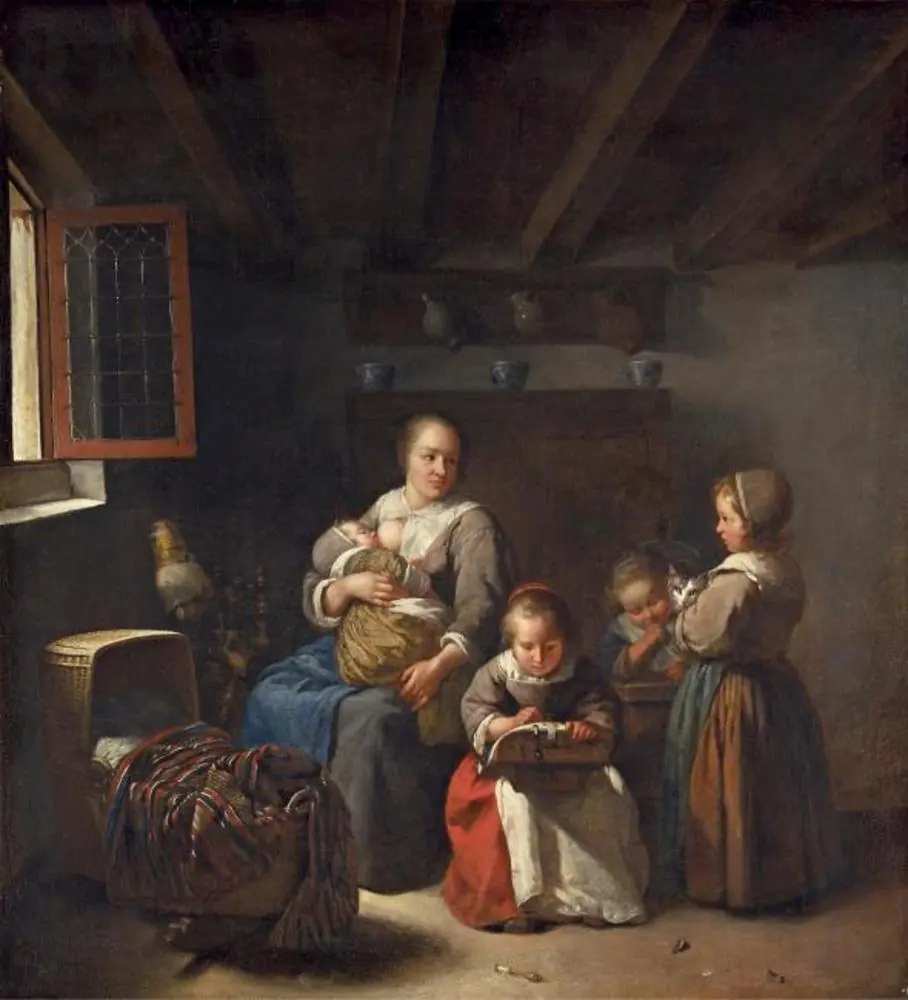 Nursing mother with three girls
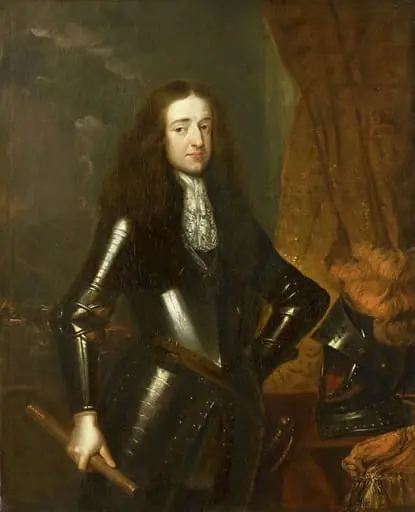 Portrait of Willem III (1650-1702), Prince of Orange and since 1689, King of England
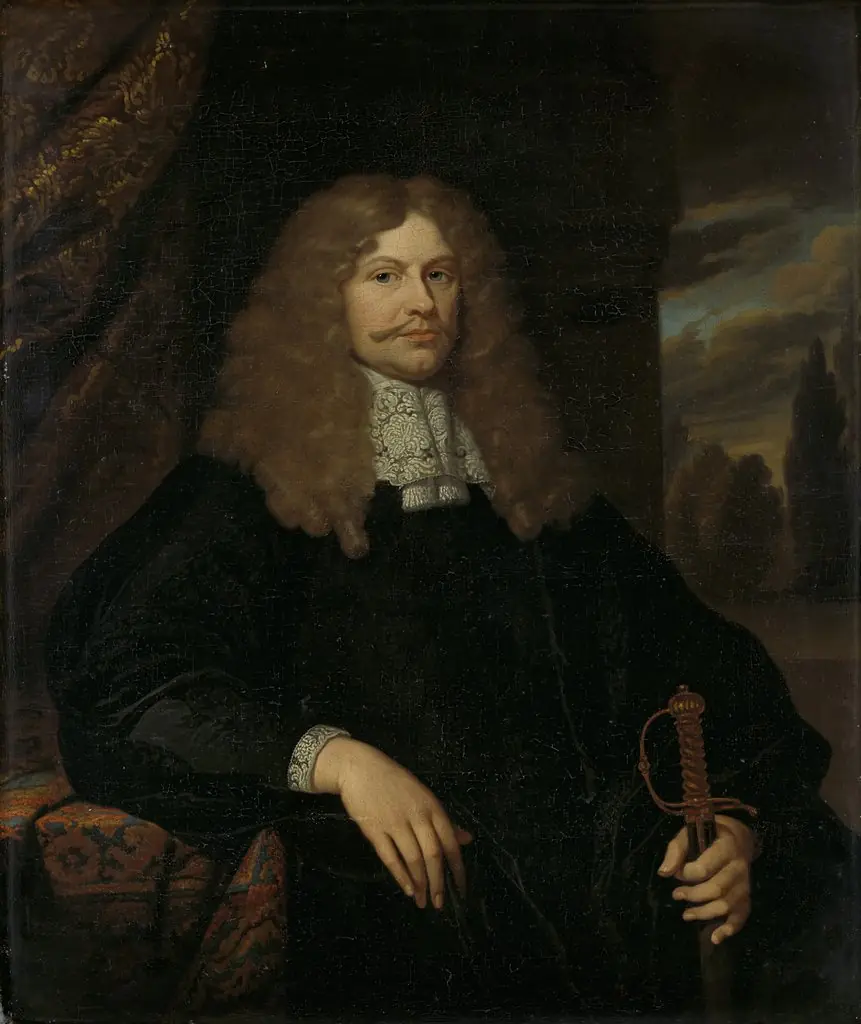 Portrait of Cornelis Backer (1633-81), councillor, alderman, and colonel of the Amsterdam militia
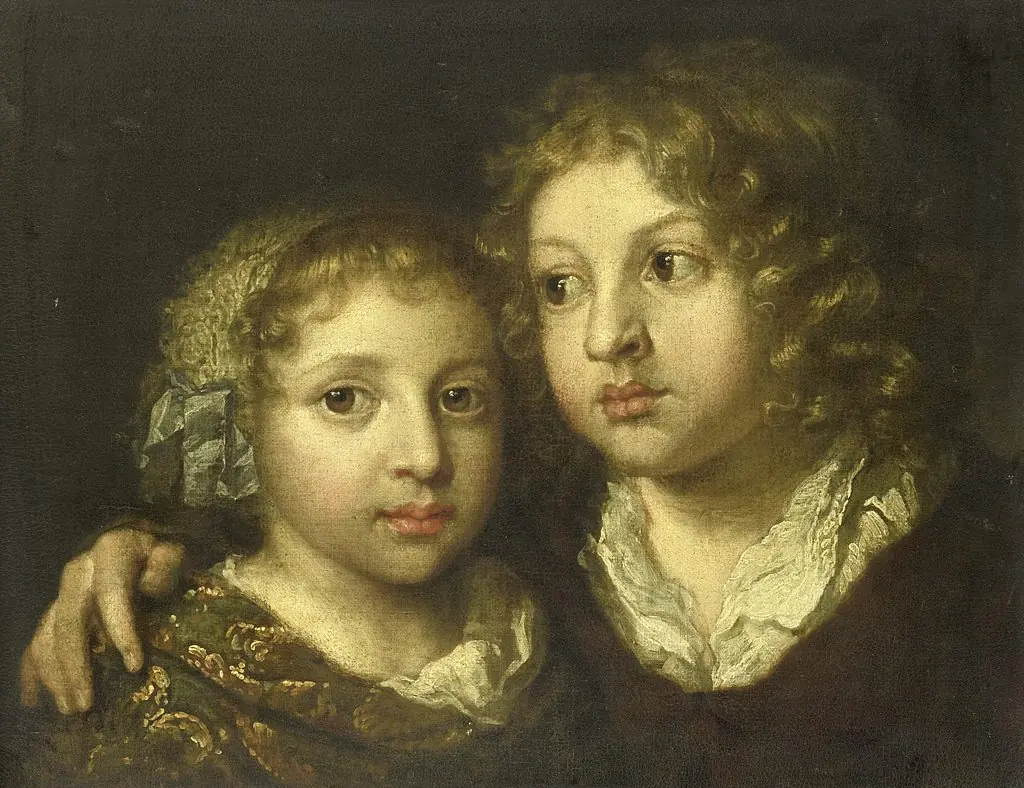 A daughter and a son (Constantijn?) of the artist
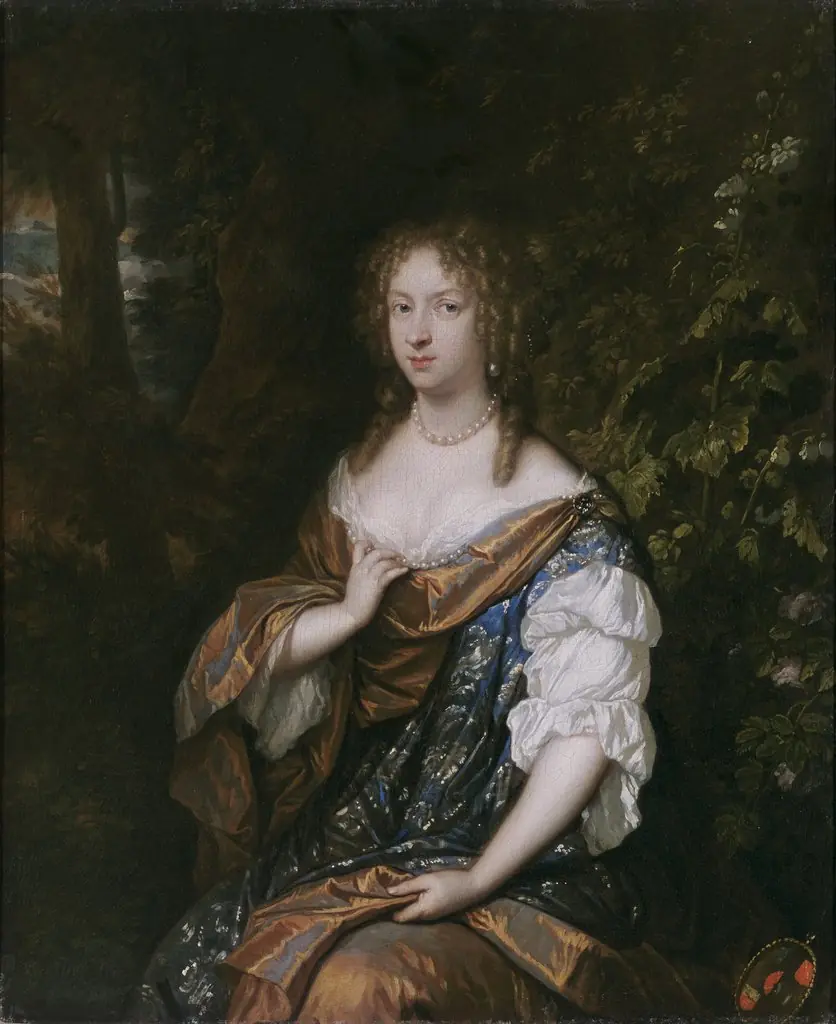 Alida de Lange, Wife of Johan Rammelman
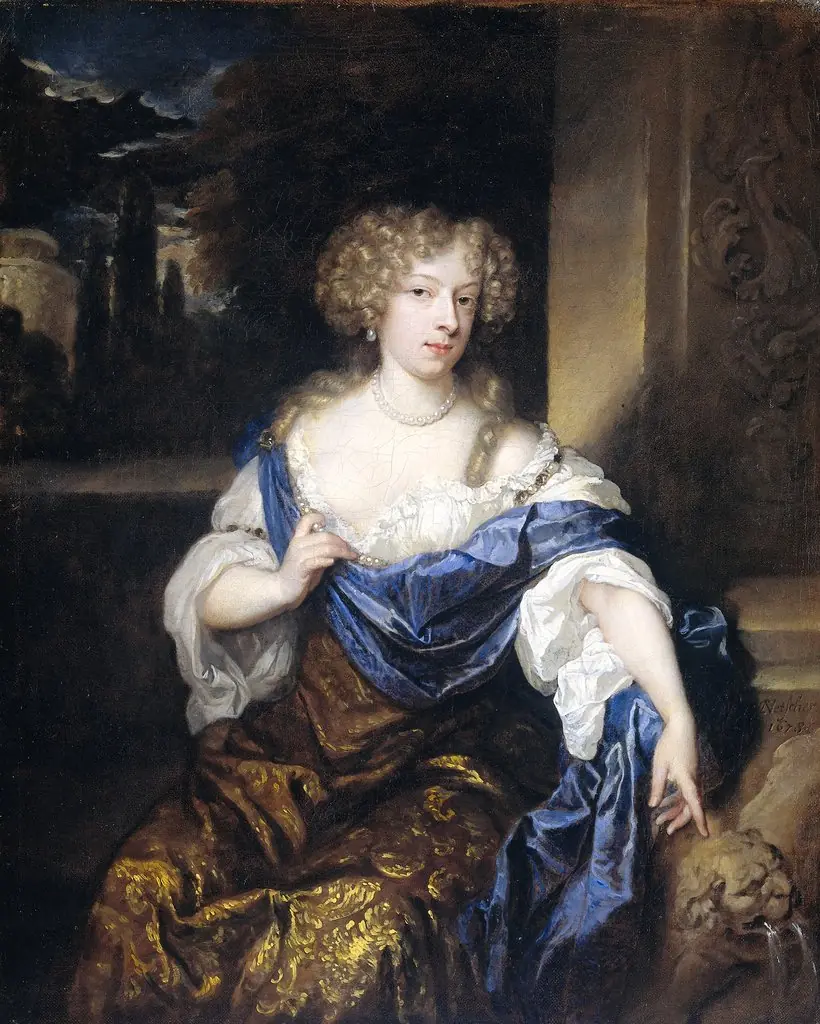 Portrait of Helena Catharina de Witte (1661-95), wife of Iman mogge, lord of Haamstede
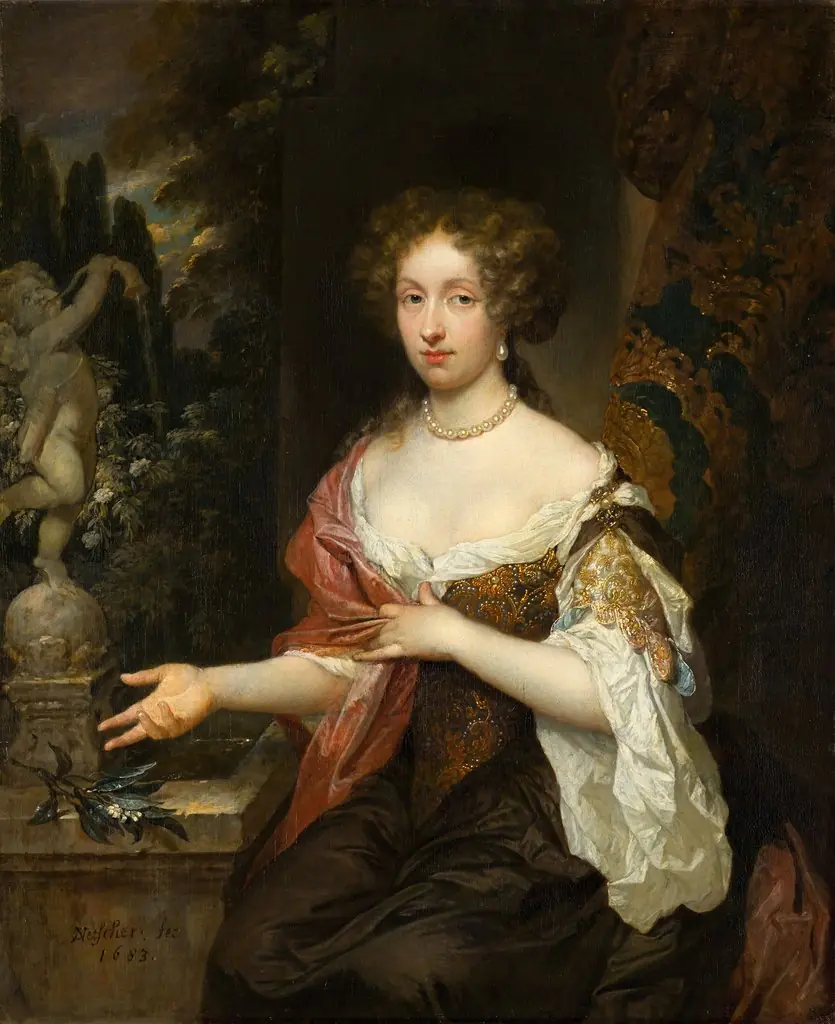 Portrait of Maria Timmers (1658-1753)
 Portrait of a Lady
 Portræt af en kvinde som Flora
 Portrait of Louise de Keroualle, Duchess of Portsmouth
 Mary, Lady Van Dyck
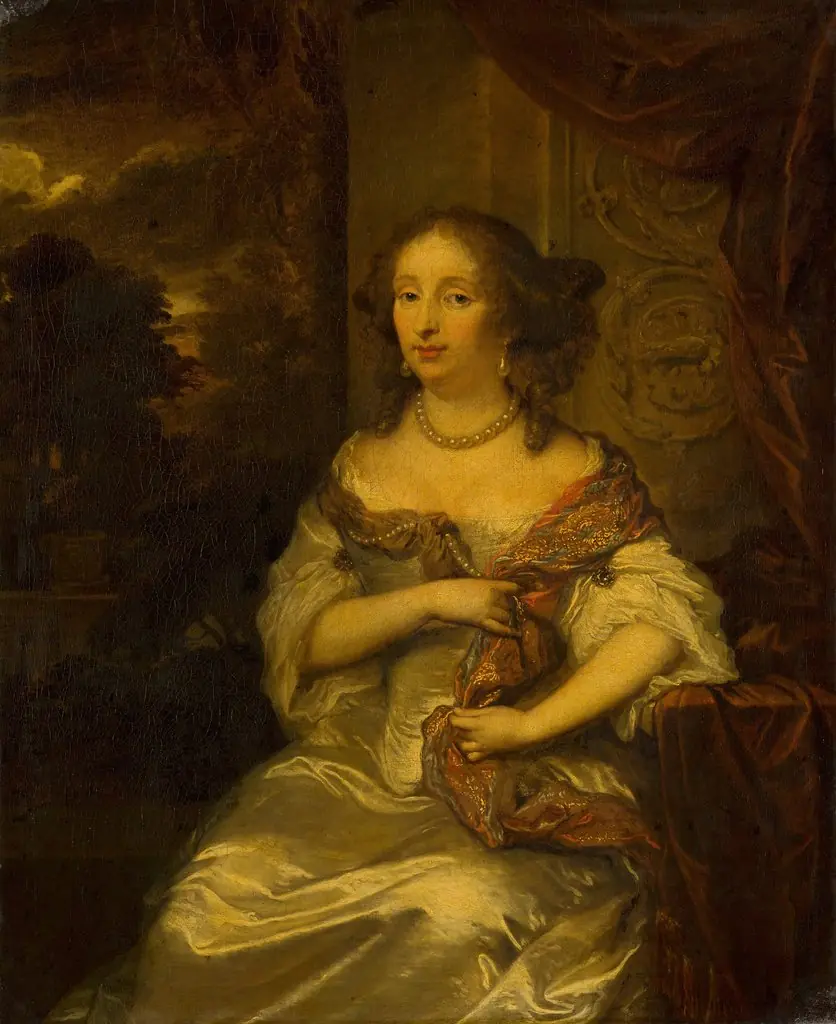 Portrait of Elisabeth van Bebber (1643-1704)
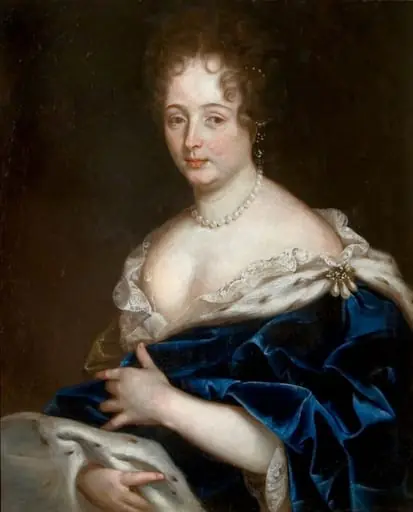 Portretul Marchizei de Crequi
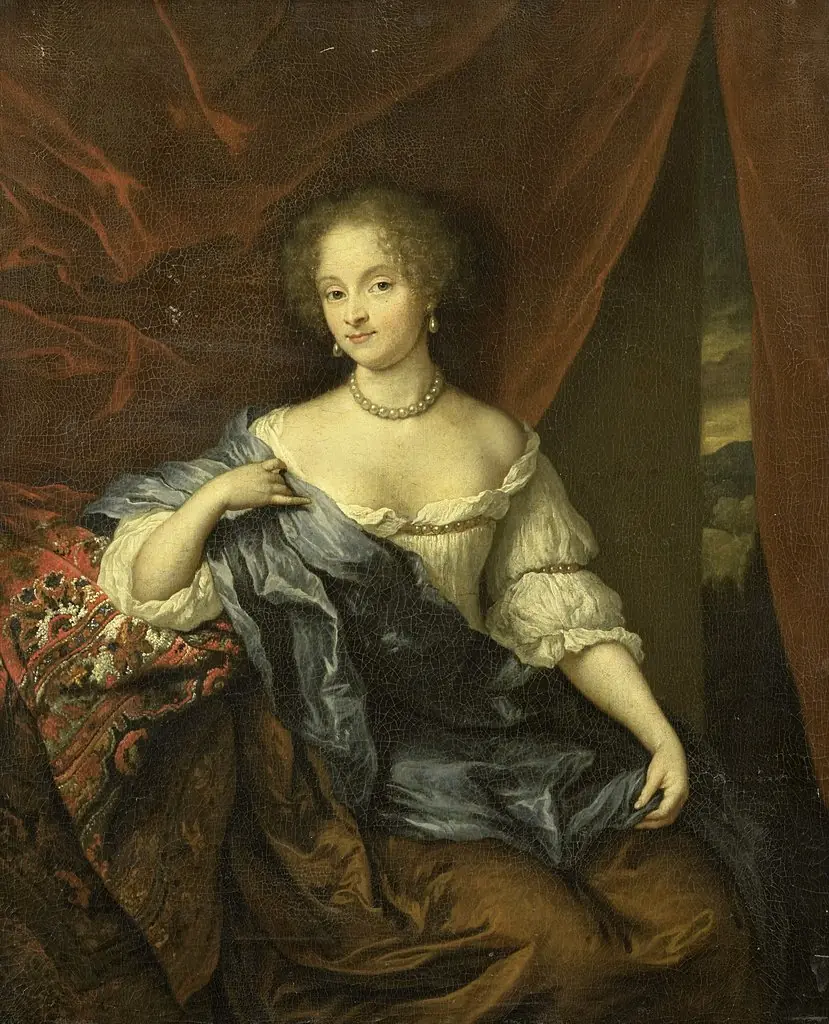 Portrait of a woman, possibly a member of the van Citters family
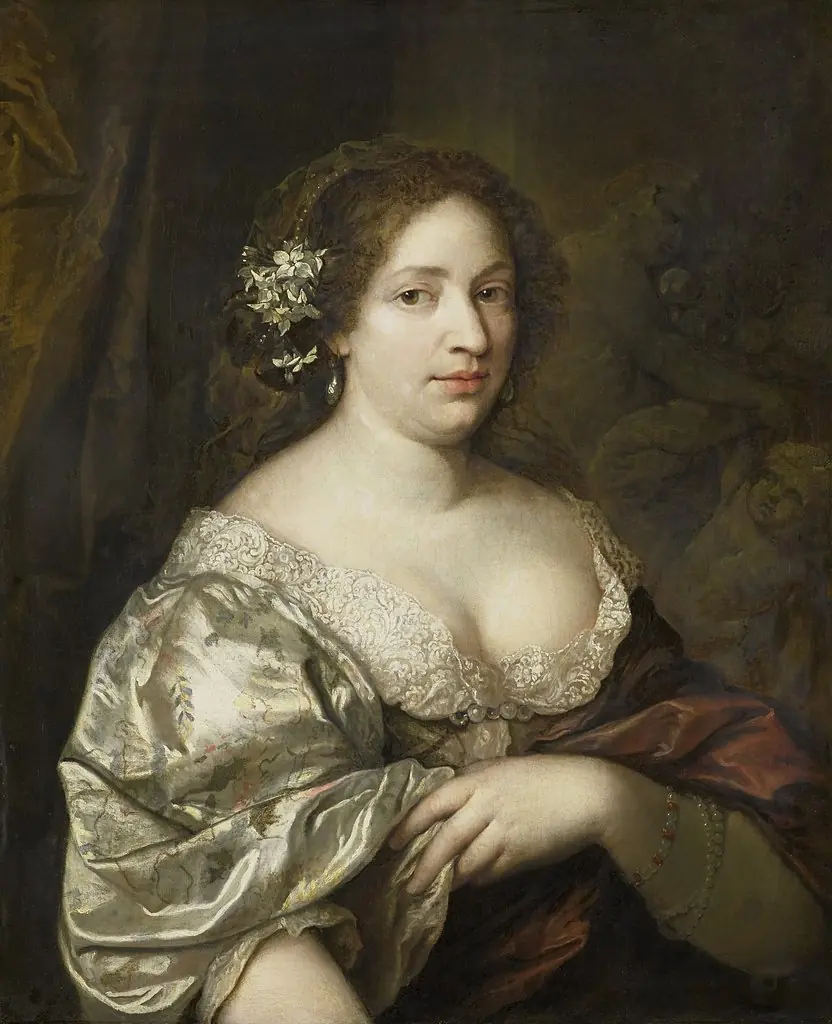 Portrait of Margaretha Godin (d. 1694), wife of the artist