Artwork
Portretul Marchizei de Crequi
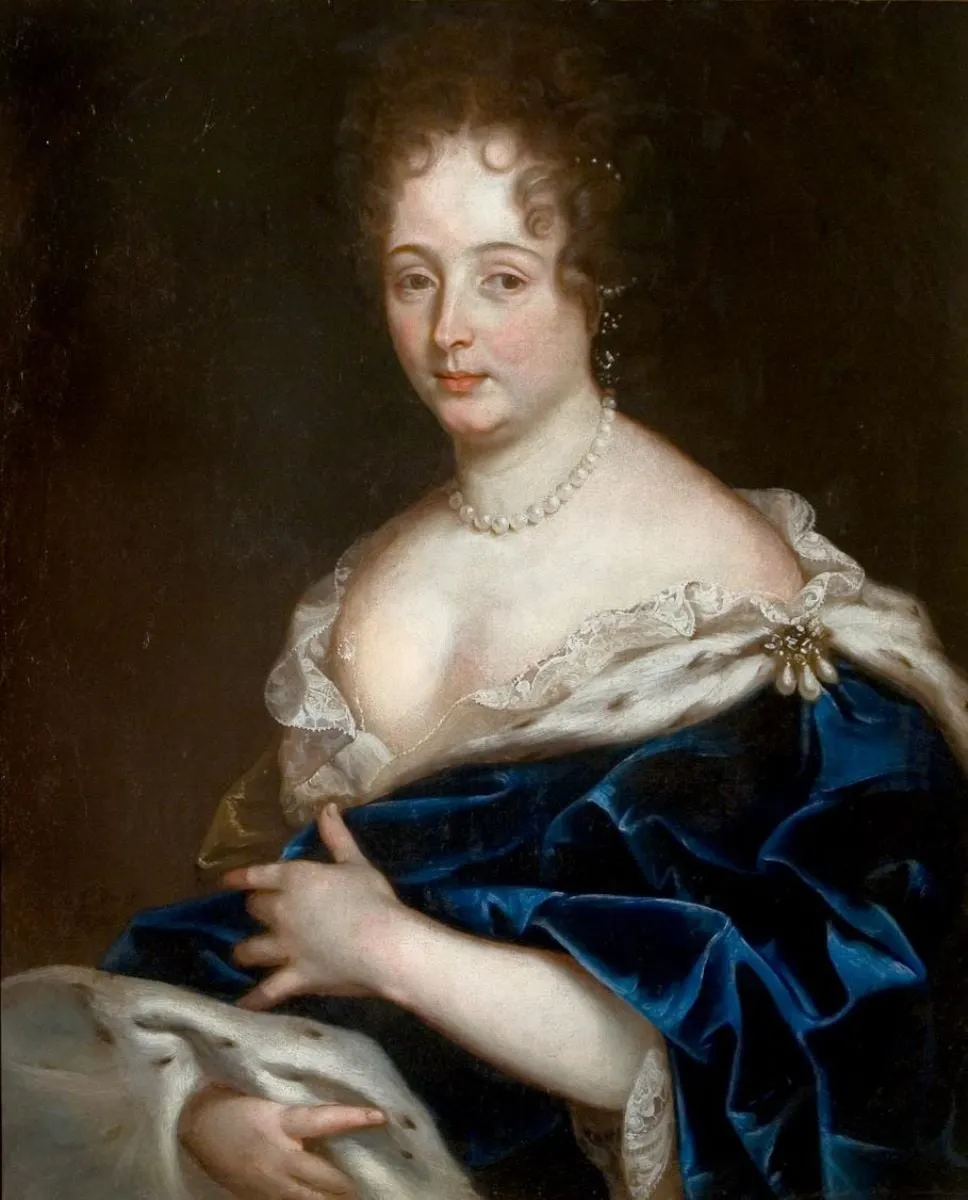
Portretul Marchizei de Crequi is an unspecified painting by the Baroque artist Joachim Liquevet. It dates from 1673 and is held in the collection of the National Museum of Art of Romania.
About this work
Overview
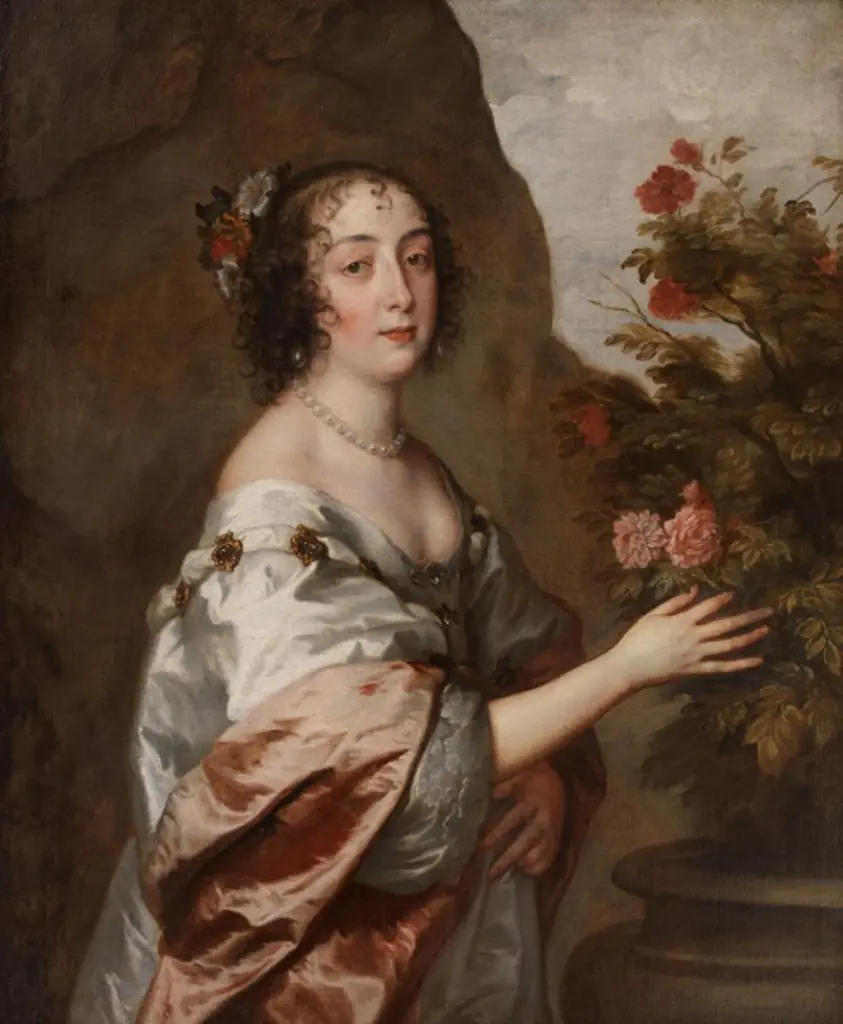
Painted in 1673 by Joachim Liquevet, this portrait captures the Marchioness de Crequi in a moment of quiet composure.
Painted in 1673 by Joachim Liquevet, this portrait captures the Marchioness de Crequi in a moment of quiet composure. The work belongs to the late 17th-century French portraiture tradition, where aristocratic identity was conveyed through dress, gesture, and subtle detail rather than dramatic expression. The subject’s poised stance and refined accessories reflect the social expectations of noblewomen at court.
Subject & Meaning
The Marchioness de Crequi is depicted with a white cloth held gently in her hands, a gesture that may suggest modesty, domestic grace, or ritual purity. Her attire—blue silk with delicate white lace and pearl jewelry—signals her elevated status and adherence to fashionable norms. The absence of overt symbolism or narrative context directs focus to her presence as a figure of social distinction, emblematic of aristocratic ideals of the era.
Technique & Style
Liquevet employs soft brushwork to render the textures of silk, lace, and pearls with quiet precision. The blue dress is rendered in layered tones, creating depth without harsh contrasts, while the lace is delicately suggested rather than meticulously detailed. Lighting is even and diffused, avoiding the theatricality of Italian Baroque, aligning instead with the restrained elegance characteristic of French court painting of the period.
History & Provenance
The portrait was commissioned during the reign of Louis XIV, likely as part of a broader effort to document the nobility surrounding the French court. Its early provenance is tied to the Crequi family, though specific records of ownership after the 17th century are sparse. The painting entered institutional collections in the 19th century, where it was preserved as an example of aristocratic portraiture from the Ancien Régime.
Context
In the 1670s, French aristocratic portraiture emphasized dignity over individuality, favoring formal composition and luxurious materials to affirm lineage and status. Unlike the emotional intensity of Baroque painting in Italy or Spain, French artists like Liquevet cultivated a calm, controlled aesthetic suited to courtly decorum. This portrait reflects the influence of the royal academy’s standards, which prioritized refinement and social conformity.
Legacy
Though Liquevet is not widely known today, this portrait remains a representative example of mid-to-late 17th-century French noble portraiture. It contributes to scholarly understanding of how aristocratic identity was visually constructed outside the influence of major court painters like Rigaud. The work is studied for its subtle handling of texture and its reflection of gendered ideals in early modern France.
Artist & collection
Artist
Joachim Liquevet painted portraits in the 17th century, a time when European courts loved stiff-backed likenesses that doubled as status symbols.

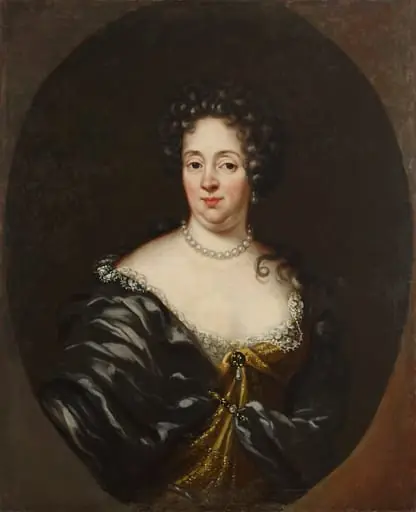 Jennings-suvun jäsen
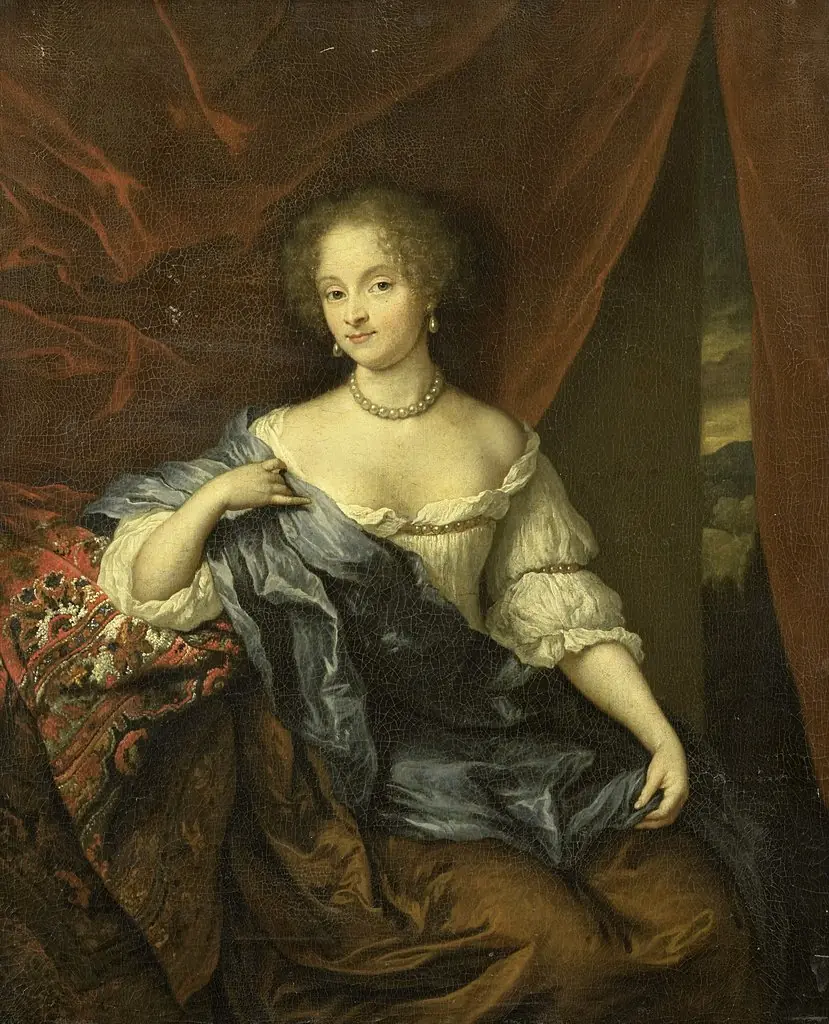 Portrait of a woman, possibly a member of the van Citters family
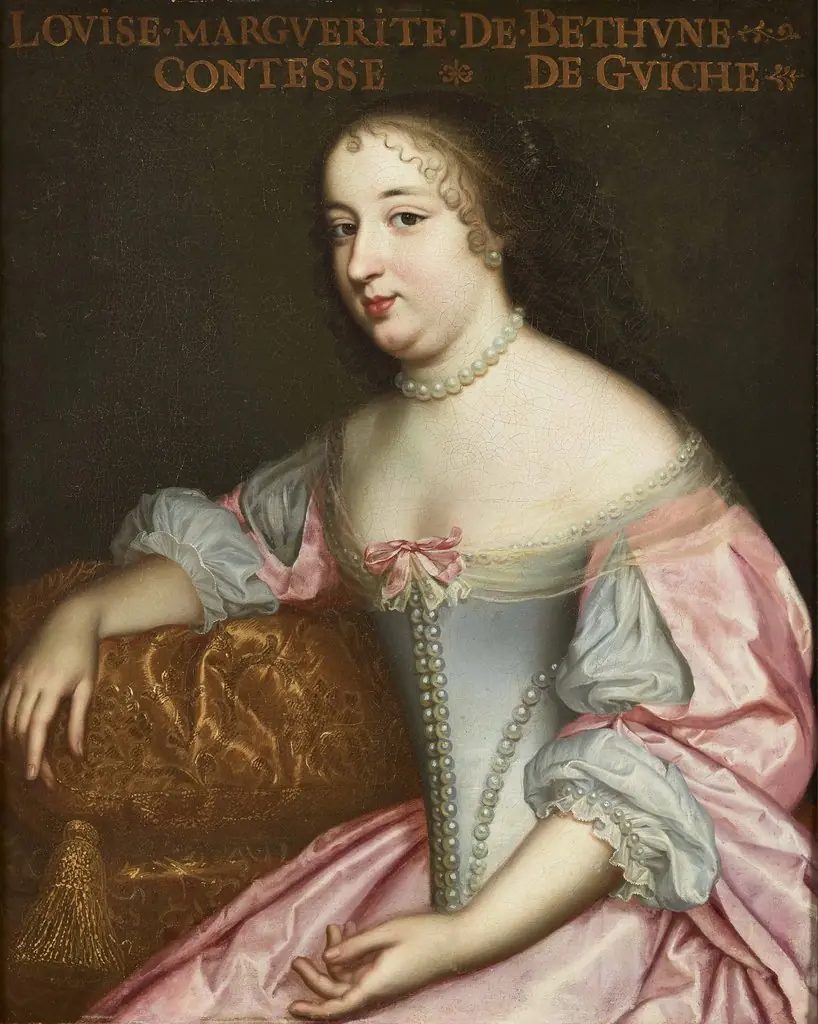 Portrait of Marguerite-Louise-Suzanne de Bethune Sully, Duchess of Lude
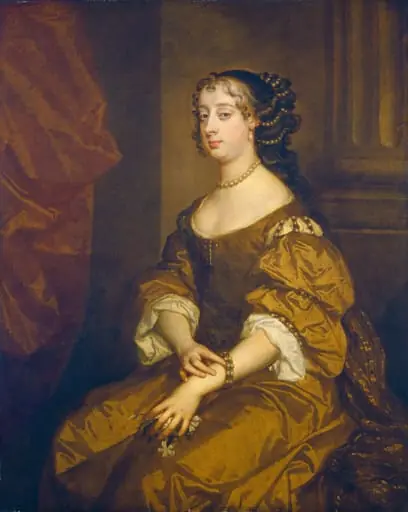 Barbara Villiers, Duchess of Cleveland
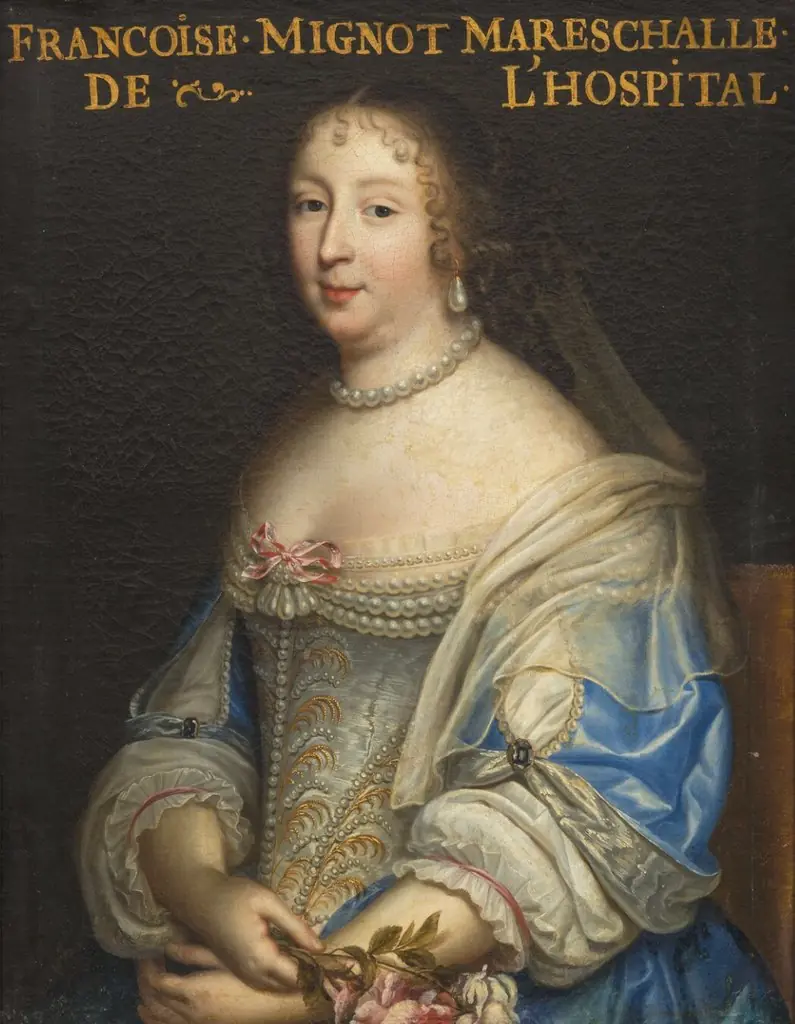 Françoise-Marie Mignot, maréchale de l'Hôpital (1624-1711)
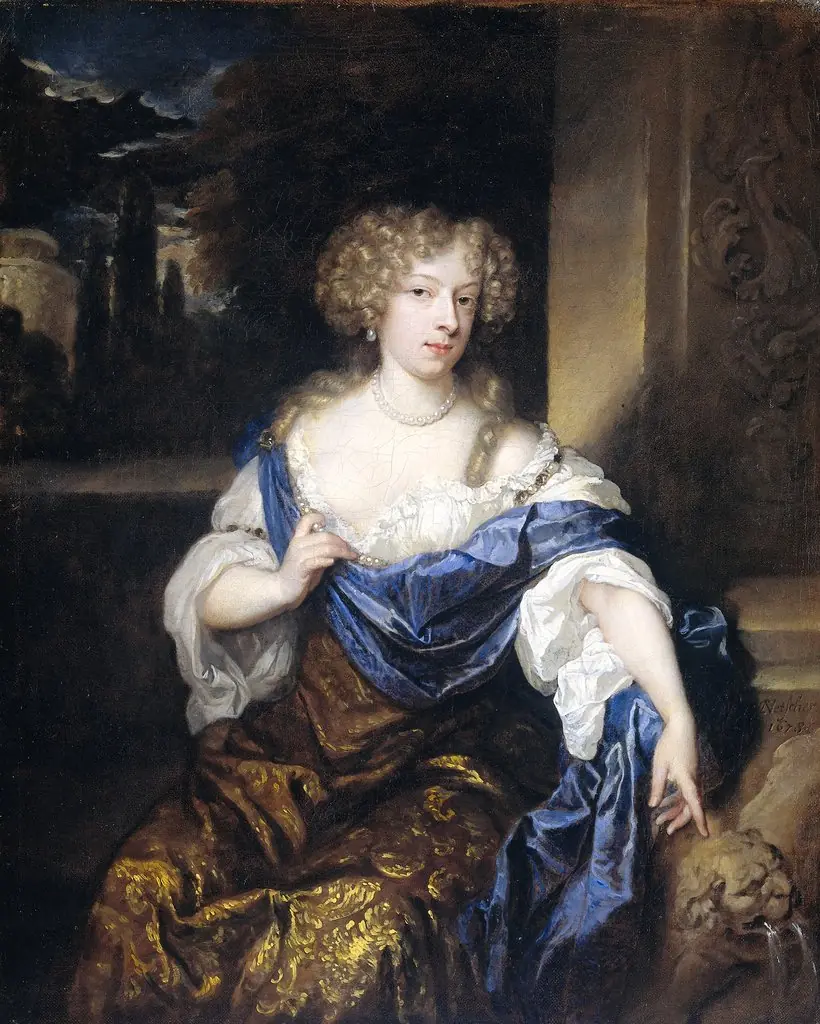 Portrait of Helena Catharina de Witte (1661-95), wife of Iman mogge, lord of Haamstede
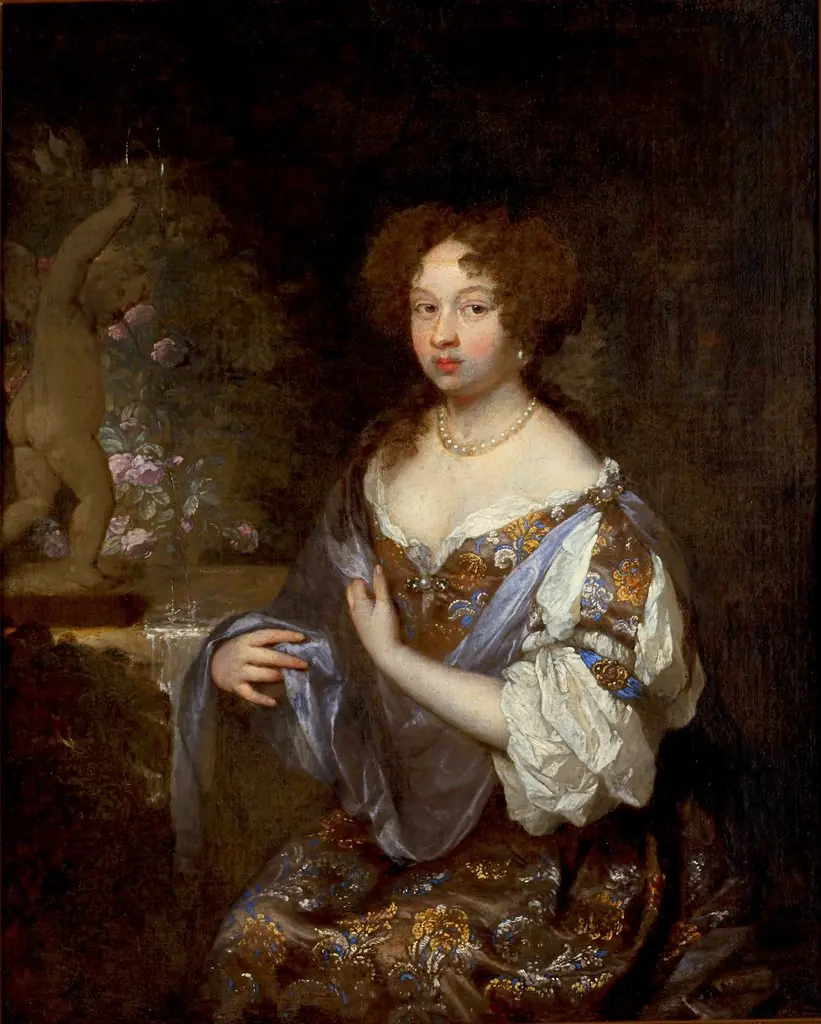 Portrait of a Lady
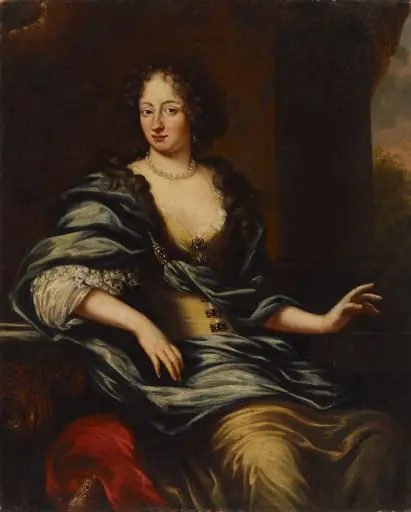 Kuningatar Ulrika Eleonora vanhempi
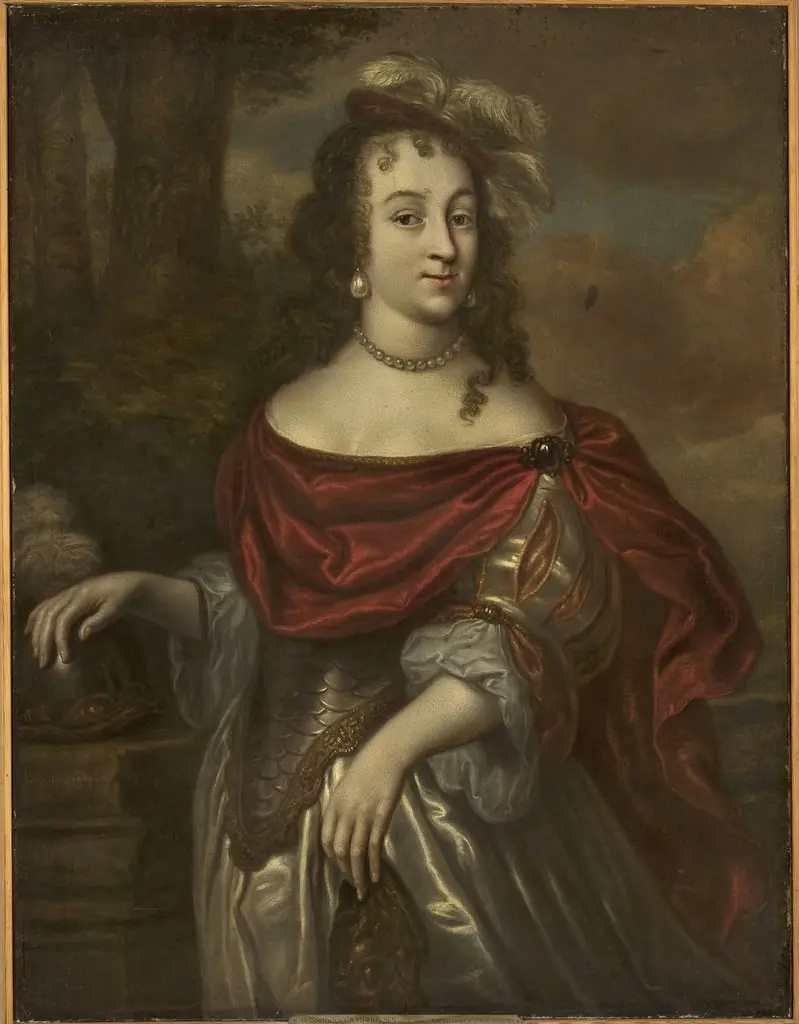 Portrait of a woman in Minerva’s costume
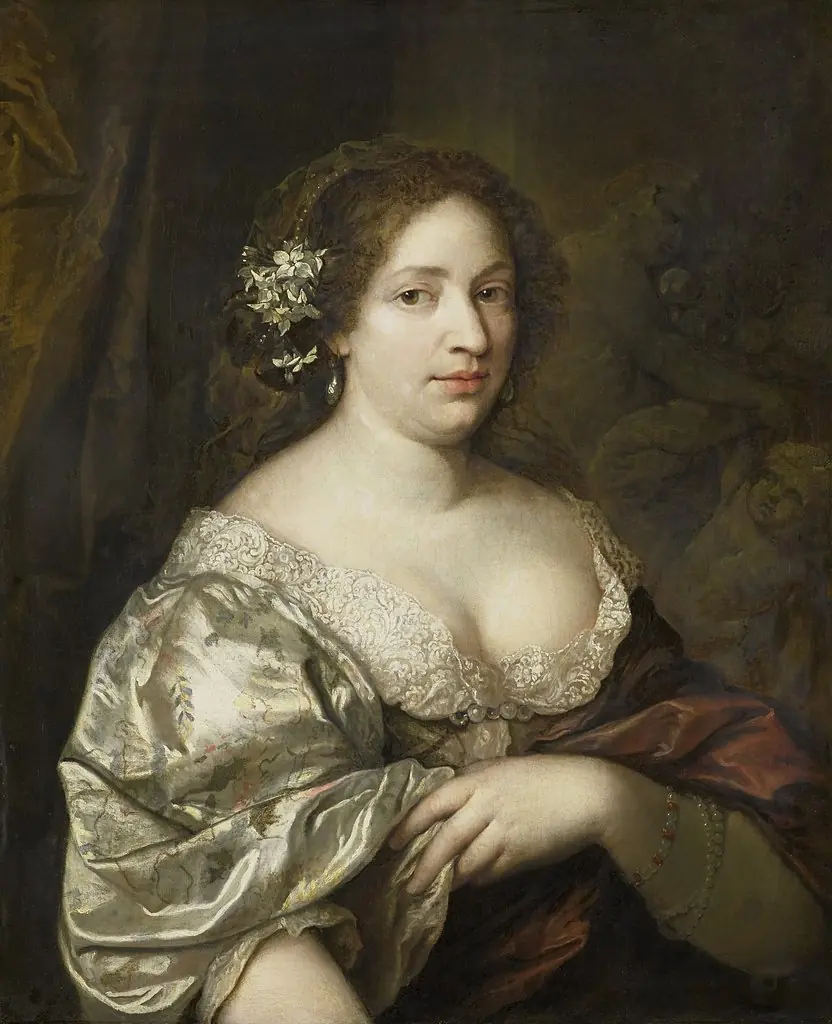 Portrait of Margaretha Godin (d. 1694), wife of the artist
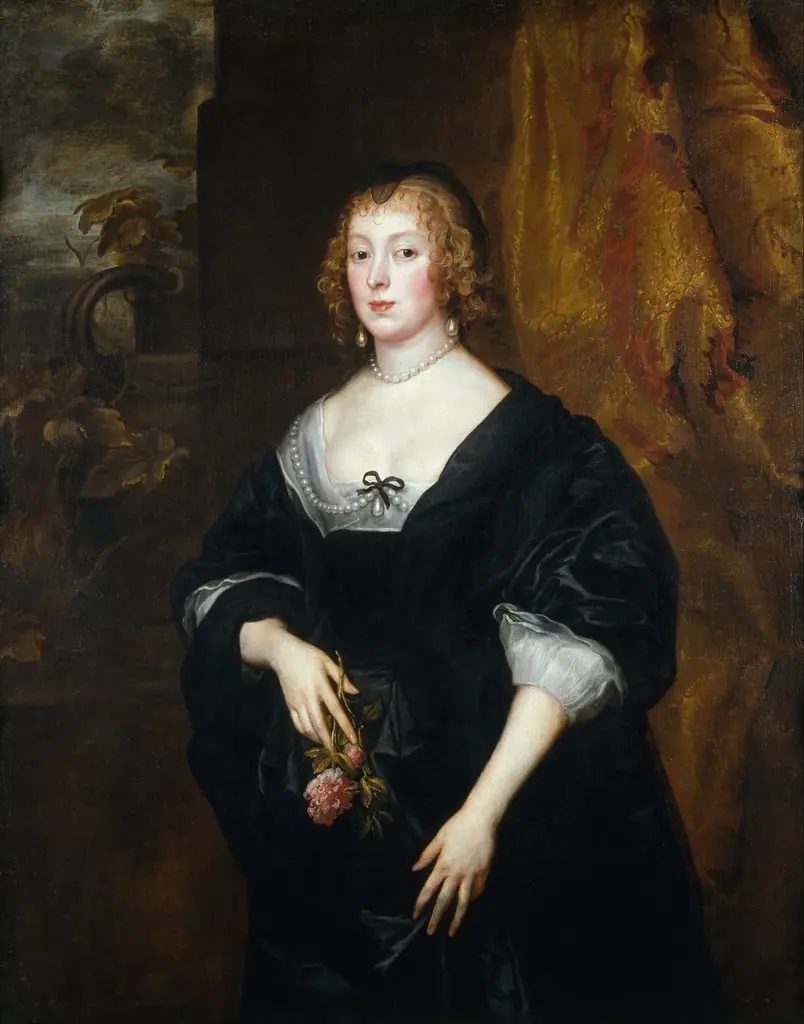 Lady Dacre
 Portræt af en kvinde som Flora