Artwork
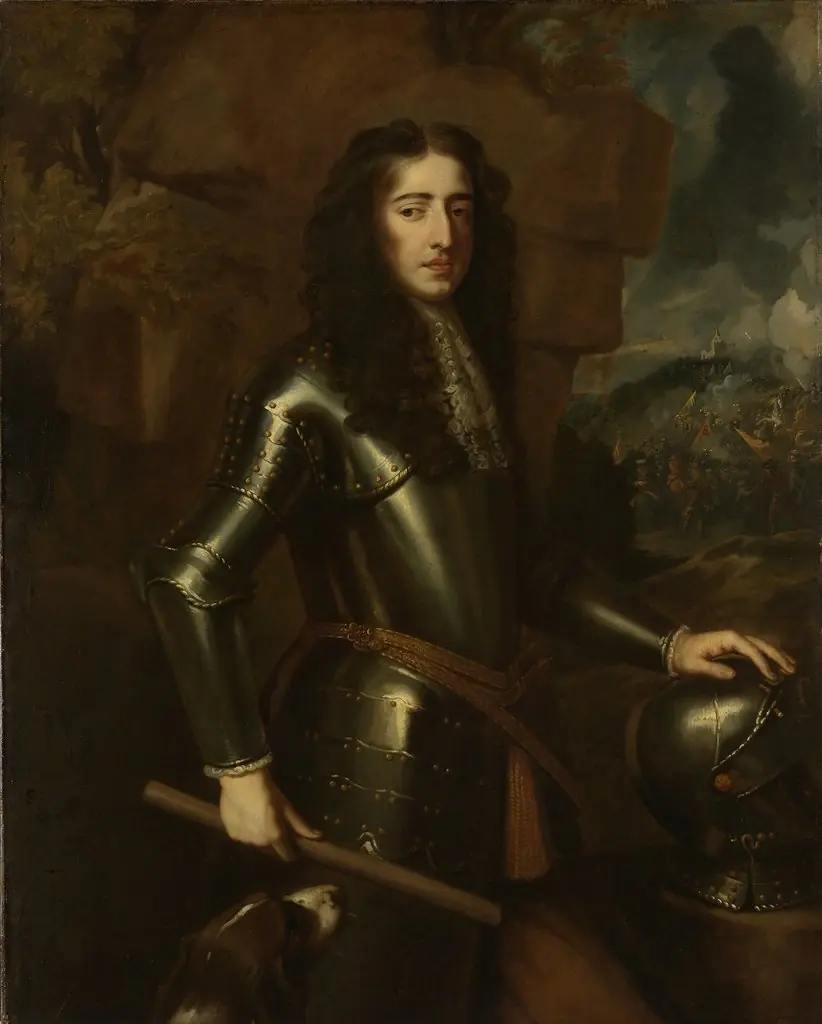
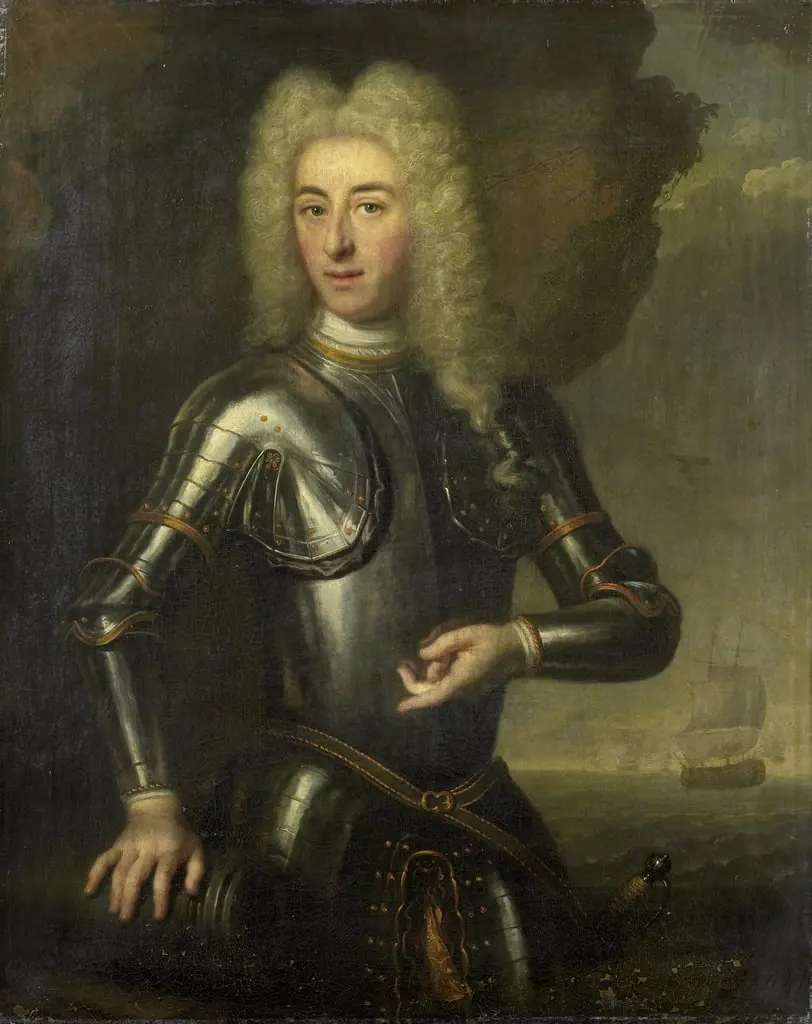
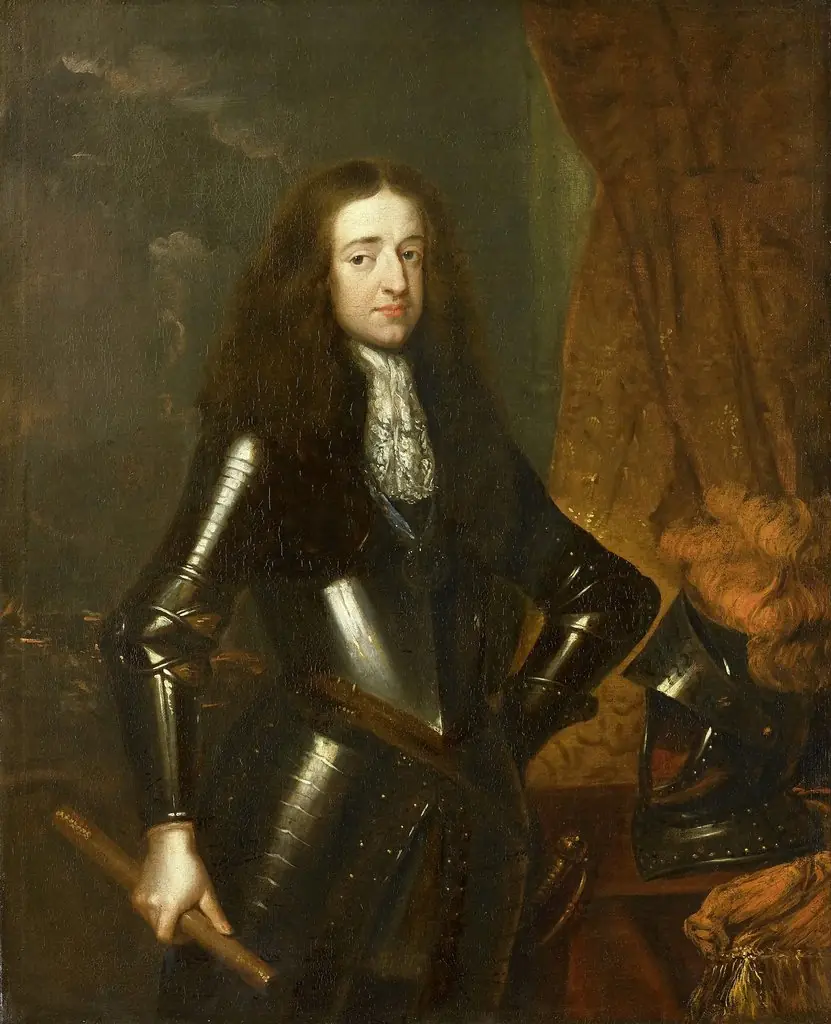
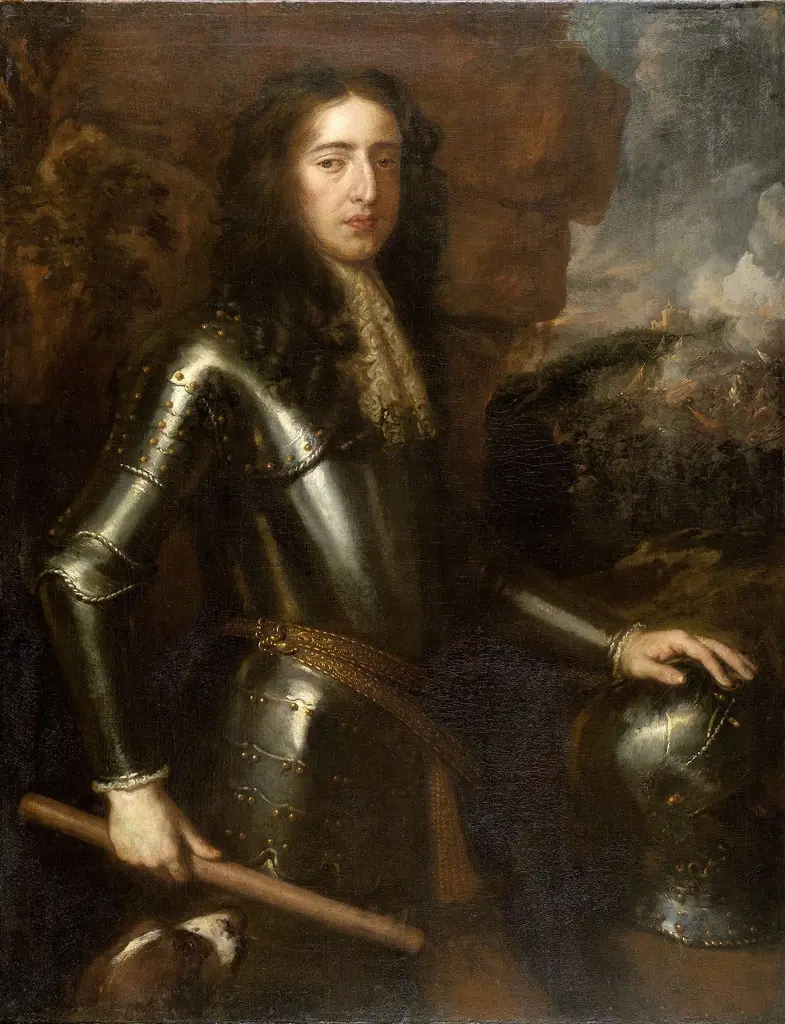
Portrait of Menno van Coehoorn (1641-1704), general in the artillery and fortifications engineer
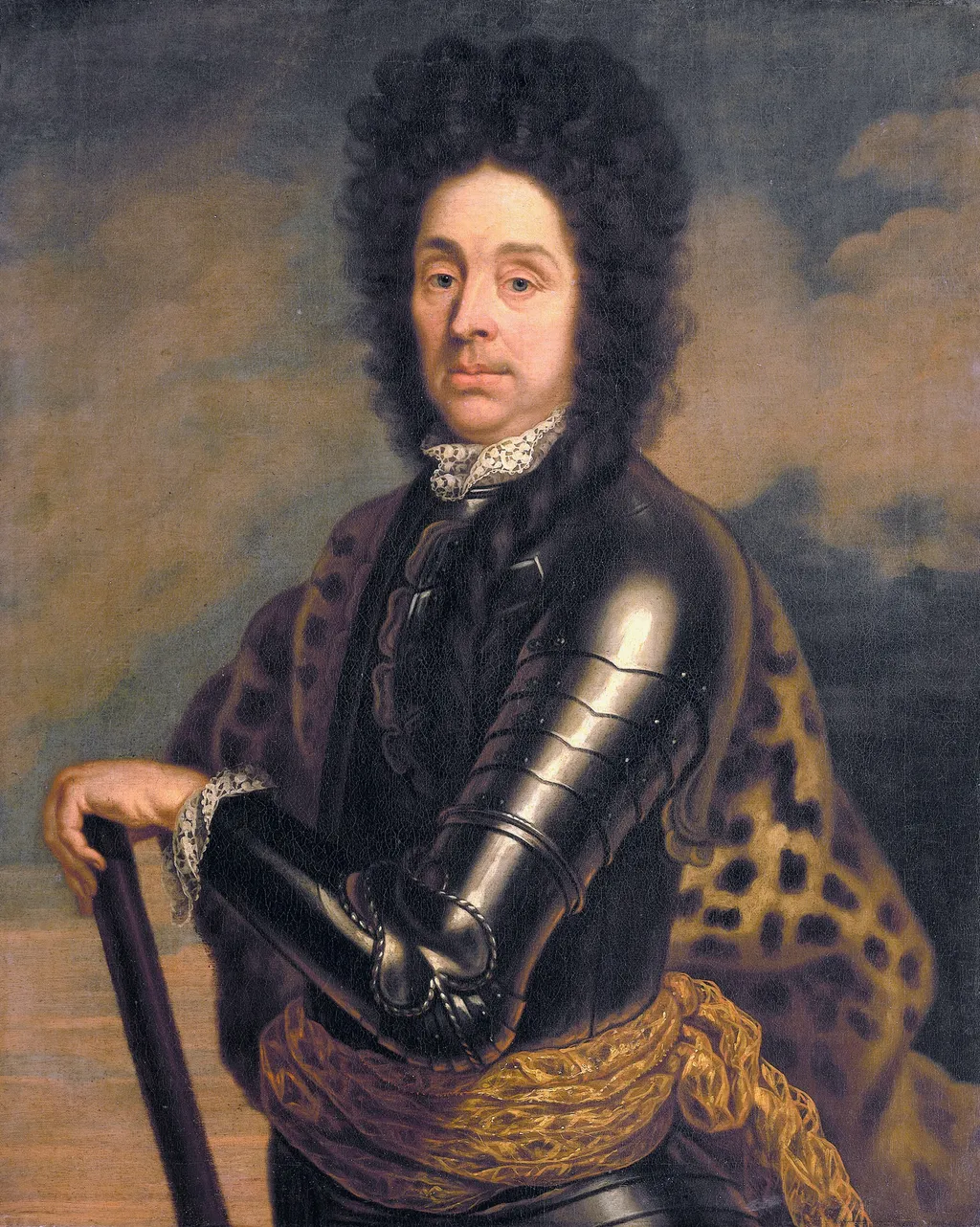
Portrait of Menno van Coehoorn (1641-1704), general in the artillery and fortifications engineer is an oil painting by the Rococo painting artist Caspar Netscher. It is held in the collection of the Rijksmuseum. Created in 1700, this oil portrait presents Menno van Coehoorn, the Dutch artillery general and engineer of fortifications.
About this work
Overview
Created in 1700, this oil portrait presents Menno van Coehoorn, the Dutch artillery general and engineer of fortifications. Executed by Caspar Netscher, the work is part of the Rijksmuseum’s collection and exemplifies early‑18th‑century Dutch portraiture.
Subject & Meaning
The sitter is shown with dark, curly hair, dressed in a black suit trimmed with lace at the collar and cuffs, and clad in armor accented by a yellow sash. He holds a dark object in his right hand, a pose that conveys his military authority and engineering expertise.
Technique & Style
Netscher employs a restrained chiaroscuro, using light to model the figure against a muted backdrop of clouds and distant trees. The careful rendering of textures—from the sheen of metal to the softness of fabric—demonstrates the painter’s skill in balancing realism with a dignified compositional balance.
History & Provenance
The portrait has remained in the Netherlands since its completion, entering the Rijksmuseum’s holdings where it is displayed among other works of the period. Its attribution to Netscher has been consistently affirmed by museum records and scholarly catalogues.
Context
At the turn of the 18th century, Dutch portraiture often highlighted the professional status of its subjects. Van Coehoorn’s reputation as a leading military engineer, known for innovations in fortification design, is reflected in the formal attire and the inclusion of military accoutrements.
Own this work as a print
Artist & collection

Artist
Caspar Netscher was a Dutch painter. He was a master in depicting oriental rugs, silk and brocade and introduced an international style to the Northern Netherlands.

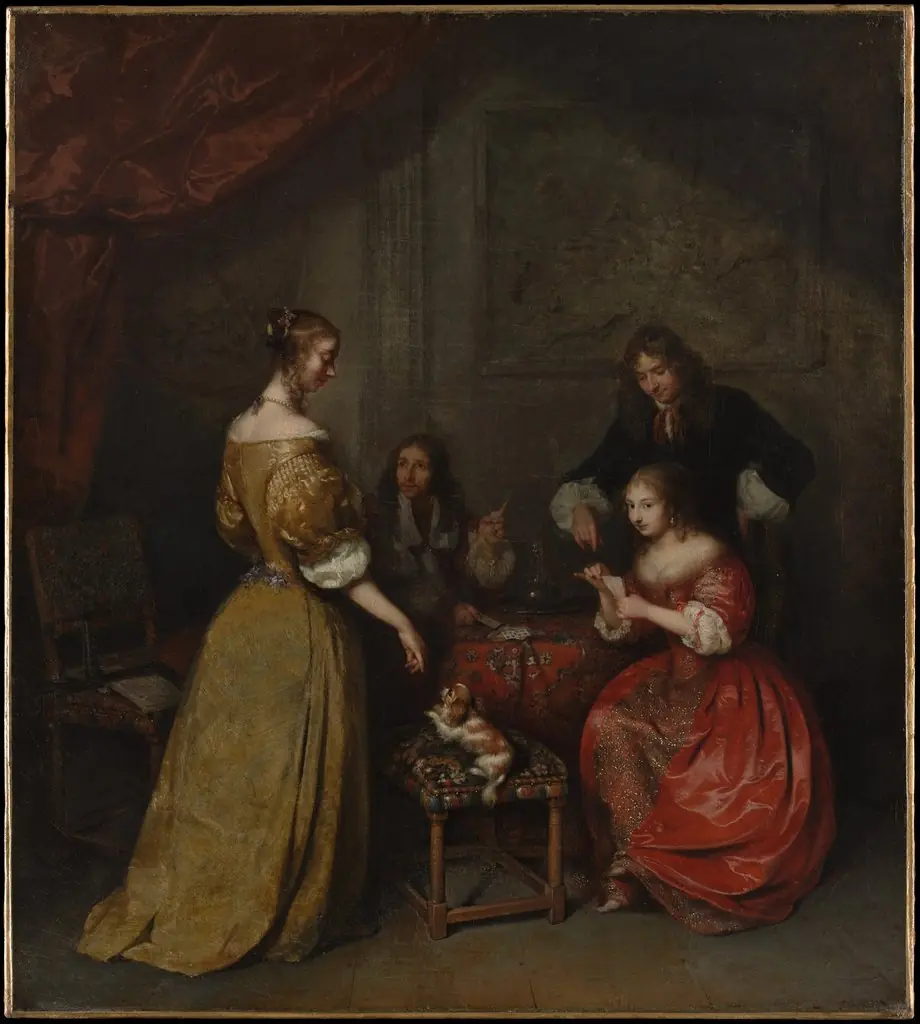 The Card Party
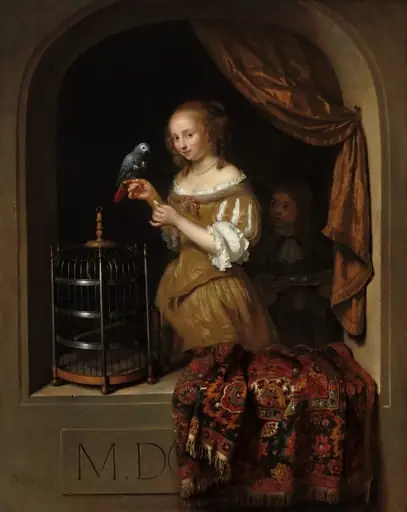 A Woman Feeding a Parrot, with a Page
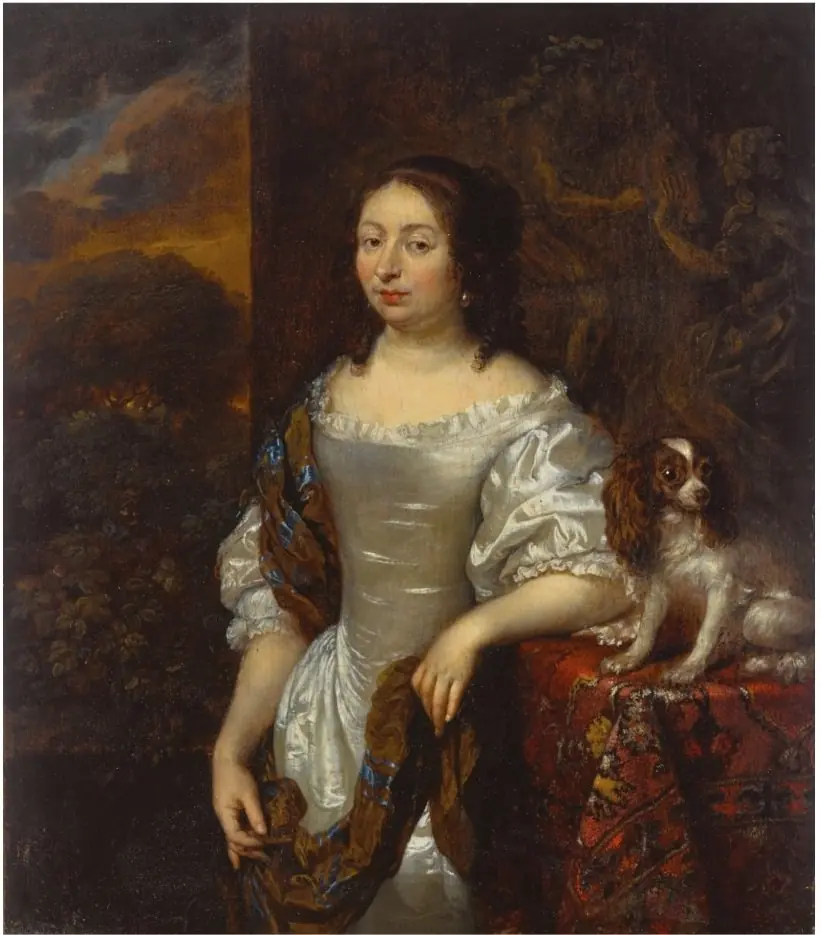 Portrait of a Lady with a Dog on a Table
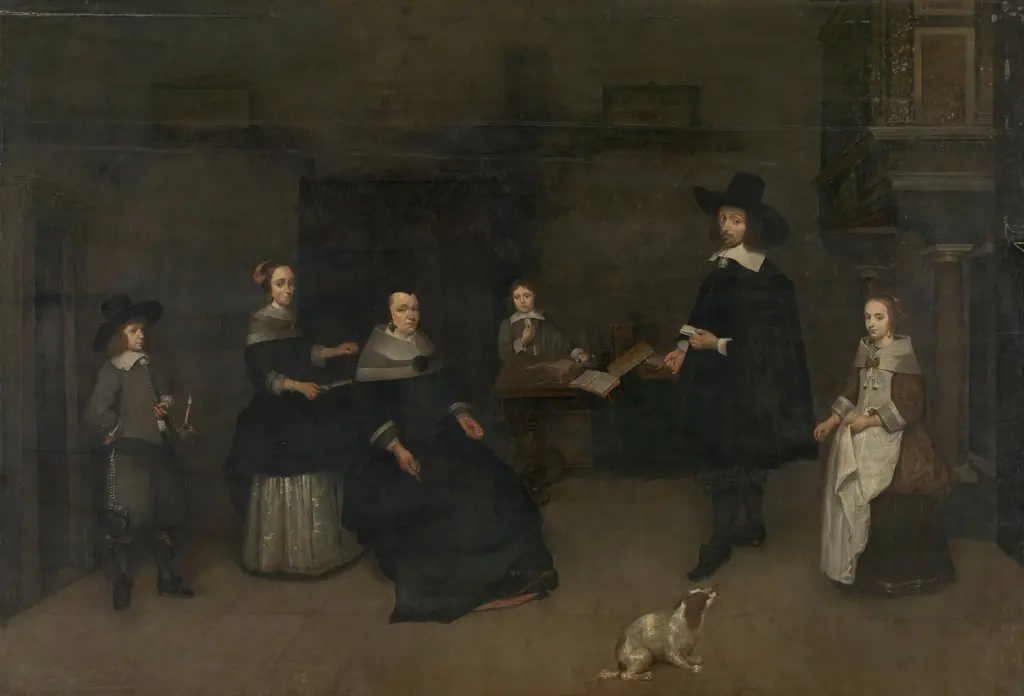 Family scene
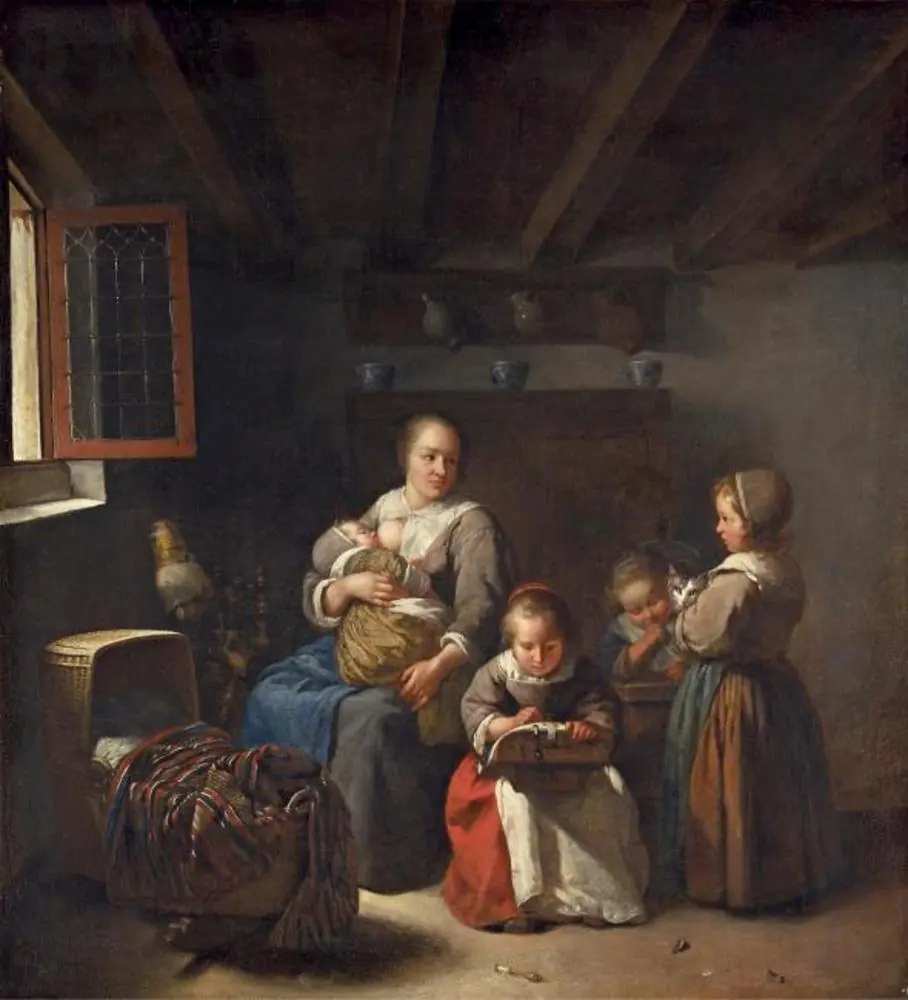 Nursing mother with three girls
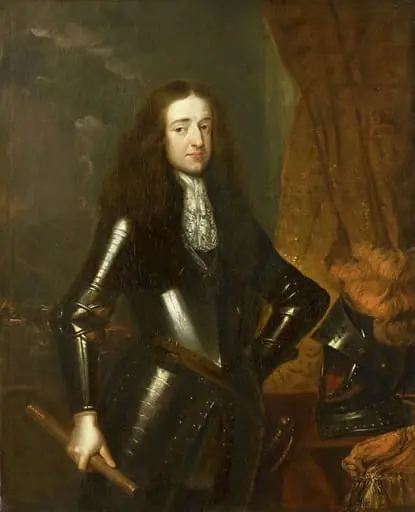 Portrait of Willem III (1650-1702), Prince of Orange and since 1689, King of England
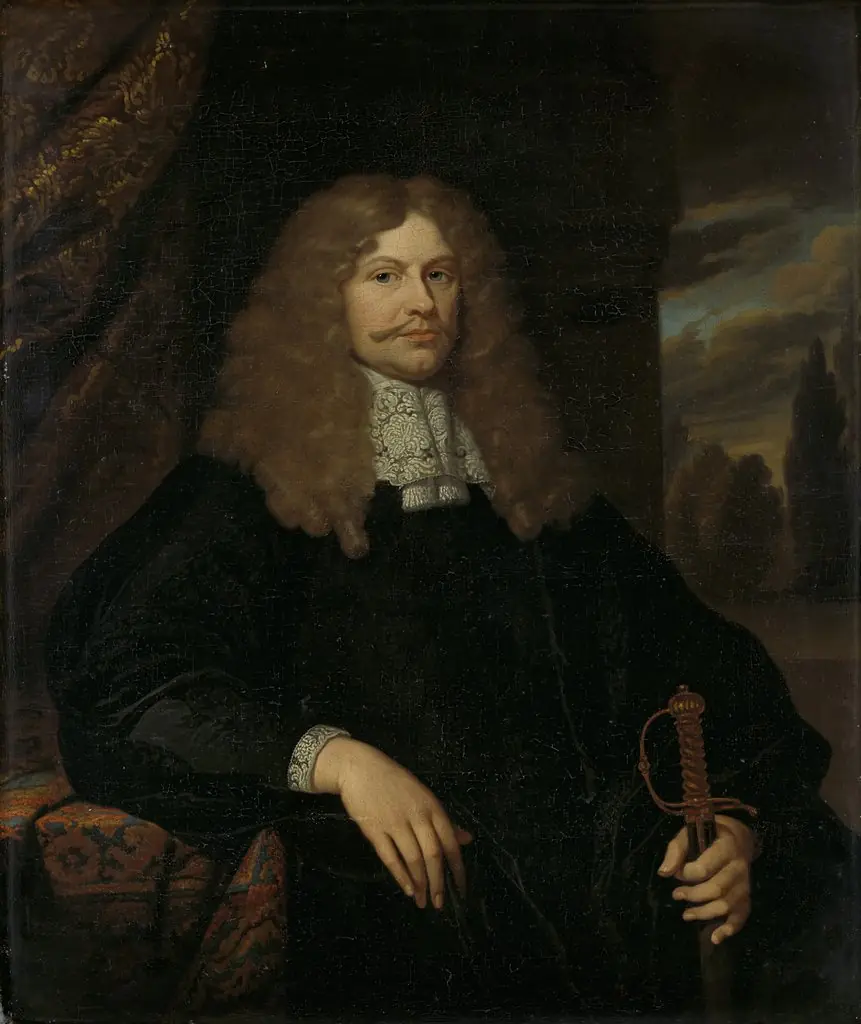 Portrait of Cornelis Backer (1633-81), councillor, alderman, and colonel of the Amsterdam militia
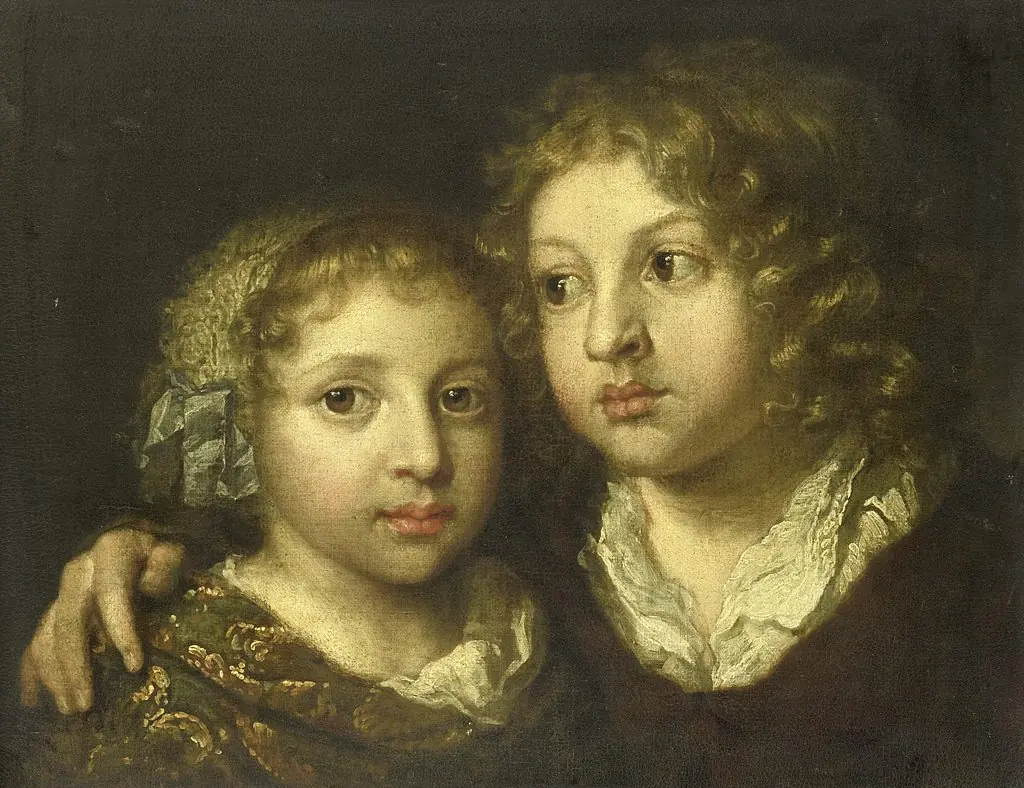 A daughter and a son (Constantijn?) of the artist