Artwork
Portrait of Willem III (1650-1702), Prince of Orange and since 1689, King of England
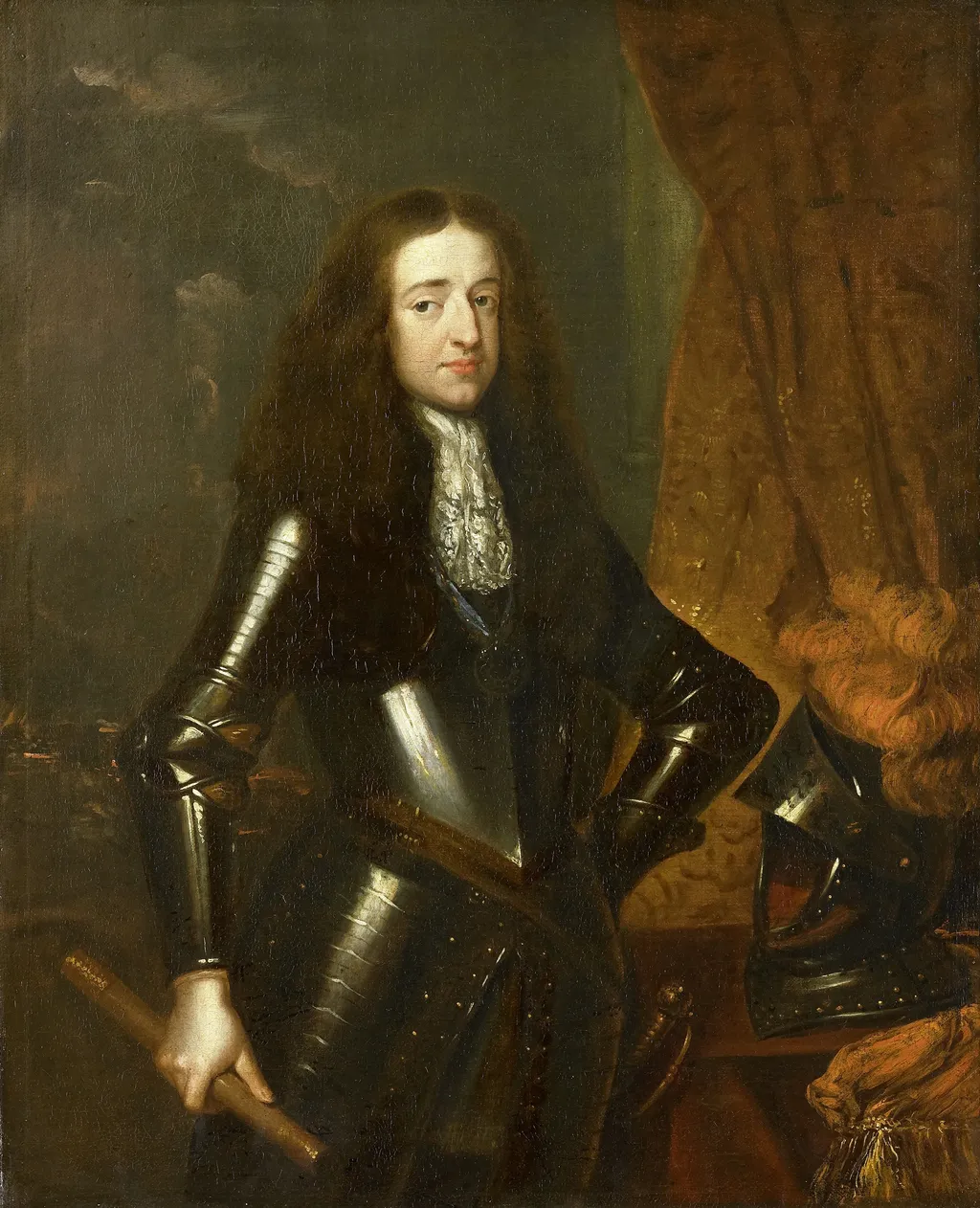
Portrait of Willem III (1650-1702), Prince of Orange and since 1689, King of England is an oil painting by the Dutch Golden Age artist Caspar Netscher. It is held in the collection of the Rijksmuseum.
About this work
Overview
Caspar Netscher’s 1689 oil portrait presents William III, Prince of Orange and later King of England. Executed in the late seventeenth century, the work resides in the Rijksmuseum’s collection. The composition centers the monarch in elaborate attire, emphasizing his status through costume and pose while employing a subdued background that directs the viewer’s focus to the figure.
Subject & Meaning
The sitter is William III (1650‑1702), depicted at the moment of his accession to the English throne. Dressed in a dark coat trimmed with lace and a gleaming breastplate, he embodies the martial and regal qualities associated with his rule. The solemn expression and hand placed on a sword hilt convey authority and readiness for leadership.
Technique & Style
Netscher utilizes chiaroscuro, contrasting deep shadows with illuminated areas to model the face and armor. The dark background recedes, allowing the intricate folds of the coat and the metallic sheen of the breastplate to stand out. Fine brushwork renders textures such as lace and steel, while the overall palette remains restrained, typical of Dutch portraiture of the period.
History & Provenance
Painted shortly after William III’s coronation, the portrait entered the Dutch national collection and is now displayed at the Rijksmuseum in Amsterdam. Its attribution to Netscher has been affirmed through stylistic analysis and archival records linking the artist to the royal court in the late 1680s.
Own this work as a print
Artist & collection

Artist
Caspar Netscher was a Dutch painter. He was a master in depicting oriental rugs, silk and brocade and introduced an international style to the Northern Netherlands.

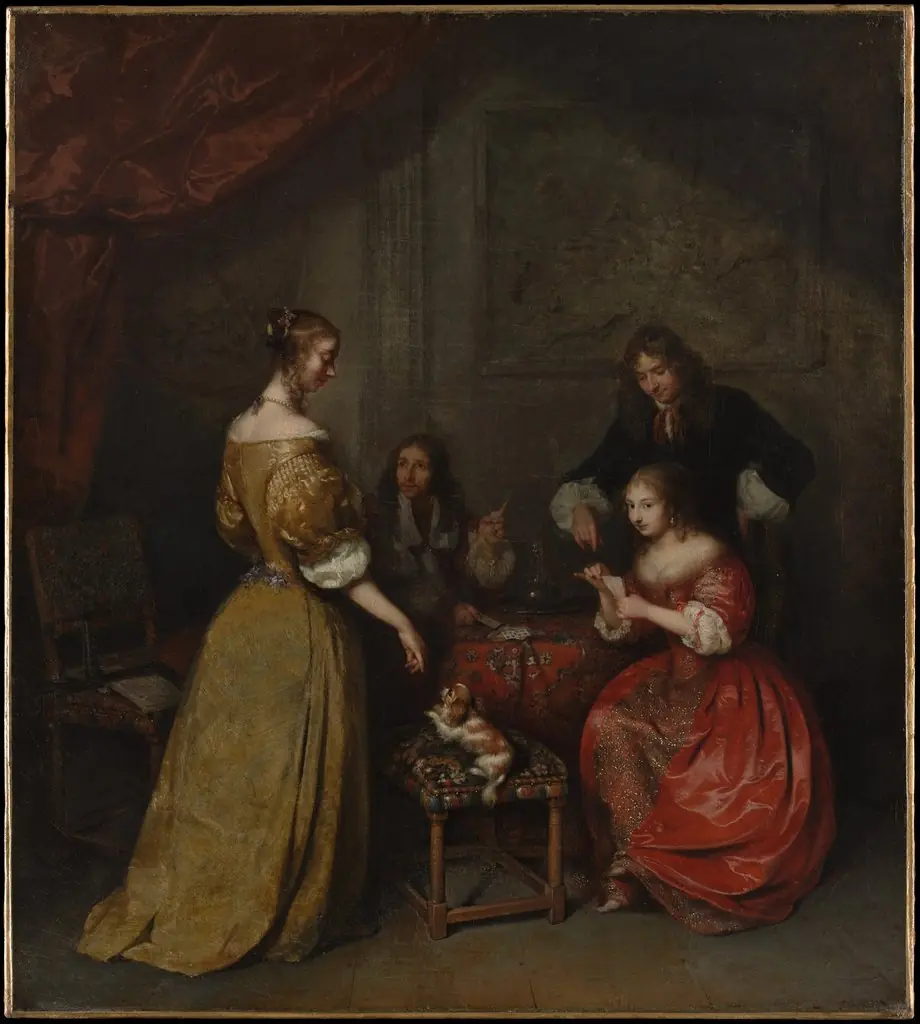 The Card Party
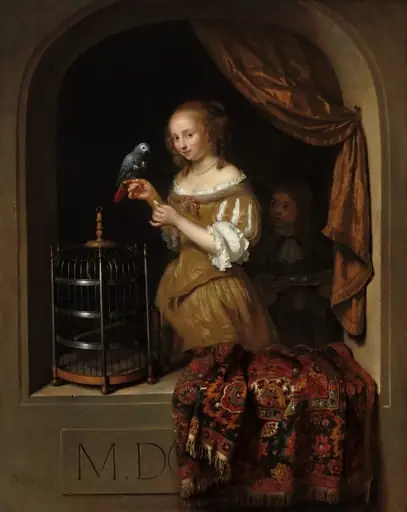 A Woman Feeding a Parrot, with a Page
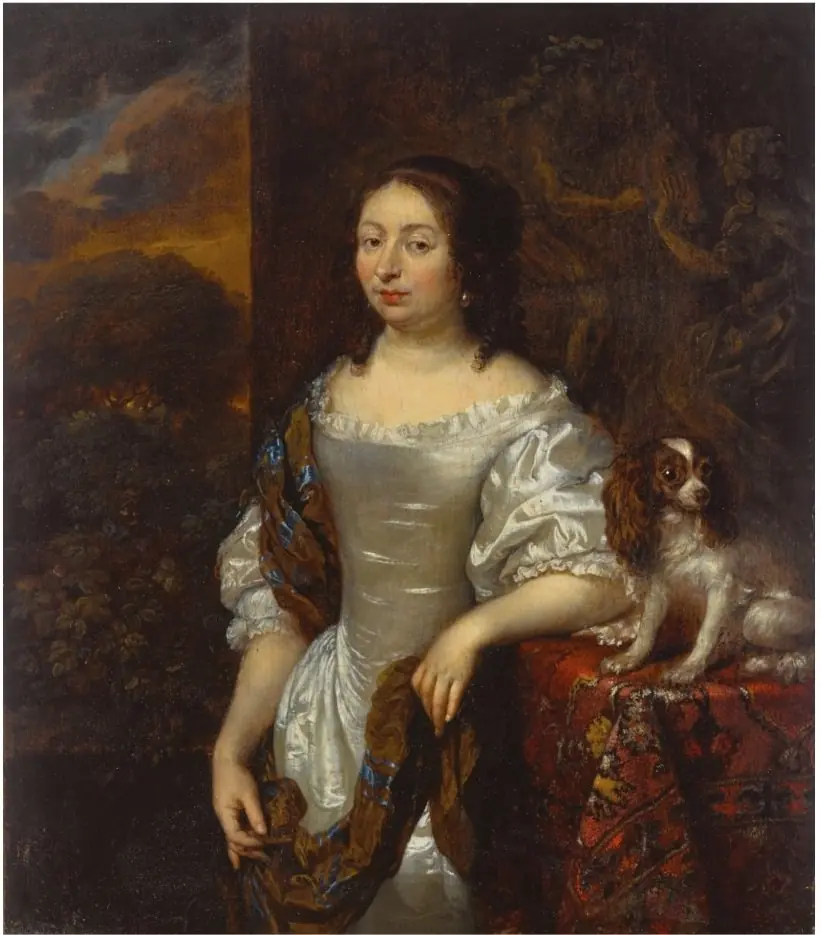 Portrait of a Lady with a Dog on a Table
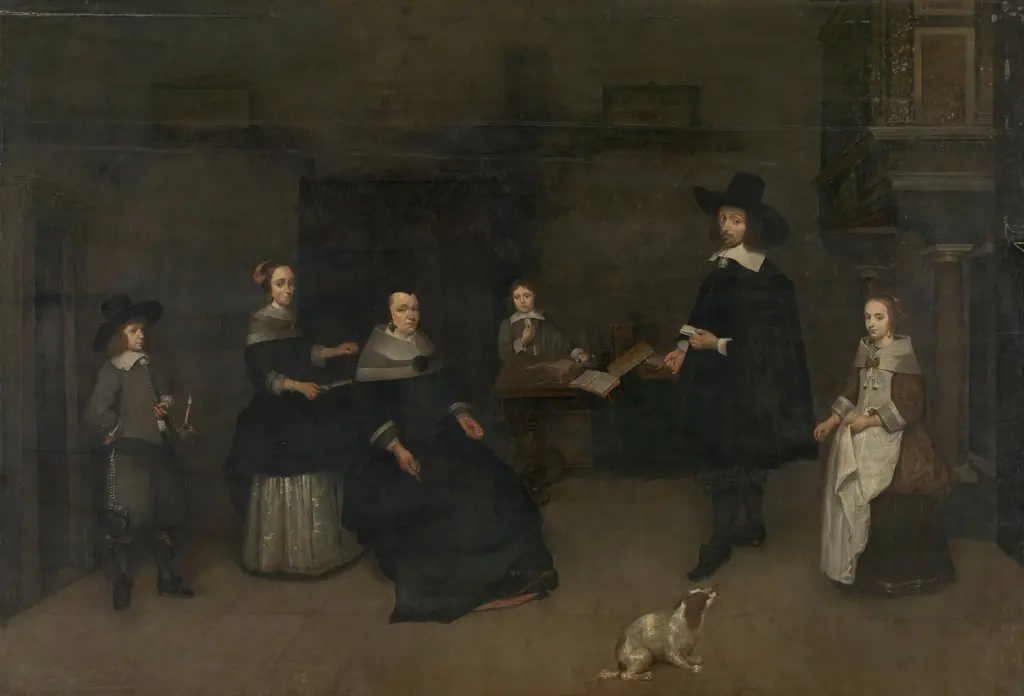 Family scene
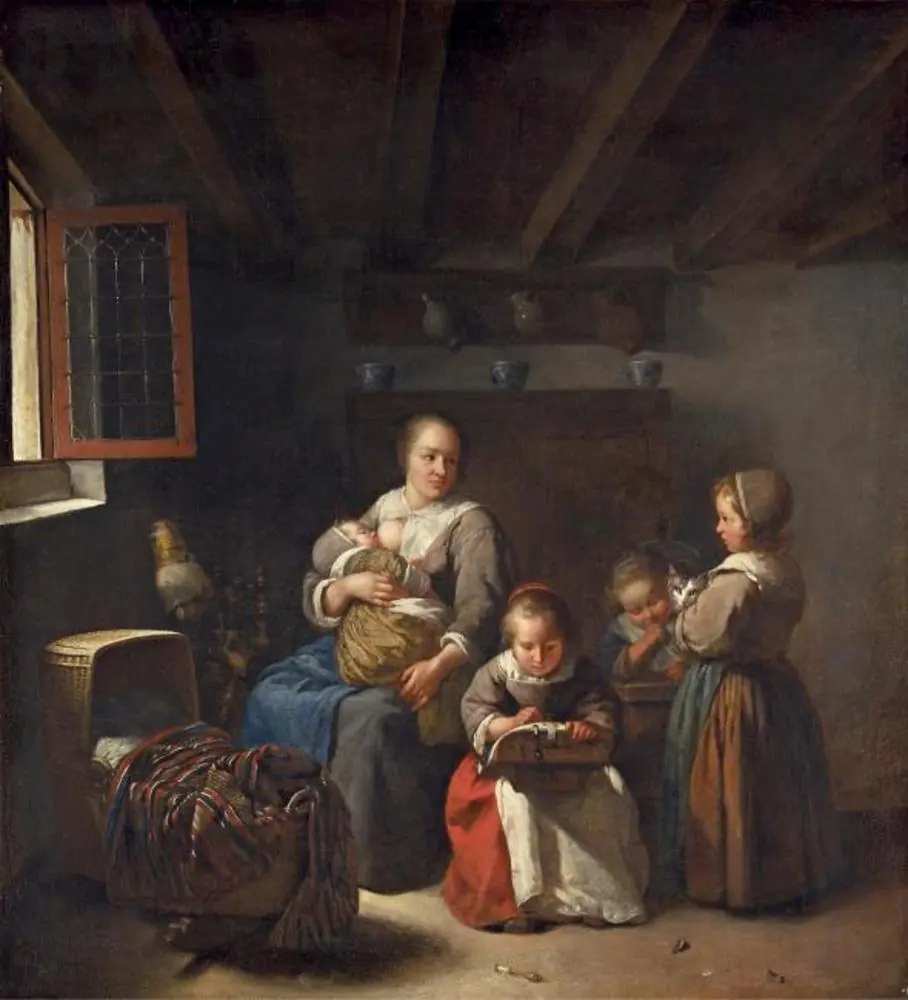 Nursing mother with three girls
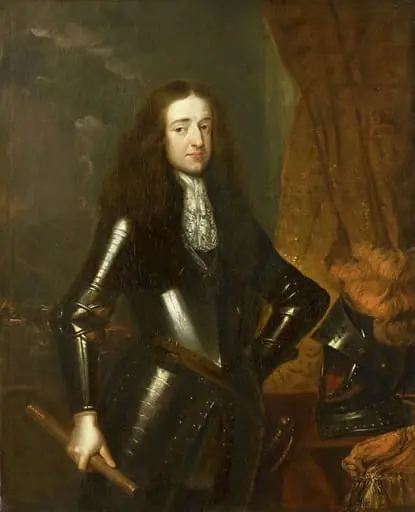 Portrait of Willem III (1650-1702), Prince of Orange and since 1689, King of England
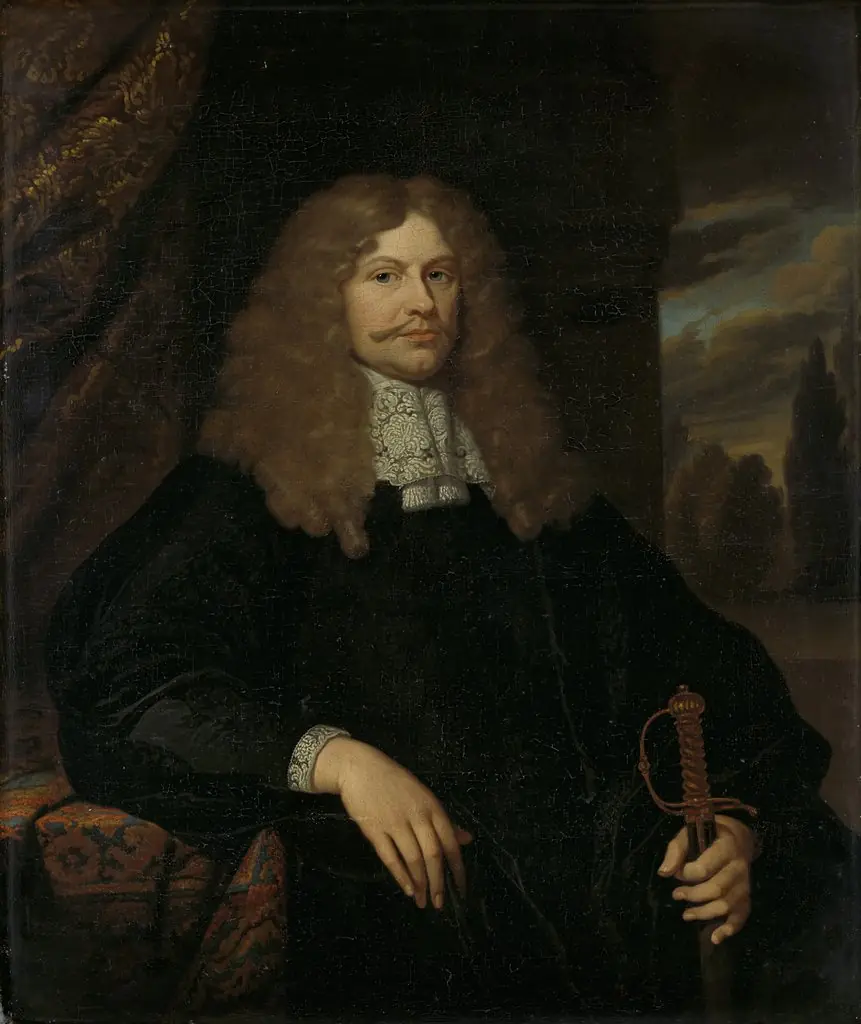 Portrait of Cornelis Backer (1633-81), councillor, alderman, and colonel of the Amsterdam militia
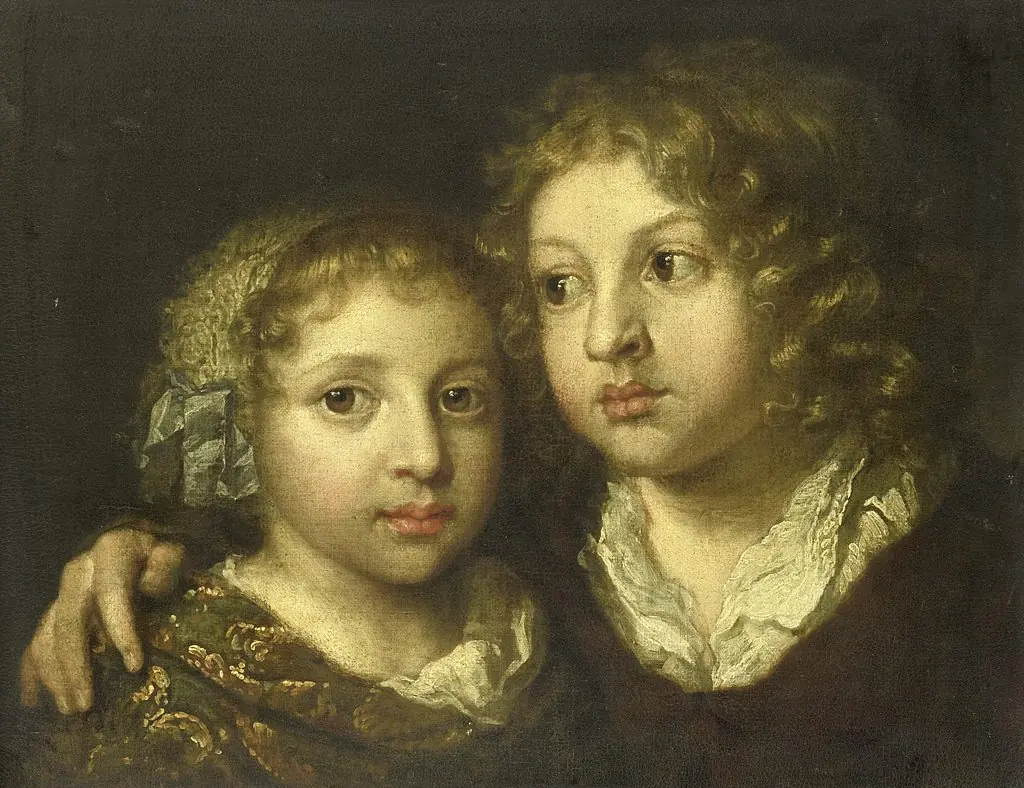 A daughter and a son (Constantijn?) of the artist
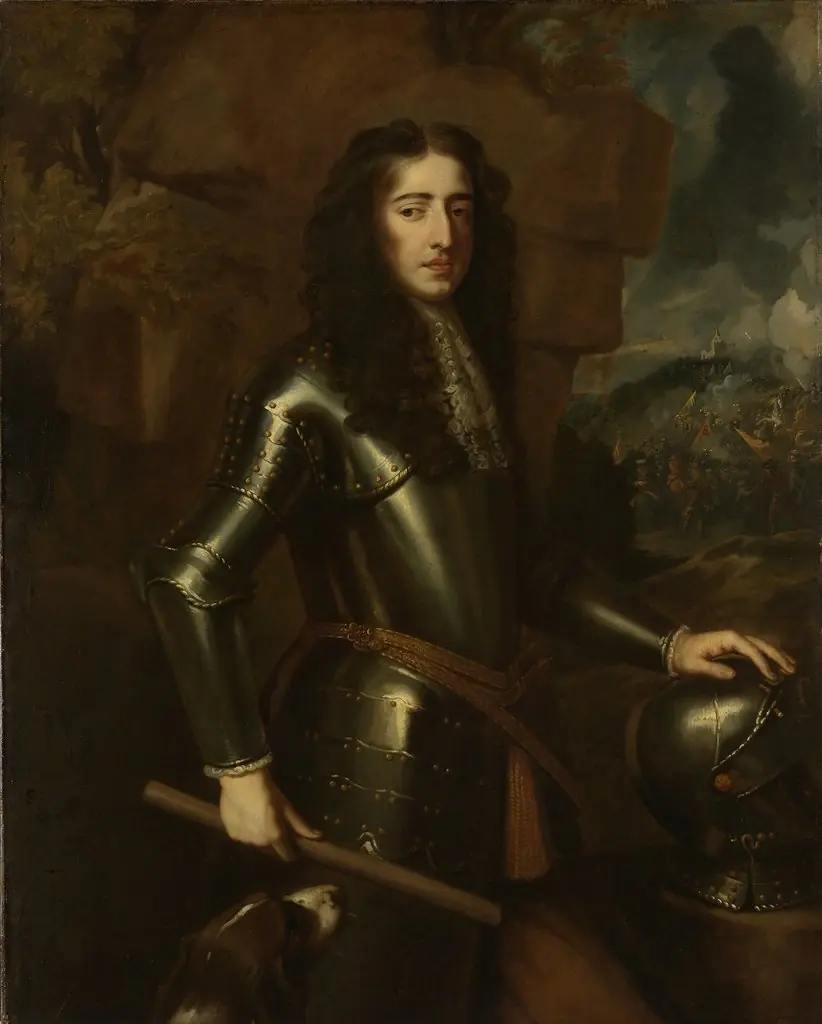 Portrait of William III, Prince of Orange, Stadtholder, after 1689 King of England
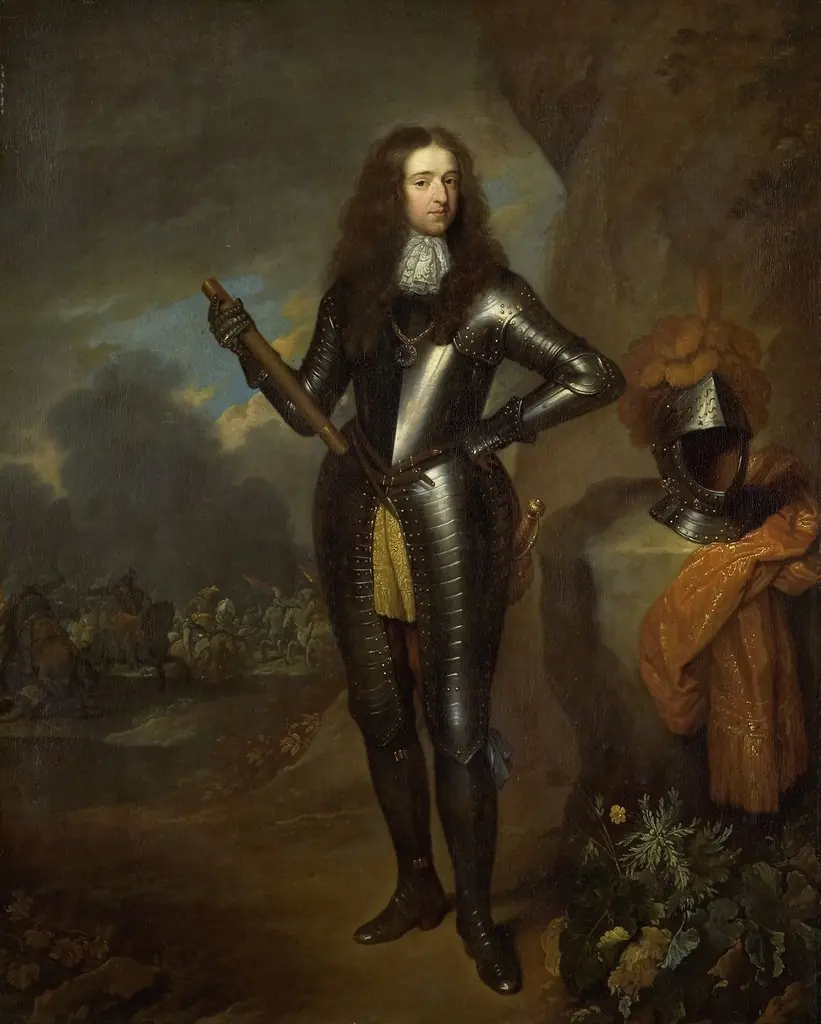 William III (1650-1702), Prince of Orange and since 1689, King of England
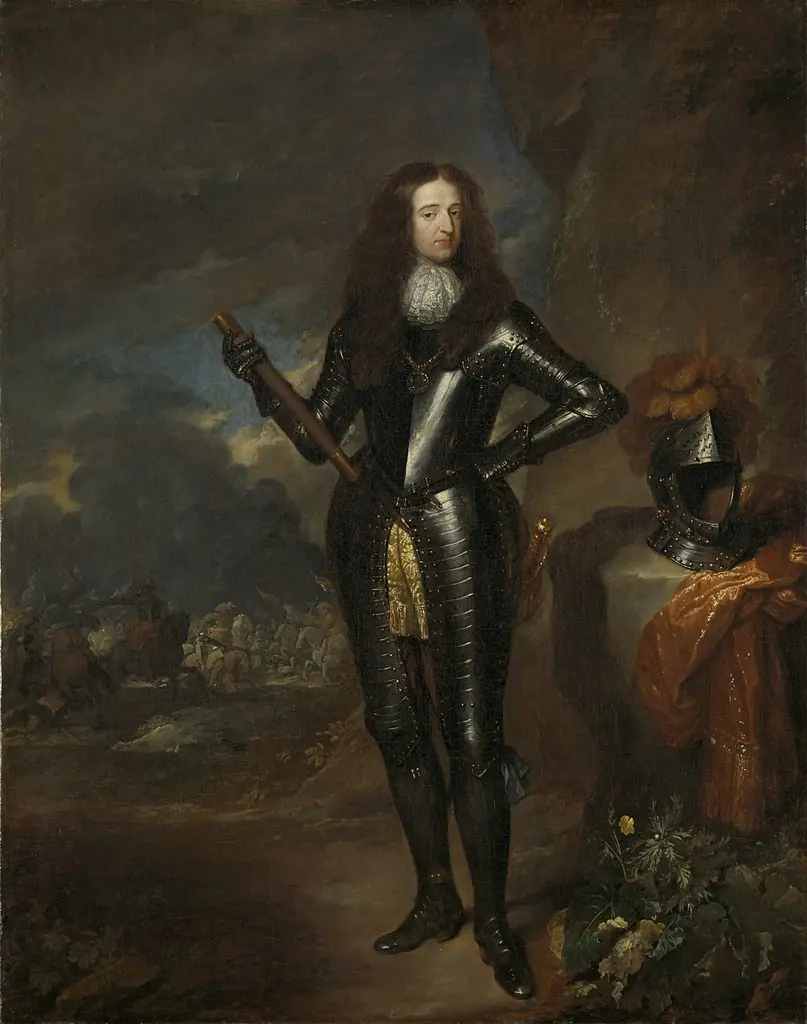 William III (1650-1702), Prince of Orange and since 1689, King of England
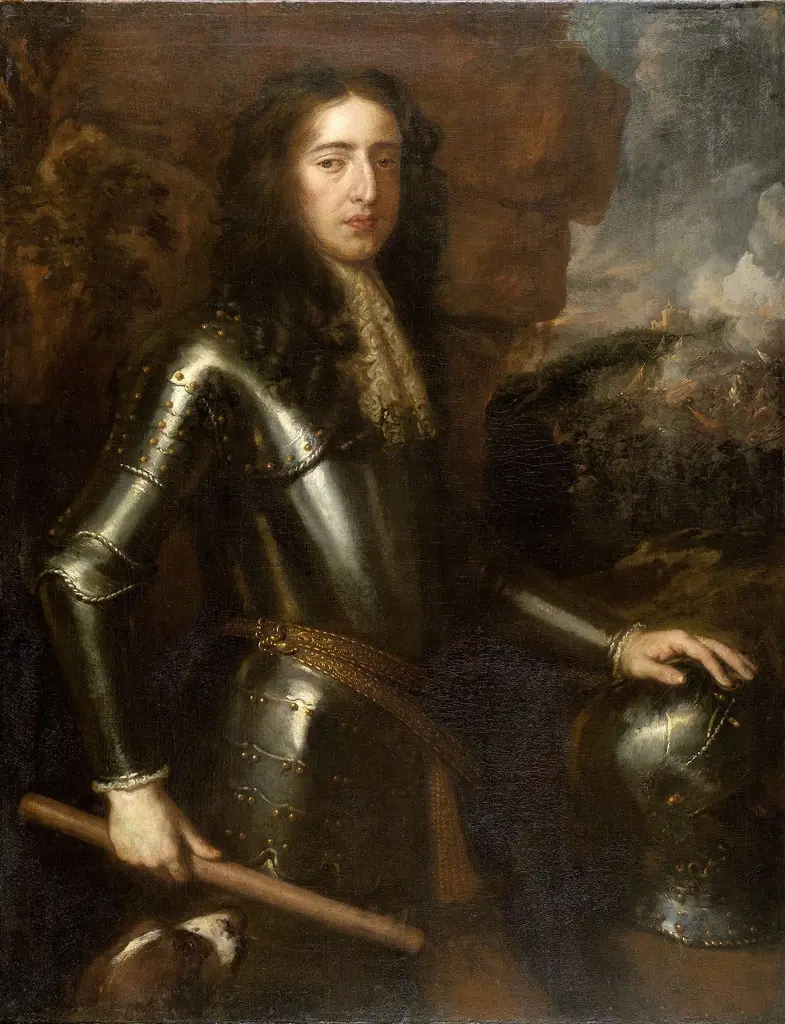 Portrait of William III (1650-1702), Prince of Orange
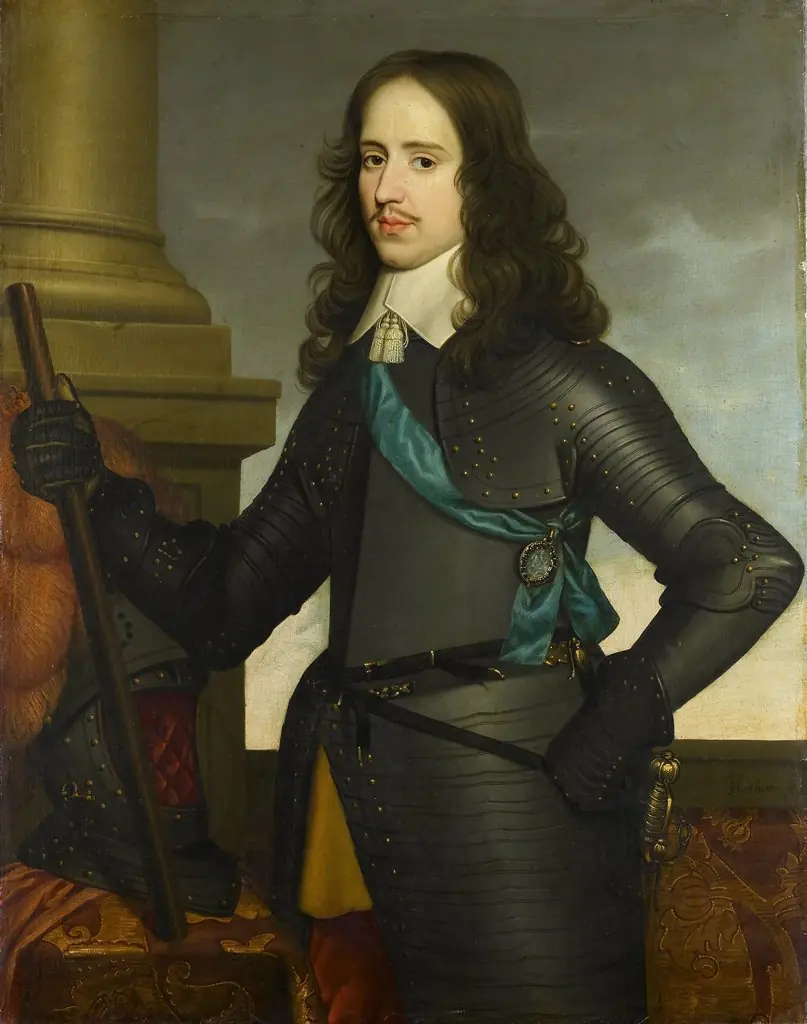 Portrait of Willem II (1626-50), Prince of Orange