Artwork
William III (1650-1702), Prince of Orange and since 1689, King of England
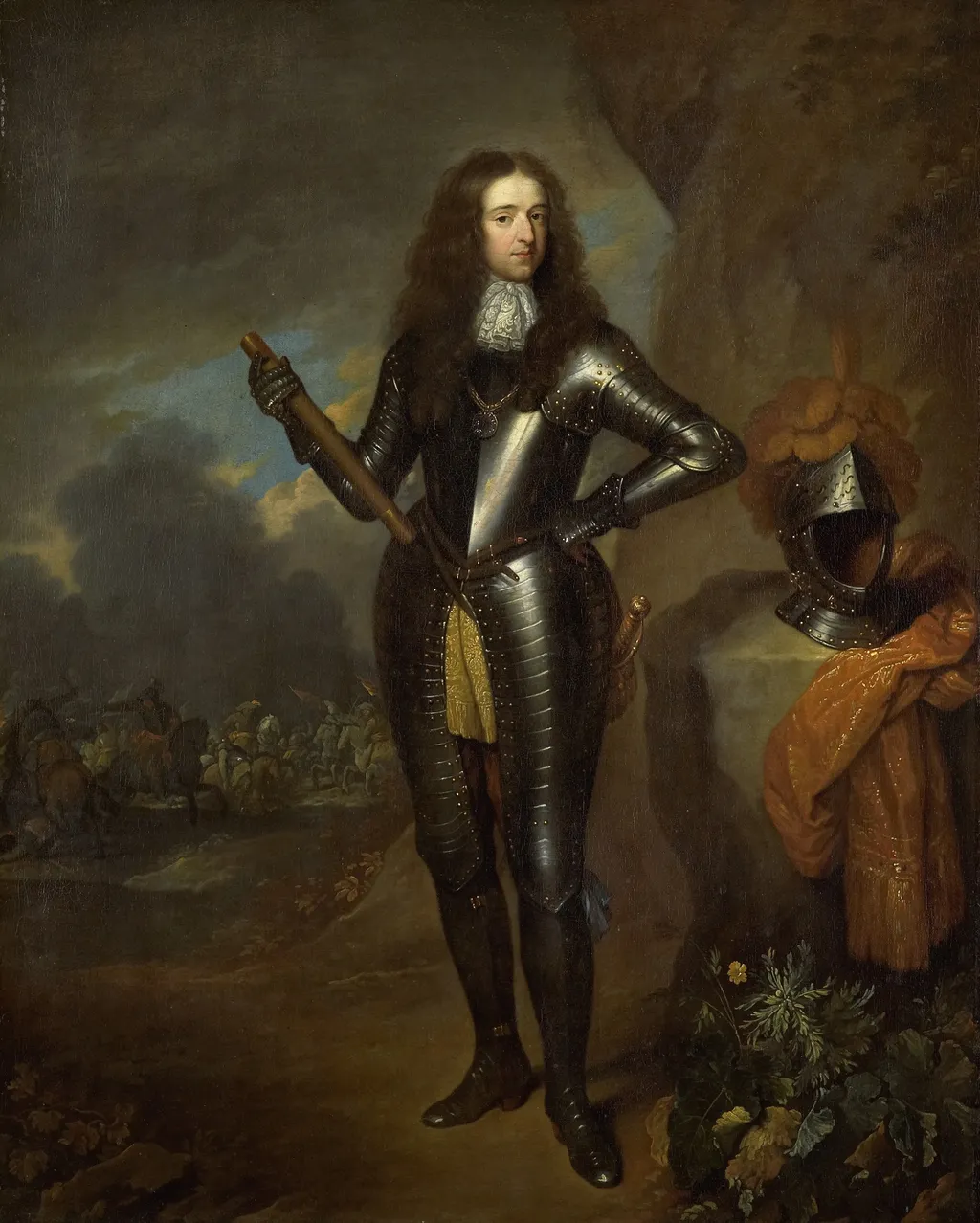
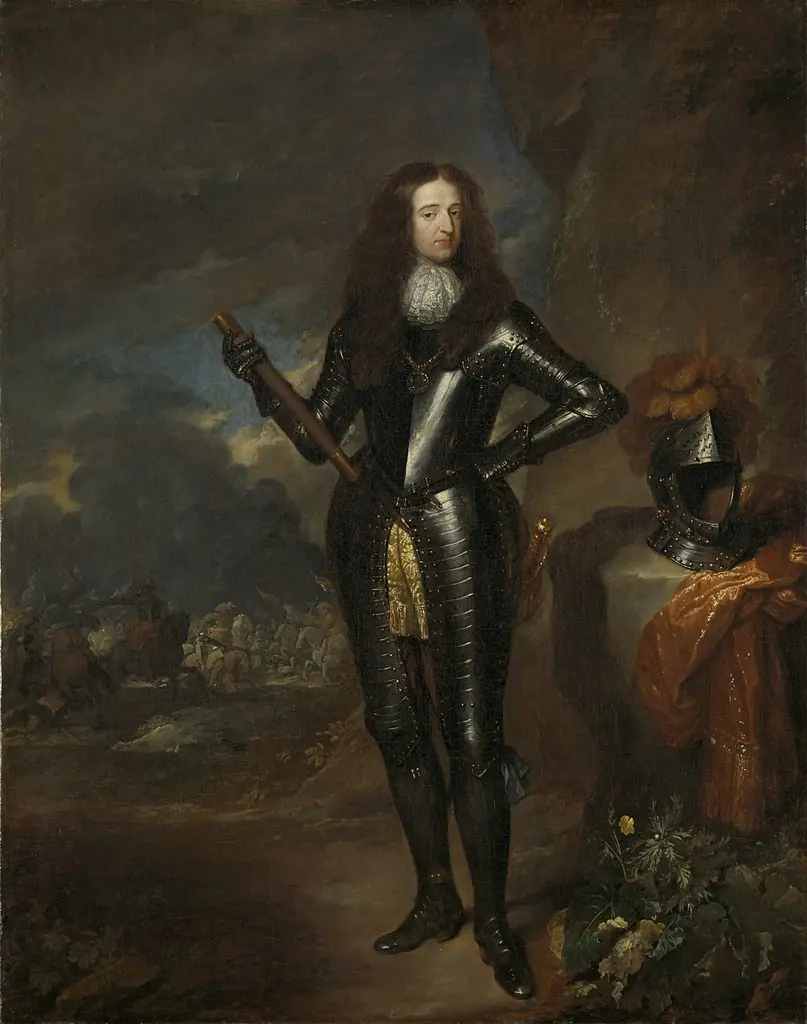
William III (1650-1702), Prince of Orange and since 1689, King of England is an oil painting by the Dutch Golden Age artist Caspar Netscher. It is held in the collection of the Rijksmuseum.
About this work
Overview
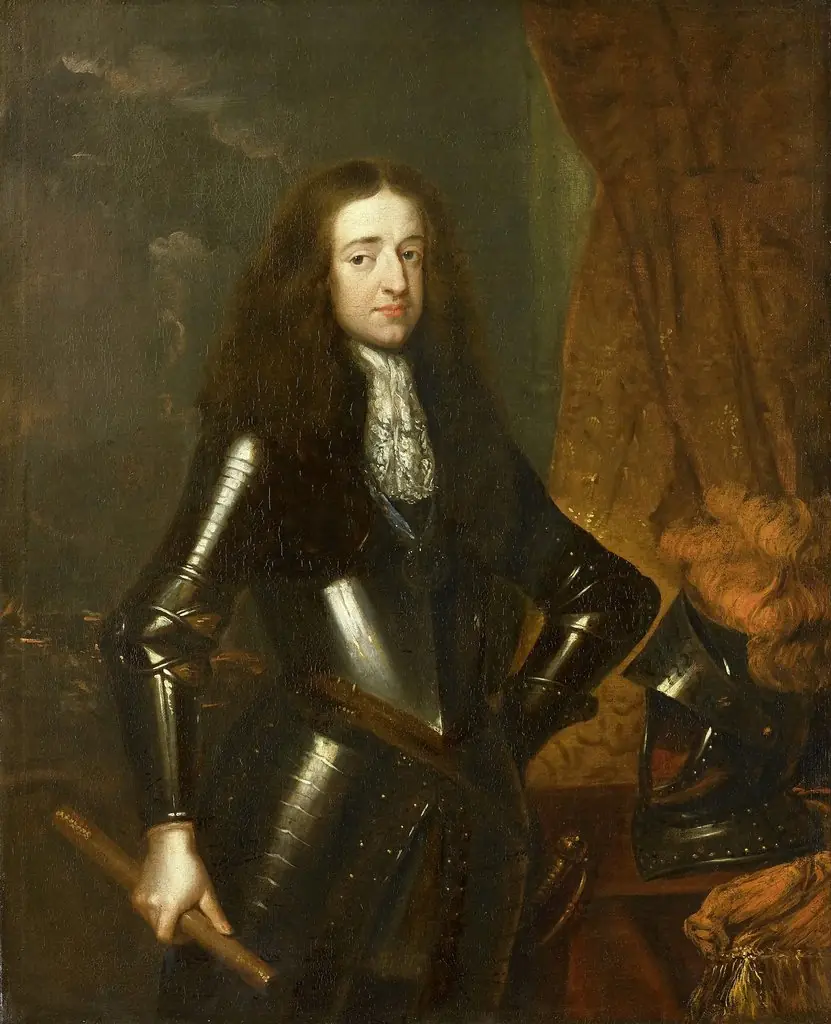
Caspar Netscher’s 1689 oil portrait presents William III, Prince of Orange and newly crowned King of England, in a formal, martial pose. The work, now part of the Rijksmuseum collection, captures the monarch at the moment of his accession, emphasizing his royal authority through costume and setting.
Subject & Meaning
The sitter is shown in armor with a helmet and cloak, holding a rolled document that may symbolize the legal or diplomatic foundations of his rule. The distant cavalry suggests ongoing military concerns, reinforcing William’s identity as a warrior‑king and protector of his realms.
Technique & Style
Netscher employs a restrained palette, contrasting the dark, studded leather jacket and steel armor with the luminous, cloud‑filled sky. Fine brushwork renders the ruffled white collar and the texture of the paper, while broader strokes suggest atmospheric depth in the background.
History & Provenance
Painted the year William III assumed the English throne, the portrait likely served a propagandistic purpose. It entered the Rijksmuseum’s holdings through acquisition in the 20th century, where it remains on display as a representative example of Dutch court portraiture.
Context
The image reflects the late‑17th‑century Dutch tradition of combining portraiture with historical narrative, a hallmark of Netscher’s oeuvre. It aligns with contemporary depictions of monarchs that stress both personal virtue and sovereign power amid the political upheavals of the Glorious Revolution.
Own this work as a print
Artist & collection

Artist
Caspar Netscher was a Dutch painter. He was a master in depicting oriental rugs, silk and brocade and introduced an international style to the Northern Netherlands.

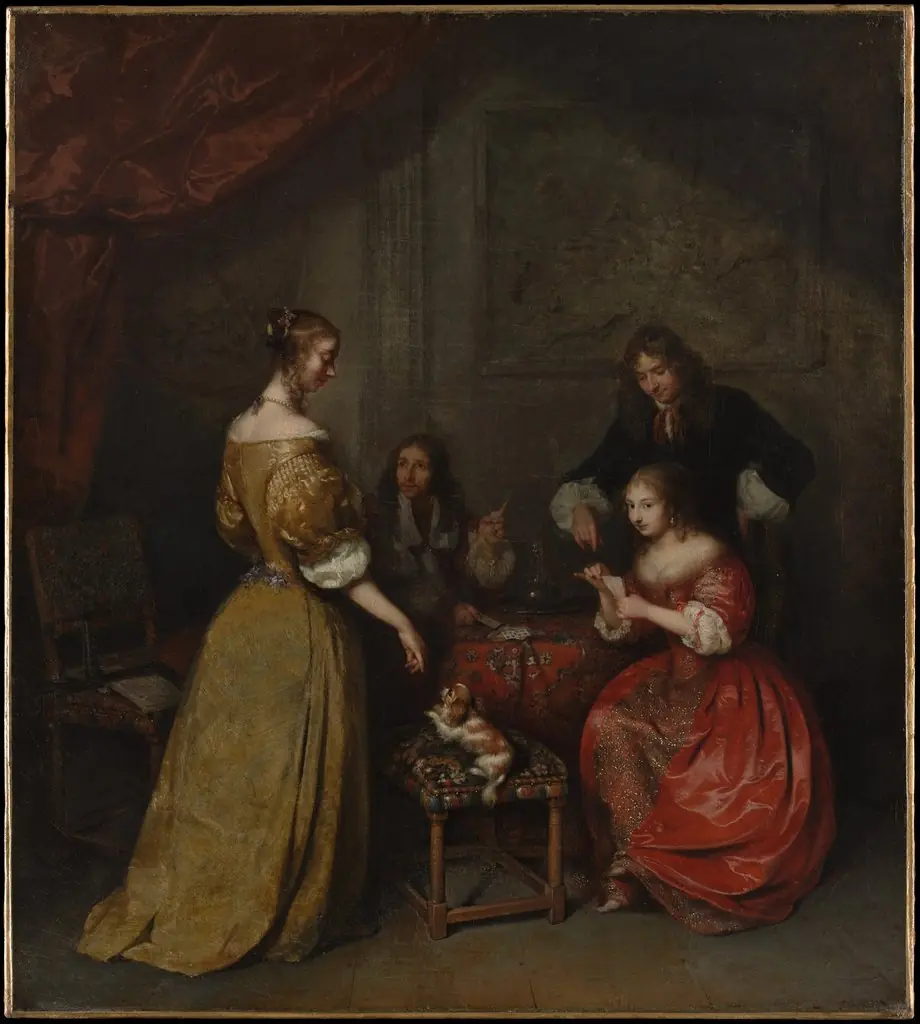 The Card Party
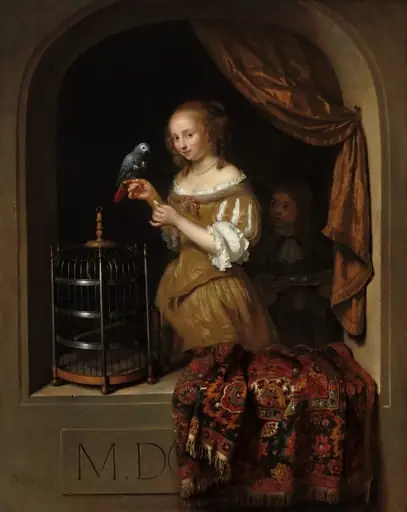 A Woman Feeding a Parrot, with a Page
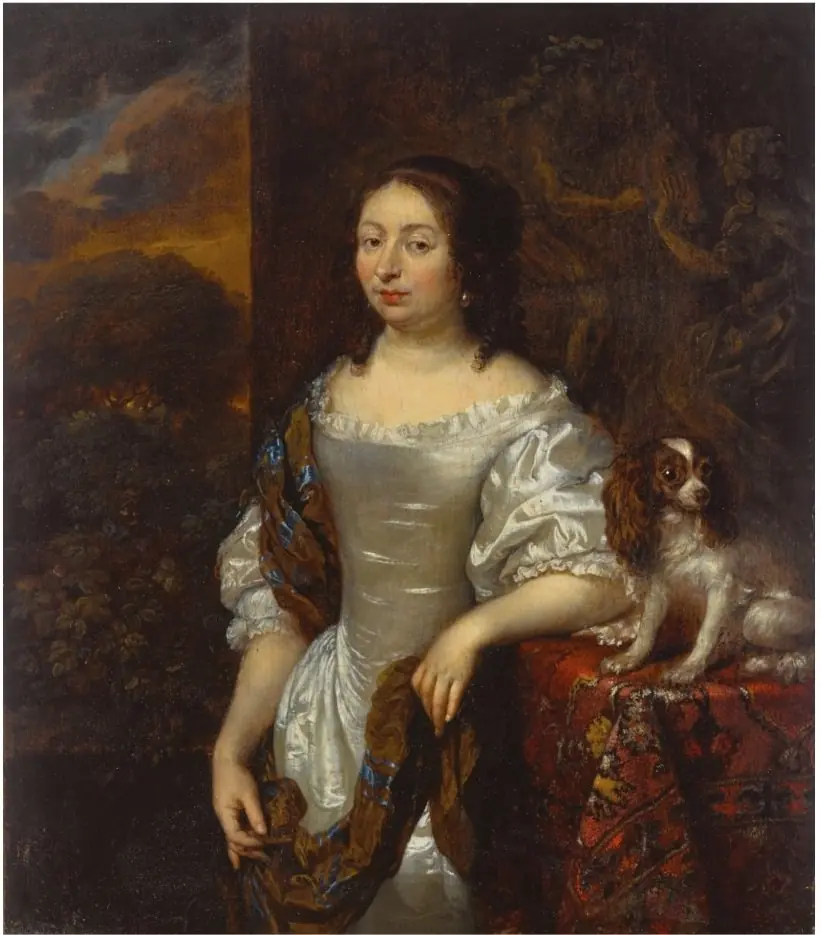 Portrait of a Lady with a Dog on a Table
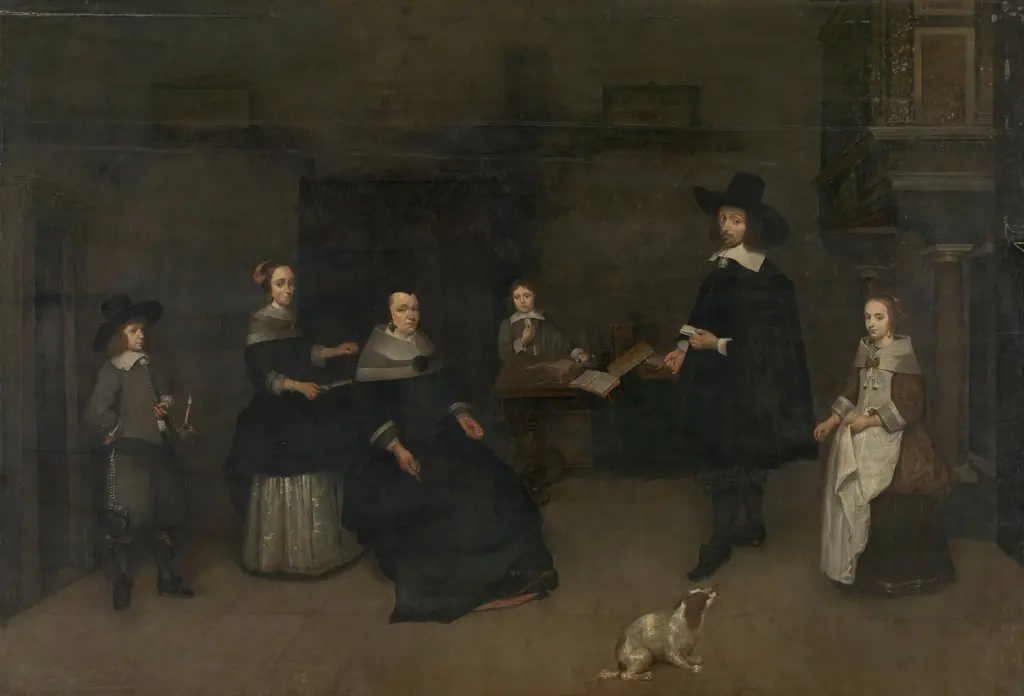 Family scene
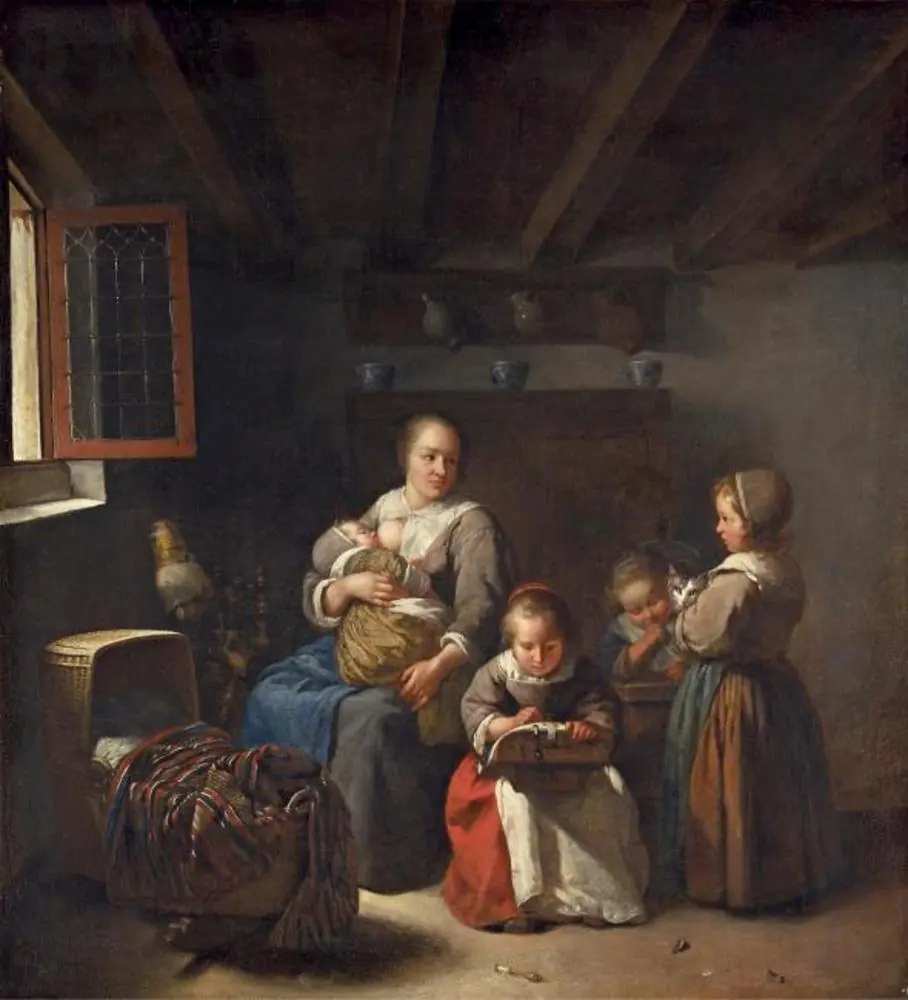 Nursing mother with three girls
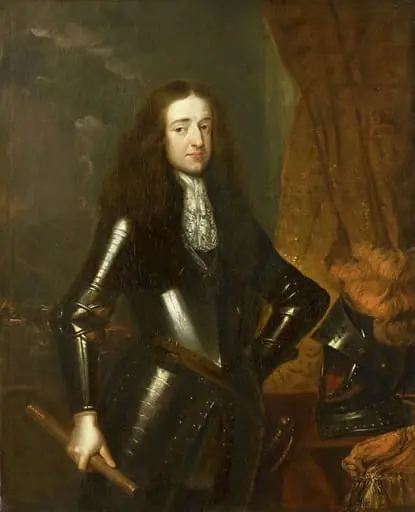 Portrait of Willem III (1650-1702), Prince of Orange and since 1689, King of England
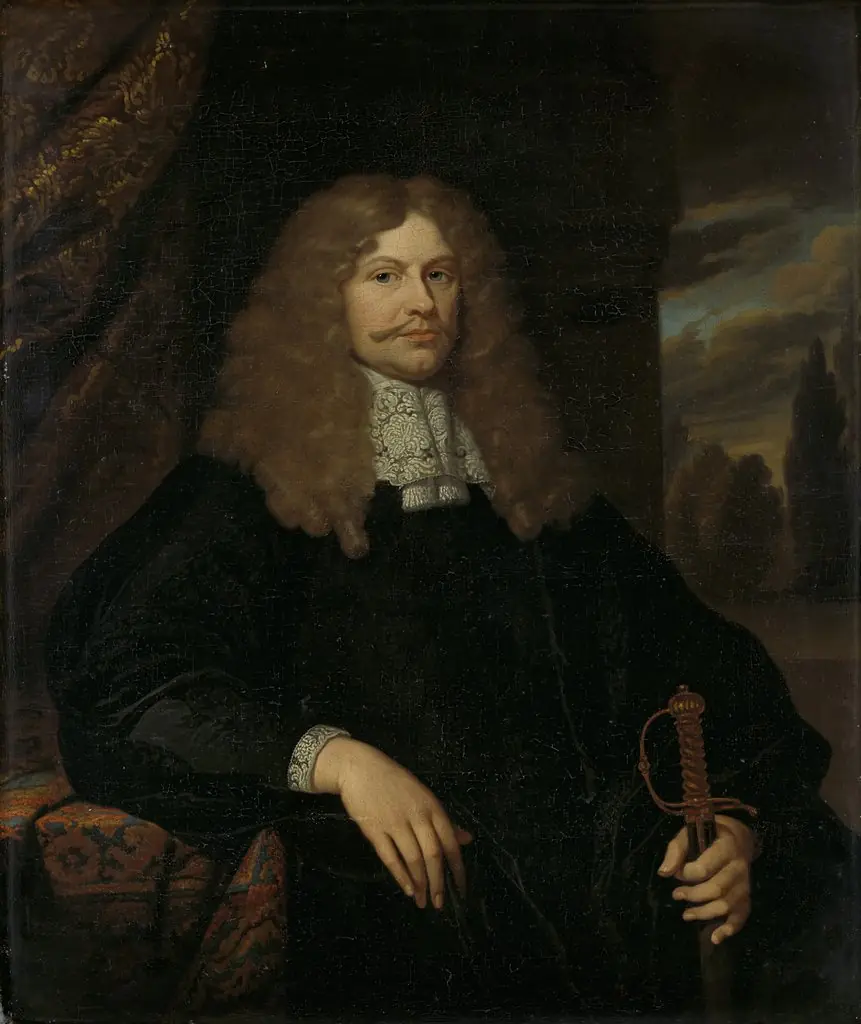 Portrait of Cornelis Backer (1633-81), councillor, alderman, and colonel of the Amsterdam militia
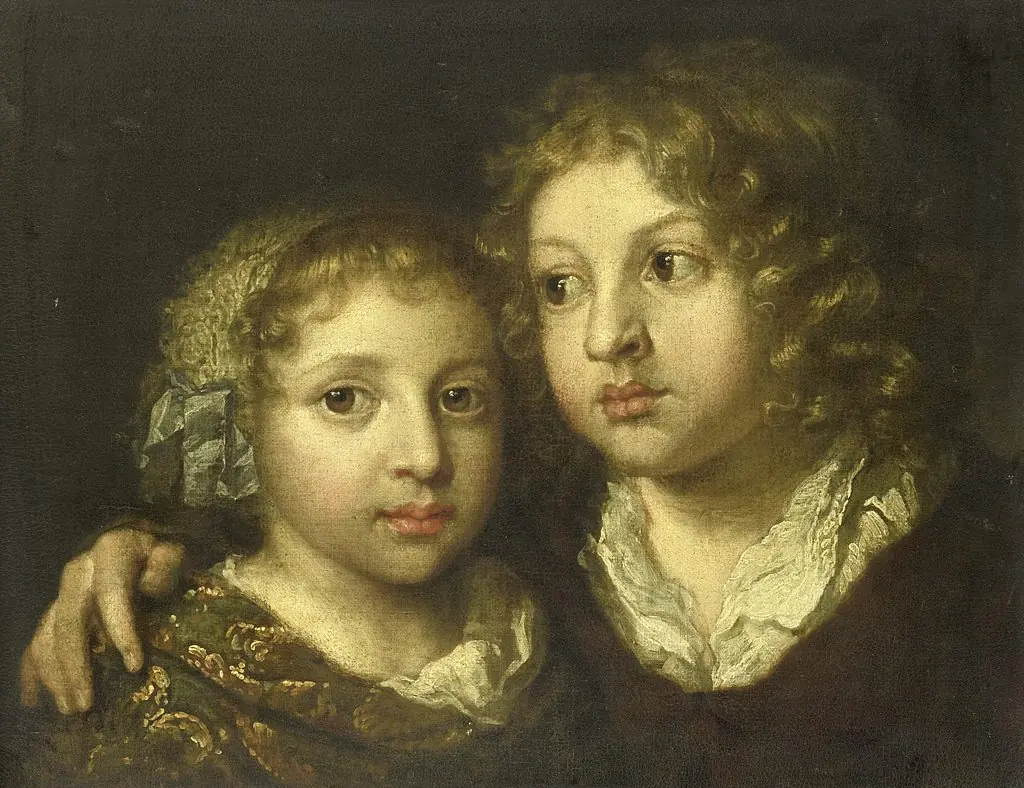 A daughter and a son (Constantijn?) of the artist