Artwork
Afternoon Tea Party
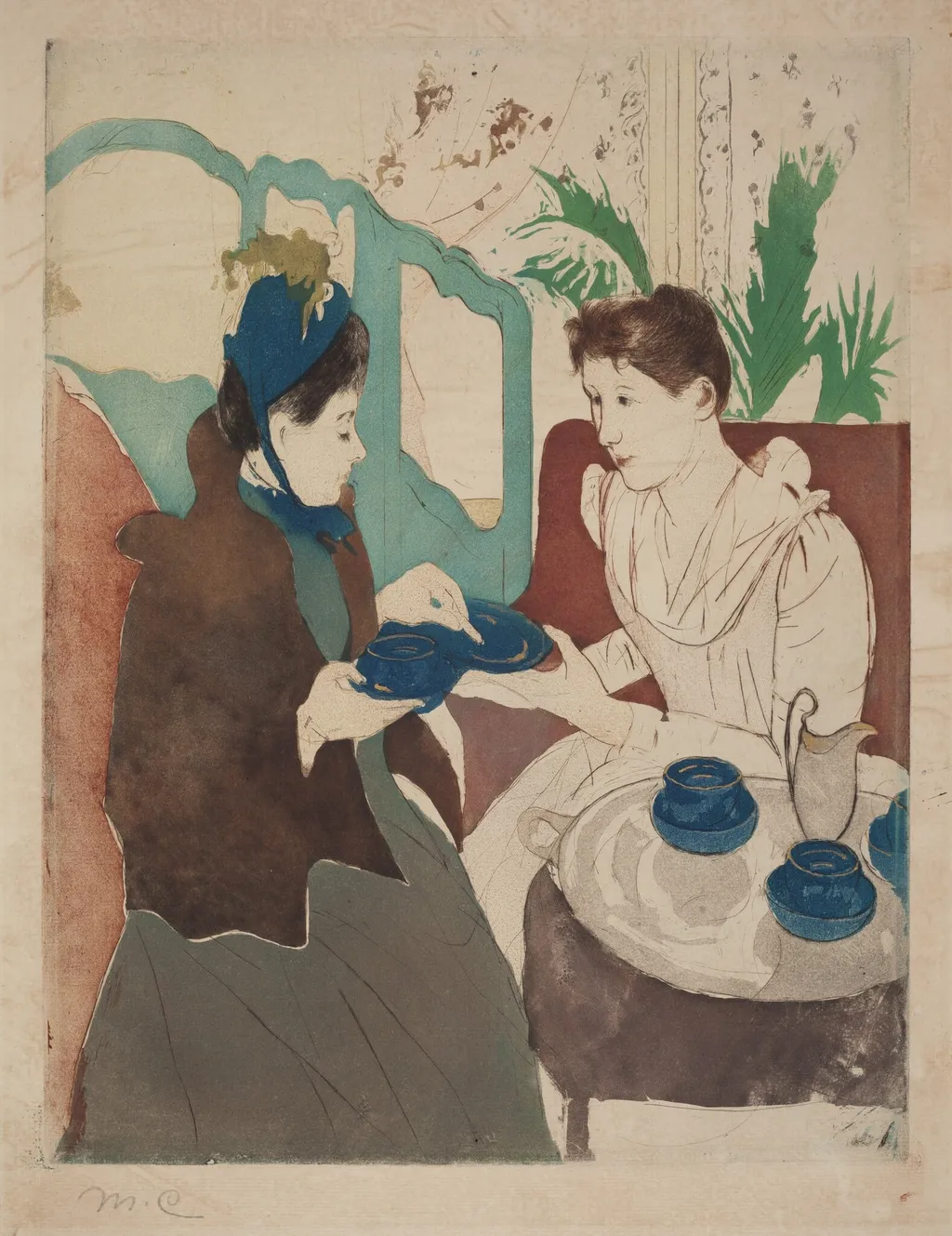
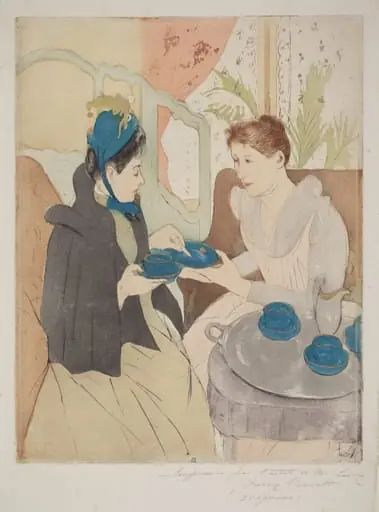
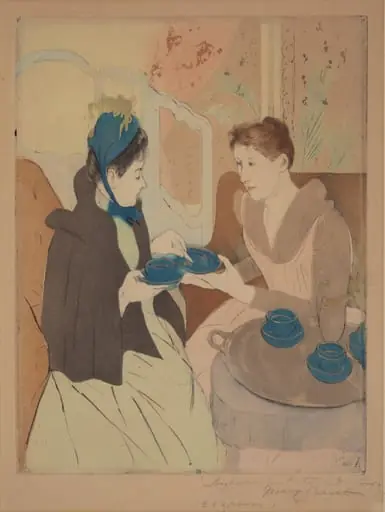
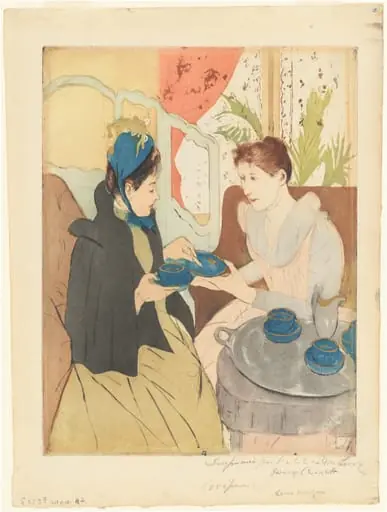
Afternoon Tea Party is an ink print by the Impressionist artist Mary Cassatt. It dates from 1890 and is held in the collection of the National Gallery of Art.
About this work
Overview
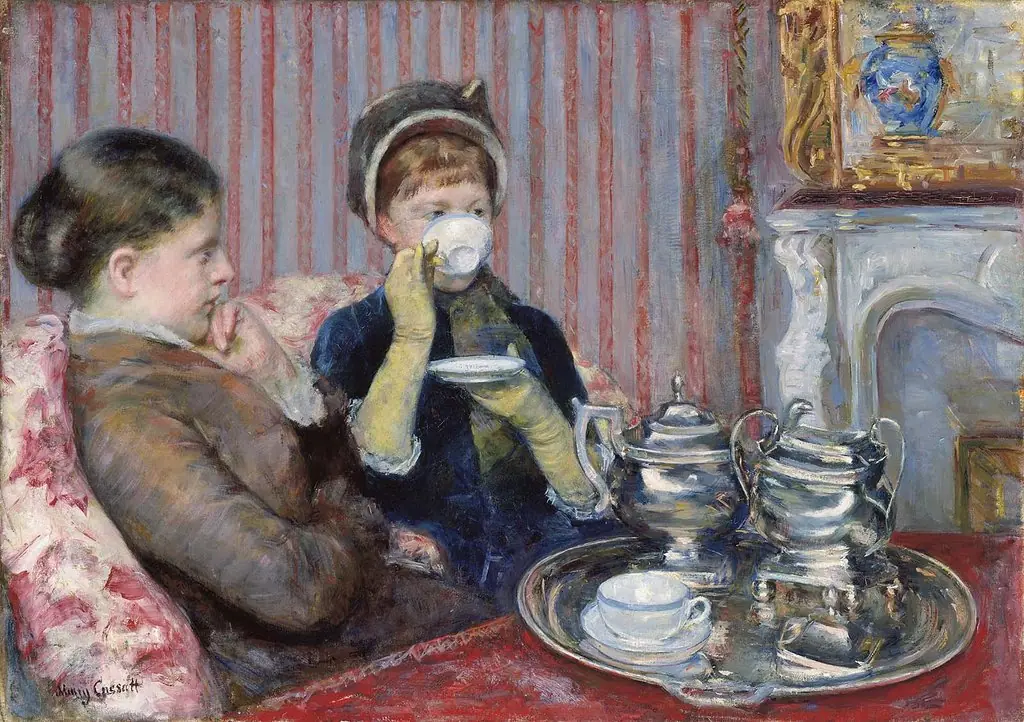
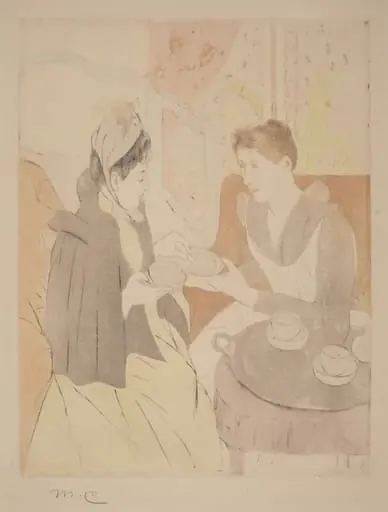
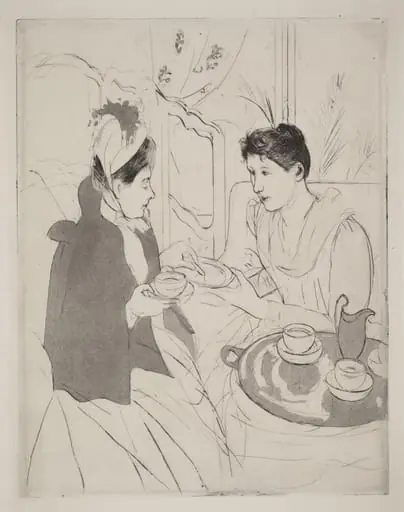
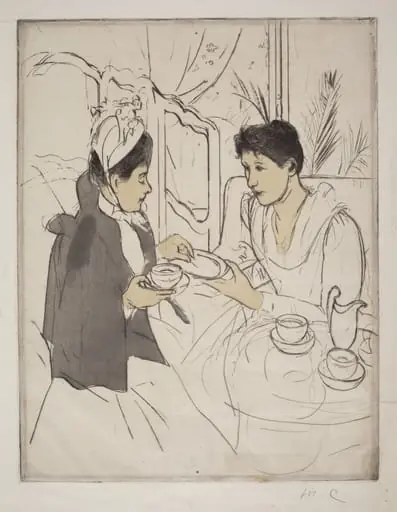
Created in 1890, the print titled *Afternoon Tea Party* combines color drypoint, soft‑ground etching, aquatint and selective gold metallic paint on laid paper. The composition shows two women seated at a table for tea, a mirror behind them and a view of verdant foliage through a window, rendering a quiet domestic interior.
Subject & Meaning
The scene captures an intimate moment of social leisure, focusing on the interaction between the two women—one in a dark dress and hat, the other in a white dress. By portraying a private, everyday ritual, the work continues Cassatt’s interest in the private lives of women and the subtle dynamics of companionship.
Technique & Style
Cassatt employed a layered printmaking process: drypoint provided fine, colored lines; soft‑ground etching rendered softer, textured surfaces; aquatint added tonal depth; and touches of gold metallic paint introduced a luminous accent. The combination creates a nuanced sense of space and materiality, characteristic of her late‑19th‑century print experiments.
History & Provenance
An American expatriate working in France, Cassatt was closely linked to the Impressionist circle and maintained a friendship with Edgar Degas. *Afternoon Tea Party* reflects her mature print practice during the 1890s, a period when she increasingly explored domestic subjects through sophisticated intaglio techniques.
Context
The work belongs to a broader body of Cassatt’s prints that document everyday scenes of women, often emphasizing mother‑child relationships or social gatherings. Its refined handling of light, interior space, and decorative elements aligns with the Impressionist interest in modern life while retaining a personal, intimate focus.
Artist & collection
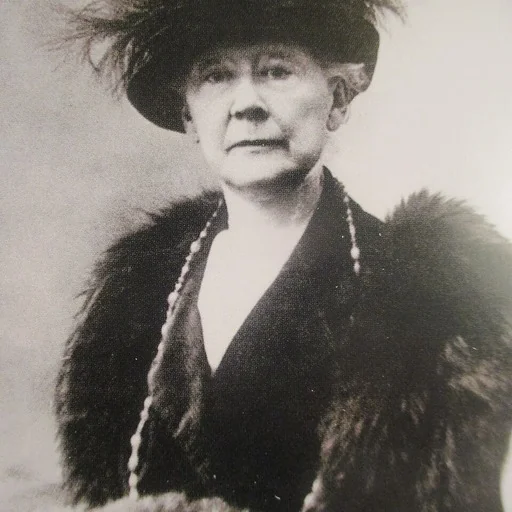
Artist
Mary Stevenson Cassatt (; May 22, 1844 – June 14, 1926) was an American painter and printmaker.