Artwork
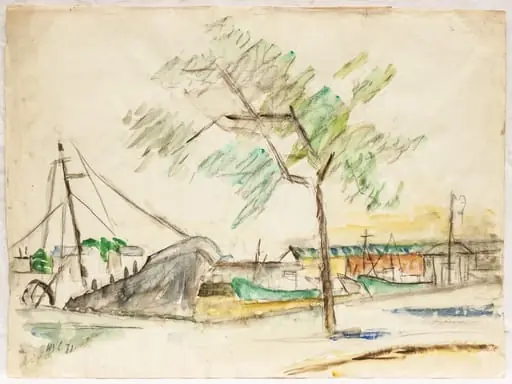
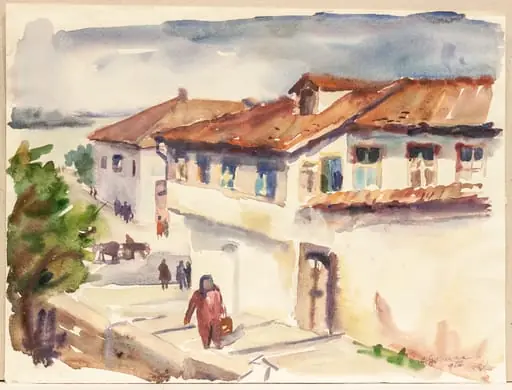
Peisaj Balcic
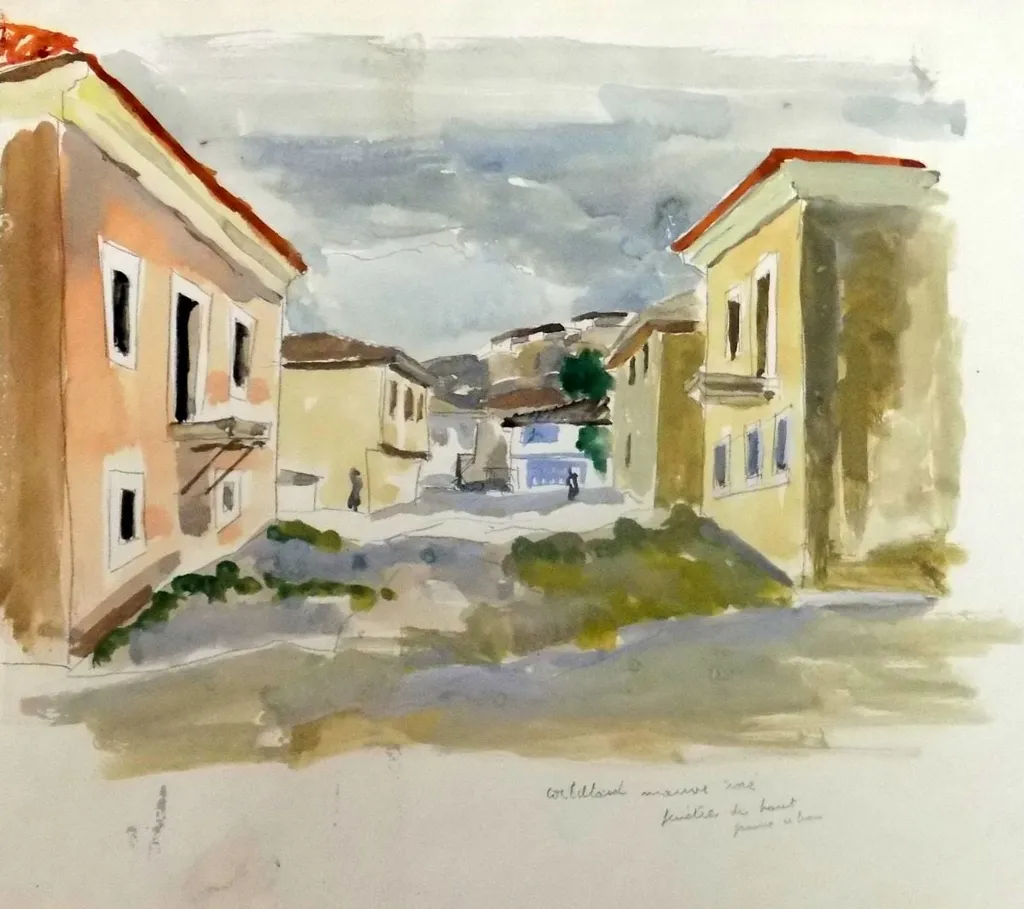
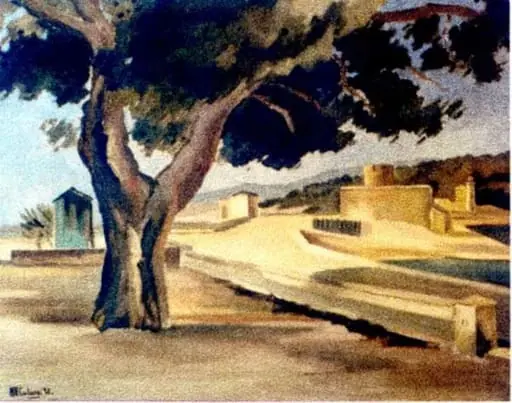
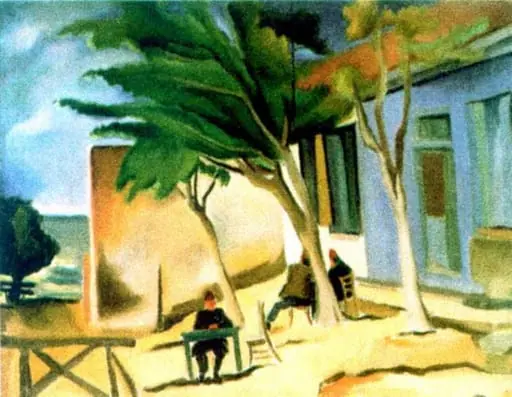
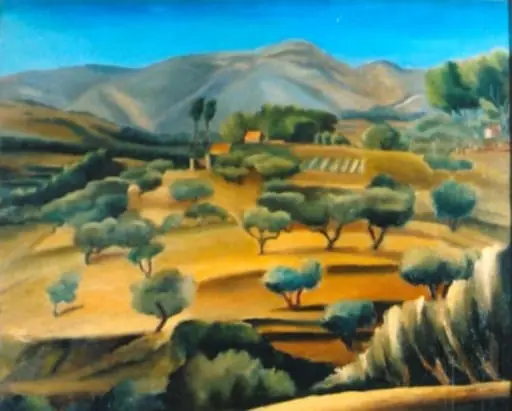
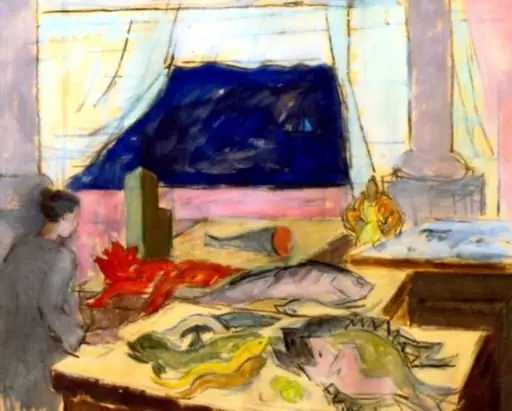
Peisaj Balcic is a print by Henri H. Catargi. It dates from 1944 and is held in the collection of the Bucharest Municipality Museum.
About this work
Overview
It resides in the Museum of Ethnography’s collection, reflecting its cultural significance within Romanian visual heritage.
Henri Catargi, born in Bucharest in 1894, produced *Peisaj Balcic* around 1944 as part of his mature body of work. The painting captures a quiet corner of Balchik, a town on Romania’s Black Sea coast. It resides in the Museum of Ethnography’s collection, reflecting its cultural significance within Romanian visual heritage. Catargi’s approach during this period emphasized observation over grand narrative, favoring intimate, everyday scenes.
Subject & Meaning
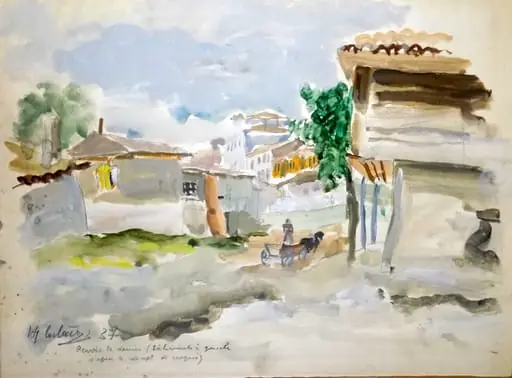
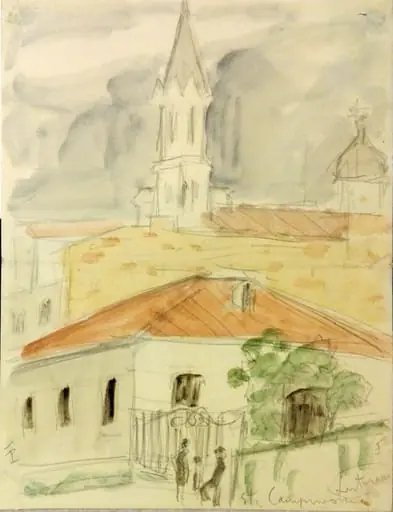
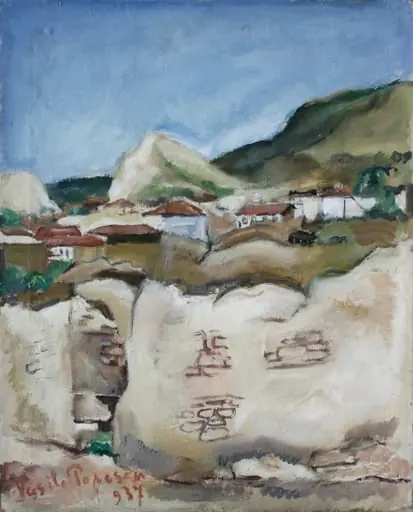
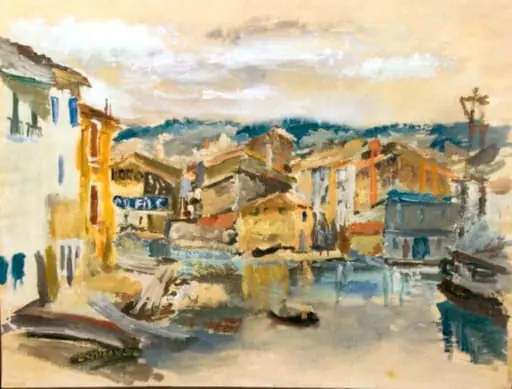
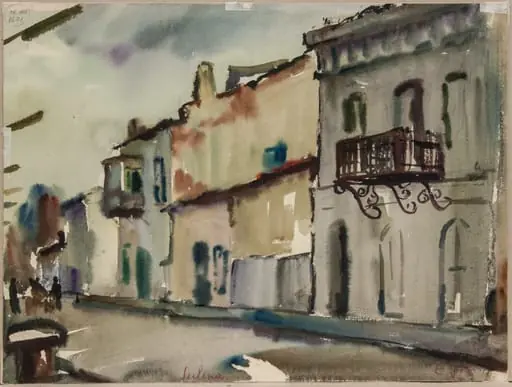
The scene depicts a narrow, sun-washed alley between modest buildings, their surfaces worn by time. Two distant figures suggest quiet daily movement, grounding the image in human presence without drama. The absence of clear focal points and the subdued activity convey a sense of stillness, perhaps reflecting the contemplative mood of wartime Romania. The painting avoids idealization, instead honoring the unremarkable rhythms of local life.
Technique & Style
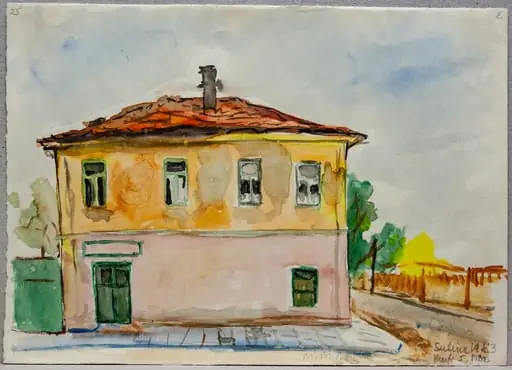
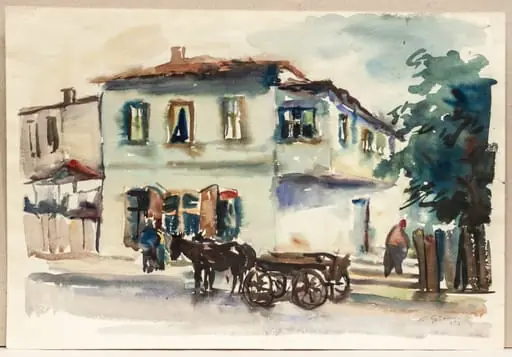
Catargi employed loose, fluid brushwork, applying paint thinly to suggest light and texture rather than define form. Colors are muted—soft pinks, pale yellows, and grayish tones—accented by dark window openings and sparse green foliage. The buildings tilt subtly, conveying imperfection and age. The sky is barely suggested, with faint strokes that dissolve into the upper edge, reinforcing the sketch-like immediacy of the composition.
History & Provenance
Created during the final years of World War II, *Peisaj Balcic* emerged from a period of personal and national upheaval. Catargi, who maintained ties to both Bucharest and Brașov, often traveled to coastal towns for inspiration. The painting entered the Museum of Ethnography’s holdings after his lifetime, where it remains as part of a broader effort to document regional Romanian life through art.
Context
In mid-20th century Romania, many artists turned to local landscapes and vernacular architecture as subjects, distancing themselves from academic traditions. Catargi’s work aligns with this trend, emphasizing authenticity over spectacle. Balchik, then a quiet resort town, offered a retreat from urban intensity, and its unassuming streets became a recurring motif in his later paintings.
Legacy
Catargi’s *Peisaj Balcic* contributes to a quiet but persistent strand of Romanian modernism that valued observation over rhetoric. Though not widely exhibited internationally, the painting is recognized domestically for its sensitivity to place and material. It continues to inform how Romanian art engages with the ordinary, preserving the dignity of everyday environments through understated technique.
Artist & collection
Artist
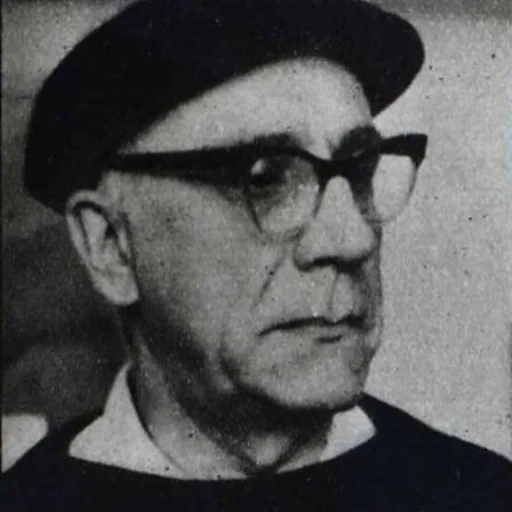
Henri Catargi (December 6, 1894, Bucharest, Romania – July 19, 1976, Bucharest) was a renowned Romanian painter from Braşov.