Artwork
Agnes
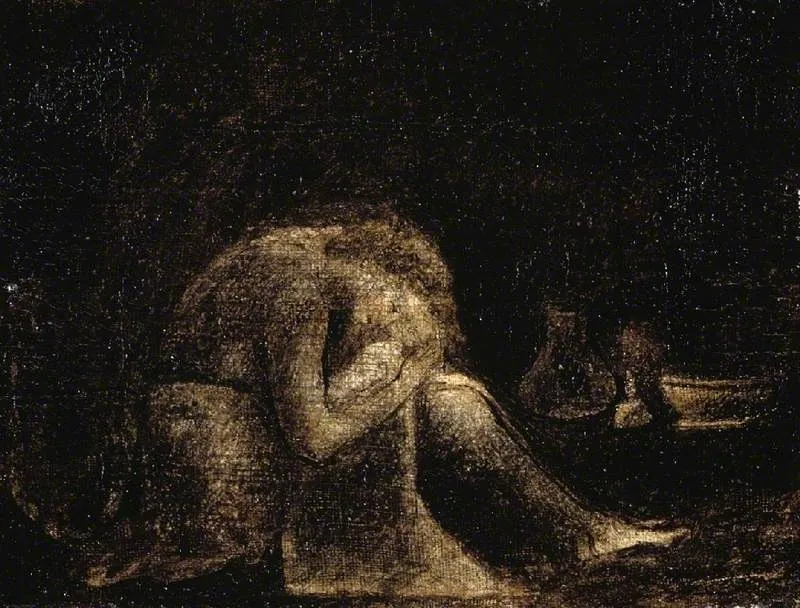
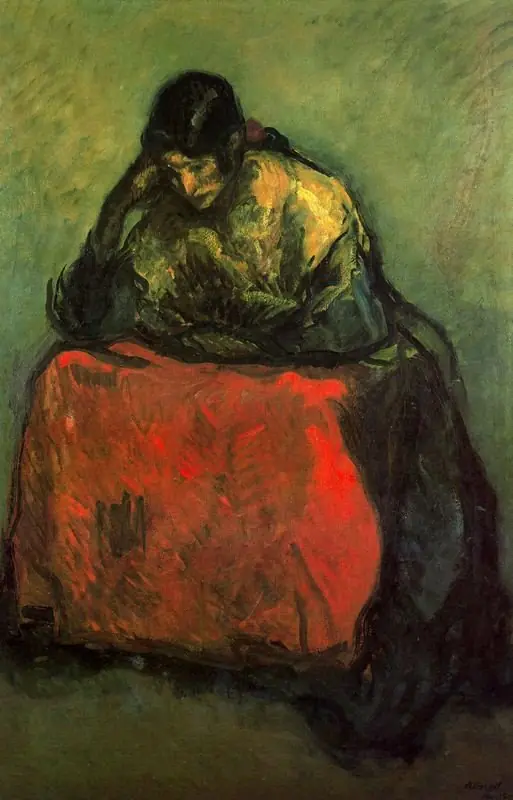
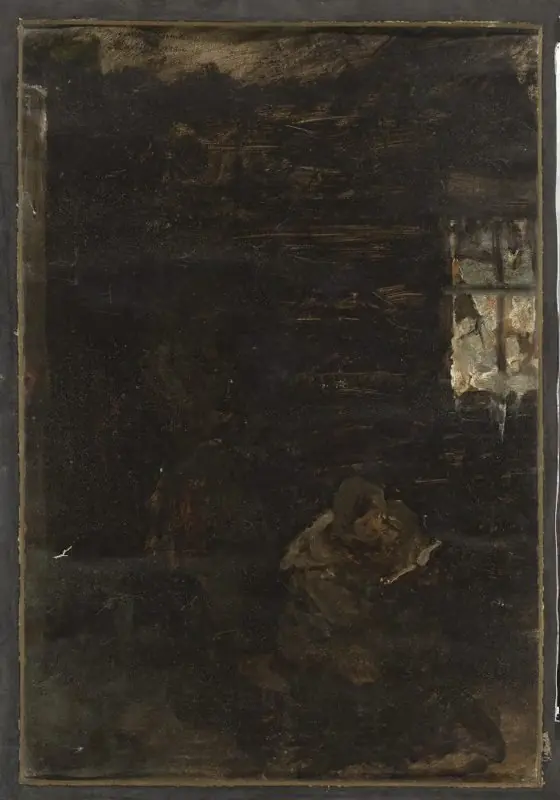
Agnes is a tempera painting by Catherine Blake. It dates from 1800 and is held in the collection of the Fitzwilliam Museum.
About this work
Overview
Tempera, a fast-drying medium, lends the surface a matte, restrained quality that complements the painting’s introspective mood.
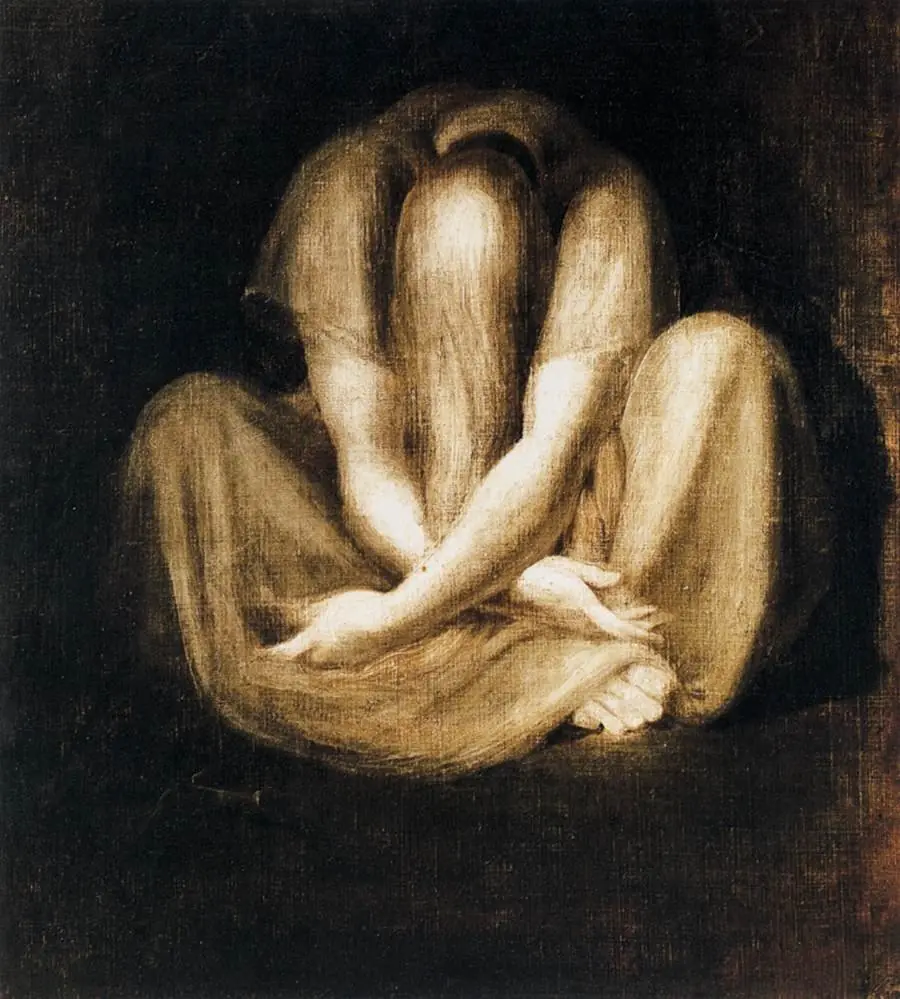
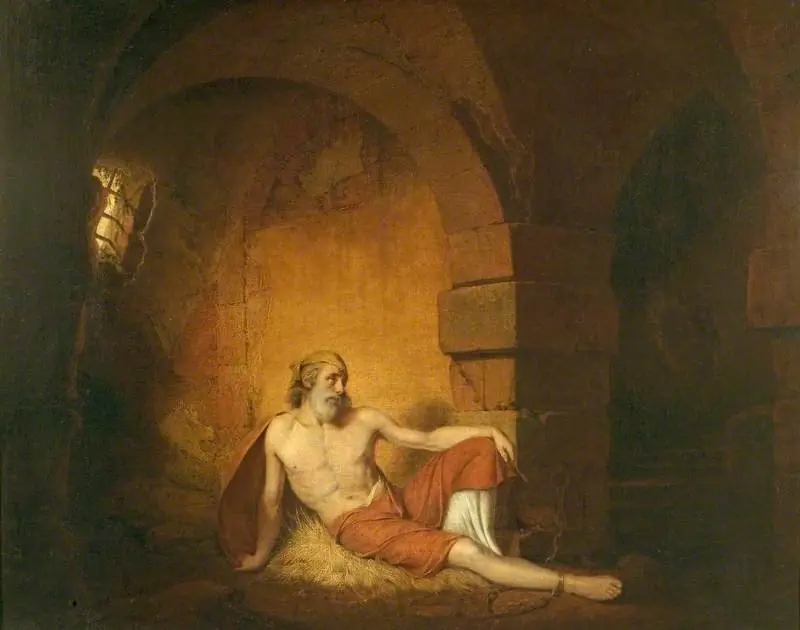
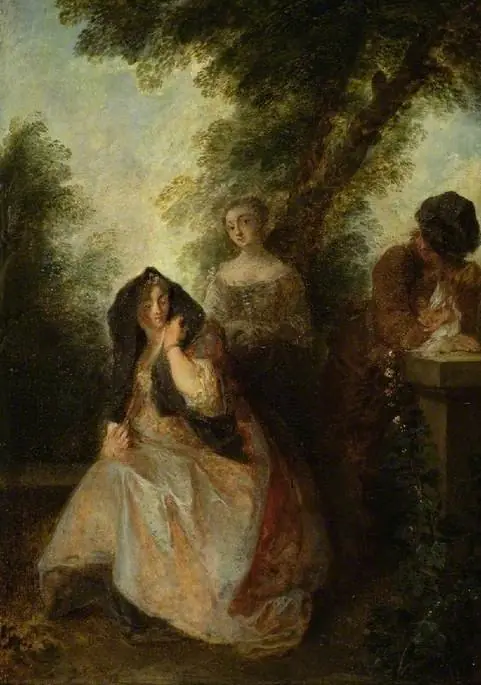
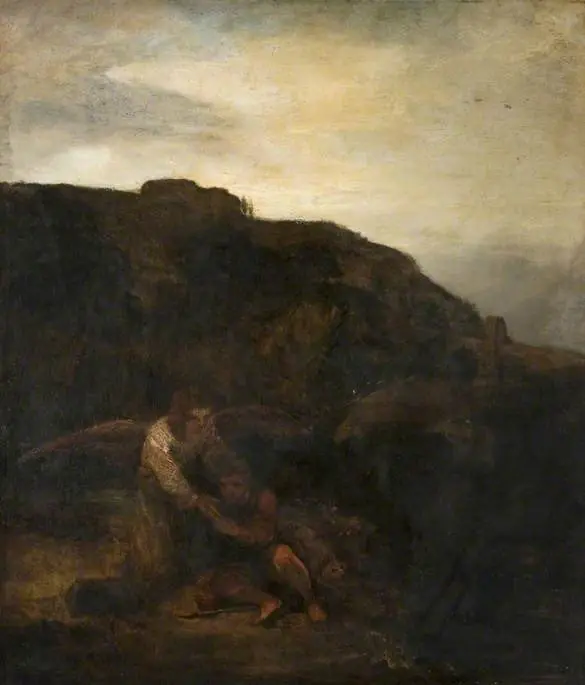
Agnes is a small-scale tempera painting executed in 1800 by Catherine Blake. It is part of the collection at the Fitzwilliam Museum in Cambridge. The work presents a solitary female figure in a dimly lit interior, rendered with quiet precision. Tempera, a fast-drying medium, lends the surface a matte, restrained quality that complements the painting’s introspective mood. No decorative elements or contextual clues are present, directing attention entirely to the figure’s stillness.
Subject & Meaning
The subject, identified as Agnes, sits alone in an undefined space, her head supported by one hand while the other rests lightly on her thigh. Her posture suggests inward reflection rather than narrative action. The absence of objects, clothing details, or environmental cues implies an emphasis on psychological presence. The painting does not illustrate a specific event but instead evokes a moment of private thought, inviting viewers to consider the inner life of the sitter.
Technique & Style
Catherine Blake employed tempera, a pigment mixed with water and egg yolk, to achieve a soft, even texture with minimal brushwork. The palette is subdued, dominated by muted tones against a near-black background. Forms are defined with gentle contours rather than sharp outlines, and shadows are rendered subtly, avoiding dramatic contrast. This restrained technique aligns with early 19th-century tendencies toward intimate, non-theatrical portraiture.
History & Provenance
The painting entered the Fitzwilliam Museum’s collection in the 19th century, though its earlier ownership is undocumented. It was likely created in a domestic setting, as Catherine Blake was not a professional artist but a member of a literary and artistic circle. The work remained in private hands until its acquisition by the museum, where it has been preserved without significant restoration or alteration.
Context
Created during a period when portraiture often emphasized social status or idealized beauty, Agnes stands apart for its quiet realism. Blake’s approach reflects influences from Romantic-era interest in individual emotion and the inner self. The absence of narrative or symbolism aligns with emerging trends in British art that valued psychological depth over external grandeur, particularly among women artists working outside institutional frameworks.
Legacy
Agnes remains a rare surviving example of Catherine Blake’s artistic output. Its endurance in a major public collection underscores its value as a quiet, unadorned study of interiority. While not widely exhibited, it contributes to broader scholarly understanding of women’s artistic practices in the early 1800s, offering insight into how personal, non-commercial works contributed to the visual culture of the time.
Artist & collection
Artist
Tempera painter Catherine Blake made delicate portraits like Agnes, a woman shown in soft light against a plain background.